CUEVAS MEDEK THERAPY


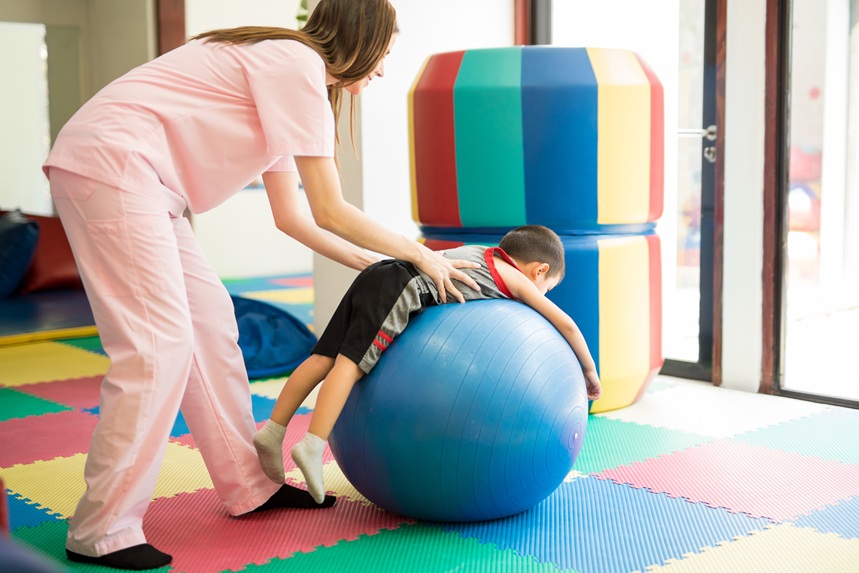
Cuevas Medek Exercises (CME) therapy is a modern pediatric rehabilitation method designed for children who present motor development delays or neurological conditions. This approach aims to stimulate the natural responses of the nervous system, helping the child develop postural control, balance, and movement capacity.
Unlike traditional therapies that focus on repeating movements already learned, CME therapy stimulates the emergence of new motor responses adapted to each child’s individual potential. Early intervention is essential and can make a significant difference in long-term development.
Who can benefit from CME therapy
Cuevas Medek therapy is recommended for children who present:
- motor development delays
- neurological conditions
- hypotonia or postural control difficulties
- risk of motor delay starting from the first months of life
- difficulties achieving independent walking
An important advantage of this therapy is that it can begin at a very early age, even from around 3–4 months, when early intervention has the greatest impact.
How Cuevas Medek therapy works
CME therapy stimulates automatic motor responses through dynamic exercises adapted to the child’s developmental level. During therapy sessions, the child is encouraged to respond actively to controlled biomechanical challenges, supporting the development of functional postural reactions.
The method does not depend on the child’s conscious cooperation, but on activating the nervous system’s natural developmental mechanisms. This makes therapy effective even for very young children.

Principles of CME therapy
Cuevas Medek therapy is based on several essential principles that differentiate it from traditional pediatric rehabilitation methods:
- Activation of automatic motor responses – exercises stimulate genetically programmed motor reactions
- Progressive exposure to gravity – helps develop balance and postural control naturally
- Distal support techniques – holding at the thighs, knees, or ankles improves muscle activation efficiency
- Independence from voluntary cooperation – therapy remains effective even when the child cannot follow instructions
- Integration of stretching into movement – exercises combine functional stretching with postural control
- Early introduction of vertical positioning – supports the development of independent walking
- Progress monitoring through clear objectives – the child’s evolution is continuously evaluated
Why early intervention is important
During the first months and years of life, the child’s nervous system has a very high capacity for adaptation. Starting therapy early can accelerate motor development and reduce the risk of long-term functional limitations.
Through exercises adapted to each developmental stage, CME therapy supports the acquisition of essential skills such as head control, rolling, sitting, standing, and walking.
Possible results of CME therapy
Results vary from one child to another, but properly guided intervention can contribute to:
- improved postural control
- better balance
- increased muscle strength
- development of new motor responses
- achievement of independent walking
- greater functional independence
In addition to motor progress, therapy can also improve the child’s confidence and the family’s overall comfort and reassurance.
CME therapy at Centrokinetic
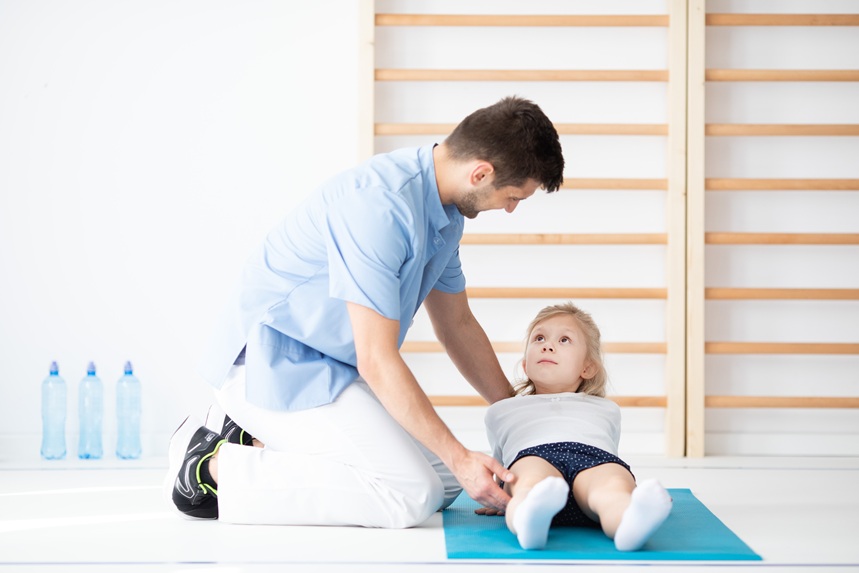
At Centrokinetic, Cuevas Medek therapy is integrated into a personalized pediatric rehabilitation plan established after a detailed evaluation of the child. Each program is tailored to the child’s actual developmental needs, and progress is carefully monitored throughout therapy.
Through early intervention and properly structured exercises, our goal is to support functional development and provide families with a clear and effective therapeutic pathway.
Centrokinetic is the place where you will find clear answers and effective solutions for musculoskeletal conditions. Our clinic, dedicated to musculoskeletal disorders, is organized into the following specialized departments:
- Orthopedics, a department composed of a highly experienced team of orthopedic surgeons specializing in sports traumatology.
- Pediatric Orthopedics, where sports injuries in children (ligament and meniscus injuries), spinal deformities (scoliosis, kyphosis, hyperlordosis), and foot deformities (hallux valgus, hallux rigidus, equinovarus foot, flatfoot, cavus foot) are treated.
- Neurology, featuring a state-of-the-art department where consultations, electroencephalograms (EEG), and electromyography (EMG) examinations are performed.
- Medical Rehabilitation for adults and children, a department specialized in the rehabilitation of professional athletes, spinal disorders, and children with neurological and traumatic conditions. Our extensive experience includes treating more than 5,000 professional athletes.
- Medical Imaging, with the clinic equipped with ultrasound and MRI systems dedicated to musculoskeletal conditions, complemented by an experienced radiologist, Dr. Cosmin Pantu, specialized in musculoskeletal imaging.
- Rheumatology, a comprehensive department dedicated to the diagnosis, treatment, and rehabilitation of patients with non-surgical musculoskeletal disorders.
- Vascular Surgery, a highly specialized department focused on the diagnosis and treatment of vascular diseases affecting arteries, veins, and lymphatic vessels.
- Psychology and Speech Therapy. Neurological and musculoskeletal conditions can have a psychological impact on patients, which is why we believe complete recovery requires addressing both the physical condition and its psychological consequences.
- Neurofeedback. This innovative method helps improve concentration, reduce anxiety, and achieve emotional balance through a simple and interactive process.
Stay up to date by following Centrokinetic on Facebook, Instagram, and YouTube.
MAKE AN APPOINTMENT
FOR AN EXAMINATION
See here how you can make an appointment and the location of our clinics.
MAKE AN APPOINTMENT
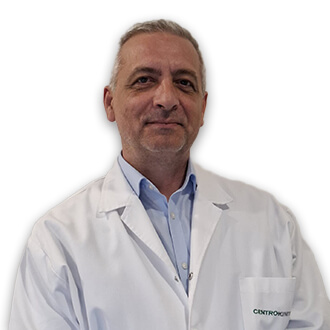
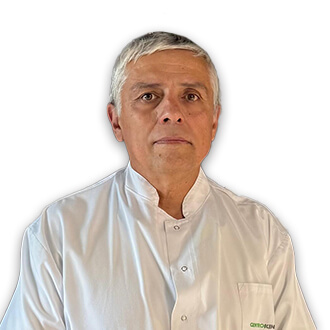
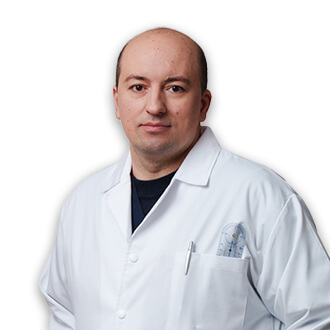
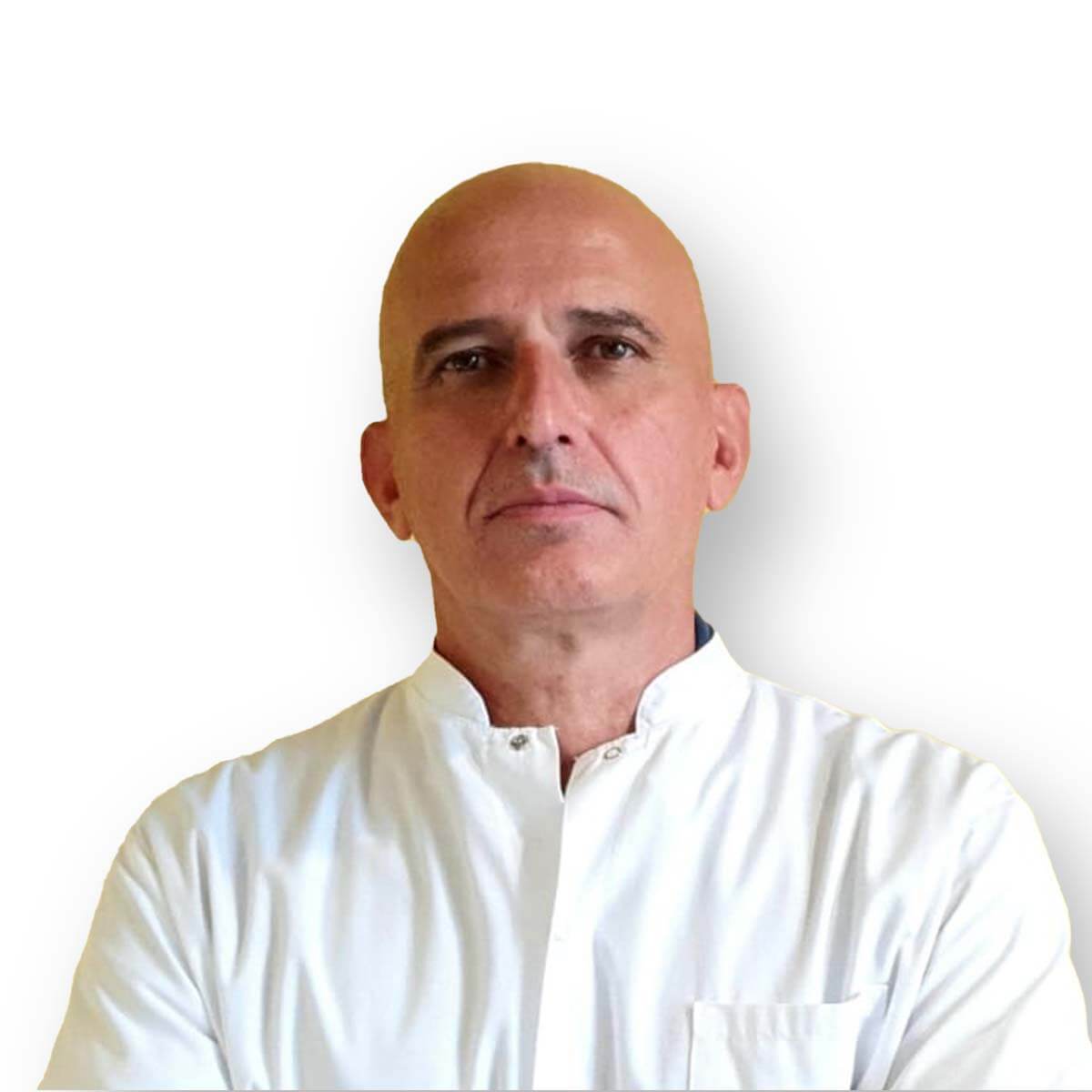
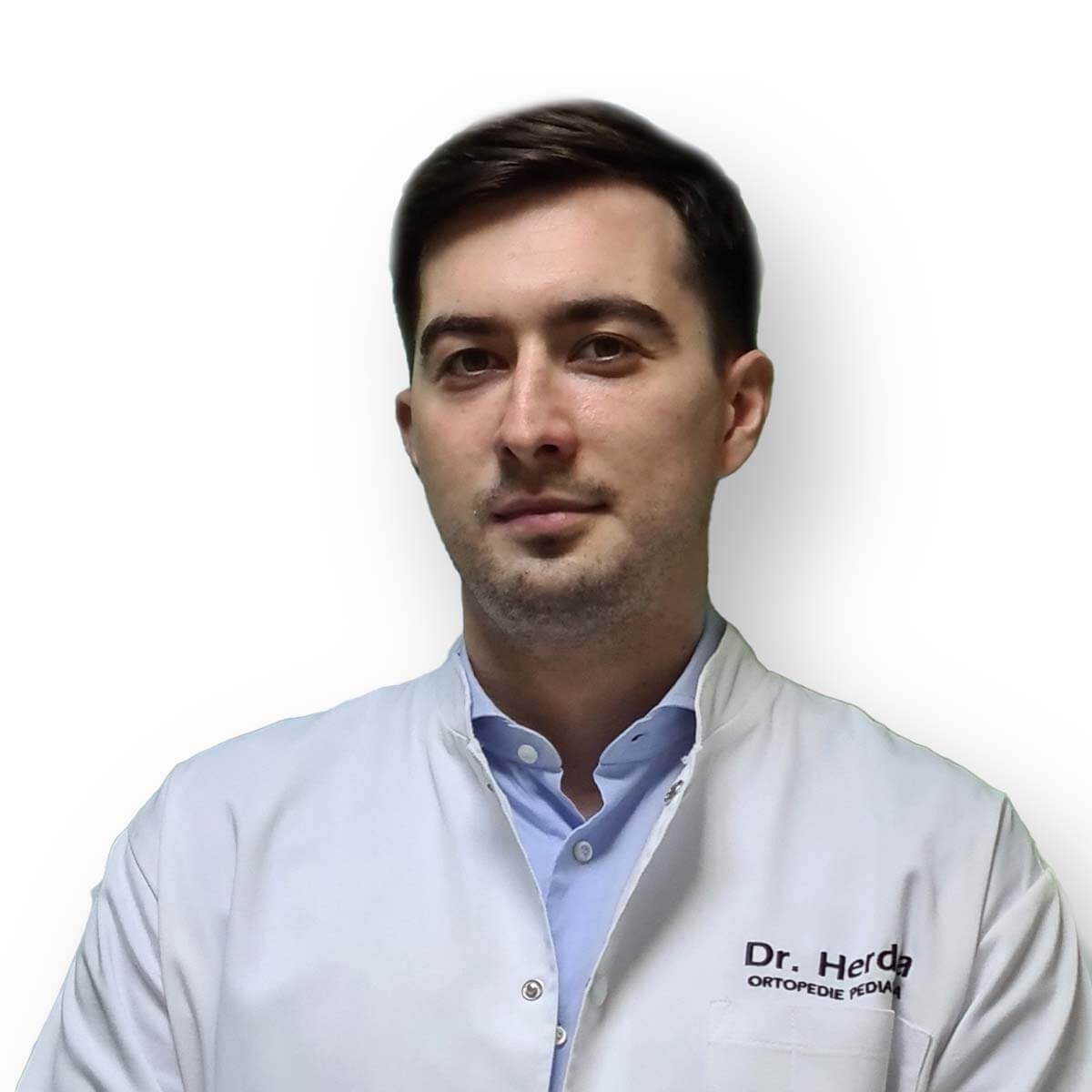
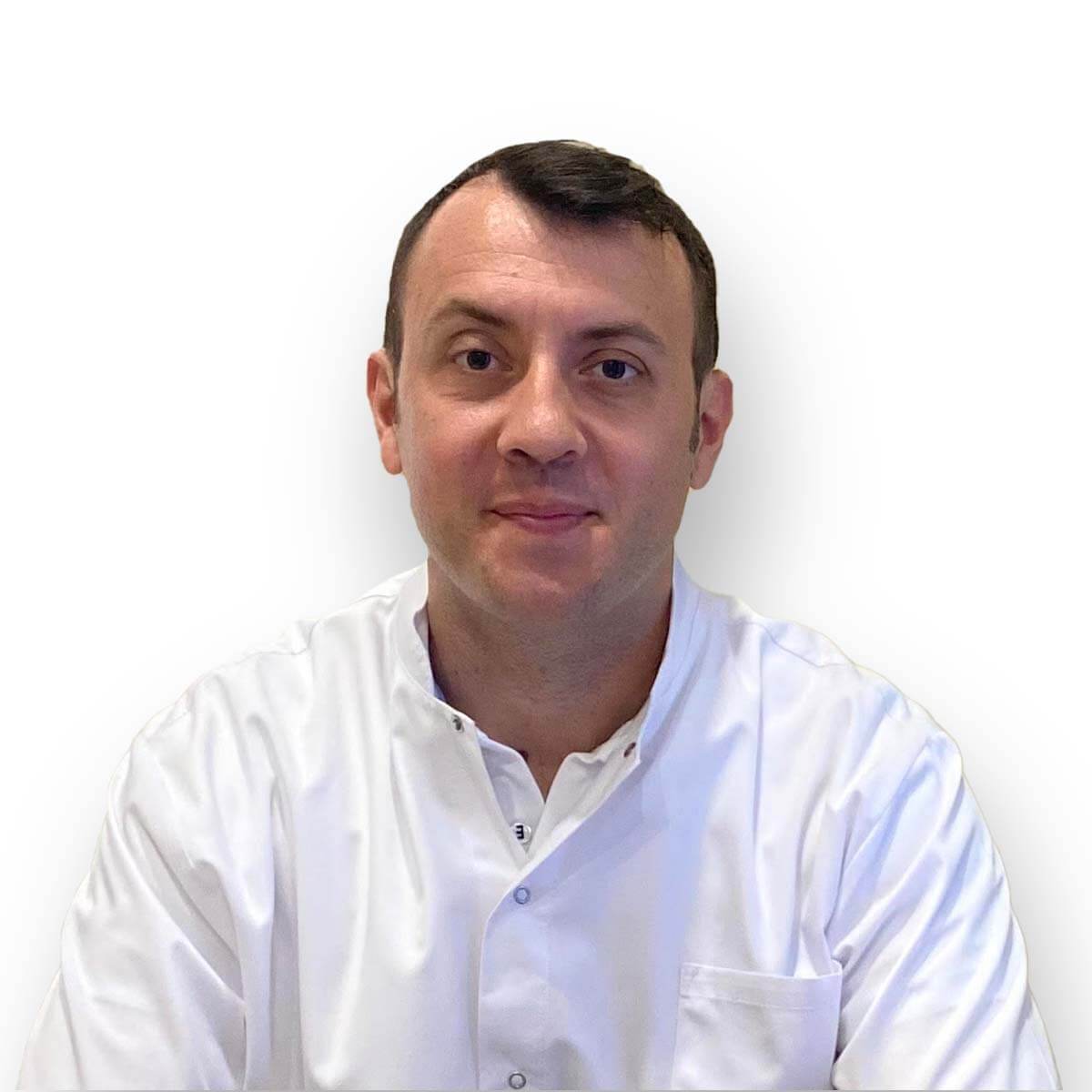
BUCHAREST TEAM








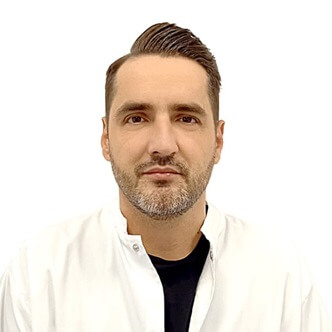

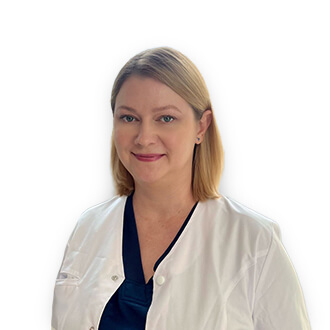
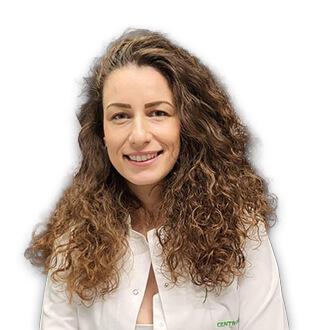
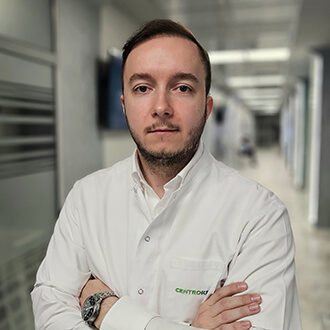




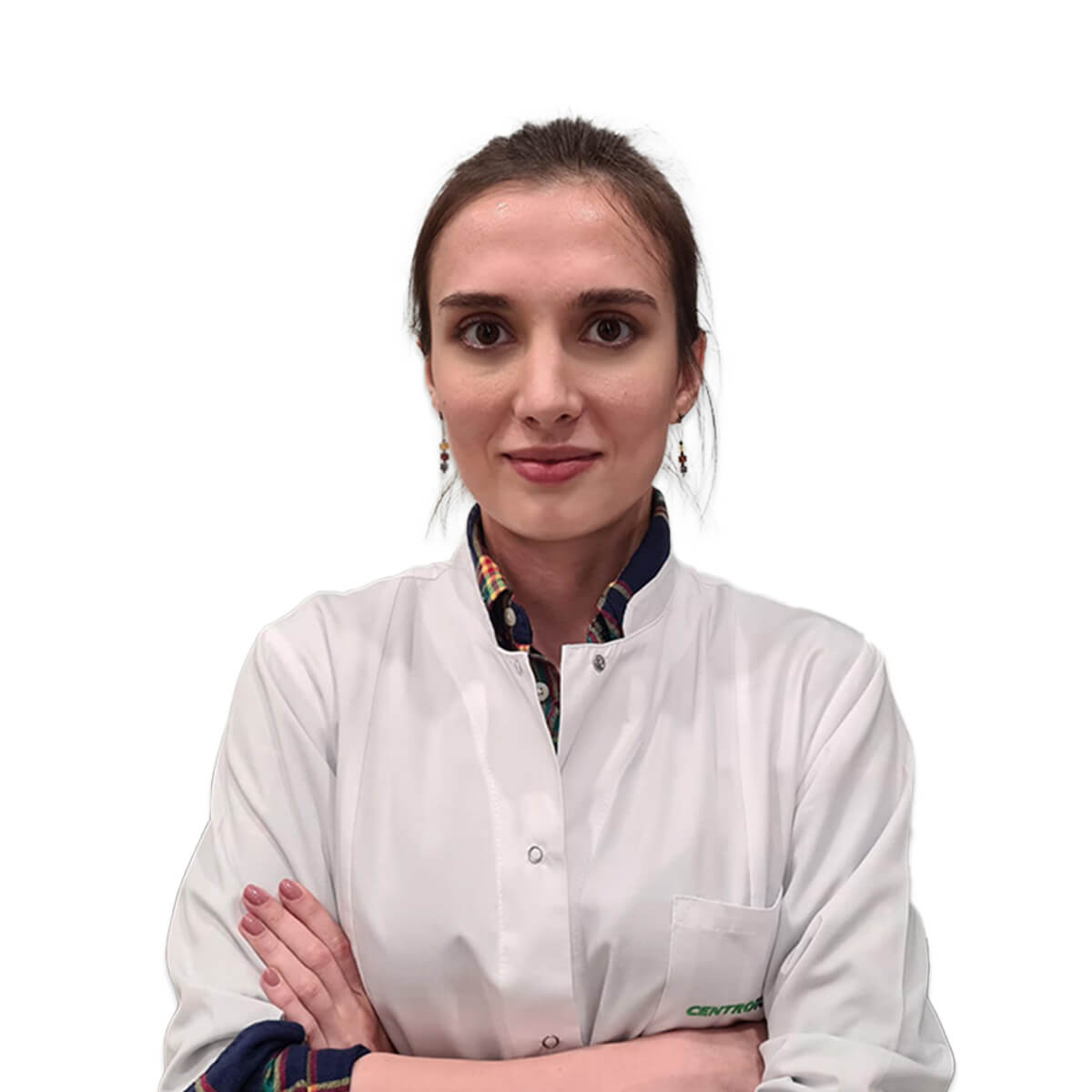



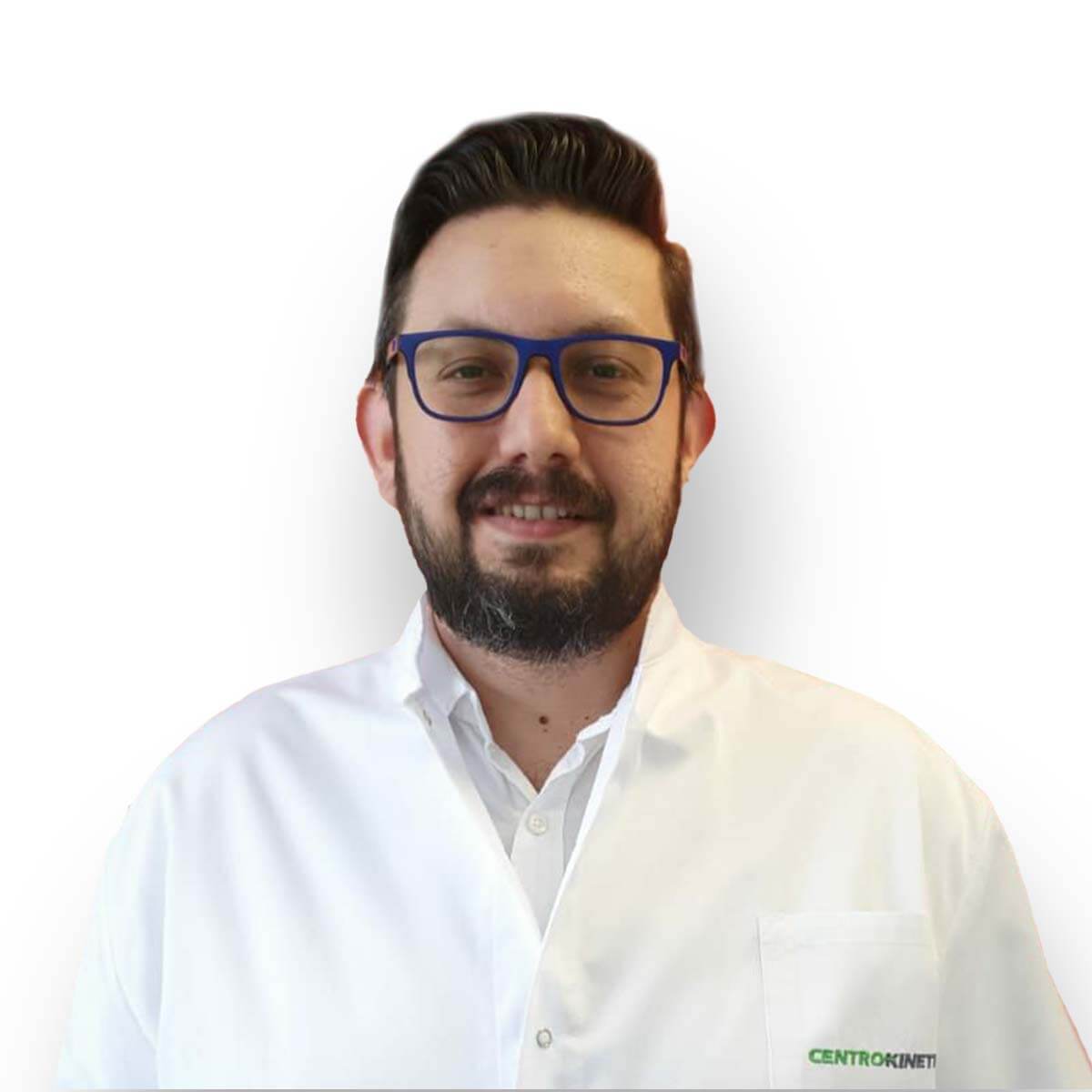


CLUJ NAPOCA TEAM
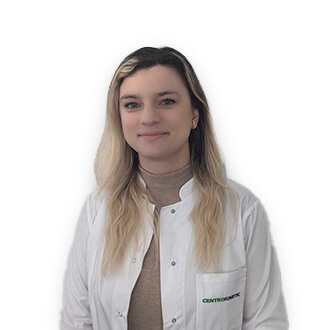
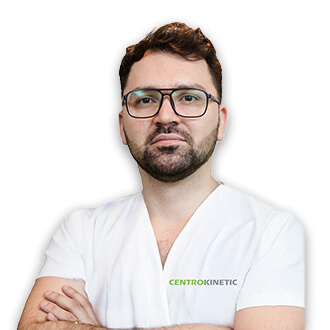
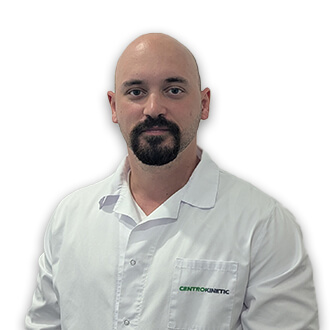



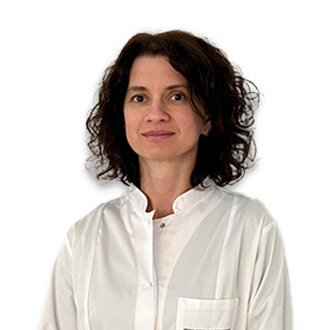






BRASOV TEAM







Asiguratori privati




Parteneriate

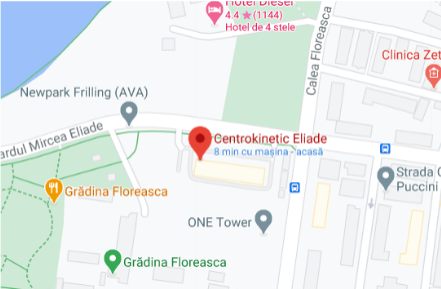
CENTROKINETIC FLOREASCA
Bucharest, 1st District,
Mircea Eliade Street, no. 18,
Eliade Tower, Entrance A, Floor 3
| Navigation | Explore 3D |
CENTROKINETIC Barbu Vacarescu
Bucharest, 2nd District,
Barbu Vacarescu Street, no. 102,
102 The Address, ground floor.
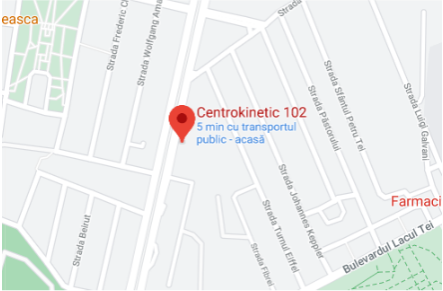
| Navigation | Explore 3D |
CENTROKINETIC MILITARI
Bucuresti, Sector 6,
Bld. Iuliu Maniu, nr. 15G,
Cladirea PBT, etaj 3.
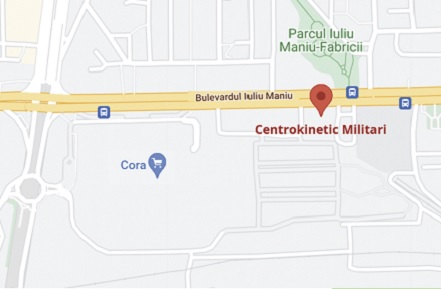
| Navigation |
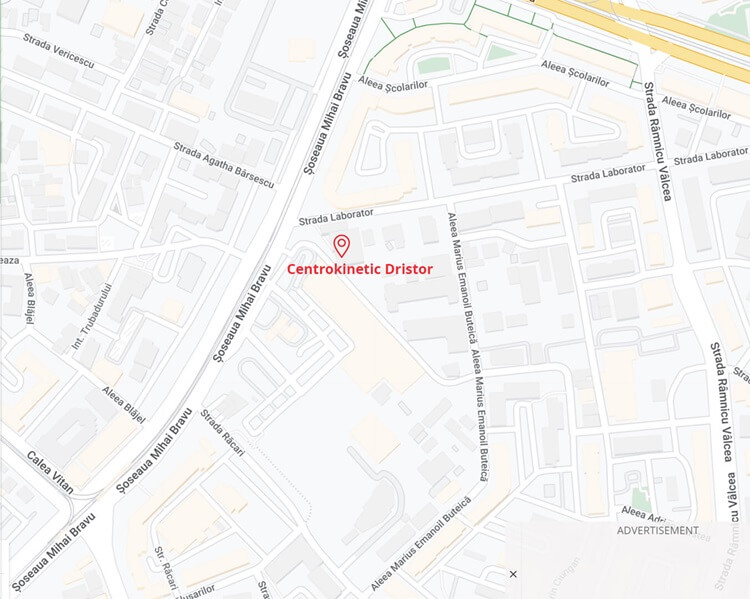
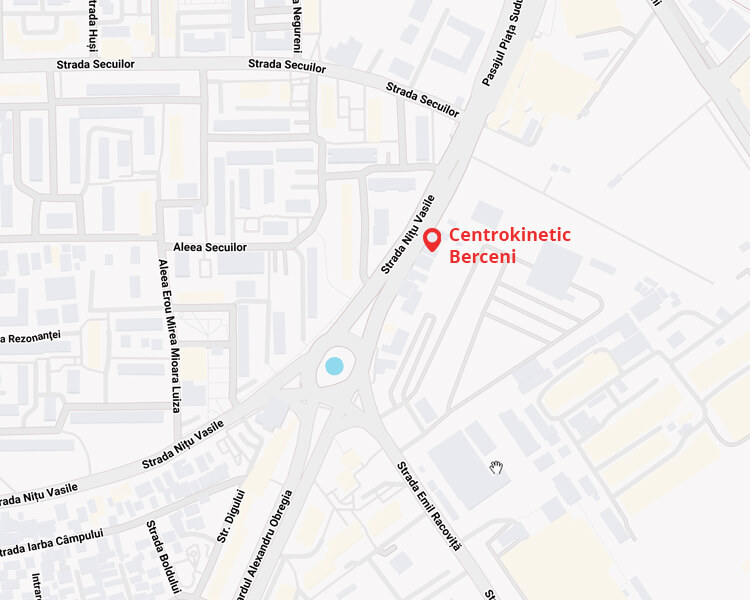
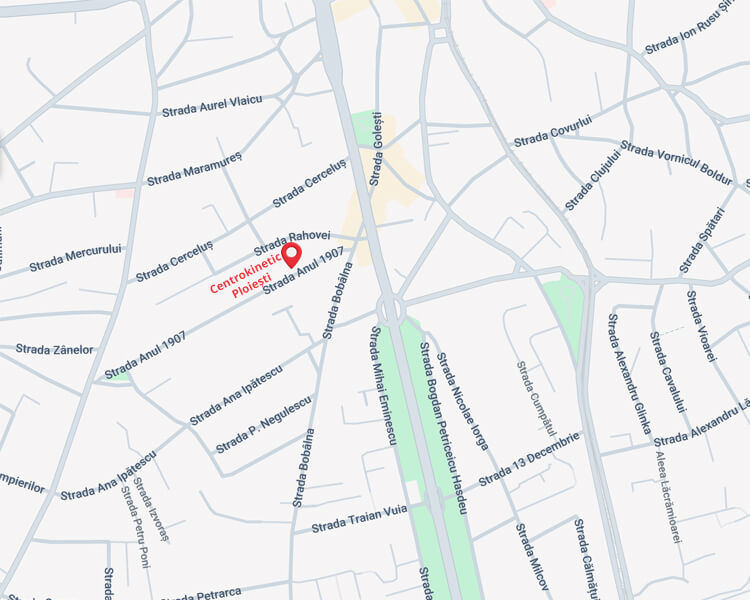
CENTROKINETIC CLUJ-NAPOCA
Cluj-Napoca,
Str. Intre Lacuri, nr.1
Intrarea este in spatele cladirii.
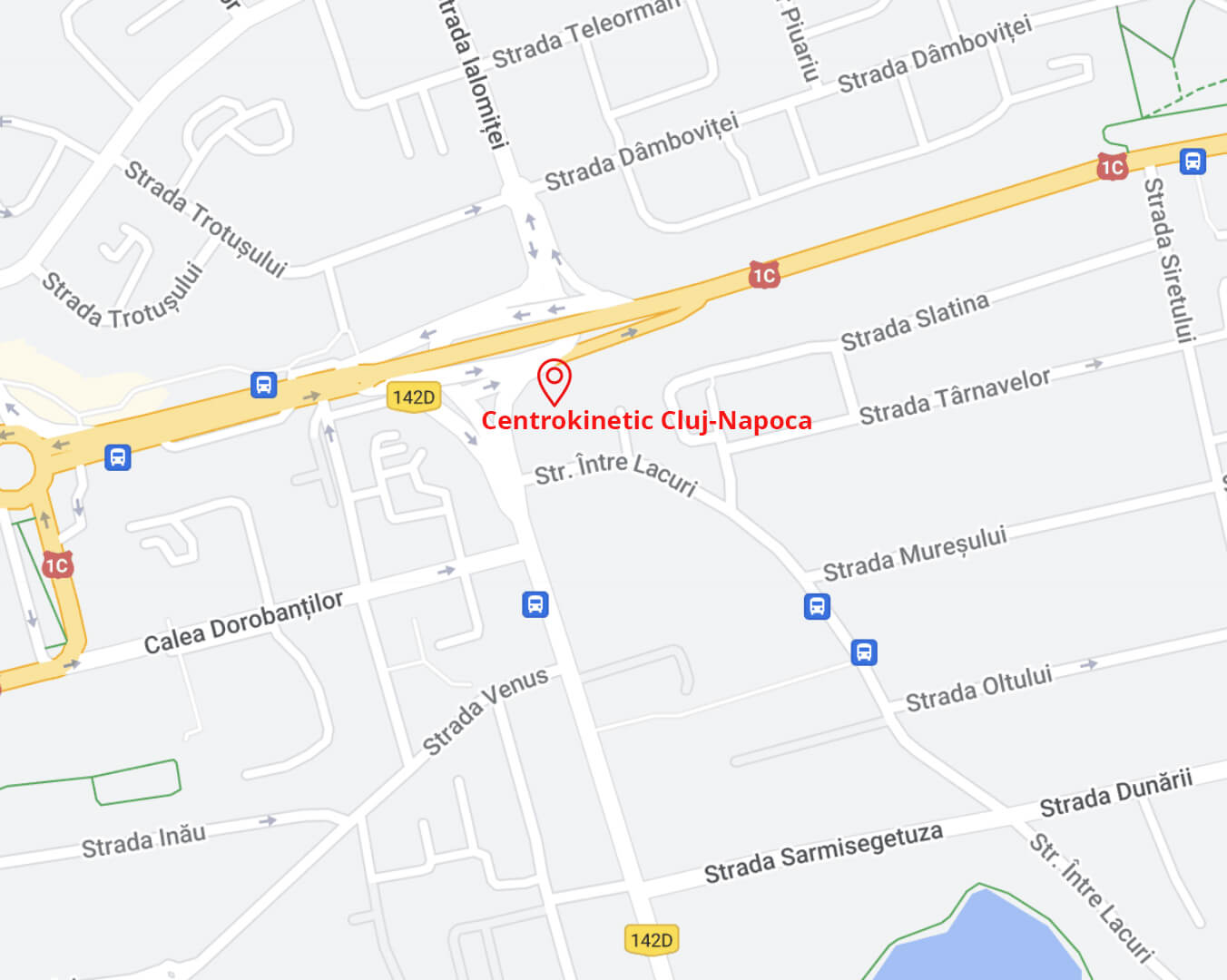
| Navigation |
SOCRATES CLINIC TIMISOARA
Timisoara, Calea Martirilor 1989,
nr. 1.
Telefon: 0371 785 374.
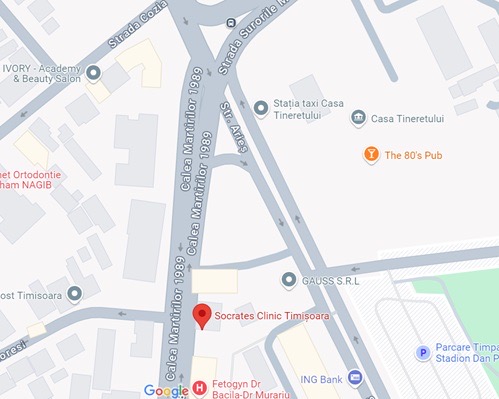
| Navigation |
CONTACT
Phone: 0319693
E-mail: programari@centrokinetic.ro
Operating hours:
Monday – Friday: 07:00 – 21:00
Saturday: 09:00 – 14:00
Sunday: closed.
MAKE AN APPOINTMENT