Physical therapy for children: when does it start?


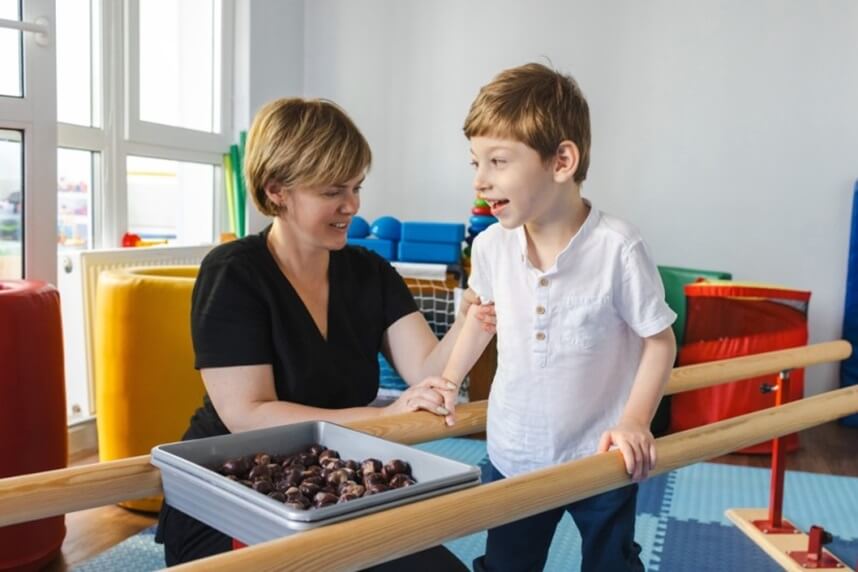
As a parent, you observe every day how your child grows, moves, reacts to effort, and controls their body. Sometimes, signs appear that raise questions: delays in movement, incorrect posture, rapid fatigue, or pain without an obvious cause. In such situations, pediatric physiotherapy becomes a medical option worth considering.
This guide has a clear objective: to help you understand when pediatric physiotherapy should begin and what to pay attention to throughout the process. The information is based on medical practice and the experience of the Centrokinetic team, specialized in pediatric rehabilitation.
What is pediatric physiotherapy and how does it differ from adult physiotherapy?
Physiotherapy means therapy through movement, used for medical purposes. In children, this type of therapy focuses on motor development, meaning how the child learns to coordinate movements, control posture, and interact with the environment through movement.
A child does not respond to exercises in the same way as an adult. Their nervous system is still developing, bones are growing, and attention and motivation fluctuate. For this reason, pediatric physiotherapy uses age-appropriate exercises integrated into engaging activities and properly dosed. The therapist continuously adjusts the intensity and type of movement depending on the child’s response.
At Centrokinetic, physiotherapy sessions for children always begin with a medical evaluation and clearly defined objectives established individually.
When should physiotherapy begin for children?
The timing of physiotherapy varies from one child to another. There is no universally “correct” age, but rather medical indications based on motor development and any identified issues.
Physiotherapy for infants (0–12 months)
In most cases, physiotherapy can begin in the first months of life if the physician observes asymmetries or movement difficulties. Common examples include torticollis, hypotonia, hypertonia, or delays in motor milestones such as rolling or weight-bearing through the limbs.
Physiotherapy sessions for infants do not involve forced movements. The therapist uses guided positioning and gentle stimulation adapted to the child’s level. The goal is to support correct movement, not to accelerate developmental stages.
Physiotherapy for toddlers and preschool children
Between 1 and 5 years of age, physiotherapy frequently helps correct unstable walking patterns, coordination imbalances, or incorrect posture. Some children fall frequently, avoid more demanding movements, or tire quickly during play.
Intervention at this stage supports harmonious development and reduces the risk of problems becoming more pronounced as the child grows. For optimal results, therapy should be adapted to age and include varied exercises.
Physiotherapy for school-aged children and adolescents
At school age, muscle imbalances and posture problems commonly appear, often due to prolonged sitting at desks. Scoliosis and kyphosis are frequent examples that require monitoring and a well-structured therapeutic program.
Physiotherapy works both as a corrective method and as prevention. Periodic evaluations allow exercises to be adjusted according to growth and the child’s activity level.
How can you tell if physiotherapy is needed?
Parental observation plays an important role. In infants, signs may include asymmetric movements, avoidance of one side of the body, or absence of expected motor milestones. In older children, warning signs include incorrect posture, toe walking, pain after mild effort, or refusal to participate in physical activities.
Avoid self-diagnosis. Only a specialist can properly evaluate the situation. Physiotherapy always begins after a medical consultation and a functional assessment performed by a physiotherapist.
Common conditions addressed through pediatric physiotherapy
Pediatric physiotherapy is used for a wide range of situations, from mild developmental delays to conditions that require long-term monitoring. The most common include:
- motor development delays;
- congenital or acquired torticollis;
- flat feet;
- recovery after trauma or orthopedic interventions.
Spinal problems require special attention and continuous monitoring. For detailed information about kyphosis—its causes and treatment—consult the dedicated resources available.
Main steps in pediatric physiotherapy
Initial evaluation
The process begins with an evaluation performed by a physician. Posture, mobility, gait, coordination, and medical history are analyzed. Depending on age, the assessment may include observation of play or spontaneous movements. This stage establishes the foundation of the treatment plan and helps identify limitations or possible contraindications.
Establishing the treatment plan
Based on the evaluation, the specialist proposes a personalized plan that includes session frequency and exercise types. In some situations, physiotherapy is combined with physical therapy modalities to reduce pain or stimulate muscles.
Conducting therapy sessions
Sessions are structured but flexible. The therapist adapts exercises according to the child’s response and progress. Exercises should not cause pain; any persistent discomfort should be reported immediately.
Monitoring and adjusting therapy
Progress is evaluated periodically. If changes occur in the child’s development or tolerance to effort, the plan is adjusted. Monitoring prevents overload and maintains therapy safety.
What exercises are used in pediatric physiotherapy?
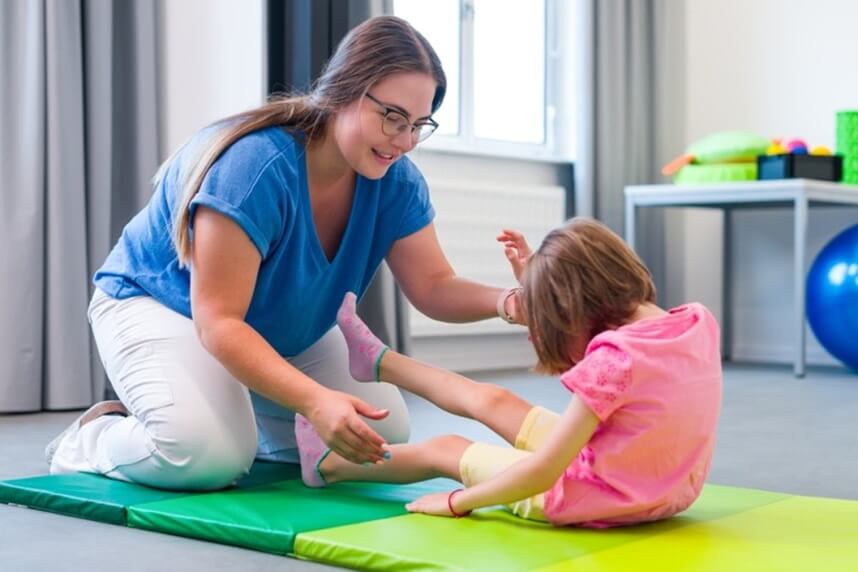
Exercise types vary depending on age and therapeutic goals. In infants, the focus is on postural control and coordination. In older children, exercises target balance, mobility, and correct body alignment.
High-intensity strength exercises are not part of standard pediatric physiotherapy. Risks occur when exercises are performed without evaluation or specialist supervision.
What should parents pay attention to during therapy?
Parental involvement directly influences outcomes. Follow the recommended schedule and discuss any difficulties with the therapist. Practice only the exercises recommended for home and avoid improvisation.
Do not compare your child’s progress with that of others. Development pace varies, and objectives are established individually. For stable results, maintain constant communication with the specialist.
Medical physiotherapy versus exercises performed at home
| Medical physiotherapy | Exercises performed at home |
|---|---|
| Professional evaluation | No objective evaluation |
| Personalized treatment plan | General movement |
| Continuous monitoring | No technical correction |
| Permanent adaptation | Risk of incorrect execution |
Why choose Centrokinetic for your child’s physiotherapy?
Centrokinetic provides access to rehabilitation physicians and physiotherapists experienced in working with children. Treatment plans are based on medical evaluations and adjusted according to progress. The environment is adapted for children, and communication with parents remains constant throughout therapy.
Frequently asked questions about pediatric physiotherapy
At what age can physiotherapy begin?
Physiotherapy can begin even in the first months of life if recommended by a physician.
How many sessions are necessary?
The number of sessions depends on the condition, age, and response to therapy. In most cases, progress is evaluated periodically.
Are there associated risks?
Risks appear if exercises are not adapted or are performed without supervision. That is why specialist consultation is necessary.
Can physiotherapy replace other treatments?
No. Physiotherapy is part of a medical plan and may be combined, if necessary, with other methods recommended by the physician.
Next steps for your child’s health
Pediatric physiotherapy provides benefits when started at the right time and based on proper evaluation. If you notice concerning signs, schedule a specialist assessment and discuss treatment options.
Disclaimer: This article is for informational purposes only and does not replace medical consultation. For proper diagnosis and treatment, always consult a physician.
Sources
[1] “Paediatric Physiotherapy.” Association of Paediatric Chartered Physiotherapists, 18 Jan. 2021, apcp.csp.org.uk/content/paediatric-physiotherapy-0.
[2] “Introduction to Paediatric Physiotherapy | Physiopedia Plus.” Physiopedia Plus, 2026, members.physio-pedia.com/learn/introduction-to-paediatric-physiotherapy-promopage/.
BUCHAREST TEAM

































































CLUJ NAPOCA TEAM


































BRASOV TEAM


















MAKE AN APPOINTMENT
FOR AN EXAMINATION
See here how you can make an appointment and the location of our clinics.
MAKE AN APPOINTMENT
Asiguratori privati





Parteneriate



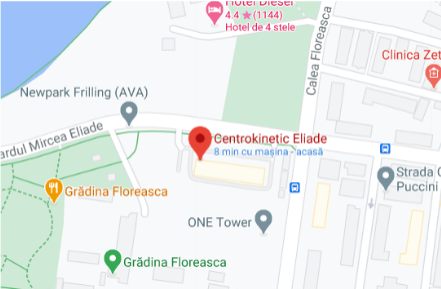
CENTROKINETIC FLOREASCA
Bucharest, 1st District,
Mircea Eliade Street, no. 18,
Eliade Tower, Entrance A, Floor 3
| Navigation | Explore 3D |
CENTROKINETIC Barbu Vacarescu
Bucharest, 2nd District,
Barbu Vacarescu Street, no. 102,
102 The Address, ground floor.
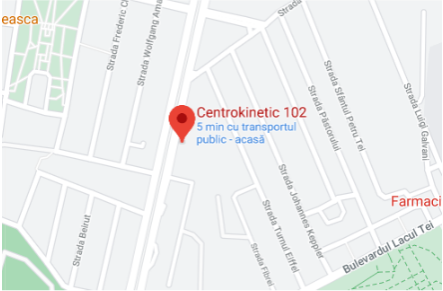
| Navigation | Explore 3D |
CENTROKINETIC MILITARI
Bucuresti, Sector 6,
Bld. Iuliu Maniu, nr. 15G,
Cladirea PBT, etaj 3.
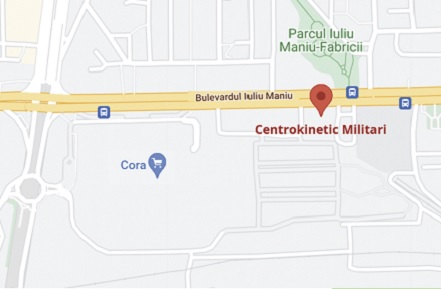
| Navigation |
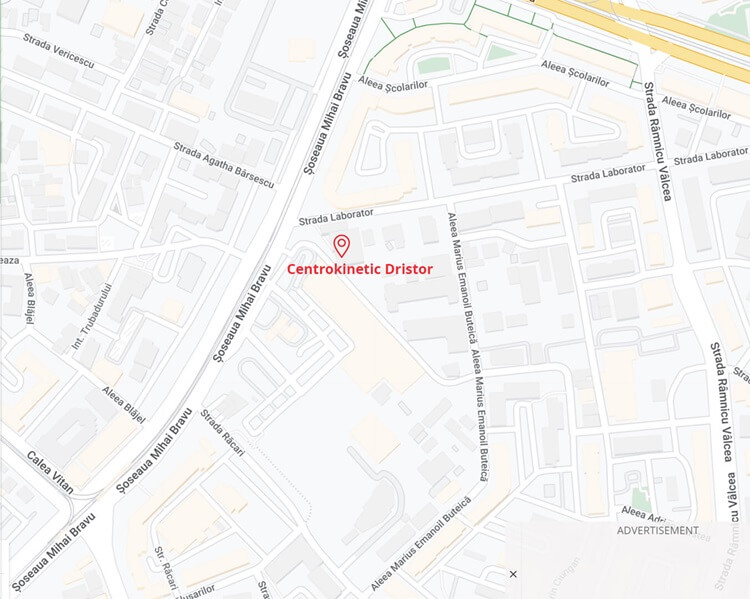
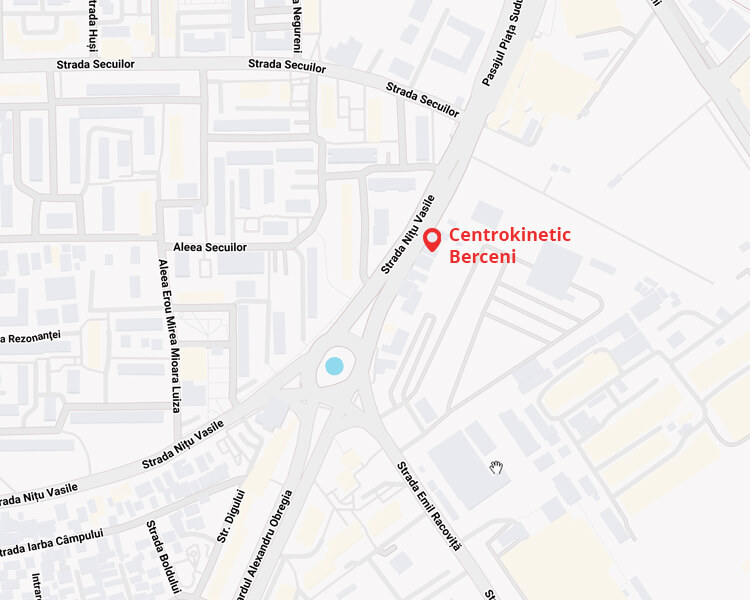
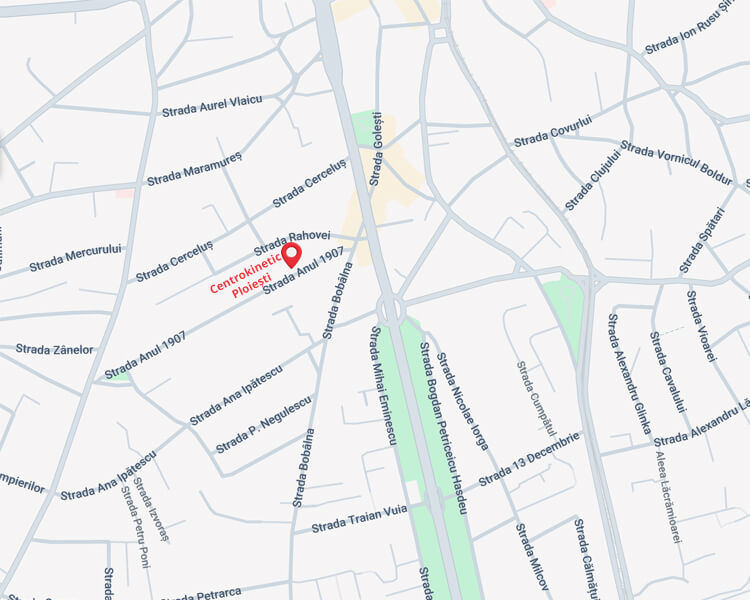
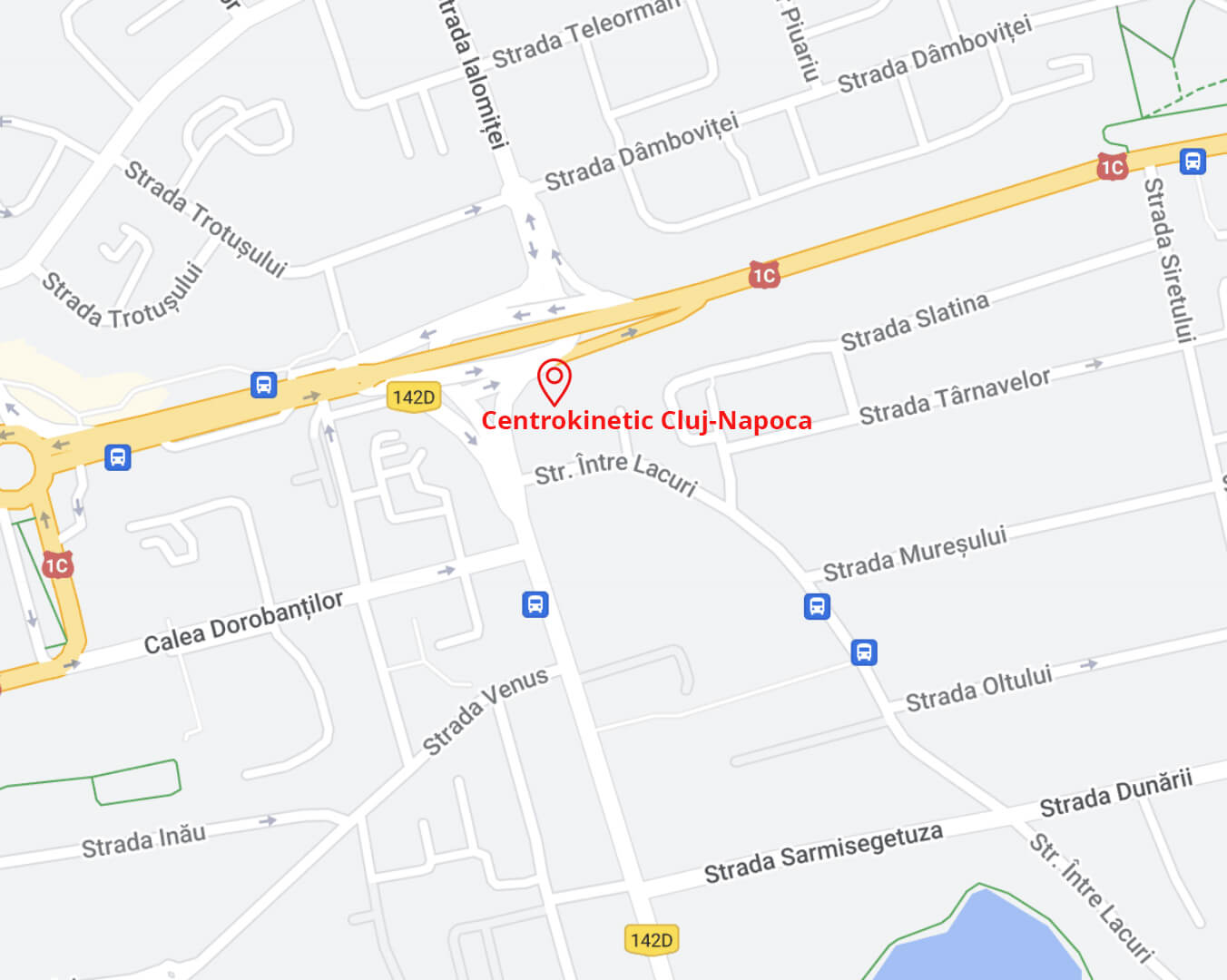
CENTROKINETIC CLUJ-NAPOCA
Cluj-Napoca,
Str. Intre Lacuri, nr.1
Intrarea este in spatele cladirii.
| Navigation |
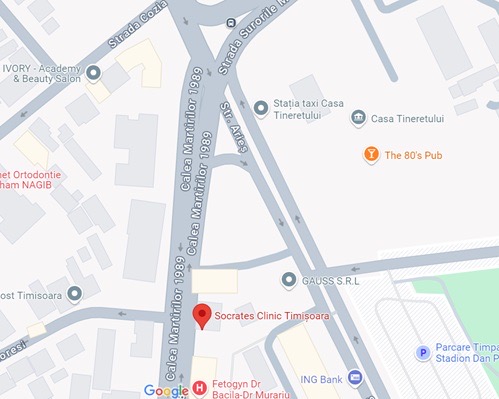
SOCRATES CLINIC TIMISOARA
Timisoara, Calea Martirilor 1989,
nr. 1.
Telefon: 0371 785 374.
| Navigation |
CONTACT
Phone: 0319693
E-mail: programari@centrokinetic.ro
Operating hours:
Monday – Friday: 07:00 – 21:00
Saturday: 09:00 – 14:00
Sunday: closed.
MAKE AN APPOINTMENT