Physiotherapy program at Centrokinetic: stages, recovery



If you are experiencing back, knee, or shoulder pain, if you have undergone surgery, or if you want to return safely to movement after an injury, it is natural to want to know what comes next. Many patients begin physiotherapy without clearly understanding the stages involved, the duration of treatment, or what their active participation requires.
Below, we provide a detailed overview of the stages of a physiotherapy program at Centrokinetic. You will understand what happens from the first appointment to the end of the recovery process, what expectations are realistic, and how you collaborate with the medical team.
Why is it useful to understand the structure of a physiotherapy program?
Medical recovery works better when you understand what you are doing and why you are doing it. A clear program provides predictability, reduces anxiety related to movement, and helps you remain consistent. In most cases, patients who understand the stages of their program follow recommendations more easily and notice steady progress.
At Centrokinetic, physiotherapy follows a structure tailored to each patient. There are no standard exercises applied to everyone, and the pace is determined based on evaluation, objectives, and your body’s response to effort.
Scheduling and the first contact with the Centrokinetic team
The first step is yours. You choose a Centrokinetic location and request an appointment for evaluation or a medical consultation. The network includes clinics in several cities, but working procedures remain consistent regardless of location.
When scheduling, you will communicate the reason for your visit: persistent pain, post-surgical recovery, sports injury, or prevention. If you have recent investigations such as an MRI or X-rays, you should mention them from the beginning. This information helps the team allocate the appropriate time and establish the correct sequence of steps.
The initial medical consultation
Before starting any exercise program, a medical consultation is required. The rehabilitation physician, orthopedist, or neurologist analyzes your medical history, current symptoms, and functional limitations.
The discussion focuses on:
- the type and location of the pain;
- when the symptoms appeared;
- activities that worsen or relieve the pain;
- your level of daily and sports activity.
The physician evaluates existing investigations or recommends additional ones if necessary. In the absence of recent investigations, the clinical examination provides sufficient guidance to begin recovery safely. At the end of the consultation, the physician establishes the indication for physiotherapy and the general objectives.
The functional assessment performed by the physiotherapist
After the medical consultation, you enter the physiotherapy room for the functional assessment. At this stage, the focus shifts from diagnosis to movement.
The physiotherapist evaluates:
- joint mobility;
- muscle strength;
- movement control;
- posture in static and dynamic positions;
- the presence of pain during movement.
For example, in cases of lower back pain, the assessment focuses on trunk stability and how you control pelvic movement during simple actions. For knee problems, the physiotherapist observes lower limb alignment, muscle control, and walking pattern.
The assessment is adapted to your level. The physiotherapist avoids unnecessary challenges and explains observations clearly so that you understand the rationale behind the proposed exercises.
Setting objectives and the treatment plan

Based on medical information and the functional assessment, the team establishes your recovery plan. This plan reflects your actual needs, not a standard template.
Objectives may include:
- reducing pain during daily activities;
- increasing joint mobility;
- improving muscle strength and endurance;
- returning to walking, running, or sports activities;
- increasing confidence in movement.
The plan specifies the estimated number of sessions, their frequency, and the duration of each session. The plan remains flexible. In most cases, the physiotherapist adjusts session content as your body responds to effort.
What does a physiotherapy session at Centrokinetic involve?
Each session follows a clear structure focused on safety and progress. You do not perform exercises randomly, and the physiotherapist continuously guides you.
Warm-up and preparation for effort
The session begins with a warm-up. This prepares the joints, muscles, and nervous system for the exercises that follow. The warm-up includes controlled movements adapted to your condition, such as:
- gentle mobilizations of the spine or joints;
- targeted muscle activation;
- simple coordination exercises.
This stage reduces the risk of pain during the session and improves movement quality.
Guided therapeutic exercises
After the warm-up, the therapeutic exercises follow. You work individually or in small groups under direct supervision. Exercises may target:
- trunk or joint stability;
- strength development under controlled conditions;
- mobility improvement;
- restoration of functional movement patterns.
The physiotherapist corrects execution, adjusts difficulty, and explains the purpose of each exercise. Communication remains constant.
Progressive reintegration into dynamic movement
For patients in advanced recovery stages, the program may include controlled running or low-impact exercises. This stage is introduced only after stability, control, and absence of pain in simple movements are achieved.
Return to running is gradual and based on clear protocols, either on a treadmill or through functional exercises. The goal is to safely resume dynamic activities.
Association with physiotherapy procedures
In certain situations, physiotherapy exercises are combined with physical therapy procedures to support recovery. These are recommended only based on medical indication.
For example, TECAR therapy can reduce pain and muscle tension, preparing tissues for movement. In other cases, lymphatic drainage helps reduce edema and improve circulation, especially after surgical interventions. These procedures do not replace exercises but complement them when necessary.
Progress monitoring and necessary adjustments
Medical recovery involves continuous evaluation. The physiotherapist monitors your progress from session to session and records observed changes. At regular intervals, functional tests are repeated to assess:
- mobility;
- strength;
- movement control;
- effort tolerance.
If progress slows or difficulties appear, the program is modified. This continuous adjustment keeps recovery on a safe and effective path.
Home exercise recommendations and relapse prevention
Your work does not end when the session finishes. The physiotherapist provides a clear set of home exercises adapted to your level.
You will receive guidance regarding:
- exercise frequency;
- number of repetitions;
- movements to temporarily avoid.
Following these recommendations supports results achieved in the clinic and reduces the risk of symptom recurrence.
The stages of a physiotherapy program at Centrokinetic
| Stage | What it involves | Benefit for the patient |
|---|---|---|
| Scheduling and consultation | Discussion with the physician, review of investigations | Correct treatment direction |
| Functional assessment | Testing movement and strength | Understanding limitations |
| Warm-up | Preparation for effort | Safer movement |
| Therapeutic exercises | Guided and corrected exercises | Control and strength |
| Associated procedures | TECAR therapy, lymphatic drainage when needed | Improved comfort during movement |
| Monitoring | Periodic reassessments | Program adaptation |
| Home exercises | Personalized program | Stable long-term results |
What should you know before starting recovery?
Progress differs from one person to another. Age, medical history, activity level, and adherence to recommendations influence recovery speed. There are no universal guarantees, and decisions are always made together with the medical team.
For safe results, follow the established plan, communicate any discomfort, and avoid exercises that are not recommended by specialists.
Frequently asked questions
How long does a physiotherapy program last?
The duration varies depending on the condition, objectives, and individual response to treatment. In some situations, recovery lasts a few weeks, while in others it may take several months.
Can I do physiotherapy if I feel pain during movement?
Yes, but only after medical consultation and functional assessment. Exercises are adapted to your level and aim to control pain, not provoke it.
Why are home exercises necessary?
Home exercises support the work performed in the clinic and help maintain progress between sessions. Following them influences medium-term results.
When can I return to sports or running?
Return to sports is determined individually after stability, control, and effort tolerance are achieved. The physiotherapist will indicate the appropriate timing.
Can I combine physiotherapy with other treatments?
Yes, but only based on the recommendation of the physician or physiotherapist. Associated procedures support movement, not replace it.
Disclaimer: This article is for informational purposes only and does not replace a medical consultation. For any health condition, contraindication, or treatment objective, consult a physician.
Sources of information
[1] “Physical Therapy” Cleveland Clinic, 11 Mar. 2024, my.clevelandclinic.org/health/treatments/physical-therapy.
[2] “In Brief: Physical Therapy.” Nih.gov, Institute for Quality and Efficiency in Health Care (IQWiG), 19 Mar. 2024, www.ncbi.nlm.nih.gov/books/NBK561514/.
BUCHAREST TEAM










































CLUJ NAPOCA TEAM


























BRASOV TEAM










MAKE AN APPOINTMENT
FOR AN EXAMINATION
See here how you can make an appointment and the location of our clinics.
MAKE AN APPOINTMENT
Asiguratori privati





Parteneriate



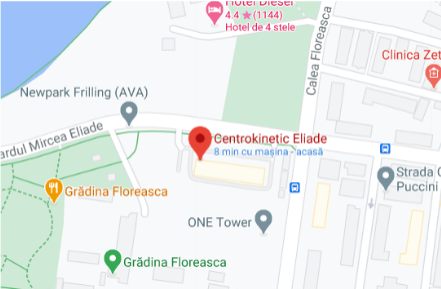
CENTROKINETIC FLOREASCA
Bucharest, 1st District,
Mircea Eliade Street, no. 18,
Eliade Tower, Entrance A, Floor 3
| Navigation | Explore 3D |
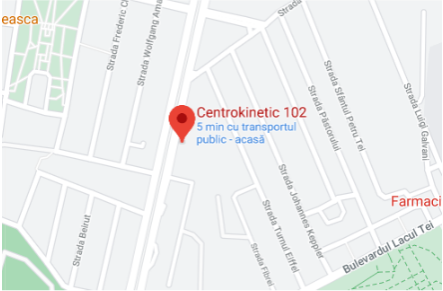
CENTROKINETIC Barbu Vacarescu
Bucharest, 2nd District,
Barbu Vacarescu Street, no. 102,
102 The Address, ground floor.
| Navigation | Explore 3D |
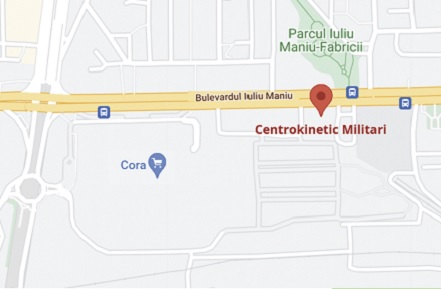
CENTROKINETIC MILITARI
Bucuresti, Sector 6,
Bld. Iuliu Maniu, nr. 15G,
Cladirea PBT, etaj 3.
| Navigation |
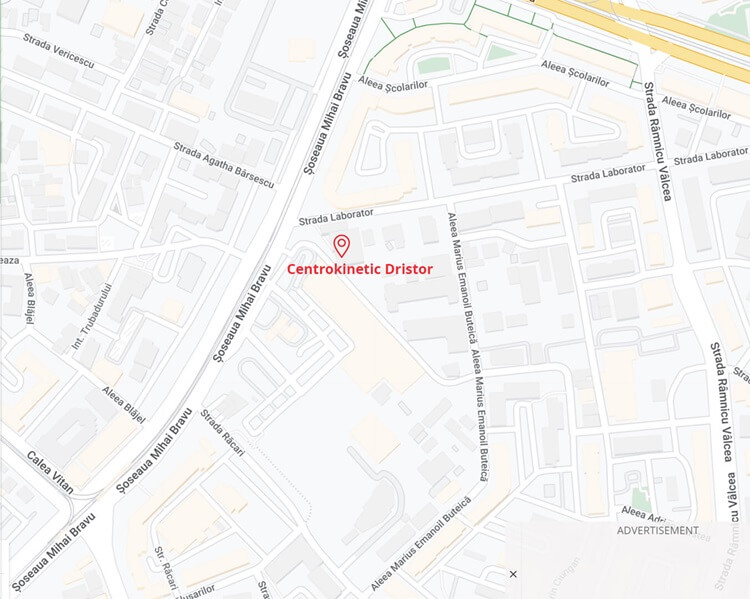
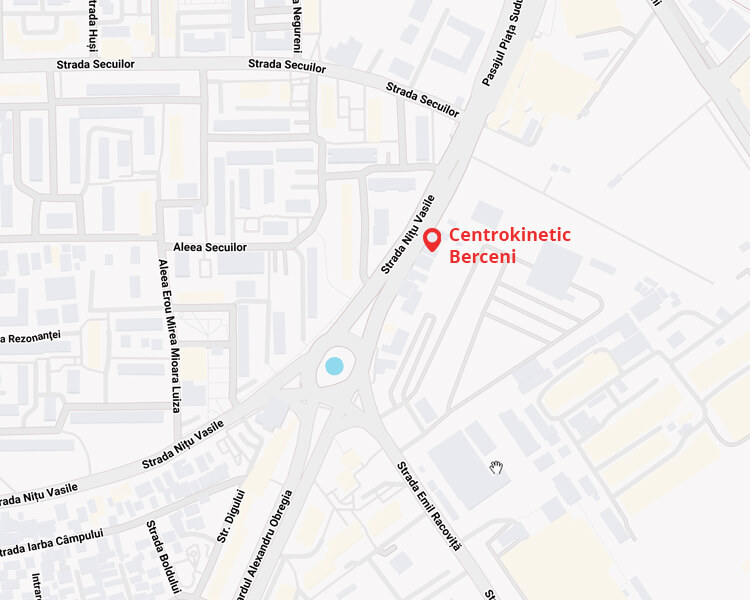
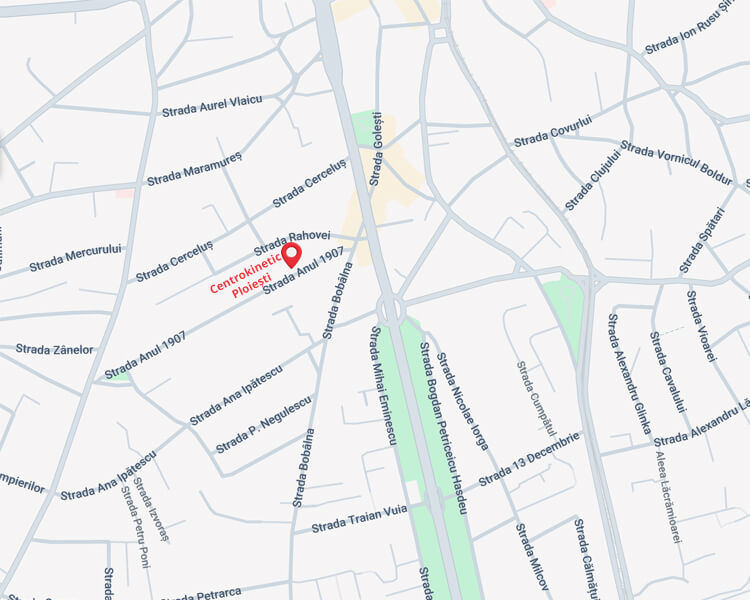
CENTROKINETIC CLUJ-NAPOCA
Cluj-Napoca,
Str. Intre Lacuri, nr.1
Intrarea este in spatele cladirii.
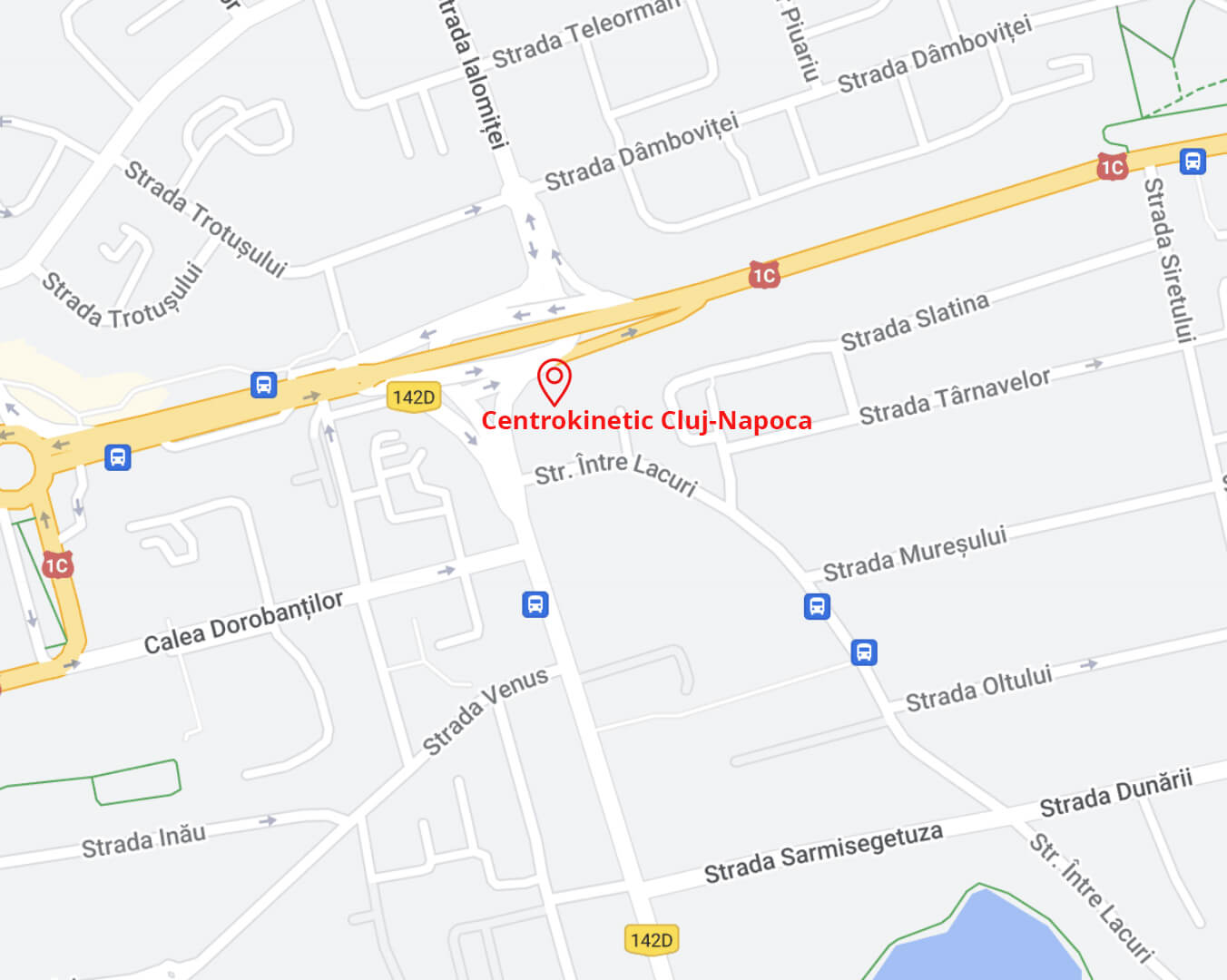
| Navigation |
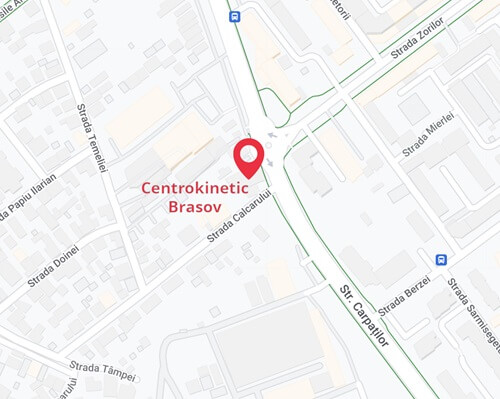
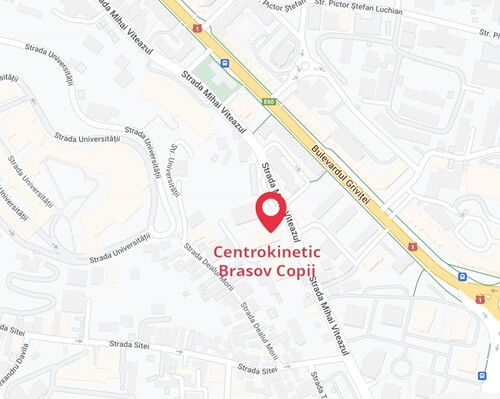
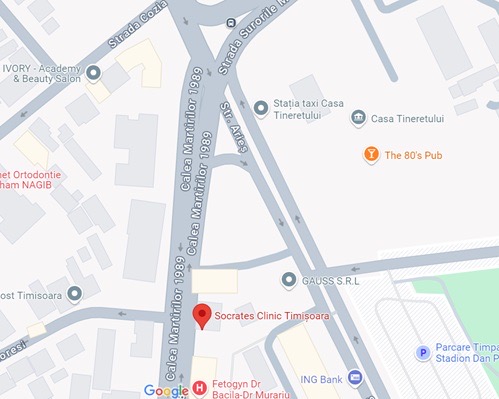
SOCRATES CLINIC TIMISOARA
Timisoara, Calea Martirilor 1989,
nr. 1.
Telefon: 0371 785 374.
| Navigation |
CONTACT
Phone: 0319693
E-mail: programari@centrokinetic.ro
Operating hours:
Monday – Friday: 07:00 – 21:00
Saturday: 09:00 – 14:00
Sunday: closed.
MAKE AN APPOINTMENT