What does TENS mean in physiotherapy and what is it used for?


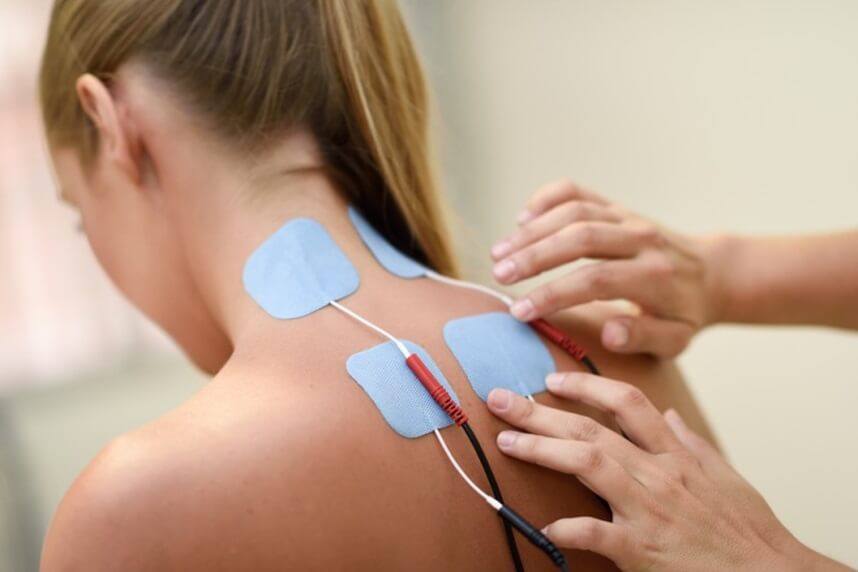
Pain can limit freedom of movement and affect daily activities. Physiotherapy uses modern methods to reduce discomfort, and one of these solutions is called TENS [1]. Below, we will explain what the TENS procedure involves, how it works, when it is indicated, what benefits it offers, and what you should pay attention to in order to enjoy this treatment safely.
What is TENS and what is its role in physiotherapy?
TENS stands for “Transcutaneous Electrical Nerve Stimulation.” The procedure is based on a device that delivers gentle electrical impulses through the skin directly to the nerves involved in pain perception. The main goal is to reduce pain without complications, injections, or side effects associated with medication use.
The TENS method was developed to help physicians manage pain efficiently using advanced medical technology. It is recommended both in recovery after trauma or surgery and for people suffering from chronic pain – for example, lower back or joint pain. The procedure is often integrated into complex treatment plans alongside other methods in clinics equipped with modern physiotherapy technologies [1][2].
How TENS works
Many people wonder how a mild electrical current can relieve pain. The TENS device uses electrical impulses that interfere with the signals transmitted by nerves to the brain. This process influences two main mechanisms:
- blocking pain transmission: electrical impulses interrupt the painful signal pathway to the brain, so the discomfort is perceived as less intense;
- stimulation of A-beta nerve fibers: these fibers carry pleasant tactile information to the central nervous system, helping “cover” part of the pain signal [1].
Types of TENS and how treatment parameters are selected
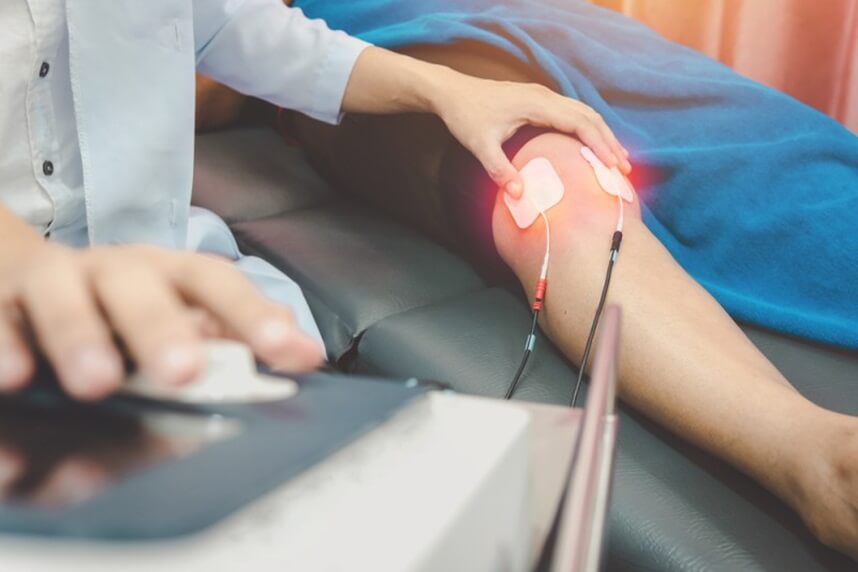
There is no universal setting suitable for all patients. The TENS procedure includes different types and configurations tailored to each case. Frequencies between 50 and 100 Hz can be used with short impulses, but they may also reach up to 150 Hz.
The intensity of impulses is adjusted so that the patient feels minimal discomfort, usually as a tolerable tingling sensation rather than additional pain. A specialist determines the appropriate parameters based on the specifics of each case [1][2][3]. You can find more details about this method in our article dedicated to electrotherapy.
Therapeutic indications for TENS
Transcutaneous electrical nerve stimulation can be used to manage various types of pain. Specialists may recommend this therapy in the following situations:
- muscle and joint pain: for example, neck pain after prolonged computer use or shoulder pain following physical exertion;
- diabetic neuropathy, when patients do not tolerate conventional treatments;
- postoperative pain or pain after injuries such as ligament tears or sprains;
- other situations: sometimes used for pain control during labor or in people with venous insufficiency who experience leg pain.
Physicians usually include TENS in comprehensive physiotherapy strategies tailored to each patient to achieve optimal results [1][2][3].
Practical steps for correct TENS application
In general, a TENS treatment session involves the following steps:
- skin cleaning: the area where electrodes are applied must be clean and dry;
- correct electrode placement: electrodes are positioned on the painful area or near the affected nerve, avoiding wounds or irritated skin;
- intensity adjustment: treatment starts at a low level and increases gradually until a mild tingling sensation appears;
- session duration: initially, sessions last 20–30 minutes. If well tolerated, the duration may be extended depending on needs.
Some medical centers also use alternative technologies, such as magnetic stimulation, suitable for certain pathologies [1][2].
Contraindications and precautions for TENS therapy
TENS is easy to apply and rarely causes side effects, but it is not suitable in all situations. The therapy is not recommended in the following cases:
- people with pacemakers or other implanted electrical devices should avoid TENS;
- individuals diagnosed with epilepsy, active tumors, or deep vein thrombosis should consult a physician before starting treatment;
- electrodes should not be applied on open wounds, irritated skin, or on the abdomen or lower back during pregnancy;
- people allergic to the gel used or highly sensitive to electrical impulses should discuss potential risks with their doctor.
Pay attention to any unpleasant reactions such as irritation, redness, or itching. Stop the treatment and inform your specialist if such symptoms occur [1][3].
Benefits and possible risks of TENS
Using TENS offers several advantages, including:
- pain reduction: relief without the need for anti-inflammatory medication;
- improved mobility: many people return to normal activities after a few treatment sessions.
Adverse reactions are rare, but some patients may notice mild local irritation. For this reason, it is recommended that the procedure be administered by a specialist [1].
TENS therapy is a modern, safe, and non-invasive method for pain relief, frequently used in physiotherapy for patients seeking a medication-free alternative. Through transcutaneous electrical nerve stimulation, TENS helps relax muscles, improve circulation, and enhance daily comfort [1][2].
At Centrokinetic, TENS treatments are part of personalized rehabilitation programs, alongside other modern physiotherapy and electrotherapy techniques. Our multidisciplinary team guides you step by step to ensure effective recovery tailored to your needs. Schedule a consultation at Centrokinetic and find out whether TENS therapy is right for you.
This article is for informational purposes only and does not replace medical consultation. For any condition or concern, consult your physician or physiotherapist.
Sources:
[1] “Transcutaneous Electrical Nerve Stimulation (TENS).” Physiopedia, 2020, www.physio-pedia.com/Transcutaneous_Electrical_Nerve_Stimulation_(TENS).
[2] “Transcutaneous Electrical Nerve Stimulation (TENS).” Cleveland Clinic, 14 June 2017, my.clevelandclinic.org/health/treatments/15840-transcutaneous-electrical-nerve-stimulation-tens.
[3] “Transcutaneous Electrical Nerve Stimulation (TENS).” Mayoclinic.org, 2025, sharedfiles.mayoclinic.org/bedside/ope/GNT-20248283.html.
BUCHAREST TEAM


































































CLUJ NAPOCA TEAM


































BRASOV TEAM


















MAKE AN APPOINTMENT
FOR AN EXAMINATION
See here how you can make an appointment and the location of our clinics.
MAKE AN APPOINTMENT
Asiguratori privati





Parteneriate



CENTROKINETIC FLOREASCA
Bucharest, 1st District,
Mircea Eliade Street, no. 18,
Eliade Tower, Entrance A, Floor 3
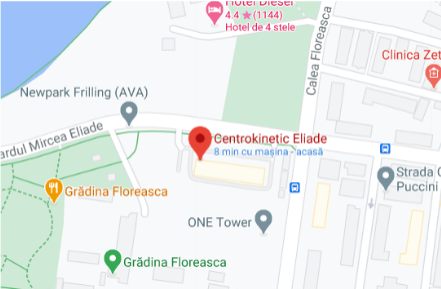
| Navigation | Explore 3D |
CENTROKINETIC Barbu Vacarescu
Bucharest, 2nd District,
Barbu Vacarescu Street, no. 102,
102 The Address, ground floor.
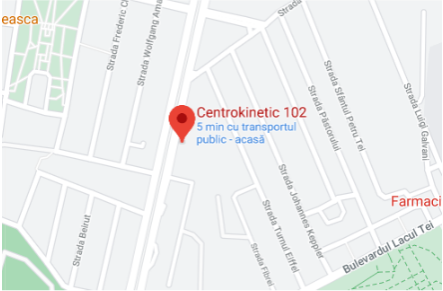
| Navigation | Explore 3D |
CENTROKINETIC MILITARI
Bucuresti, Sector 6,
Bld. Iuliu Maniu, nr. 15G,
Cladirea PBT, etaj 3.
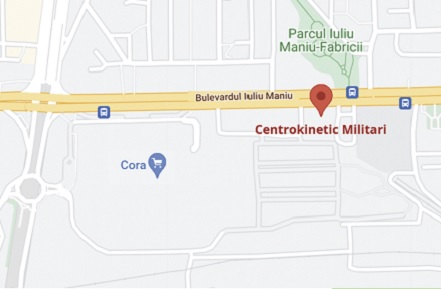
| Navigation |
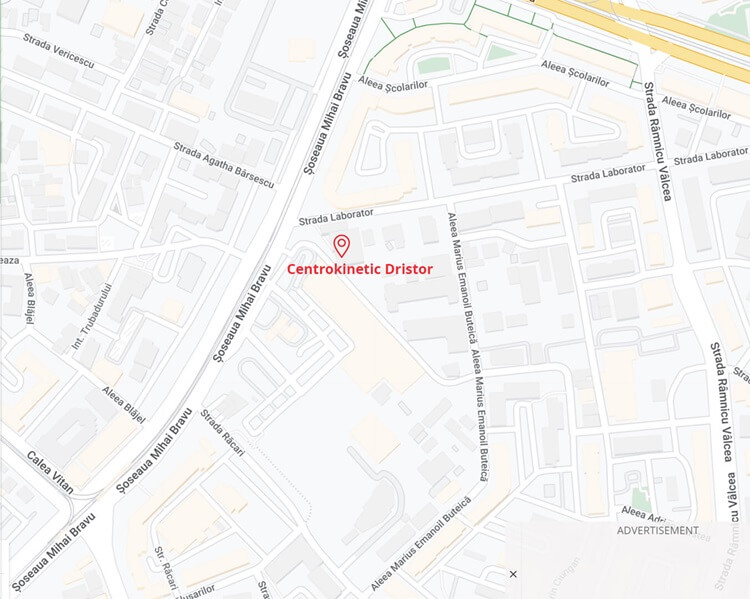
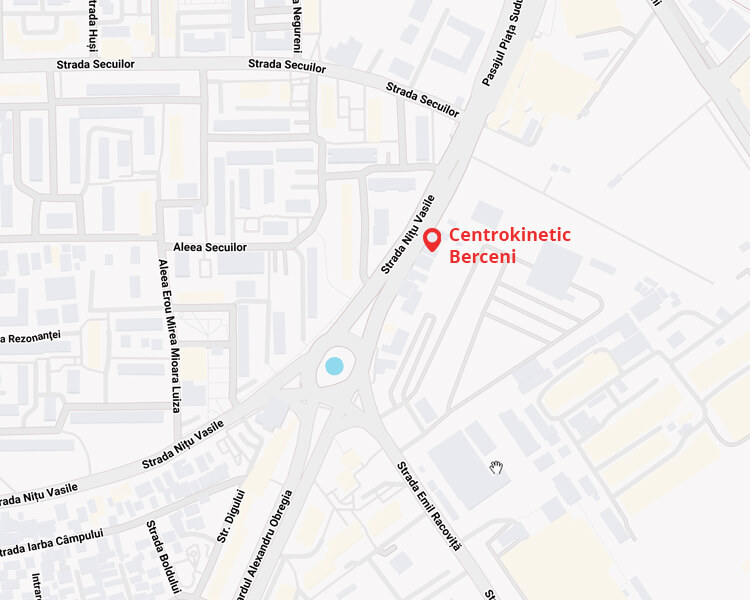
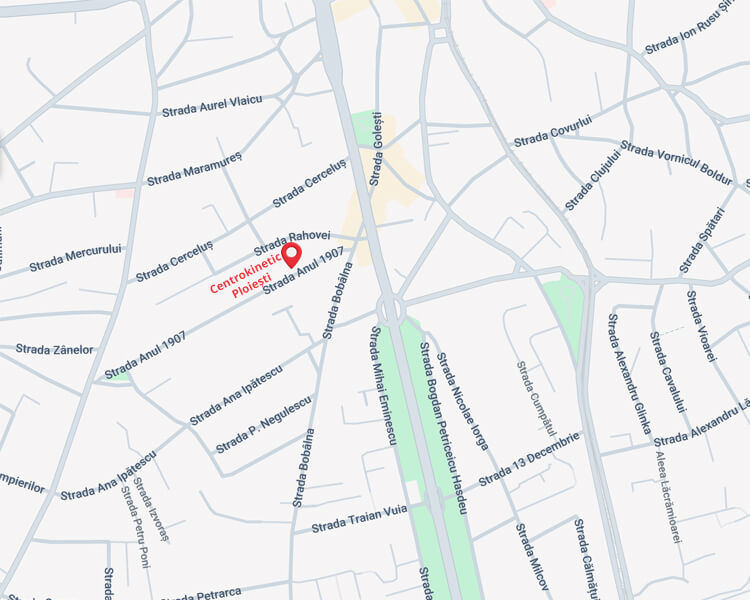
CENTROKINETIC CLUJ-NAPOCA
Cluj-Napoca,
Str. Intre Lacuri, nr.1
Intrarea este in spatele cladirii.
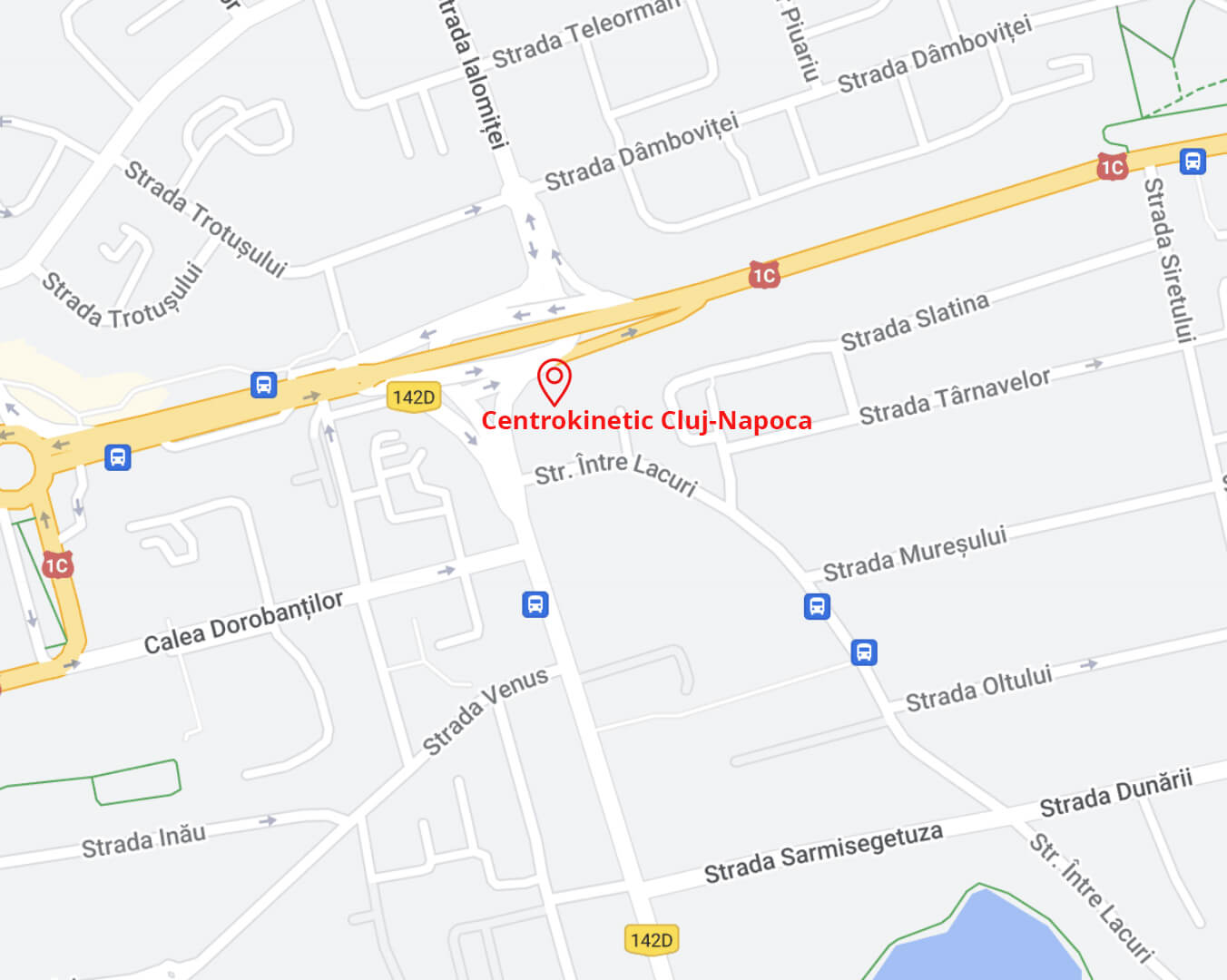
| Navigation |
SOCRATES CLINIC TIMISOARA
Timisoara, Calea Martirilor 1989,
nr. 1.
Telefon: 0371 785 374.
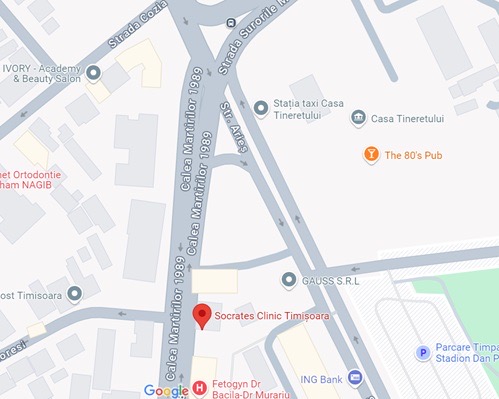
| Navigation |
CONTACT
Phone: 0319693
E-mail: programari@centrokinetic.ro
Operating hours:
Monday – Friday: 07:00 – 21:00
Saturday: 09:00 – 14:00
Sunday: closed.
MAKE AN APPOINTMENT