TREATMENT FOR GYNECOLOGICAL DYSFUNCTIONS


Gynecological pathologies and dysfunctions with a functional pelvic component represent an important category of conditions that can significantly influence physical comfort, urinary and anorectal function, sexual life, mobility, and quality of life. Symptoms such as pelvic pressure, chronic pelvic pain, pain during sexual intercourse, pelvic floor spasm, or difficulties occurring after gynecological surgery should not be considered “normal” manifestations that must be tolerated. Current guidelines support the role of functional evaluation and conservative treatment, including physiotherapy and pelvic floor rehabilitation, in many such situations, especially in mild and moderate forms or as part of a multidisciplinary approach.
Modern gynecological rehabilitation is not limited to treating a single symptom. It aims to restore the functional balance between the pelvic floor, abdominal wall, diaphragm, lumbopelvic spine, scar tissue, and the neuromuscular mechanisms involved in continence, pelvic organ support, sexual function, and pain control. In this context, treatment is individualized and focuses on reducing symptoms, improving function, increasing tolerance to daily activities, and enhancing quality of life.
Within the pelvic rehabilitation program, we address gynecological conditions in which the muscular, fascial, postural, and functional components play a relevant role in the onset or persistence of symptoms.
BOOK AN APPOINTMENT HERE for a consultation or evaluation to begin your treatment and rehabilitation program.What do we treat at Centrokinetic?
Within the rehabilitation program for gynecological pathologies and dysfunctions, we treat:
- mild and moderate pelvic organ prolapse
- pelvic floor muscle weakness
- pelvic floor hypertonicity or spasm
- chronic pelvic pain
- dyspareunia
- vaginismus
- vulvodynia and vestibulodynia
- pelvic myofascial syndrome
- endometriosis, especially the functional and pain component
- rehabilitation after gynecological surgery, including hysterectomy, prolapse surgery, and incontinence surgery
What do these conditions mean?
Pelvic organ prolapse
Pelvic organ prolapse occurs when the structures supporting the bladder, uterus, vagina, or rectum lose their supportive capacity and one or more organs descend toward or into the vagina. The patient may feel pressure, heaviness, a vaginal “bulge,” discomfort during effort, or urinary and anorectal difficulties. International guidelines describe prolapse as a support problem of the pelvic organs occurring when tissues and muscles can no longer maintain them in a normal position and include pelvic floor exercises among the recommended conservative options for symptomatic prolapse.
BOOK AN APPOINTMENT HERE for a consultation or evaluation to begin your treatment and rehabilitation program.Pelvic floor muscle weakness
Pelvic muscle weakness means reduced strength, endurance, and control of the muscles that support the pelvic organs and contribute to continence and sexual function. It may occur after pregnancy and childbirth, during perimenopause and menopause, after surgery, or in the context of chronic overload. International guidelines recommend prevention and non-surgical management strategies for pelvic floor dysfunction, including specific exercises and specialized assessment.
Pelvic floor hypertonicity or spasm
Not all pelvic dysfunctions are caused by weakness. In many cases, the muscles are excessively tense, fail to relax properly, and develop spasm, pain, or lack of coordination. Pelvic floor hypertonicity may be associated with pelvic pain, pain during intercourse, urinary difficulties, constipation, or a persistent sensation of pelvic tension. International guidelines for pelvic pain support the evaluation of pelvic floor dysfunction in chronic pain conditions.
Chronic pelvic pain
Chronic pelvic pain is defined by international guidelines as chronic or persistent pain perceived in structures related to the pelvis, frequently associated with cognitive, behavioral, sexual, and emotional consequences, and with symptoms suggestive of urinary, bowel, sexual, or pelvic floor dysfunction. It is a complex condition, often with multiple causes, requiring a multidisciplinary approach.
Dyspareunia
Dyspareunia means pain during sexual intercourse. It may have various causes: pelvic hypertonicity, vulvodynia, endometriosis, scars, hormonal changes, pain sensitization, or combinations of these. From a functional perspective, rehabilitation aims to identify the muscular, myofascial, and neuromuscular control components that may maintain the symptom. Guidelines and recent reviews in pelvic health include pelvic physiotherapy among relevant options for sexual pain associated with muscular and pelvic dysfunction.
BOOK AN APPOINTMENT HERE for a consultation or evaluation to begin your treatment and rehabilitation program.Vaginismus
Vaginismus is characterized by persistent or recurrent difficulty with vaginal penetration, often accompanied by involuntary contraction, anticipatory fear, and pain. It should not be reduced solely to a psychological issue; in many cases, there is also a significant pelvic muscular component. Studies on multimodal treatment approaches show that strategies including both physical and functional components can produce favorable results, although outcomes depend on severity, symptom duration, and integrated management.
Vulvodynia and vestibulodynia
Vulvodynia is persistent vulvar pain without a clearly identifiable cause, while vestibulodynia refers to pain localized at the vaginal vestibule. International guidelines recommend evaluating pelvic floor dysfunction in patients with vulvodynia and mention biofeedback and pelvic physiotherapy among therapeutic options for localized or generalized vulvar pain.
Pelvic myofascial syndrome
Pelvic myofascial syndrome occurs when pelvic muscles and fascia develop painful trigger points, chronic tension, hypersensitivity, and abnormal activation patterns. This type of dysfunction may generate or maintain pelvic pain, dyspareunia, and functional disorders. International pelvic pain guidelines and recent reviews support the role of physical and multimodal approaches in this type of pathology.
Endometriosis – functional and pain component
Endometriosis is a complex gynecological disease, and pelvic rehabilitation does not treat the endometriotic lesions themselves. Its role is to address the associated functional and pain components: pelvic hypertonicity, muscular sensitization, pain during movement, dyspareunia, fascial restrictions, lumbopelvic imbalances, and activity limitation. Recent reviews suggest that non-pharmacological interventions may improve pain and quality of life in endometriosis; however, the overall certainty of evidence remains low or very low, requiring realistic communication and integrated care.
Rehabilitation after gynecological surgery
After hysterectomy, prolapse surgery, or incontinence procedures, some patients may develop pain, tension, pelvic weakness, painful scars, altered abdominal function, and impaired pressure control. Rehabilitation supports functional healing, tissue mobility, and gradual return to daily activities. NICE includes conservative management and functional support in the care pathway for women with pelvic floor dysfunction and prolapse.
BOOK AN APPOINTMENT HERE for a consultation or evaluation to begin your treatment and rehabilitation program.How does gynecological rehabilitation help?
Gynecological rehabilitation aims to identify the functional mechanisms maintaining symptoms and to build an individualized treatment plan. Depending on the diagnosis, objectives may include:
- reducing the sensation of pelvic pressure
- relieving pelvic pain
- improving pelvic muscle strength and control
- normalizing muscle tone in cases of spasm or hypertonicity
- reducing pain during sexual intercourse
- optimizing tissue mobility and scar flexibility
- improving tolerance to physical effort and daily function
- post-surgical recovery after gynecological procedures
In chronic pelvic pain, a recent meta-analysis concluded that multimodal physiotherapy is effective in women, with high certainty for pain improvement.
In vulvodynia, international guidelines indicate that pelvic floor physiotherapy and biofeedback may be used in the treatment of localized and generalized vulvar pain.
In pelvic organ prolapse, conservative methods, including pelvic floor exercises, are frequently recommended, and studies have shown symptom improvement in some patients.
For the painful component of endometriosis, data are promising but must be presented cautiously: studies and reviews suggest improvements in pain and quality of life with non-pharmacological and multimodal exercise interventions, but authors emphasize the need for more rigorous research.
BOOK AN APPOINTMENT HERE for a consultation or evaluation to begin your treatment and rehabilitation program. What therapies do we use at Centrokinetic?
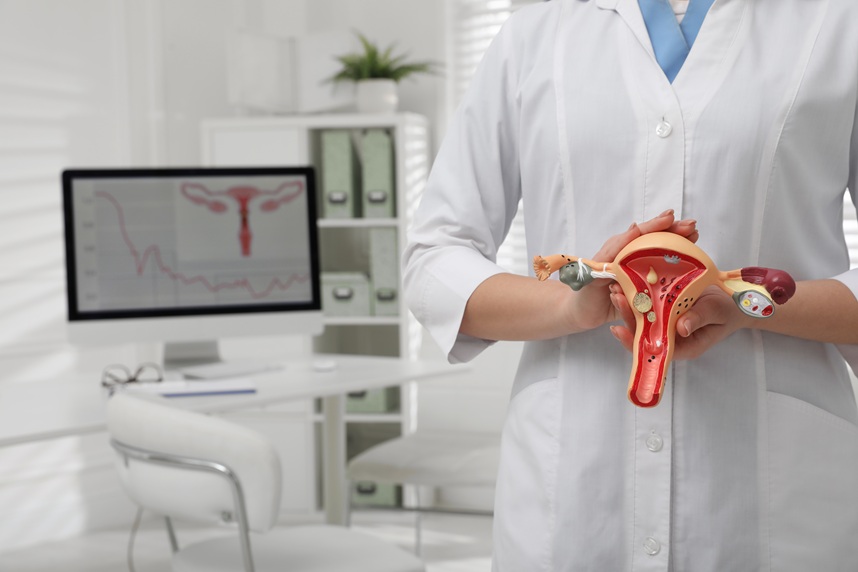
Pelvic manual therapy
Pelvic manual therapy plays a central role in conditions involving hypertonicity, spasm, fascial restrictions, trigger points, adhesions, or painful scars. It may include myofascial release techniques, tissue relaxation, gentle mobilization, and treatment of painful muscular and fascial components.
- chronic pelvic pain
- pelvic hypertonicity
- dyspareunia
- vaginismus
- vulvodynia
- pelvic myofascial syndrome
- post-gynecological surgery rehabilitation
Current evidence supports the effectiveness of multimodal physiotherapy in chronic pelvic pain and the role of physical therapy in painful pelvic dysfunction.
Kinesiotherapy
Pelvic floor kinesiotherapy is used both for muscle weakness and prolapse, as well as for retraining coordination and relaxation. Treatment does not consist only of contraction exercises, but also includes breathing control, abdomino-pelvic coordination, intra-abdominal pressure management, functional exercises, and gradual return to activity.
- mild and moderate prolapse
- pelvic muscle weakness
- post-pregnancy and postpartum recovery
- post-surgical rehabilitation
- impaired lumbopelvic control
- certain forms of pelvic pain with coordination dysfunction
NICE and Cochrane support the role of pelvic floor exercises in the conservative management of pelvic floor dysfunction and prolapse.
Therapeutic massage
Therapeutic massage is used as an adjunct method to reduce myofascial tension in the lower abdomen, lumbar region, gluteal area, and adductor muscles when these structures contribute to pain or protective muscle patterns.
Muscle electrostimulation
Muscle electrostimulation may be particularly useful when there is significant weakness and difficulty in voluntary pelvic floor recruitment. Its role is to facilitate muscle activation in selected cases within a retraining program.
Electrotherapy
Electrotherapy may be used as an adjunct method for pain control and spasm reduction. In vulvodynia, international guidelines mention TENS as an emerging treatment option.
Winback Intimity Therapy
Winback Intimity Therapy is integrated as an adjunct method in pelvic rehabilitation programs, especially when aiming for tissue comfort, relaxation, local mobility, and functional recovery. It is always used within the context of a comprehensive therapeutic plan.
Biofeedback
Biofeedback is useful for patients who have difficulty understanding whether they are correctly contracting or relaxing their pelvic muscles. In painful conditions, it can also assist in retraining muscular relaxation. International guidelines include biofeedback among treatment options for vulvodynia, and pelvic health practice frequently uses it in pelvic floor control retraining.
BOOK AN APPOINTMENT HERE for a consultation or evaluation to begin your treatment and rehabilitation program.How does treatment proceed?
Treatment begins with a detailed evaluation. At this stage, we analyze symptoms, gynecological history, obstetrical and surgical history, pain characteristics, impact on daily activities and sexual life, posture, breathing, abdominal control, and pelvic floor function.
Based on this evaluation, we build a personalized plan. In prolapse and muscle weakness, emphasis is frequently placed on neuromuscular retraining, pressure control, and functional integration. In hypertonicity, pelvic pain, dyspareunia, and vaginismus, treatment more often includes relaxation, manual therapy, muscle control retraining, desensitization, and careful progression. In endometriosis and postoperative recovery, the program is adapted to functional goals and patient tolerance.
What results can be achieved?
Results depend on the exact diagnosis, duration of symptoms, severity of dysfunction, presence of pain sensitization, surgical history, and adherence to treatment. However, international literature supports several important conclusions.
In chronic pelvic pain, multimodal physiotherapy has good evidence of effectiveness for pain reduction.
In vulvodynia and other vulvo-vaginal pain syndromes, pelvic physiotherapy and biofeedback are considered useful therapeutic options, especially when associated muscle dysfunction is present.
In mild and moderate symptomatic prolapse, pelvic floor exercises may improve symptoms and support conservative management.
In endometriosis, studies on non-pharmacological interventions and exercise programs indicate potential benefits for pain, function, and quality of life, but the certainty of evidence remains modest, so results must be communicated realistically and integrated within comprehensive gynecological treatment.
In vaginismus, multimodal programs addressing both functional and emotional components may achieve good results, but success depends greatly on case severity and stepwise management.
How can we help patients?
For many patients, rehabilitation means more than “less pain.” It means being able to move more freely, better tolerate physical effort, feel more comfortable in daily life, and regain confidence in their own body.
- reduction of pelvic pressure or heaviness
- decrease in chronic pain
- reduction of pain during intercourse
- relaxation of muscle spasm and tension
- improvement of pelvic floor strength and control
- better recovery after surgery
- improved quality of life and daily function
When is it time for an evaluation?
- you feel vaginal pressure, heaviness, or discomfort
- you have persistent pelvic pain
- you experience pain during intercourse
- you feel tension or spasm in the pelvis
- you are recovering slowly after hysterectomy, prolapse surgery, or other gynecological procedures
- you have been diagnosed with endometriosis and experience functional pain symptoms
- your symptoms affect daily activity, sports, sleep, or sexual life
An important message for patients
Many of these conditions are common but underdiagnosed or postponed. Specialized rehabilitation can play an essential role in symptom control and functional recovery, especially when started early and integrated into an appropriate therapeutic plan. Current guidelines and studies clearly support the idea that conservative treatment and pelvic physiotherapy have an important place in the management of prolapse, pelvic pain, and other gynecological dysfunctions with a functional component.
BUCHAREST TEAM










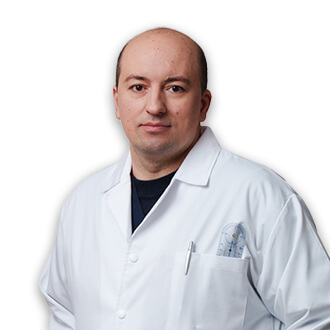



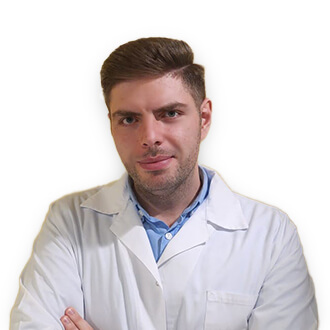





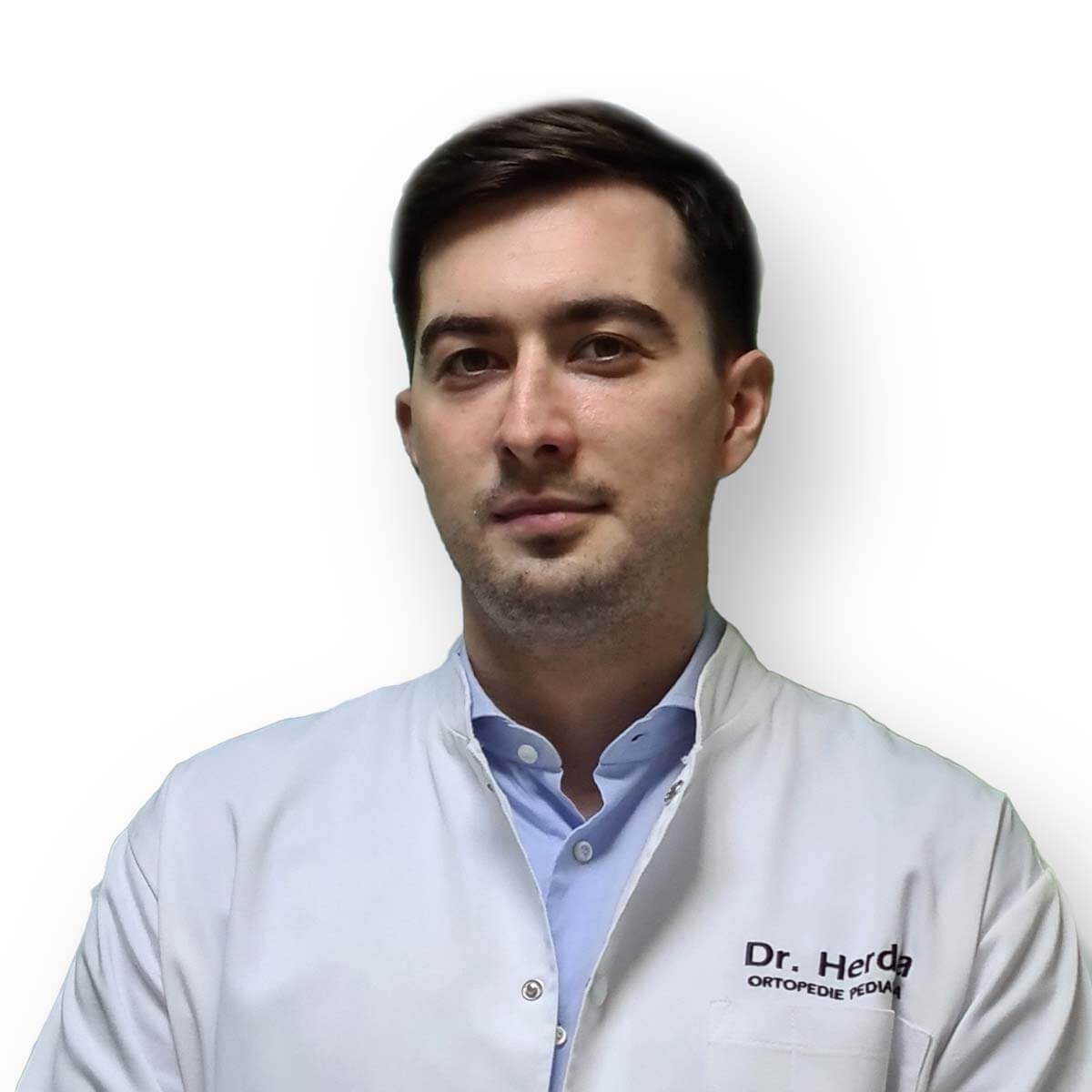


































CLUJ NAPOCA TEAM


























BRASOV TEAM











Asiguratori privati




Parteneriate



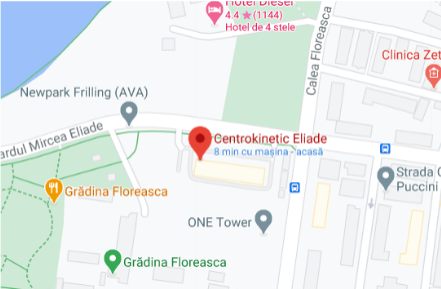
CENTROKINETIC FLOREASCA
Bucharest, 1st District,
Mircea Eliade Street, no. 18,
Eliade Tower, Entrance A, Floor 3
| Navigation | Explore 3D |
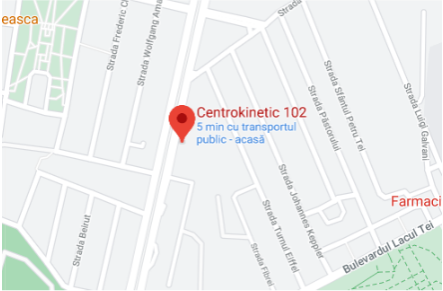
CENTROKINETIC Barbu Vacarescu
Bucharest, 2nd District,
Barbu Vacarescu Street, no. 102,
102 The Address, ground floor.
| Navigation | Explore 3D |
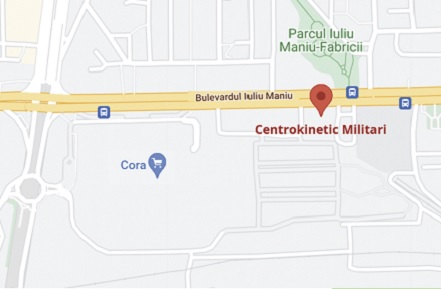
CENTROKINETIC MILITARI
Bucuresti, Sector 6,
Bld. Iuliu Maniu, nr. 15G,
Cladirea PBT, etaj 3.
| Navigation |
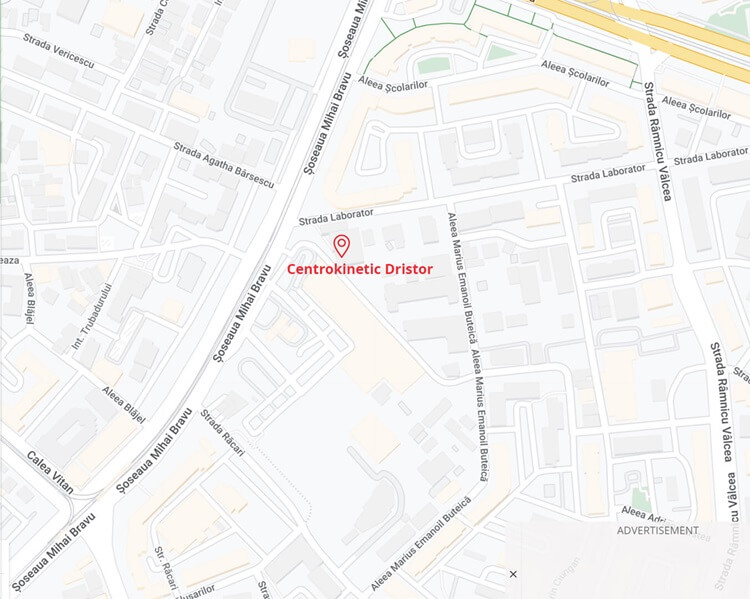
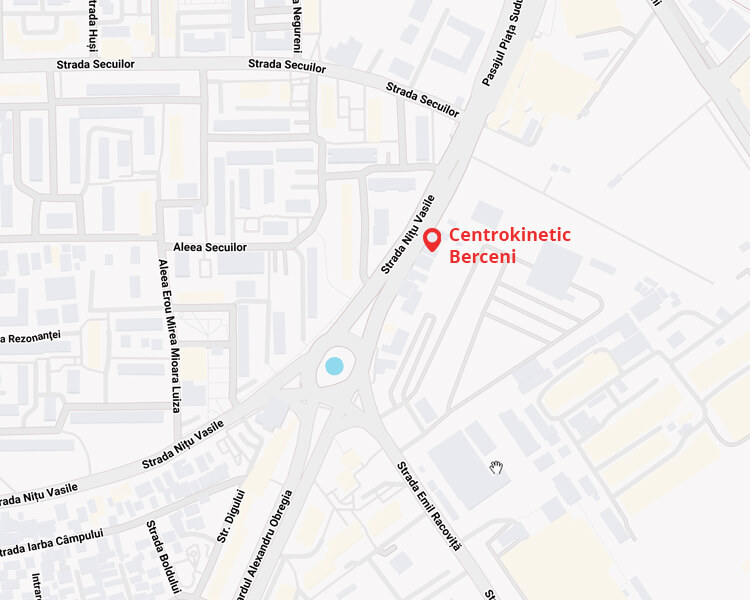
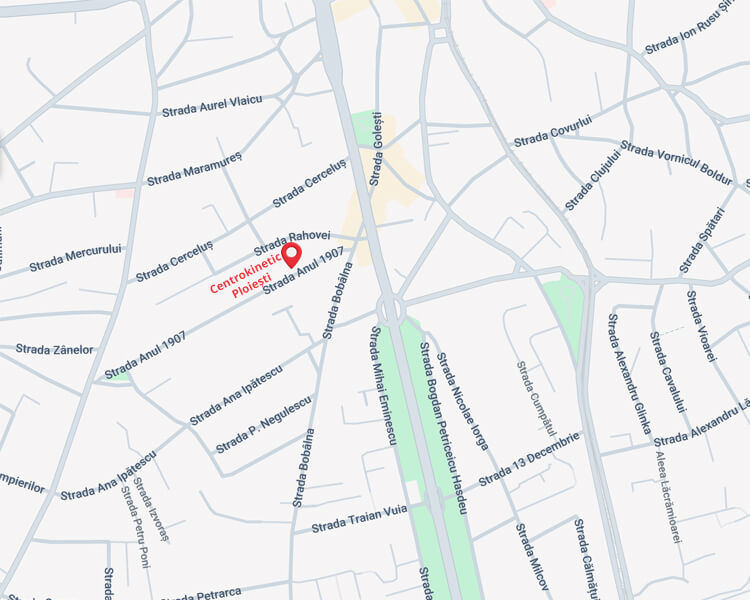
CENTROKINETIC CLUJ-NAPOCA
Cluj-Napoca,
Str. Intre Lacuri, nr.1
Intrarea este in spatele cladirii.
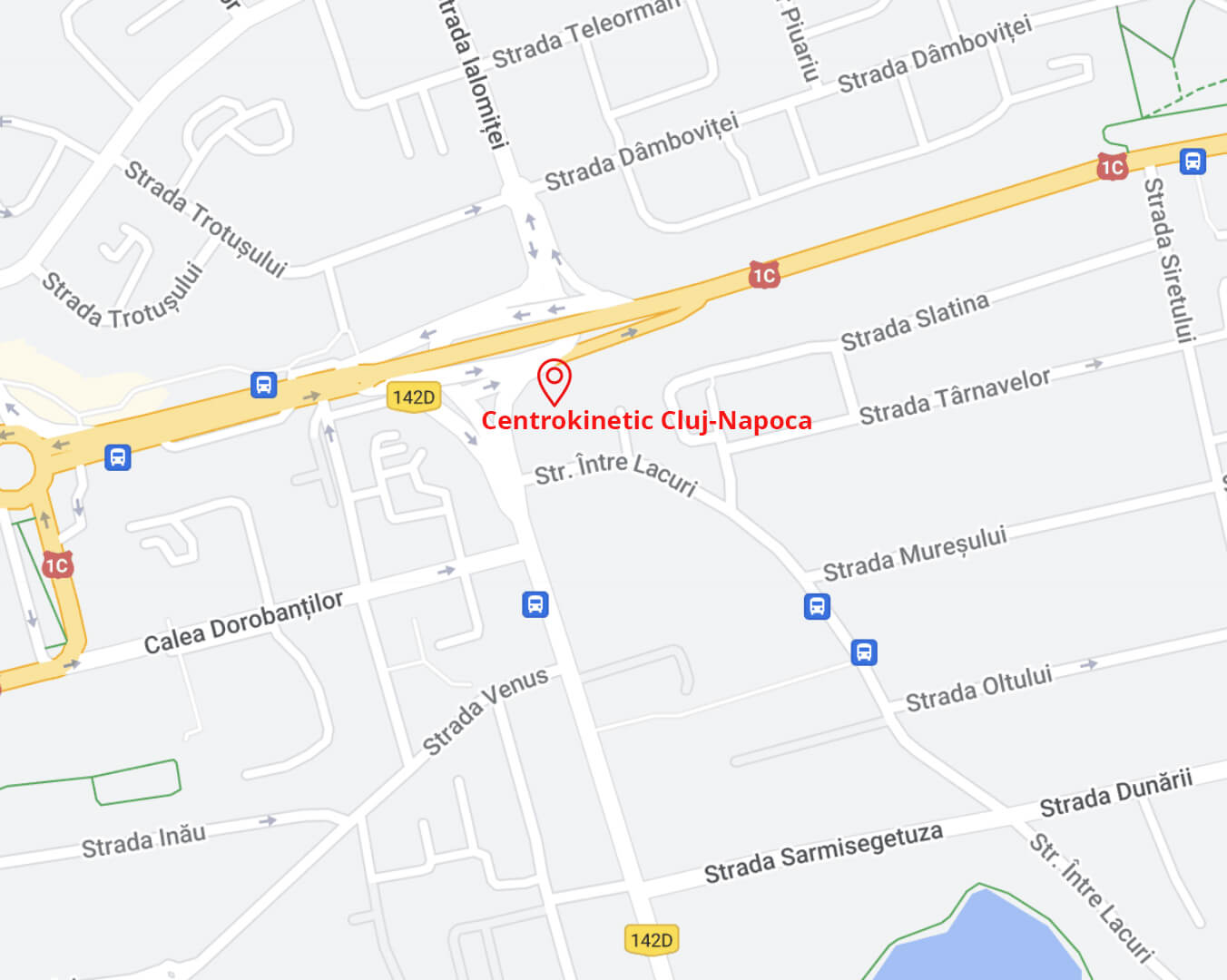
| Navigation |
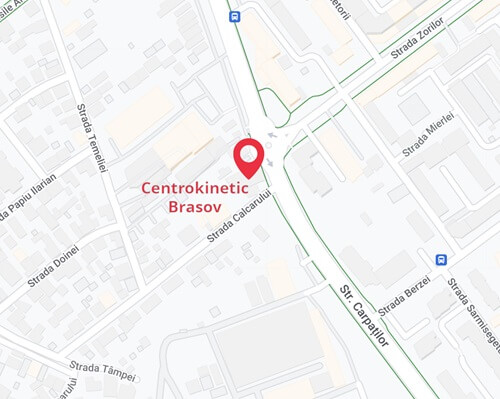
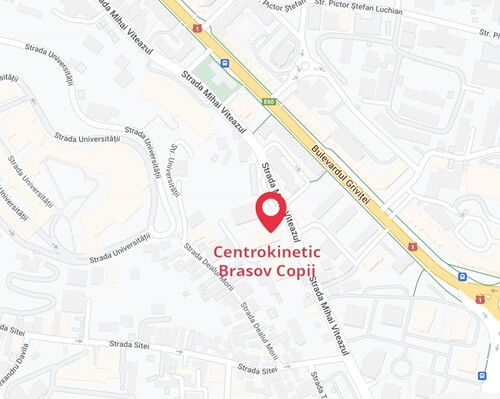
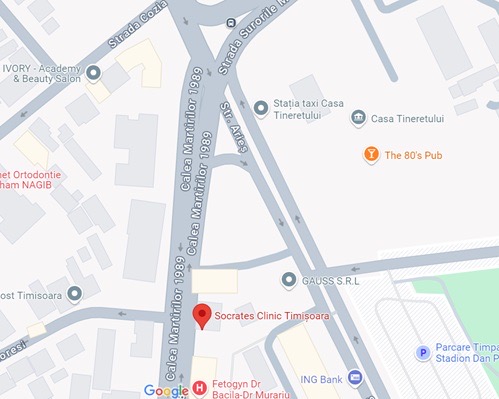
SOCRATES CLINIC TIMISOARA
Timisoara, Calea Martirilor 1989,
nr. 1.
Telefon: 0371 785 374.
| Navigation |
CONTACT
Phone: 0319693
E-mail: programari@centrokinetic.ro
Operating hours:
Monday – Friday: 07:00 – 21:00
Saturday: 09:00 – 14:00
Sunday: closed.
MAKE AN APPOINTMENT