ANORECTAL DYSFUNCTION TREATMENT


.jpg "treatment of anorectal dysfunctions")
Functional anorectal pathologies and disorders represent an important group of conditions that can significantly affect daily comfort, autonomy, social life, and overall quality of life. Symptoms such as fecal incontinence, gas incontinence, functional constipation, anorectal pain, and evacuation disorders should not be considered “normal” or inevitable problems. International gastroenterology and colorectal guidelines emphasize that these symptoms require proper evaluation and individualized management, and in many cases conservative treatment and pelvic rehabilitation play a central role.
From a functional perspective, bowel control depends on the interaction between the rectum, anal canal, sphincters, rectal sensitivity, the pelvic floor, and neuromuscular coordination during defecation. When one or more of these components do not function properly, continence difficulties, obstructed defecation, or persistent anorectal pain may occur. The Rome Foundation states that anorectal manometry and functional testing are useful for evaluating these disorders, and that biofeedback and therapeutic education form the foundation of treatment for many of them.
Within the anorectal rehabilitation program, we address both continence and evacuation symptoms, as well as the muscular and coordination components of the pelvic floor that may contribute to the clinical picture. In defecatory disorders in particular, the American Gastroenterological Association explicitly recommends pelvic floor retraining through biofeedback, preferably instead of laxatives, when evacuation dysfunction is present.
BOOK AN APPOINTMENT HERE for a consultation or evaluation to begin your treatment and rehabilitation program.What do we treat at Centrokinetic?
Within the rehabilitation program for anorectal pathologies and disorders, we treat:
- fecal incontinence
- gas incontinence
- functional constipation
- functional anorectal pain
- defecatory disorders, including pelvic dyssynergia
What do these conditions mean?
Fecal incontinence
Fecal incontinence represents the involuntary loss of liquid or solid stool. It may occur as urge-related loss, when the patient cannot reach the toilet in time, or as passive loss, without clear perception of the need to evacuate. International guidelines describe fecal incontinence as a common problem with significant social and emotional impact, usually caused by a combination of sphincter damage, sensory disorders, diarrhea, constipation, or pelvic floor dysfunction.
Gas incontinence
Gas incontinence represents the inability to control the release of intestinal gas. Although often minimized, it can significantly affect social comfort and may occur through mechanisms similar to fecal incontinence, including impaired sphincter control, muscular weakness, rectal hypersensitivity, or coordination disorders. International pelvic floor health organizations state that loss of control may range from difficulty controlling gas to loss of liquid or solid stool.
Functional constipation
Functional constipation does not simply mean infrequent bowel movements. It may include the sensation of incomplete evacuation, excessive straining during defecation, hard stools, a feeling of blockage, and the need for manual maneuvers to evacuate. International guidelines emphasize that this condition has multiple causes and requires individualized evaluation, especially when symptoms persist despite simple measures. In some cases, apparently “common” constipation actually conceals an evacuation disorder due to pelvic floor dysfunction.
Functional anorectal pain
Functional anorectal pain is pain localized in the anorectal area in the absence of an obvious structural cause explaining the symptom. International guidelines include syndromes such as levator ani syndrome and proctalgia fugax, defined clinically and frequently associated with muscular tension, spasm, or pelvic floor coordination disorders. In these cases, treatment focuses on reducing muscle tension, functional retraining, and pain control.
Defecatory disorders (pelvic dyssynergia)
Pelvic dyssynergia, also called a defecatory disorder, occurs when the pelvic floor muscles and anal sphincter do not relax properly during evacuation or paradoxically contract. The result is difficult, incomplete, and frustrating defecation despite the sensation of urgency. International guidelines note that these patients may also have slow colonic transit, which sometimes improves after treating the evacuation disorder, and biofeedback is recommended as the primary therapy.
BOOK AN APPOINTMENT HERE for a consultation or evaluation to begin your treatment and rehabilitation program.How does anorectal rehabilitation help?
Anorectal rehabilitation aims to identify the dominant functional mechanism and build a personalized therapeutic plan. Depending on the diagnosis, treatment objectives may include:
- reducing fecal or gas leakage
- improving sphincter and pelvic floor control
- reducing straining during defecation
- improving muscle relaxation during evacuation
- reducing the sensation of incomplete evacuation
- relieving functional anorectal pain
- increasing safety and comfort in daily life
For defecatory disorders, international guidelines recommend pelvic floor retraining through biofeedback, not just laxative treatment, and the Rome Foundation considers education and biofeedback core elements in management. For fecal incontinence, international guidelines emphasize conservative and individualized management as an essential stage of treatment.
What therapies do we use at Centrokinetic?
Kinesiotherapy
Kinesiotherapy plays a role in pelvic floor retraining and optimizing coordination between the abdominal muscles, diaphragm, pelvic floor, and the evacuation mechanism. In anorectal incontinence, the focus may be on control and recruitment; in dyssynergia, emphasis is mainly placed on relaxation, timing, and coordination during defecation.
- fecal incontinence
- gas incontinence
- constipation with an evacuation component
- pelvic dyssynergia
- functional anorectal pain associated with muscular tension
These interventions are aligned with AGA and Rome Foundation recommendations for pelvic retraining in defecatory disorders.
BOOK AN APPOINTMENT HERE for a consultation or evaluation to begin your treatment and rehabilitation program.Biofeedback
Biofeedback is one of the most important therapies in anorectal rehabilitation. With the help of sensors and visual feedback, the patient learns whether she is contracting or relaxing correctly, how the muscles respond during evacuation effort, and how to correct abnormal activation patterns. In pelvic dyssynergia, international guidelines recommend biofeedback as the preferred treatment, and recent clinical reviews frequently report long-term success rates of approximately 60% or more in defecatory disorders.
Pelvic manual therapy
Manual therapy is particularly useful when there is spasm, hypertonicity, or muscular sensitivity at the level of the pelvic floor and anorectal structures. It can contribute to reducing tension, relieving pain, and facilitating more efficient evacuation in patients with a myofascial component or relaxation dysfunction. This approach is compatible with Rome recommendations for functional anorectal pain syndromes.
Therapeutic massage
Therapeutic massage has an adjunct role and may be used to reduce tension in the gluteal, adductor, lower abdominal, and lumbopelvic muscles when they contribute to overall symptomatology or protective muscle patterns.
Muscle electrostimulation
Muscle electrostimulation may be integrated in selected cases, especially when there is reduced muscular control or difficulty with voluntary recruitment. Its role is adjunctive and determined according to the clinical picture, tolerance, and functional objectives.
Electrotherapy
Electrotherapy may be used as an adjunct method for pain control or neuromodulation in certain contexts; however, the foundation of treatment remains functional assessment and specific retraining of the involved mechanism. In functional anorectal pain, some clinical resources also include electrostimulation or electrogalvanization among available options.
Winback Intimity Therapy
Winback Intimity Therapy may be integrated as an adjunct method for local comfort, tissue relaxation, and functional recovery, always within the context of an individualized therapeutic plan.
BOOK AN APPOINTMENT HERE for a consultation or evaluation to begin your treatment and rehabilitation program.How does treatment proceed at Centrokinetic?
Treatment begins with a detailed evaluation, in which we analyze symptoms, stool frequency and consistency, evacuation effort, sensation of incomplete evacuation, leakage episodes, obstetrical and surgical history, pain, and pelvic floor function. Depending on the medical context, investigations such as anorectal manometry and other functional tests may be useful, as recommended by international guidelines.
After evaluation, we build a personalized plan. In fecal incontinence, treatment aims to improve control and reduce leakage. In functional constipation and dyssynergia, emphasis is frequently placed on retraining relaxation and coordination during evacuation. In functional anorectal pain, priorities include reducing spasm, controlling pain, and normalizing muscle function. International guidelines support differentiating treatment according to the predominant mechanism.
What results can be achieved?
Results depend on the exact diagnosis, symptom severity, duration, the presence of other digestive or neurological conditions, and the patient’s consistency in the program. However, international data clearly support the role of rehabilitation in specific situations.
In defecatory disorders, biofeedback has the strongest evidence and is recommended by international guidelines as the preferred treatment over laxatives. Clinical reviews frequently report long-term success rates of around 60% or more for patients with pelvic dyssynergia.
In fecal incontinence, conservative treatment may reduce episode frequency, improve control, and enhance quality of life, but the magnitude of response varies depending on the dominant cause, such as diarrhea, constipation, sphincter damage, or neurological impairment. International guidelines emphasize individualized and stepwise approaches.
In functional anorectal pain, pelvic retraining, biofeedback, and muscle relaxation therapies may help reduce pain and spasm in carefully selected patients, especially when pelvic floor tension is present. International guidelines include biofeedback and pelvic therapy among relevant treatments for these syndromes.
How can we help patients at Centrokinetic?
For many patients, anorectal rehabilitation means more than controlling a symptom. It means being able to go to work without anxiety, travel without fear, not organizing the day around toilets, and reducing discomfort, pain, and frustration related to bowel function.
- fewer fecal or gas leakage episodes
- more efficient and less frustrating evacuation
- less straining during defecation
- reduced anorectal pain
- greater safety and freedom in daily life
- improved quality of life and confidence
When is it time for an evaluation?
- you experience fecal or gas leakage
- you have persistent constipation with a sensation of blockage or incomplete evacuation
- you strain excessively during defecation
- you have anorectal pain without a clear explanation
- your symptoms persist despite usual treatments
- your bowel function affects your daily activities, social life, or well-being
An important message for patients
Anorectal symptoms are common but often postponed due to embarrassment or discomfort. In reality, many of them can be effectively evaluated and treated, especially when the functional mechanism involved is correctly identified. International guidelines and reviews clearly support the role of pelvic rehabilitation—particularly biofeedback and muscular retraining—in anorectal incontinence and defecatory disorders.
MAKE AN APPOINTMENT
FOR AN EXAMINATION
See here how you can make an appointment and the location of our clinics.
MAKE AN APPOINTMENT
BUCHAREST TEAM








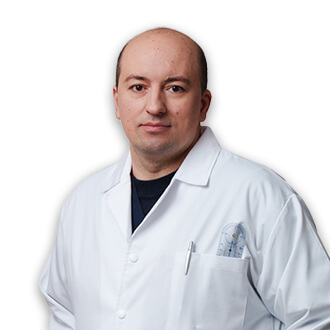

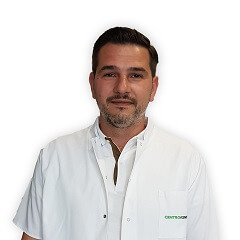

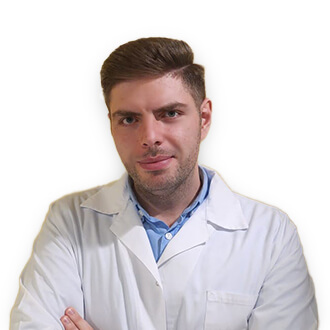





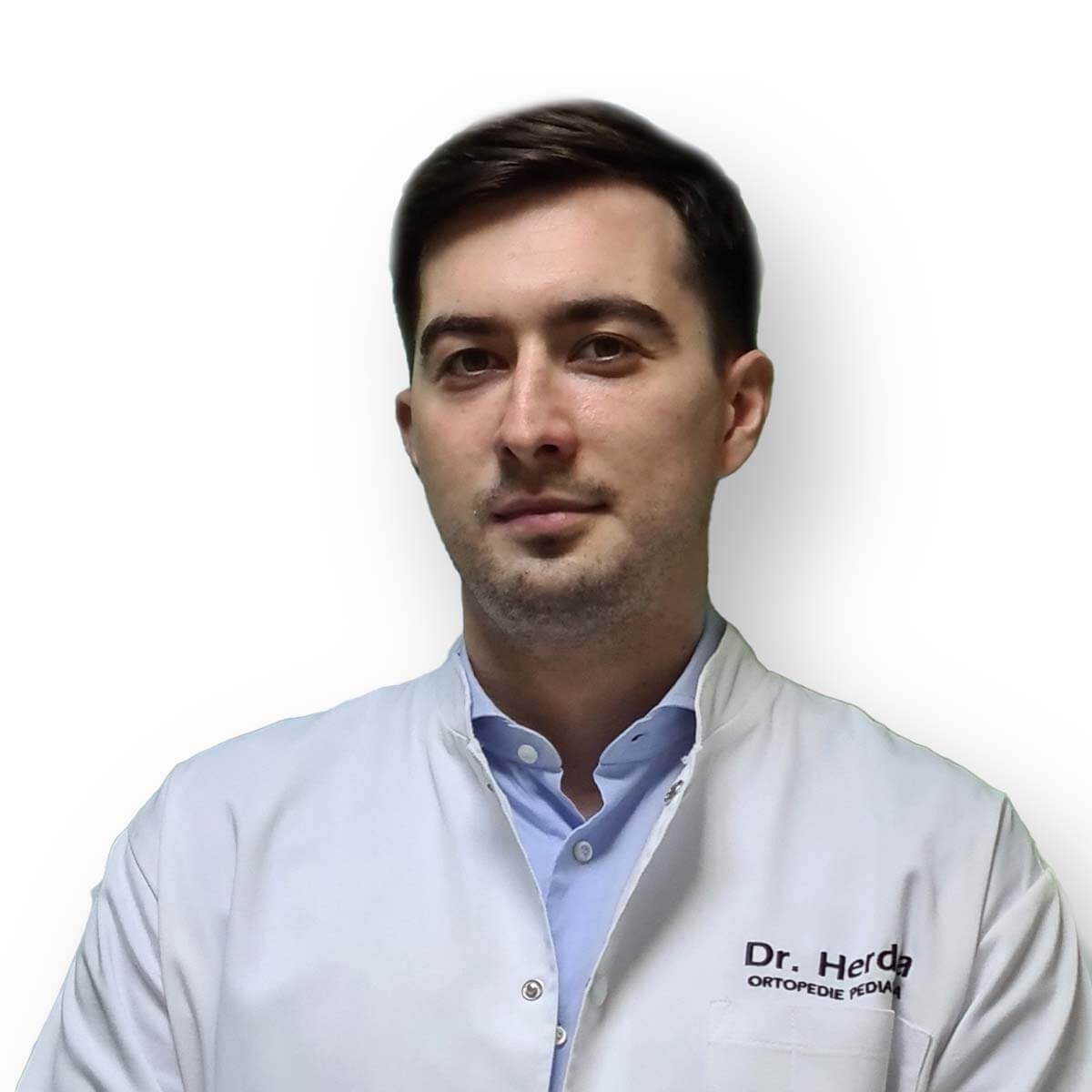



































CLUJ NAPOCA TEAM











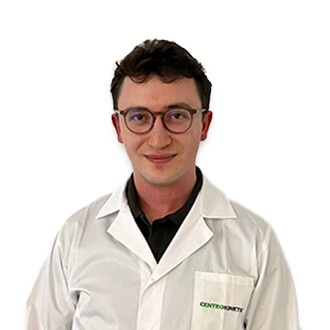
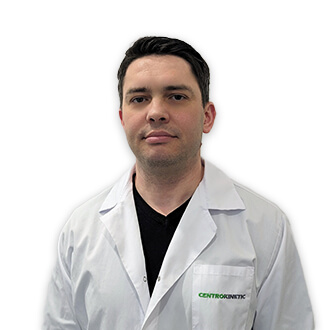

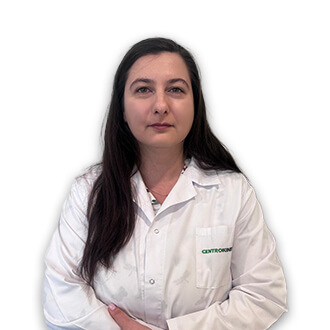






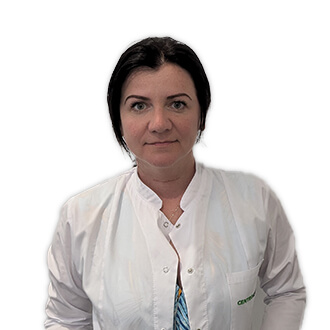


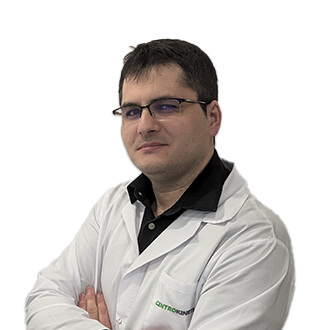

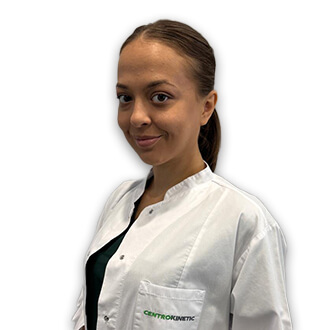
BRASOV TEAM
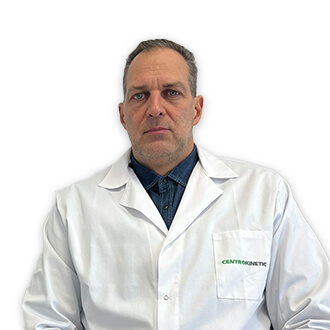

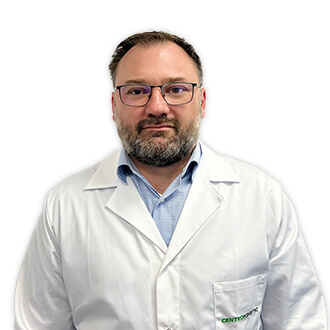










Asiguratori privati




Parteneriate


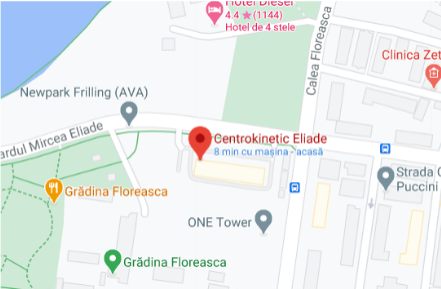
CENTROKINETIC FLOREASCA
Bucharest, 1st District,
Mircea Eliade Street, no. 18,
Eliade Tower, Entrance A, Floor 3
| Navigation | Explore 3D |
CENTROKINETIC Barbu Vacarescu
Bucharest, 2nd District,
Barbu Vacarescu Street, no. 102,
102 The Address, ground floor.
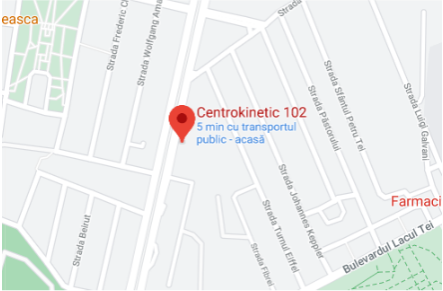
| Navigation | Explore 3D |
CENTROKINETIC MILITARI
Bucuresti, Sector 6,
Bld. Iuliu Maniu, nr. 15G,
Cladirea PBT, etaj 3.
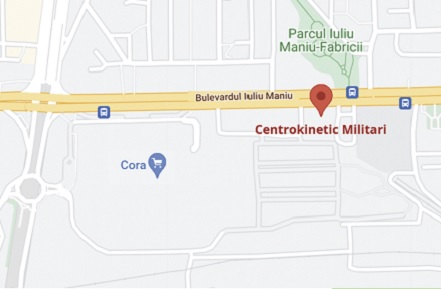
| Navigation |
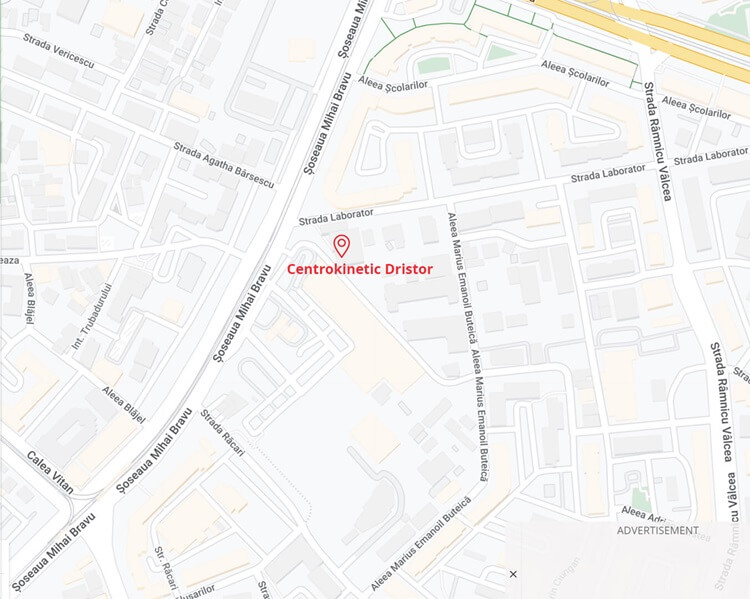
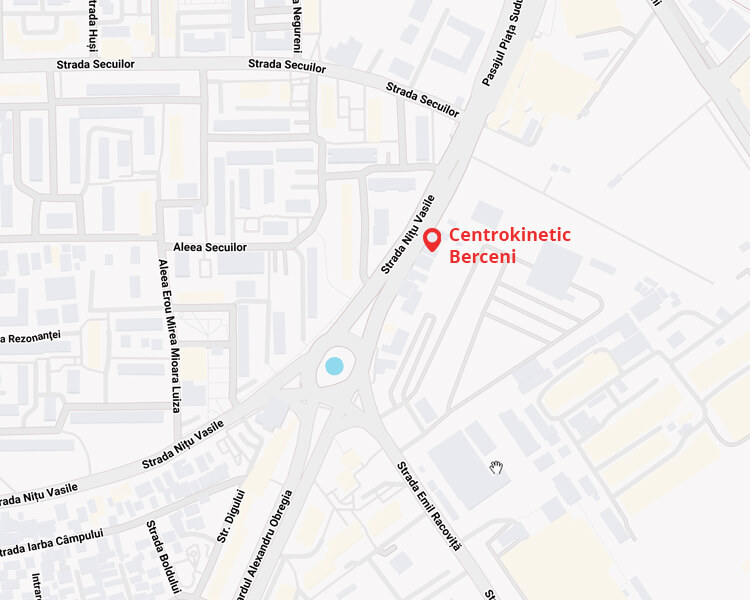
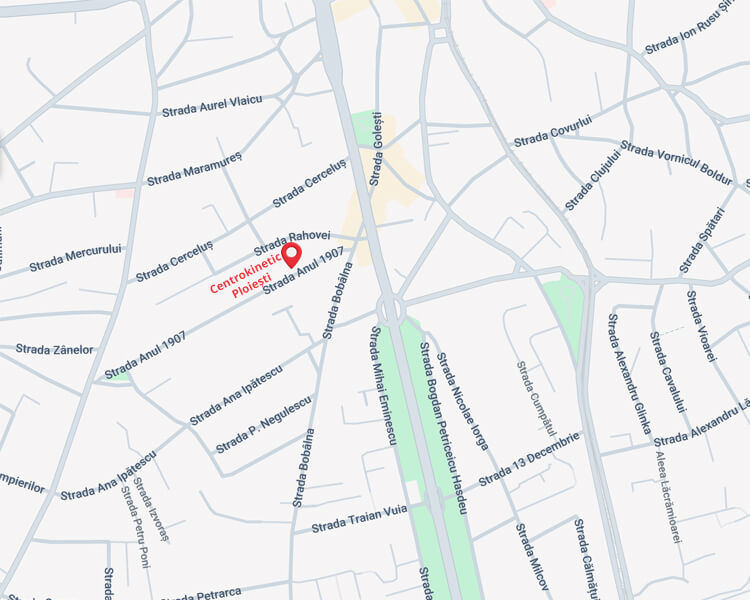
CENTROKINETIC CLUJ-NAPOCA
Cluj-Napoca,
Str. Intre Lacuri, nr.1
Intrarea este in spatele cladirii.
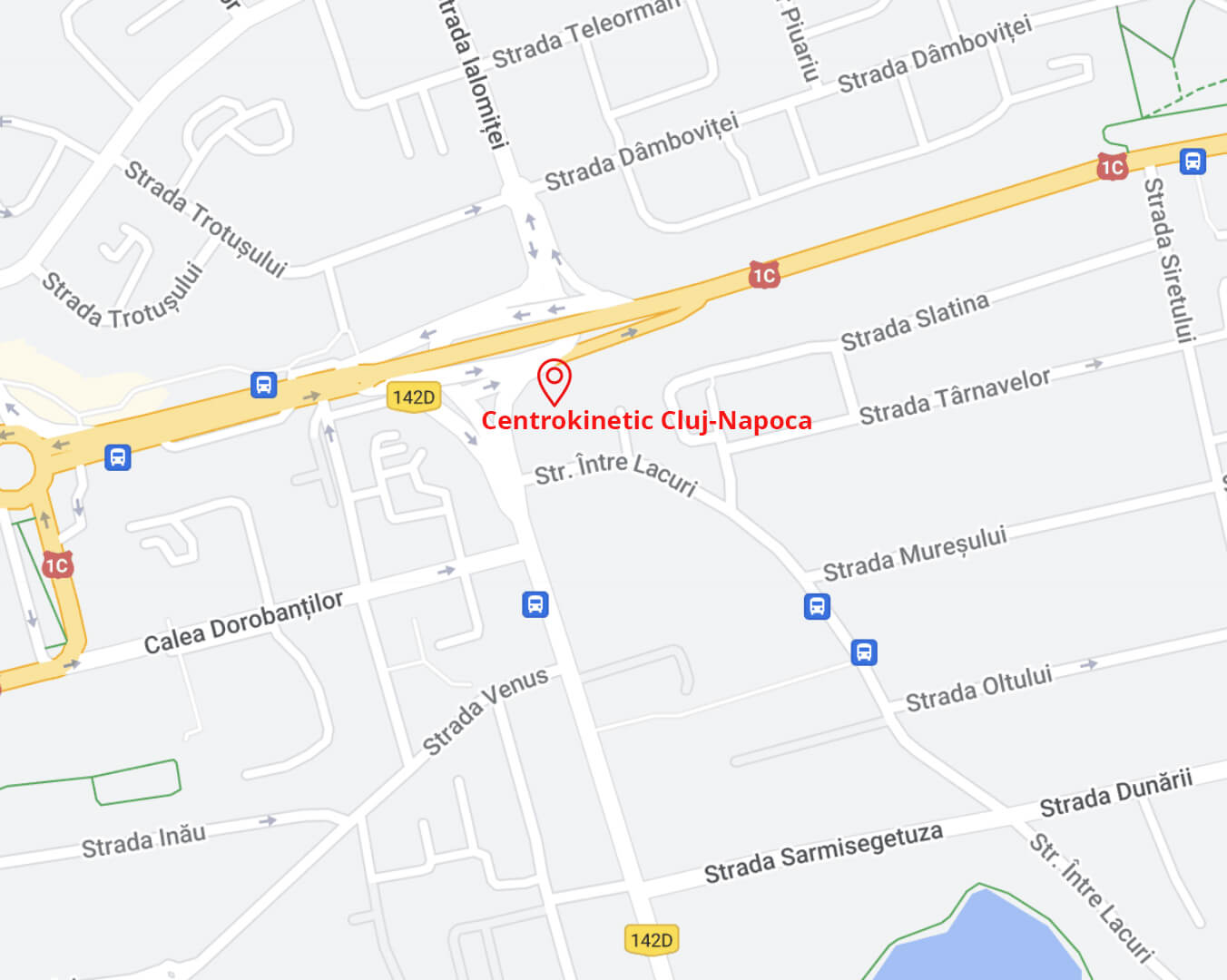
| Navigation |
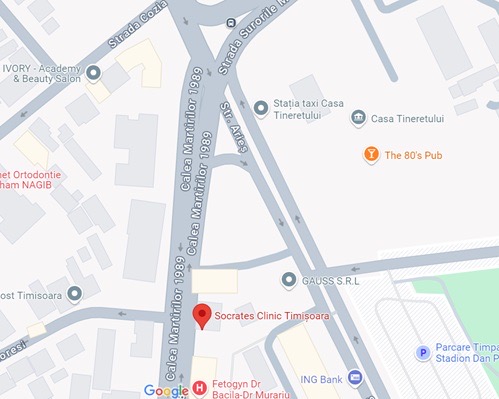
SOCRATES CLINIC TIMISOARA
Timisoara, Calea Martirilor 1989,
nr. 1.
Telefon: 0371 785 374.
| Navigation |
CONTACT
Phone: 0319693
E-mail: programari@centrokinetic.ro
Operating hours:
Monday – Friday: 07:00 – 21:00
Saturday: 09:00 – 14:00
Sunday: closed.
MAKE AN APPOINTMENT