GENITOURINARY SYNDROME TREATMENT



Genitourinary syndrome of menopause (GSM) represents a group of symptoms and clinical changes that occur in the context of decreased estrogen and androgen levels in the genitourinary tract during perimenopause and postmenopause. According to international guidelines, GSM includes vulvo-vaginal, urinary, and sexual symptoms such as vaginal dryness, burning, irritation, dysuria, urinary urgency, increased urinary frequency, recurrent urinary tract infections, dyspareunia, and bleeding during intercourse. The same guidelines emphasize that diagnosis is primarily clinical, based on symptoms, with or without associated local signs, after excluding other causes.
Unlike hot flashes, which may decrease over time, symptoms of genitourinary syndrome of menopause tend to persist or worsen if left untreated. International guidelines indicate that GSM affects quality of life, intimate comfort, sexual function, and a patient’s relationship with her own body. Prevalence estimates in postmenopausal women vary widely, from 13% to 87%, depending on the population studied and the criteria used.
BOOK AN APPOINTMENT HERE for a consultation or evaluation to begin your treatment and rehabilitation program.Modern GSM treatment must be understood as an integrated approach. Current guidelines first recommend proper symptom evaluation and treatment selection based on severity, functional impact, and medical context. In mild cases, non-hormonal measures may be sufficient. In moderate or persistent cases, local vaginal estrogen therapy has one of the strongest scientific supports. Pelvic rehabilitation plays an important role, especially in patients where GSM is associated with muscle weakness, hypertonicity, urinary incontinence, pain during intercourse, muscle spasm, or associated sexual dysfunction.
What is genitourinary syndrome of menopause?
Genitourinary syndrome of menopause reflects the changes produced by hormonal deficiency at the level of the vulva, vagina, urethra, and urinary bladder. Tissues become thinner, more fragile, less lubricated, and less elastic, and these changes may generate symptoms that affect daily and sexual life. International guidelines describe GSM as a spectrum of symptoms and signs resulting from decreased sex hormones in the genitourinary tract during the menopausal transition and after menopause.
What symptoms may occur?
Genitourinary syndrome of menopause may present with:
- vaginal dryness
- burning sensation or local irritation
- vulvo-vaginal discomfort
- pain during sexual intercourse
- bleeding or sensitivity during intercourse
- sensation of pressure or tissue fragility
- frequent urination
- urinary urgency
- dysuria
- recurrent urinary tract infections
- sometimes worsening of pre-existing urinary or sexual symptoms
International guidelines mention that genital, urinary, and sexual symptoms may occur together or separately, and that the severity of objective signs does not always perfectly correlate with the intensity of symptoms experienced by the patient.
How does it affect patients’ lives?
For many women, GSM means more than vaginal dryness. It may involve avoidance of sexual contact, fear of pain, discomfort while walking, constant local irritation, frequent urination, sleep disturbances, and reduced confidence in one’s own body. Guidelines and educational materials from menopause societies indicate that GSM can significantly affect quality of life, sexual function, and interpersonal relationships.
How do we treat genitourinary syndrome of menopause at Centrokinetic?
Treatment must be individualized. It is important to clearly state that pelvic rehabilitation is highly useful but does not replace other treatments when indicated. Particularly in moderate or severe vulvo-vaginal atrophy, current guidelines assign a central role to local vaginal therapy, and rehabilitation complements treatment when there is also a muscular, functional, or pain-related component.
Non-hormonal measures
In mild cases or in patients who do not wish to use hormonal treatment, options include:
- vaginal lubricants for sexual intercourse
- vaginal moisturizing creams, gels, or suppositories
- local protective measures and appropriate intimate hygiene
International guidelines recommend lubricants and vaginal moisturizers as first-line options in some cases and specify that they may be used alone or in combination with other treatments, depending on symptoms.
Local vaginal therapy
For persistent or moderate symptoms, local vaginal estrogen therapy is one of the best-supported options. International guidelines support the use of local treatment in symptomatic patients, including for dryness, dyspareunia, and certain associated urinary symptoms. The 2025 guideline also supports local estrogen for reducing the risk of recurrent urinary tract infections in postmenopausal women with GSM and documented recurrent episodes.
Pelvic rehabilitation
Pelvic rehabilitation plays a very important role when GSM is associated with:
- pelvic floor weakness
- urinary incontinence
- muscle hypertonicity or spasm
- pain during sexual intercourse
- fear of penetration
- tissue restrictions and decreased local mobility
- sexual dysfunction associated with pain or poor muscle control
International guidelines explicitly state that pelvic floor exercises can help both strengthen weak muscles and relax overly tense muscles, and pelvic physiotherapy is an available option for treating incontinence and associated functional symptoms.
BOOK AN APPOINTMENT HERE for a consultation or evaluation to begin your treatment and rehabilitation program.What therapies do we use at Centrokinetic?
Pelvic floor physiotherapy
Physiotherapy is particularly useful when menopause is associated with pelvic muscle weakness, urinary incontinence, a sensation of pelvic instability, or difficulty controlling pressure during effort. Treatment aims to:
- correctly identify pelvic floor muscles
- improve muscle strength and endurance
- coordinate with breathing and abdominal muscles
- achieve better intra-abdominal pressure control
- integrate muscle function into daily activities
Evidence regarding pelvic rehabilitation in GSM is more limited than for local estrogen therapy, but feasibility studies and articles suggest benefits on symptoms and function, especially when incontinence and muscular components are present. The level of certainty is more modest compared to local estrogen therapy.
Pelvic manual therapy
Pelvic manual therapy is particularly valuable when the patient experiences pain during intercourse, local tension, vulvo-vaginal sensitivity, or associated muscle spasm. Through gentle tissue relaxation and myofascial techniques, the muscular component of pain can be reduced and local tolerance improved.
Biofeedback
Biofeedback helps the patient understand whether pelvic floor muscles are too weak, too tense, or poorly coordinated. It is especially useful when GSM is associated with incontinence or difficulty relaxing during intercourse or examination.
Therapeutic massage
Therapeutic massage has an adjunct role in reducing myofascial tension in the lower abdominal, lumbopelvic, and adductor regions when these structures contribute to overall symptoms.
Muscle electrostimulation
Electrostimulation may be useful in selected cases of pelvic muscle weakness and menopause-associated incontinence when voluntary activation is difficult. Its role is complementary, not central, in GSM management.
Electrotherapy
Electrotherapy may be used adjunctively for pain control and local comfort in carefully selected patients but does not represent the main treatment for the atrophic changes specific to GSM.
BOOK AN APPOINTMENT HERE for a consultation or evaluation to begin your treatment and rehabilitation program.Winback Intimity Therapy
Winback Intimity Therapy may be integrated as an adjunct method for tissue comfort, local mobility, and relaxation within a personalized therapeutic plan. Evidence specific to GSM is more limited than for guideline-supported treatments, so we use it as functional support rather than as a standalone therapy.
How does treatment proceed?
Treatment begins with careful evaluation of symptoms. We analyze:
- type of vaginal, urinary, and sexual symptoms
- severity of dryness and pain
- presence of urinary incontinence or urgency
- presence of hypertonicity or muscle weakness
- impact on sexual life and daily activities
- gynecological, urological, and hormonal history
After evaluation, we build a personalized plan. For some patients, treatment will mainly include education, local hydration, and pelvic rehabilitation. For others, rehabilitation will proceed in parallel with local vaginal treatment recommended by a gynecologist. If significant urinary symptoms or recurrent urinary tract infections are present, coordination with gynecology or urology is essential.
What results can be achieved?
Results depend on severity of atrophy, duration of symptoms, presence of associated muscle pain, urinary incontinence, and patient adherence to treatment.
The strongest international evidence supports:
- improvement of genitourinary symptoms through appropriate local vaginal treatment
- reduction of pain during intercourse and dryness
- improvement of certain associated urinary symptoms
- reduction in risk of recurrent urinary tract infections in some patients treated with local vaginal estrogen
- additional functional benefits when rehabilitation addresses associated muscular components
It is important to state clearly: for GSM, the strongest evidence base is for local therapies recommended in guidelines, and pelvic rehabilitation has a very useful complementary role, especially in patients with incontinence, dyspareunia, hypertonicity, or associated muscle weakness.
BOOK AN APPOINTMENT HERE for a consultation or evaluation to begin your treatment and rehabilitation program.What do international guidelines say?
International guidelines recommend:
- symptom-based diagnosis and clinical evaluation
- use of lubricants and moisturizers in mild cases or as adjunct therapy
- use of local vaginal estrogen for vulvo-vaginal symptoms and certain associated urinary symptoms
- avoidance of vaginal laser treatment outside clinical trials
- individualized evaluation in patients with oncologic history or special situations
International guidelines also specify that vaginal laser treatment should not be offered for genitourinary symptoms of menopause outside a randomized controlled trial.
How can we help patients at Centrokinetic?
For many women, GSM treatment means more than reducing vaginal dryness. It means:
- less daily discomfort
- resuming sexual life with less pain
- reduced anxiety related to sexual contact
- better urinary control if incontinence is present
- greater safety and comfort in daily activities
- regaining confidence in their own body
When is it time for an evaluation?
- you have persistent vaginal dryness
- you experience burning, irritation, or local discomfort
- you have pain during sexual intercourse
- you have new or worsening urinary symptoms after menopause
- you have recurrent urinary tract infections
- you have menopause-associated urinary incontinence
- your symptoms affect your intimate life, sleep, comfort, or well-being
An important message for patients
Genitourinary syndrome of menopause is common but should not be normalized or endured in silence. Effective treatment options exist, and the correct approach is personalized. In many cases, the combination of medically recommended local treatment and pelvic rehabilitation for the functional component provides the best results for comfort, function, and quality of life.
BOOK AN APPOINTMENT HERE for a consultation or evaluation to begin your treatment and rehabilitation program.BUCHAREST TEAM




























































CLUJ NAPOCA TEAM
































BRASOV TEAM


















MAKE AN APPOINTMENT
FOR AN EXAMINATION
See here how you can make an appointment and the location of our clinics.
MAKE AN APPOINTMENT
Asiguratori privati




Parteneriate



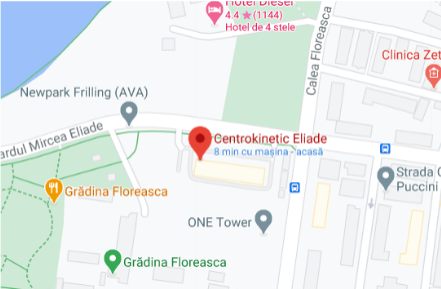
CENTROKINETIC FLOREASCA
Bucharest, 1st District,
Mircea Eliade Street, no. 18,
Eliade Tower, Entrance A, Floor 3
| Navigation | Explore 3D |
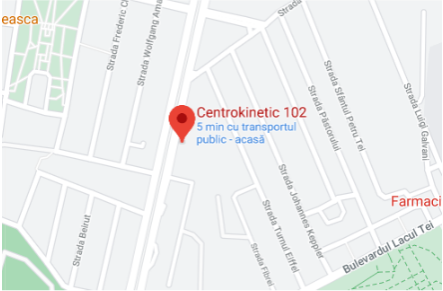
CENTROKINETIC Barbu Vacarescu
Bucharest, 2nd District,
Barbu Vacarescu Street, no. 102,
102 The Address, ground floor.
| Navigation | Explore 3D |
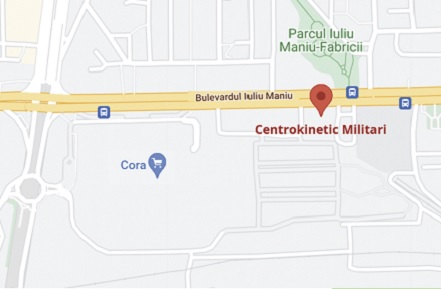
CENTROKINETIC MILITARI
Bucuresti, Sector 6,
Bld. Iuliu Maniu, nr. 15G,
Cladirea PBT, etaj 3.
| Navigation |
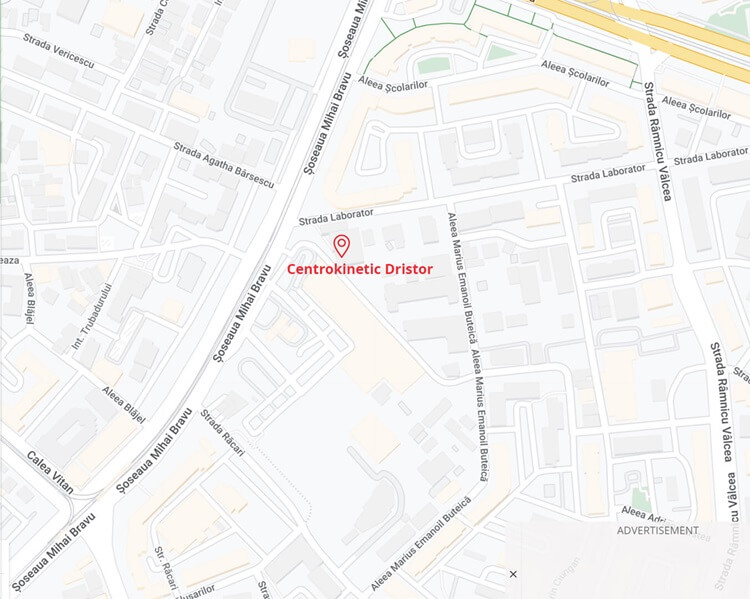
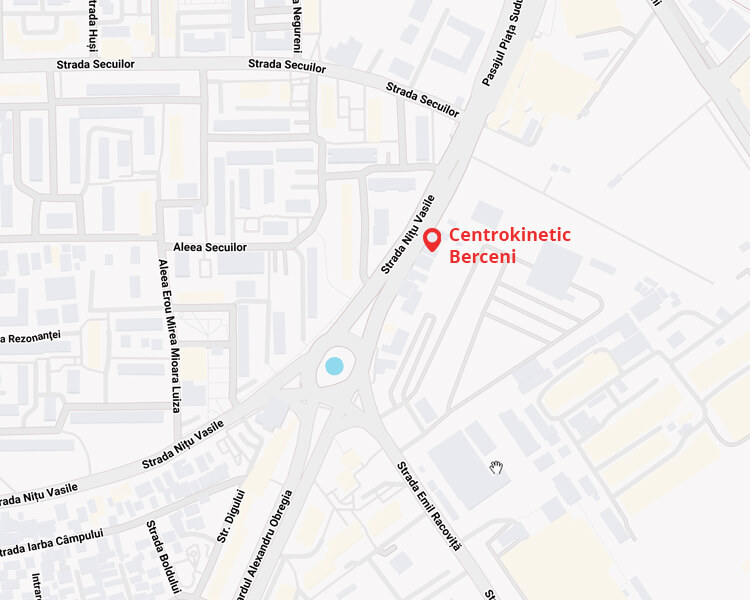
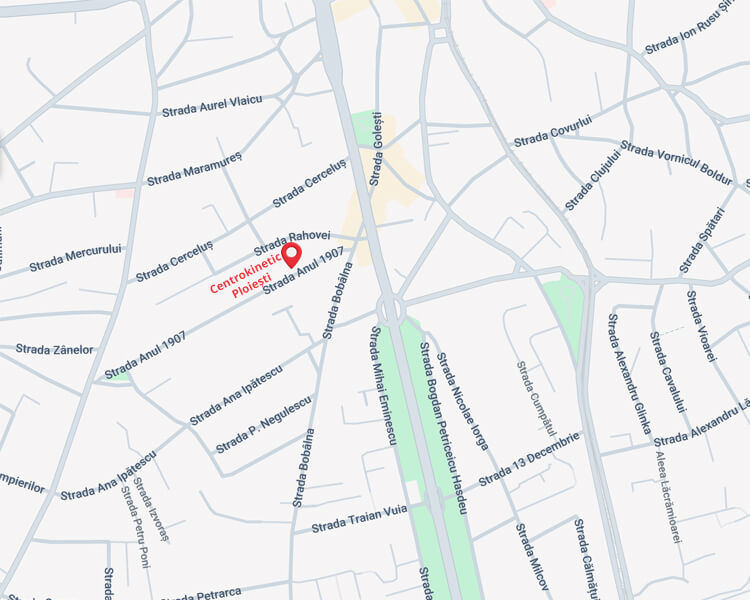
CENTROKINETIC CLUJ-NAPOCA
Cluj-Napoca,
Str. Intre Lacuri, nr.1
Intrarea este in spatele cladirii.
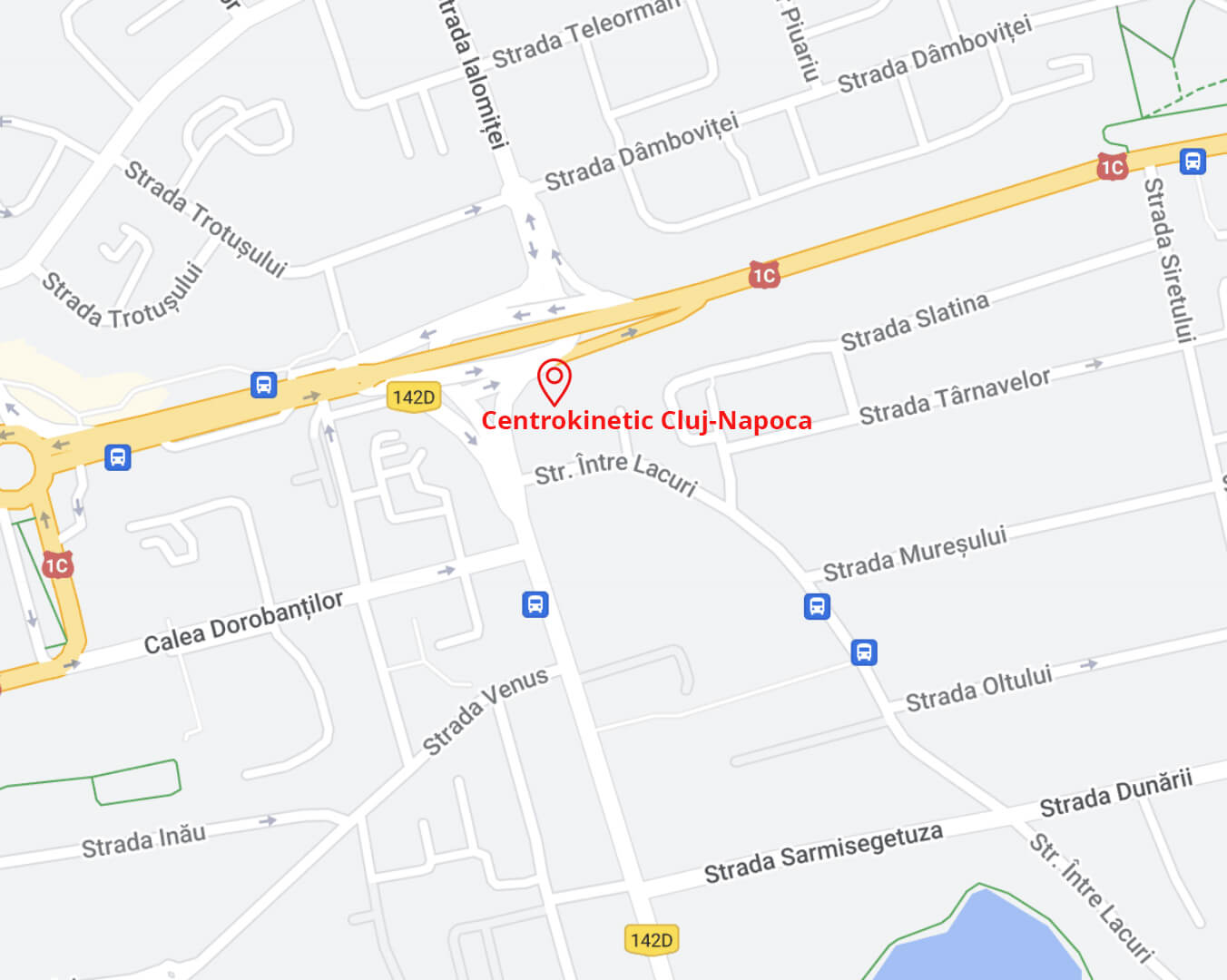
| Navigation |
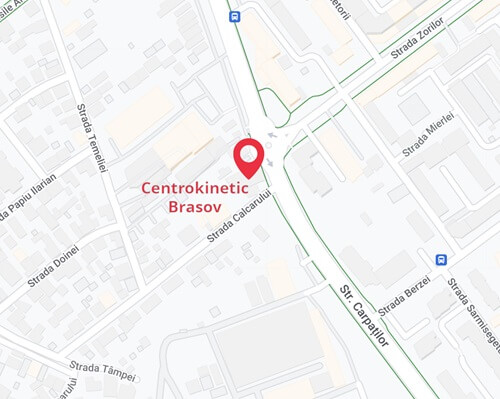
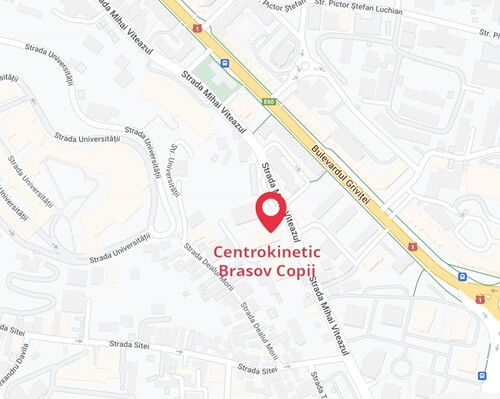
SOCRATES CLINIC TIMISOARA
Timisoara, Calea Martirilor 1989,
nr. 1.
Telefon: 0371 785 374.
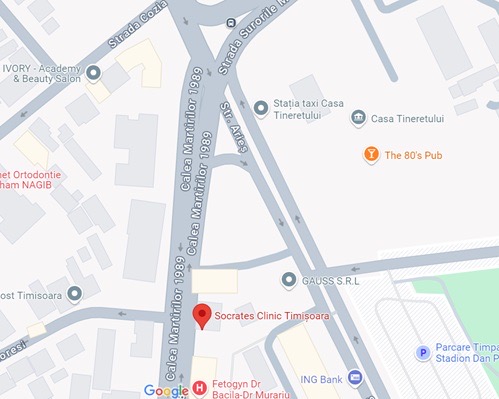
| Navigation |
CONTACT
Phone: 0319693
E-mail: programari@centrokinetic.ro
Operating hours:
Monday – Friday: 07:00 – 21:00
Saturday: 09:00 – 14:00
Sunday: closed.
MAKE AN APPOINTMENT