TREATMENT FOR OBSTETRICAL DYSFUNCTIONS


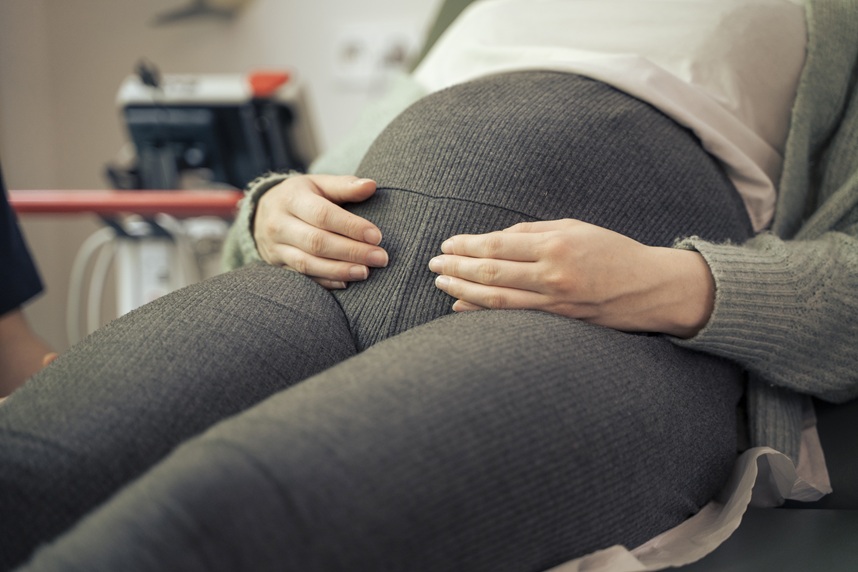
Pregnancy, childbirth, and the postpartum period produce important biomechanical, hormonal, and neuromuscular changes at the level of the abdominal wall, pelvic floor, and lumbopelvic region. These adaptations are physiological, but in certain situations they may be associated with persistent symptoms or dysfunctions that affect continence, pelvic comfort, abdominal function, tolerance to effort, and quality of life. International guidelines regarding the prevention and non-surgical management of pelvic floor dysfunction recommend informing women during pregnancy about the risk of pelvic dysfunctions and the role of pelvic floor exercises. The evidence analyzed shows that introducing pelvic floor training in the immediate postnatal period can prevent the development of urinary incontinence and pelvic organ prolapse.
Modern obstetrical rehabilitation is not limited to “recovering after childbirth”; it aims at restoring the functional capacity of the pelvic and abdominal muscles, optimizing pressure control, managing pain, and supporting the gradual return to daily, professional, and sports activities. International guidelines recommend that postpartum evaluation should actively investigate symptoms such as urinary or fecal incontinence, perineal pain, and pain at the cesarean scar, with referral to physiotherapy when indicated.
The obstetrical period is one of the stages in which early intervention can have a major impact. Pelvic floor muscle training performed during pregnancy in continent women reduces the risk of urinary incontinence at the end of pregnancy and after childbirth, and recently synthesized data suggest that exercise during the first postpartum year reduces the risk of common problems such as urinary incontinence and prolapse.
BOOK AN APPOINTMENT HERE for a consultation or evaluation in order to start your treatment and rehabilitation program.What do we treat at Centrokinetic?
Within the obstetrical rehabilitation program we treat:
- pelvic floor retraining during pregnancy, both preventive and therapeutic
- urinary incontinence occurring during pregnancy
- postpartum recovery after vaginal birth and cesarean section
- perineal injuries, including episiotomy and perineal tears
- abdominal diastasis
- postpartum pelvic and lumbopelvic pain
- postpartum prolapse
What do these conditions mean?
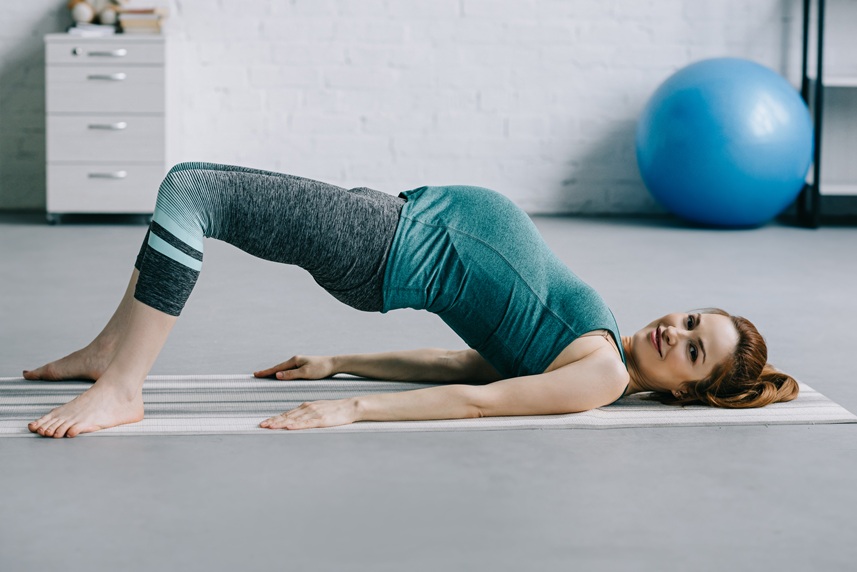
Pelvic floor retraining during pregnancy
During pregnancy, the pelvic floor muscles are subjected to progressive loading due to increased intra-abdominal pressure, posture changes, hormonal shifts, and adaptations of the supporting tissues. Pelvic floor retraining at this stage has both preventive and therapeutic roles: it helps the patient understand how to correctly activate and relax the muscles, how to manage abdominal pressure, and how to reduce the risk of urinary and pelvic dysfunctions. International guidelines recommend informing pregnant women about pelvic floor exercises and support their integration into pelvic dysfunction prevention.
BOOK AN APPOINTMENT HERE for a consultation or evaluation in order to start your treatment and rehabilitation program.Urinary incontinence during pregnancy
Urinary incontinence during pregnancy most often manifests as urine leakage during effort, coughing, sneezing, or changes in position, but it may also be associated with urgency symptoms. It is common in pregnancy and occurs due to overload of the supporting structures and neuromuscular control changes. In pregnant women who did not have incontinence at the beginning of the program, pelvic rehabilitation reduces episodes of urinary incontinence in late pregnancy and at 3–6 months after childbirth.
Postpartum recovery
Postpartum rehabilitation aims to restore functional capacity after vaginal birth or cesarean section. This may include pelvic floor recovery, restoration of abdominal control, pain management, scar management, return to physical effort, and prevention of functional complications in the medium and long term. International guidelines emphasize that the postpartum period should be approached as an ongoing process rather than a single visit, and symptoms such as incontinence, perineal pain, and cesarean scar pain should be actively evaluated.
Perineal injuries: episiotomy and perineal tears
After vaginal birth, spontaneous perineal injuries or episiotomy may occur. Depending on severity, these may lead to pain, tension, movement difficulties, discomfort while sitting, fear of resuming sexual activity, and sometimes continence disorders. International guidelines indicate that severe perineal tears may be associated in the long term with pain, dyspareunia, and incontinence, making proper evaluation and recovery management essential.
Abdominal diastasis
Diastasis recti represents an increase in the distance between the rectus abdominis muscles due to widening of the linea alba, commonly occurring during pregnancy and after childbirth. It is not only an aesthetic issue; in some cases it is associated with impaired trunk control, abdominal weakness, difficulty during effort, and sometimes pain or functional instability. A 2024 analysis indicates that exercise remains the standard approach in diastasis rehabilitation, although there is still no consensus regarding a single most effective protocol.
Postpartum pelvic and lumbopelvic pain
Postpartum pelvic and lumbopelvic pain is common and may be related to persistent pelvic girdle pain from pregnancy, functional instability, overload, deconditioning, scars, or pelvic floor dysfunctions. International guidelines for pelvic girdle pain in the postpartum population describe this problem as frequent and a significant cause of disability, supporting physiotherapy management based on assessment, exercise, and functional strategies.
Postpartum prolapse
After childbirth, some women may develop a sensation of heaviness, vaginal pressure, or “descent” of the pelvic organs. In many cases these are mild to moderate forms where conservative treatment is the first step. International guidelines indicate that introducing pelvic rehabilitation in the immediate postnatal period can prevent the development of prolapse, and exercise during the first postpartum year is associated with a reduced risk of pelvic floor disorders.
BOOK AN APPOINTMENT HERE for a consultation or evaluation in order to start your treatment and rehabilitation program.How does obstetrical rehabilitation help?
Obstetrical rehabilitation aims to support functional recovery of the body after pregnancy and childbirth and to treat symptoms that have already appeared. Depending on the evaluation, treatment objectives may include:
- reducing or preventing urine leakage
- restoring pelvic floor control
- reducing perineal, pelvic, and lumbopelvic pain
- improving abdominal function and managing diastasis
- mobilizing and treating cesarean or episiotomy scars
- gradual return to daily activities and physical effort
- reducing pelvic pressure or prolapse sensation
- improving the patient’s confidence in her own body
International data support real benefits, but they must be communicated correctly. Pelvic rehabilitation during pregnancy and postpartum is particularly useful for preventing and treating urinary incontinence, and a recent analysis suggests that exercise during the first year after childbirth reduces the risk of urinary incontinence by approximately 37% and pelvic organ prolapse by about 56% based on the available combined data. For abdominal diastasis, exercise and rehabilitation remain the current standard, although the literature still highlights protocol heterogeneity and the need for standardization.
What therapies do we use at Centrokinetic?
.jpg "treatment of obstetrical dysfunctions")
Physiotherapy
Physiotherapy is the foundation of obstetrical rehabilitation. It includes pelvic floor exercises, breathing control, abdominal retraining, lumbopelvic stabilization, intra-abdominal pressure management, and gradual return to activity. During pregnancy it can have a preventive role, while postpartum it has a therapeutic and functional reconditioning role.
- prevention and treatment of urinary incontinence
- recovery after vaginal birth or cesarean section
- abdominal diastasis
- lumbopelvic pain
- postpartum prolapse
- return to sport and physical effort
Pelvic manual therapy
Manual therapy is especially indicated when there is pain, hypertonicity, fascial restrictions, painful scars, or pelvic tension. It may include gentle tissue relaxation techniques, myofascial mobilization, and scar treatment.
- perineal pain after childbirth
- discomfort after episiotomy or perineal tears
- cesarean scar
- postpartum pelvic hypertonicity
- persistent pelvic pain
Therapeutic massage
Therapeutic massage plays an adjunctive role in reducing tension in the lumbar, gluteal, abdominal, and adductor muscles, particularly in lumbopelvic pain and in muscular overload that may occur after childbirth and during newborn care.
Biofeedback
Biofeedback helps the patient understand whether she correctly contracts and relaxes the pelvic floor. It is especially useful when there are difficulties in muscle recruitment or coordination and when more precise neuromuscular control retraining is required.
Muscle electrostimulation
Electrostimulation may be used in certain cases involving significant pelvic floor weakness or difficulty with voluntary activation. It is an adjunct method integrated into a comprehensive rehabilitation program.
Electrotherapy
Electrotherapy may play an adjunctive role in pain control and in managing associated muscular symptoms, particularly in postpartum recovery involving pain or muscle spasm.
Winback Intimity therapy
Winback Intimity therapy may be included as an adjunctive method for tissue comfort, local relaxation, and functional recovery, always as part of an individualized therapeutic plan.
How does treatment proceed at Centrokinetic?
Treatment begins with a detailed evaluation that analyzes pregnancy and birth history, type of delivery, urinary symptoms, presence of pain, scar status, abdominal control, posture, breathing, and pelvic floor function.
Based on this evaluation, we create a personalized plan. During pregnancy, the focus may be on prevention, education, and muscle control. Postpartum treatment is staged depending on the type of delivery, severity of symptoms, and the patient’s goals. In cases of diastasis and lumbopelvic pain, the program usually includes abdominal retraining and progressive stabilization. For perineal injuries and cesarean recovery, we also address tissue mobility, pain, and functional return.
BOOK AN APPOINTMENT HERE for a consultation or evaluation in order to start your treatment and rehabilitation program.What results can be achieved?
Results depend on when rehabilitation begins, the severity of symptoms, the type of delivery, the presence of perineal trauma, the degree of diastasis, previous history, and the patient’s consistency in following the program.
The strongest evidence relates to continence and prevention of pelvic floor dysfunction. Pelvic rehabilitation during pregnancy and after childbirth reduces the risk and severity of urinary incontinence, and exercise during the first postpartum year is associated with reduced risk of incontinence and prolapse. For pelvic girdle pain, international guidelines support physiotherapy interventions based on assessment and functional management. For abdominal diastasis, rehabilitation remains the current standard, although literature indicates that there is still no universally superior single protocol.
How can we help patients?
For many patients, obstetrical rehabilitation means more than simply “recovering after childbirth.” It means being able to walk, lift the baby, sleep, exercise, resume physical activity, and regain confidence in their body without fear of urine leakage, pain, or a feeling of instability.
- fewer or no urine leaks
- less pelvic or lower back pain
- better functional healing after tears, episiotomy, or cesarean section
- improved abdominal control
- reduced sensation of pelvic pressure
- safe and gradual return to sports and daily activities
When is it time for an evaluation?
- you experience urine leakage during pregnancy or after childbirth
- you have persistent perineal, pelvic, or lower back pain
- you had a vaginal birth with episiotomy or perineal tears
- you had a cesarean section and feel pain, tension, or abdominal weakness
- you notice abdominal diastasis
- you feel vaginal pressure or heaviness after childbirth
- you want to return to sport or physical activity safely
An important message for patients
Many symptoms that appear during pregnancy and postpartum are common, but they should not be minimized or postponed. Specialized rehabilitation can play an important role both in prevention and in treating existing symptoms. With proper evaluation, a personalized program, and appropriate progression, many patients achieve significant improvements in function, comfort, and quality of life.
Asiguratori privati




Parteneriate



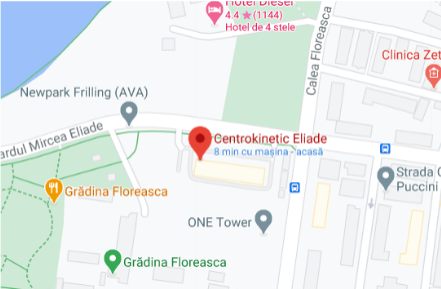
CENTROKINETIC FLOREASCA
Bucharest, 1st District,
Mircea Eliade Street, no. 18,
Eliade Tower, Entrance A, Floor 3
| Navigation | Explore 3D |
CENTROKINETIC Barbu Vacarescu
Bucharest, 2nd District,
Barbu Vacarescu Street, no. 102,
102 The Address, ground floor.
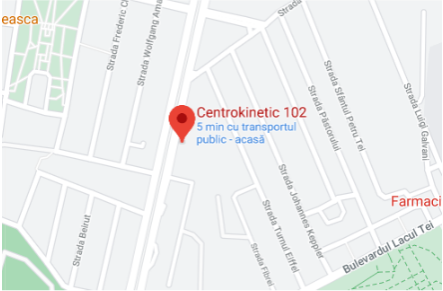
| Navigation | Explore 3D |
CENTROKINETIC MILITARI
Bucuresti, Sector 6,
Bld. Iuliu Maniu, nr. 15G,
Cladirea PBT, etaj 3.
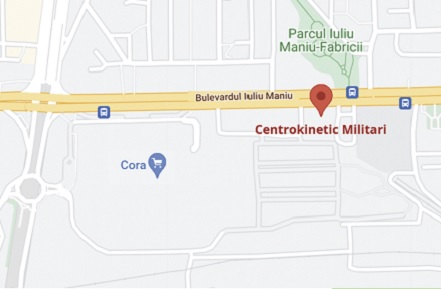
| Navigation |
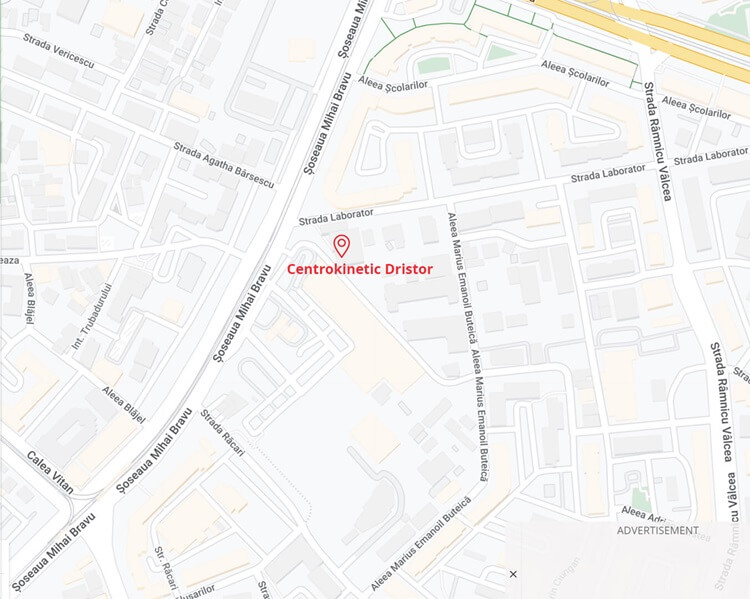
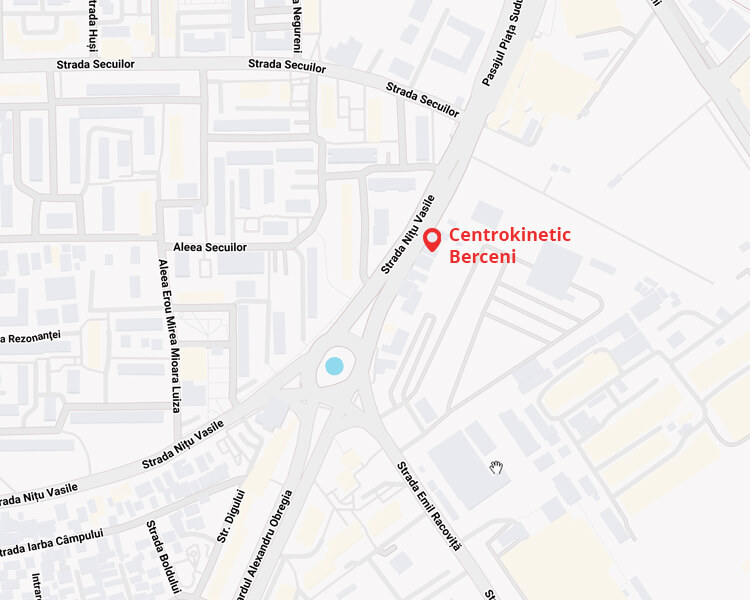
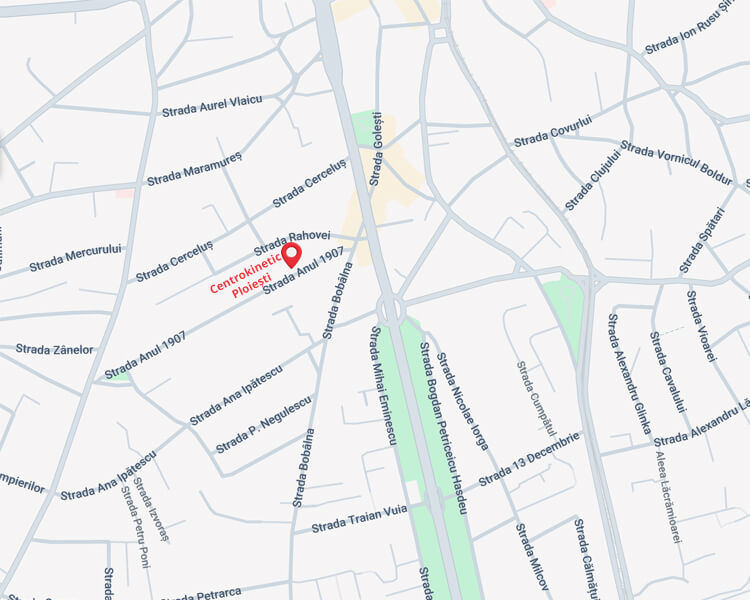
CENTROKINETIC CLUJ-NAPOCA
Cluj-Napoca,
Str. Intre Lacuri, nr.1
Intrarea este in spatele cladirii.
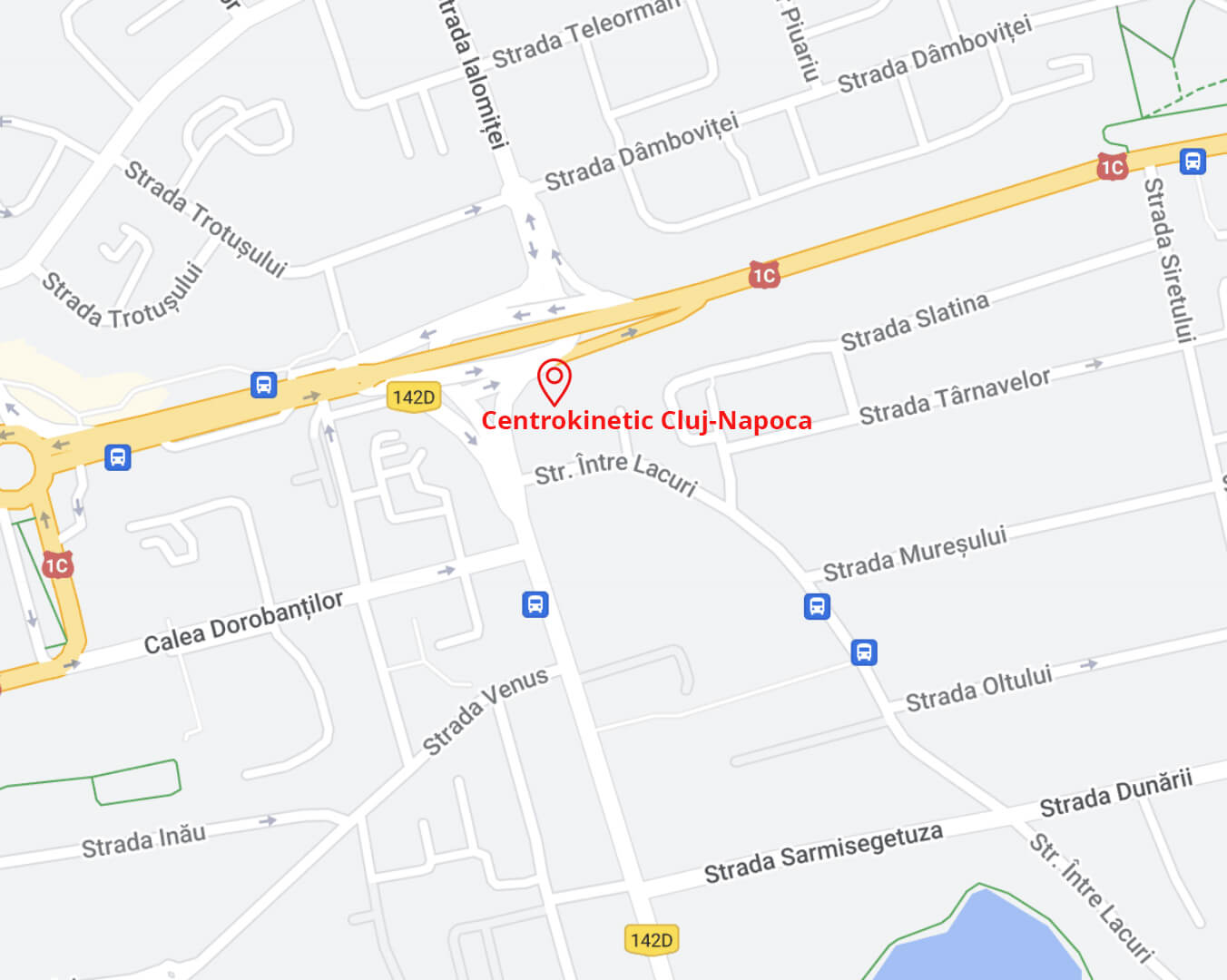
| Navigation |
SOCRATES CLINIC TIMISOARA
Timisoara, Calea Martirilor 1989,
nr. 1.
Telefon: 0371 785 374.
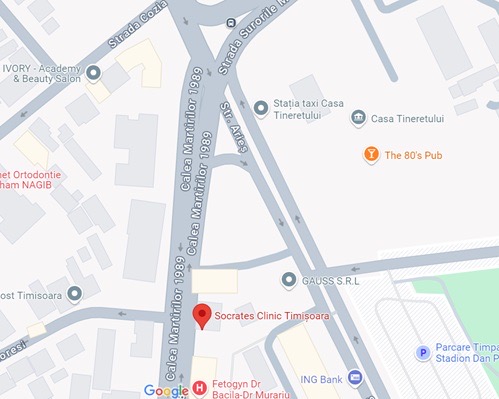
| Navigation |
CONTACT
Phone: 0319693
E-mail: programari@centrokinetic.ro
Operating hours:
Monday – Friday: 07:00 – 21:00
Saturday: 09:00 – 14:00
Sunday: closed.
MAKE AN APPOINTMENT