TREATMENT FOR UROLOGICAL DYSFUNCTIONS


Female urological dysfunctions represent an important category of functional conditions, with a significant impact on quality of life, personal autonomy, and social participation. Symptoms such as urinary incontinence, urinary urgency, increased urinary frequency, the sensation of incomplete bladder emptying, or difficulties occurring after urological surgery should not be considered inevitable manifestations associated with age, pregnancy, childbirth, or hormonal changes. Current international guidelines support the essential role of conservative treatment and specialized rehabilitation in the management of many lower urinary tract disorders, especially in early or moderate stages, as well as an integrated part of post-operative recovery.
Modern urological rehabilitation is based on the functional evaluation of the patient and the understanding of the mechanisms generating symptoms: impaired pelvic floor support and control, bladder-sphincter coordination disorders, altered voiding behavior, neurological dysfunctions, or post-surgical consequences. The therapeutic approach does not aim solely to reduce a symptom, but to restore the functional balance between the bladder, urethra, pelvic floor, abdominal muscles, and neuromuscular control. In this context, medical rehabilitation aims to improve urinary symptoms, enhance bladder control, reduce the impact on daily life, and improve overall quality of life.
Internationally, urinary incontinence and overactive bladder syndrome are among the most common urological disorders in women. Data published in international guidelines show that these conditions affect a significant proportion of the female population, with increasing prevalence associated with age, obstetric history, hormonal status, and other risk factors. For this reason, early diagnosis and personalized therapeutic intervention are essential.
Within the urological rehabilitation program, we address both common urinary symptoms and complex dysfunctions associated with neurological conditions or recovery after surgery. Our goal is to provide patients with a clear therapeutic pathway based on evaluation, personalized treatment, and objective outcome monitoring.
What do we treat at Centrokinetic?
Within the urological rehabilitation program, we treat:
- stress urinary incontinence
- urge urinary incontinence
- mixed urinary incontinence
- overactive bladder
- neurological urological dysfunctions, including neurogenic bladder
- bladder emptying dysfunctions
- recovery after urological surgery, including post-prostatectomy rehabilitation
What do these conditions mean?

Stress urinary incontinence
Stress urinary incontinence represents the involuntary leakage of urine during situations that increase intra-abdominal pressure, such as coughing, sneezing, running, jumping, or lifting weights. It most commonly occurs when the supporting mechanisms of the urethra and pelvic floor muscles can no longer effectively compensate for mechanical stress. International guidelines recommend a supervised pelvic floor muscle training program of at least 3 months as first-line treatment for women with stress urinary incontinence.
Urge urinary incontinence
Urge urinary incontinence is characterized by involuntary urine leakage preceded by a sudden, compelling, and difficult-to-control urge to urinate. In many cases, the patient cannot reach the toilet in time. This form of incontinence is often associated with overactive bladder. Conservative treatment typically includes bladder training, behavioral re-education, and rehabilitation interventions adapted to the dominant mechanism.
Mixed urinary incontinence
Mixed incontinence combines symptoms of both stress and urge urinary incontinence. The patient may experience urine leakage both during physical effort and in the context of urinary urgency. This form requires careful functional evaluation to determine the predominant component and to individualize treatment.
Overactive bladder
Overactive bladder is a syndrome characterized by urinary urgency, with or without urge incontinence, usually accompanied by increased urinary frequency and nocturia, in the absence of infection or other obvious organic causes. It is a common and often underdiagnosed condition with a significant impact on sleep, mobility, professional activity, and social life.
Neurological urological dysfunctions – neurogenic bladder
Neurogenic bladder occurs when the nervous control of the bladder and sphincters is affected by neurological conditions such as multiple sclerosis, Parkinson’s disease, stroke, or spinal cord injuries. In these cases, storage disorders, voiding disorders, or a combination of both may occur, and management requires collaboration between rehabilitation medicine, urology, and, when necessary, neurology.
Bladder emptying dysfunctions
Bladder emptying dysfunctions occur when urination is difficult, slow, incomplete, or requires additional effort. The patient may feel that the bladder does not empty completely, may urinate intermittently, or may have increased post-void residual volume (urine remaining in the bladder after urination). These symptoms may be caused by coordination disorders, pelvic floor spasm, bladder underactivity, or other functional and neurological mechanisms.
Post-surgical urological dysfunctions
After certain urological surgeries, urinary incontinence, changes in sphincter control, or difficulties in functional adaptation may occur. An important example is urinary incontinence after prostatectomy, where pelvic rehabilitation plays a major role in accelerating the recovery of continence and reducing symptom severity.
How does urological rehabilitation help?
Urological rehabilitation aims to identify the functional mechanism generating symptoms and to build a personalized treatment plan. Objectives may include:
- reducing urine leakage
- decreasing urinary frequency and urgency
- improving pelvic floor control
- re-educating coordination between the bladder, sphincters, and pelvic muscles
- optimizing bladder emptying in selected cases
- restoring continence after surgery
- increasing patient confidence in daily activities
In urinary incontinence, international literature shows clear benefits of pelvic floor muscle training. Guidelines indicate that women with stress urinary incontinence who followed pelvic floor muscle training programs were significantly more likely to report cure or improvement compared to no treatment.
What therapies do we use at Centrokinetic?
Pelvic floor physiotherapy
Physiotherapy represents the foundation of conservative treatment in many urological dysfunctions. Treatment focuses on identifying and correctly activating the pelvic floor muscles, coordinating them with breathing and abdominal muscles, and integrating muscular control into daily activities. In stress and mixed urinary incontinence, it is one of the most strongly supported interventions in scientific literature.

Biofeedback
Biofeedback is useful when we aim to objectively assess muscle function and help the patient understand whether they correctly activate or relax the pelvic floor. It is particularly valuable in cases of poor muscle control, lack of coordination, or after surgery. It can also improve treatment adherence and exercise quality.
Electrical muscle stimulation
Electrical muscle stimulation can be used when voluntary pelvic floor contraction is very weak or absent. It may facilitate muscle recruitment and can be integrated into functional re-education programs, especially in appropriately selected patients.
Electrotherapy
Electrotherapy may play a role in controlling irritative symptoms, neuromodulation, and supporting functional recovery. In overactive bladder syndrome, certain forms of nerve stimulation have shown benefits in reducing urgency and urinary frequency.
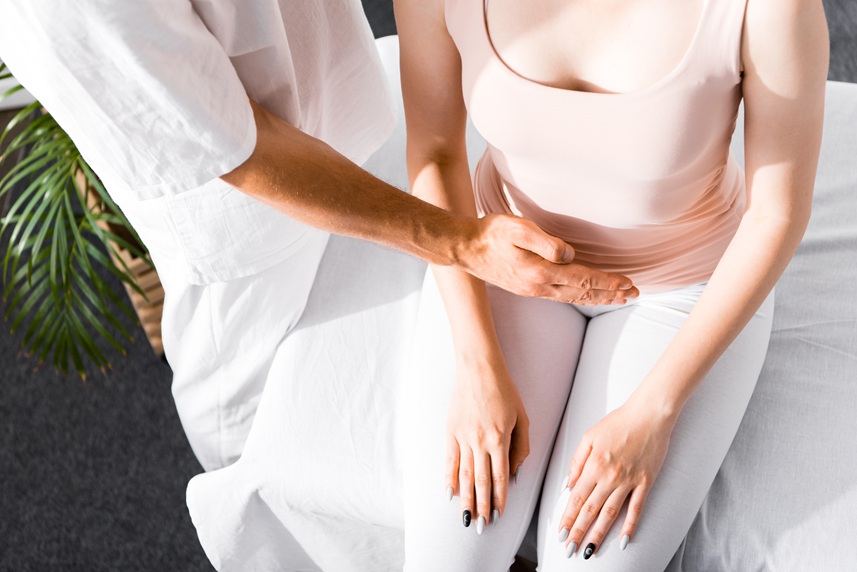
Pelvic manual therapy
Pelvic manual therapy is particularly useful when urinary symptoms are associated with hypertonicity, spasm, myofascial tension, or painful scars. By normalizing tone and improving tissue mobility, it can enhance the effectiveness of other rehabilitation interventions.
Therapeutic massage
Therapeutic massage has an adjunct role and may contribute to the relaxation of associated myofascial structures, especially in the lower abdominal, lumbar, gluteal, and adductor regions when involved in the clinical picture.
Winback Intimity therapy
Winback Intimity therapy is integrated as an adjunct method within rehabilitation programs, aiming to support local comfort, tissue relaxation, and functional recovery. It is used as part of a comprehensive, individualized therapeutic plan.
How does the treatment process work?
Treatment begins with a specialized evaluation, where we analyze symptoms, voiding frequency, urinary leakage episodes, triggering factors, obstetric history, surgical interventions, neurological history, and pelvic floor function.
Subsequently, we develop a personalized treatment plan. In stress and mixed urinary incontinence, the focus is often on pelvic floor re-education, intra-abdominal pressure control, and functional integration. In overactive bladder and urge incontinence, bladder training techniques, behavioral education, and urgency control strategies are often added. In neurological conditions and post-operative recovery, the program is adapted to clinical particularities and medical objectives.
What results can be achieved?
Results depend on the exact diagnosis, symptom severity, duration, presence of risk factors, and adherence to treatment. However, international data are encouraging.
For stress urinary incontinence and many cases of mixed incontinence, pelvic floor muscle training has strong evidence of effectiveness, with significant cure and improvement rates reported in clinical studies.
In overactive bladder syndrome, realistic goals include reducing urgency, decreasing urinary frequency, minimizing incontinence episodes, and improving symptom control.
In neurological conditions, outcomes are more variable and depend on the underlying disease, but rehabilitation can contribute to symptom improvement, optimization of bladder function, and enhanced quality of life in carefully selected patients.
After prostatectomy, structured and supervised pelvic rehabilitation programs can accelerate the recovery of continence and reduce the impact of post-operative urinary symptoms.
When is an evaluation recommended?
- you experience urine leakage during effort
- you have urinary urgency or frequent urination
- you wake up frequently at night to urinate
- you feel that your bladder does not empty completely
- you have urinary symptoms after urological surgery
- urinary symptoms affect your social life, professional activity, sleep, or physical activity
An important message for patients
Urinary symptoms should not be trivialized or postponed. In many situations, specialized medical rehabilitation can be an effective first step toward symptom control, before more invasive solutions are considered. With proper evaluation and a personalized therapeutic program, many patients achieve significant improvements in urinary function and quality of life.
Schedule an evaluation
If you have pelvic, urinary, anorectal symptoms, or persistent pelvic pain, the first step is a proper evaluation. Pelvic rehabilitation begins with understanding the cause and continues with a clear, personalized, and progressive plan.
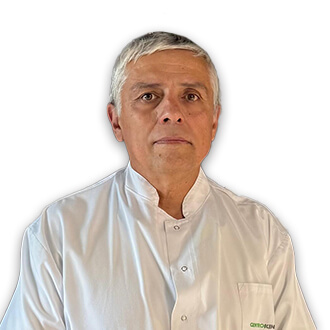
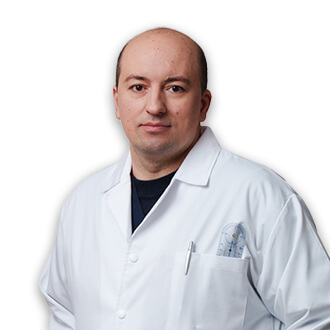
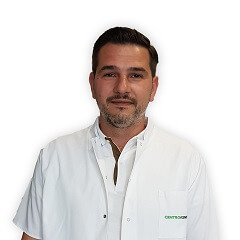
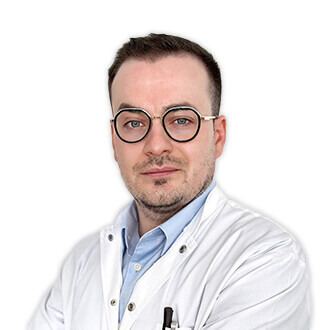
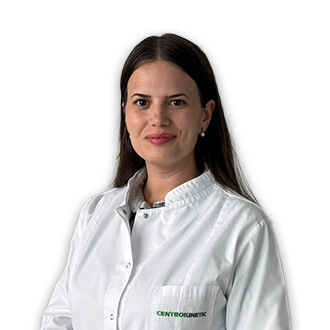
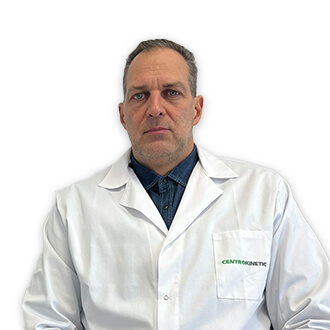
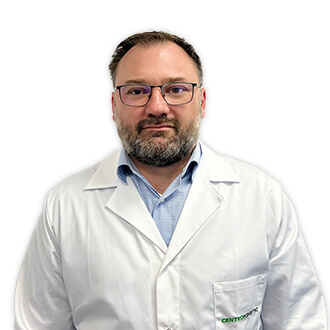
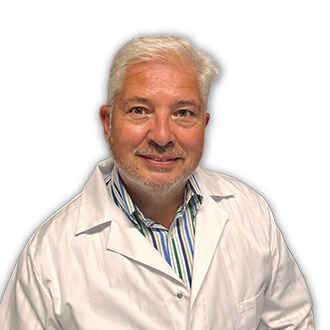
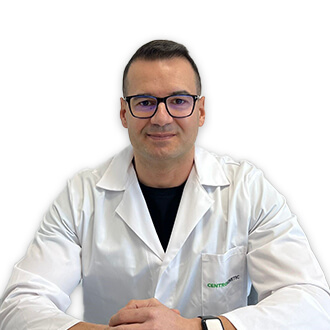
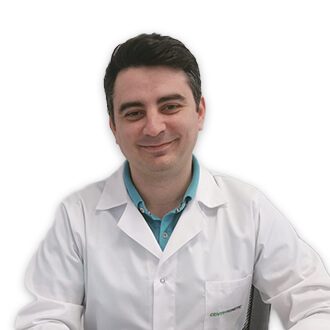
BUCHAREST TEAM





























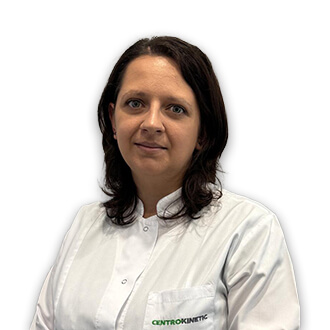
CLUJ NAPOCA TEAM

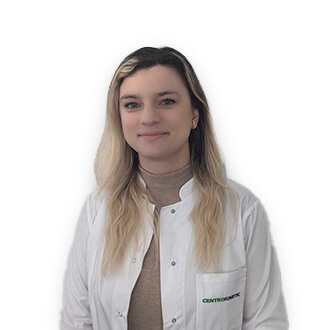
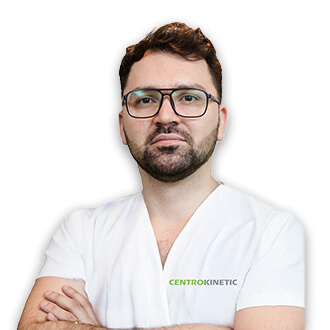
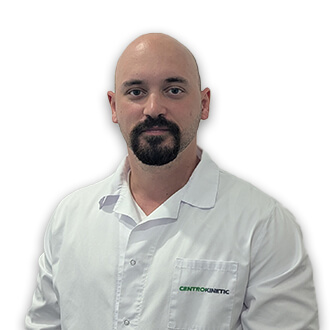



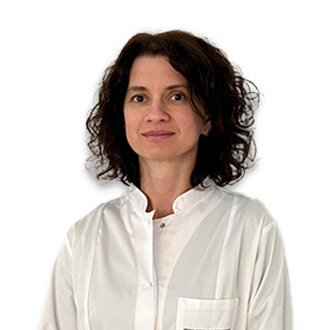




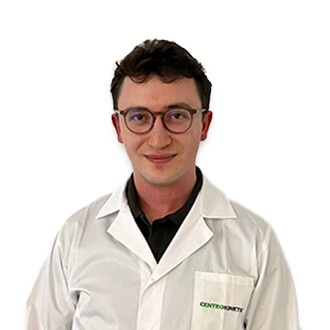
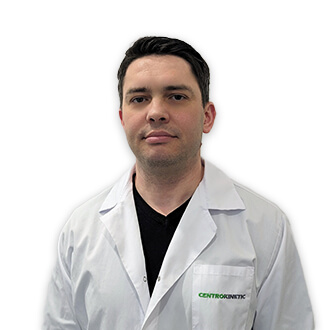









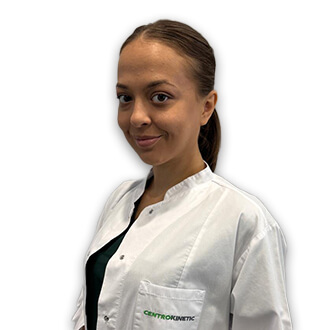
BRASOV TEAM




Asiguratori privati


Parteneriate

CENTROKINETIC FLOREASCA
Bucharest, 1st District,
Mircea Eliade Street, no. 18,
Eliade Tower, Entrance A, Floor 3
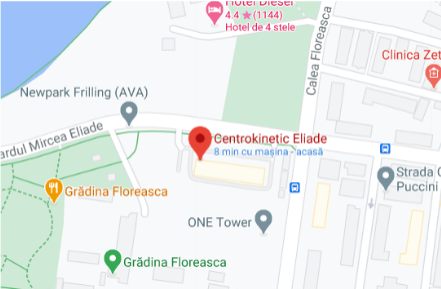
| Navigation | Explore 3D |
CENTROKINETIC Barbu Vacarescu
Bucharest, 2nd District,
Barbu Vacarescu Street, no. 102,
102 The Address, ground floor.
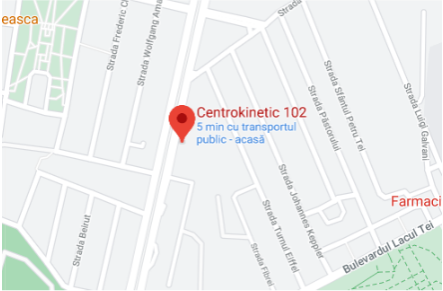
| Navigation | Explore 3D |
CENTROKINETIC MILITARI
Bucuresti, Sector 6,
Bld. Iuliu Maniu, nr. 15G,
Cladirea PBT, etaj 3.
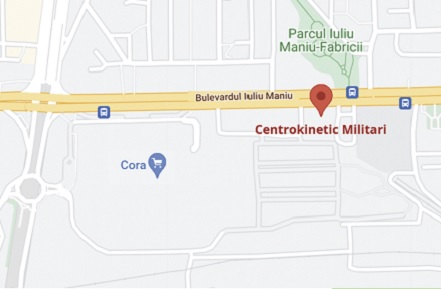
| Navigation |
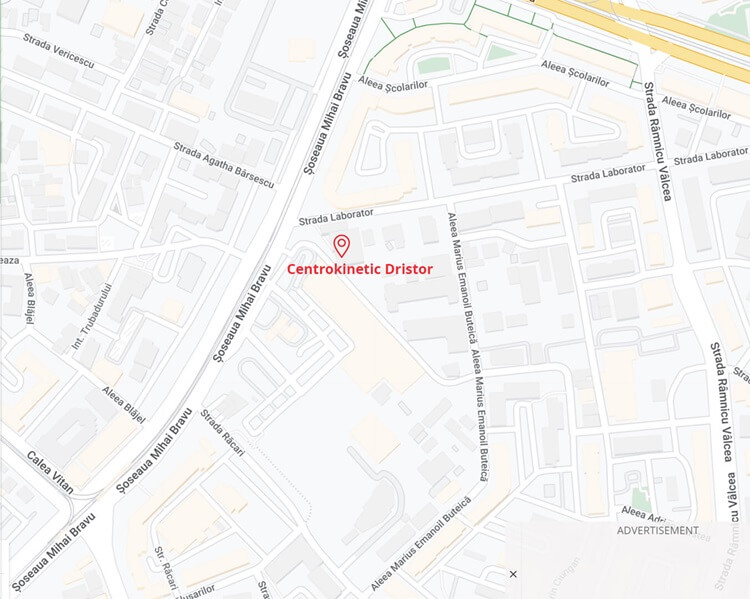
CENTROKINETIC CLUJ-NAPOCA
Cluj-Napoca,
Str. Intre Lacuri, nr.1
Intrarea este in spatele cladirii.
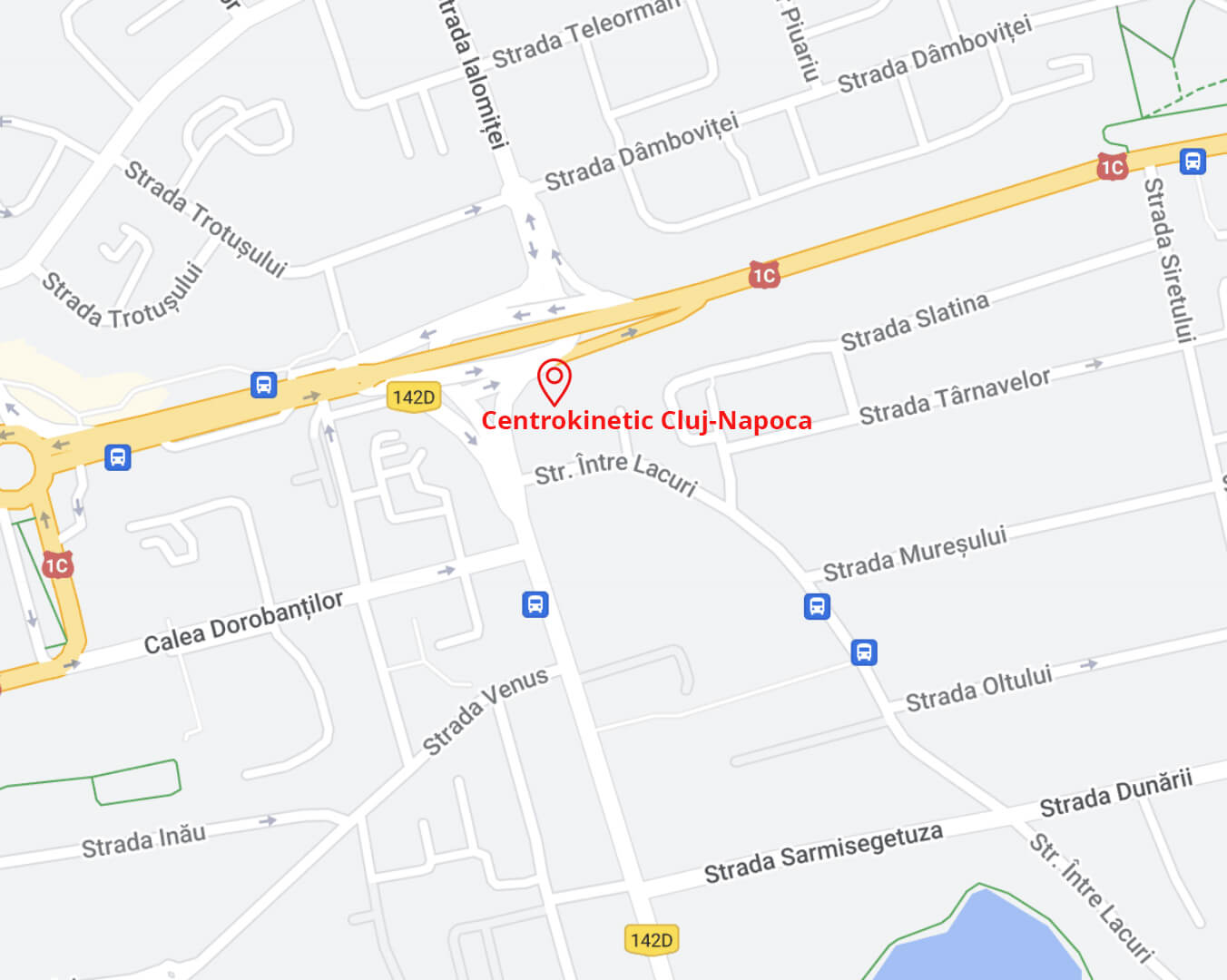
| Navigation |
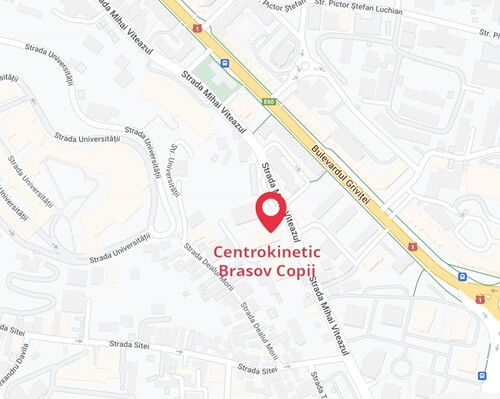
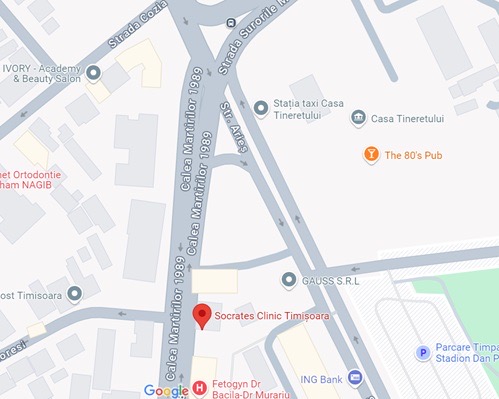
SOCRATES CLINIC TIMISOARA
Timisoara, Calea Martirilor 1989,
nr. 1.
Telefon: 0371 785 374.
| Navigation |
CONTACT
Phone: 0319693
E-mail: programari@centrokinetic.ro
Operating hours:
Monday – Friday: 07:00 – 21:00
Saturday: 09:00 – 14:00
Sunday: closed.
MAKE AN APPOINTMENT