TREATMENT OF CHRONIC PELVIC PAIN



Chronic pelvic pain is a complex condition with a significant impact on function, quality of life, sleep, professional activity, mobility, and sexual life. International guidelines define chronic pelvic pain as chronic or persistent pain perceived in structures related to the pelvis, in women or men, frequently associated with cognitive, behavioral, sexual, and emotional consequences, as well as symptoms suggestive of urinary, intestinal, sexual, gynecological, or pelvic floor dysfunction. International guidelines also emphasize that chronic pelvic pain is a common, costly, and often multifactorial problem that requires careful evaluation and an integrated approach.
In modern practice, chronic pelvic pain is no longer viewed exclusively through the lens of a single organ or specialty. In many cases, symptoms arise and persist through the interaction of multiple mechanisms: pelvic floor hypertonicity or spasm, myofascial syndrome, pain sensitization, urinary or anorectal dysfunctions, endometriosis, postoperative scars, movement disorders, and lumbopelvic control dysfunction. For this reason, effective treatment aims not only to reduce pain but also to restore function and address the factors that maintain the symptoms.
BOOK AN APPOINTMENT HERE for a consultation or evaluation to begin your treatment and rehabilitation program.Medical rehabilitation plays an important role in this context. A meta-analysis published in 2024 concluded that multimodal physiotherapy is effective in women with chronic pelvic pain, with a high level of certainty for pain improvement. This supports the idea that conservative treatment, when properly indicated and personalized, can represent an essential component in the management of chronic pelvic pain.
What is chronic pelvic pain?
Chronic pelvic pain is pain located in the pelvis, lower abdomen, perineum, vulvo-vaginal, anorectal, or lumbopelvic region, which persists or recurs over the long term. It may be continuous or intermittent, may occur spontaneously or during specific activities, and may be accompanied by urinary, digestive, sexual, or gynecological symptoms. International guidelines highlight that in many cases pain cannot be fully explained by a single structural lesion, and the clinical picture must be understood within a biopsychosocial and functional model.
For patients, this is important: the fact that pain is complex does not mean it is “not real.” It means that treatment must be properly structured, following an evaluation that identifies both the initial cause and the factors that maintain pain over time. International guidelines explicitly recommend a multidisciplinary approach when chronic pelvic pain has multiple components.
BOOK AN APPOINTMENT HERE for a consultation or evaluation to begin your treatment and rehabilitation program.What symptoms may occur?
Chronic pelvic pain may manifest very differently from one patient to another. It may include:
- deep pelvic pain or a sensation of pressure
- vulvar, vaginal, or perineal pain
- pain during sexual intercourse
- a sensation of tension or spasm in the pelvis
- pain when sitting for prolonged periods
- discomfort during or after urination
- constipation, evacuation difficulties, or pain during defecation
- associated lumbopelvic pain
- worsening of symptoms with effort, stress, menstruation, or after certain surgical procedures
International guidelines emphasize that chronic pelvic pain is frequently associated with lower urinary tract symptoms, bowel symptoms, sexual dysfunction, and pelvic floor disorders, which explains why evaluation must go beyond simply locating the pain.
What conditions may underlie chronic pelvic pain?
Chronic pelvic pain is usually not a single disease but a syndrome. Conditions and mechanisms that may contribute include:
- pelvic floor hypertonicity or spasm
- pelvic myofascial syndrome
- dyspareunia
- vulvodynia and vestibulodynia
- endometriosis, particularly the functional and painful component
- postoperative or postpartum scars
- prolapse associated with discomfort and muscle tension
- associated urinary and anorectal dysfunctions
- peripheral and central pain sensitization
International guidelines recommend that evaluation of chronic pelvic pain include investigation of gynecological, urological, gastrointestinal, musculoskeletal, and psychosocial causes, precisely because these components often coexist.

How does rehabilitation help in chronic pelvic pain?
Rehabilitation does not “erase” all biological causes of pain but can directly address the functional and neuromuscular components that maintain symptoms. Depending on the assessment, treatment objectives may include:
- reducing pelvic muscle spasm and tension
- decreasing myofascial pain
- improving tissue mobility and tolerance to movement
- normalizing pelvic floor control
- reducing pain during sexual intercourse
- improving associated urinary and anorectal function
- optimizing breathing control and intra-abdominal pressure
- increasing patient confidence in movement and daily activity
The 2024 meta-analysis shows that multimodal physiotherapy has beneficial effects in chronic pelvic pain in women, with high certainty for pain reduction.
BOOK AN APPOINTMENT HERE for a consultation or evaluation to begin your treatment and rehabilitation program.What therapies do we use at Centrokinetic?
Pelvic manual therapy
Pelvic manual therapy plays a central role in many forms of chronic pelvic pain, especially when hypertonicity, trigger points, myofascial syndrome, tenderness on palpation, fascial restrictions, or painful scars are present. Through specific relaxation, myofascial release, and tissue mobilization techniques, we can reduce local pain load and prepare the muscles for functional retraining. Recent international guidelines support the inclusion of physical therapy and a multimodal approach in the management of chronic pelvic pain.
Physiotherapy
Physiotherapy in chronic pelvic pain does not mean only muscle strengthening. In many cases, the primary goal is neuromuscular control retraining, relaxation of overactive muscles, coordination between the diaphragm, abdomen, and pelvic floor, and gradual return to movement without pain amplification. Depending on the case, treatment may include breathing control exercises, lumbopelvic stabilization, mobility training, and functional integration. The effectiveness of multimodal physiotherapy in chronic pelvic pain is supported by the 2024 meta-analysis.
Therapeutic massage
Therapeutic massage is used as an adjunct method to reduce myofascial tension in the lower abdominal, lumbar, gluteal, and adductor areas when these structures contribute to pain or protective muscle patterns. It does not replace active treatment but may reduce sensitivity and local stiffness. This integration is compatible with the multimodal approach recommended in guidelines for chronic pelvic pain.
Biofeedback
Biofeedback is particularly useful when the patient has difficulty understanding whether she is correctly contracting or relaxing the pelvic floor. In chronic pelvic pain, it may be used for muscle relaxation retraining, reducing excessive recruitment, and objectively monitoring functional progress. International guidelines include biofeedback among relevant therapeutic options in certain pelvic pain syndromes and pelvic floor dysfunctions.
BOOK AN APPOINTMENT HERE for a consultation or evaluation to begin your treatment and rehabilitation program.Muscle electrostimulation
Muscle electrostimulation may have an adjunct role in selected cases, particularly when neuromuscular control is impaired or when facilitating muscle response within a broader therapeutic program. However, in chronic pelvic pain, its use must be carefully individualized, as not all patients benefit from the same approach. Recent literature on peripheral electrical stimulation shows growing interest but also the need for more consistent evidence for firm conclusions.
Electrotherapy
Electrotherapy may be used as an adjunct method for pain control and reduction of muscle spasm. It can be integrated into certain treatment plans, but the foundation of rehabilitation remains proper assessment, manual therapy, functional retraining, and a multimodal approach. Evidence for electrical therapies in chronic pelvic pain exists but is more heterogeneous compared to multimodal physiotherapy.
Winback Intimity Therapy
Winback Intimity Therapy may be used as an adjunct method for local comfort, tissue relaxation, and functional recovery. In practice, it is integrated into a comprehensive, individualized plan and is not presented as a standalone or sufficient treatment. For adjunct therapies, scientific data are generally more limited than for multimodal rehabilitation.
How does treatment proceed?
Treatment begins with a detailed evaluation. We analyze pain history, symptom location and characteristics, aggravating and relieving factors, impact on sleep, daily activity, and sexual life, gynecological, urological, digestive, and surgical history, posture, breathing, abdominal control, and pelvic floor function. International guidelines support comprehensive evaluation to identify the multiple mechanisms contributing to pain.
Based on the evaluation, we build a personalized plan. In some cases, priority is muscle relaxation and pain reduction; in others, emphasis is placed on functional control, mobility, breathing retraining, or treatment of scars and fascial restrictions. In many situations, effective treatment is staged: first reducing sensitivity and tension, then restoring control and tolerance to effort. This logic is consistent with the multimodal approach recommended by guidelines.
What results can be achieved?
Results depend on the dominant cause, symptom duration, presence of pain sensitization, comorbidities, and consistency in treatment. It is important to set realistic expectations: in chronic pelvic pain, the goal is not always the complete and rapid disappearance of all symptoms, but pain reduction, functional improvement, and regaining control over daily life. International guidelines emphasize the importance of realistic functional goals and an integrated approach.

International data are nonetheless encouraging. The 2024 meta-analysis shows that multimodal physiotherapy can reduce pain in women with chronic pelvic pain, with a high level of certainty. In endometriosis, a recent review of non-pharmacological therapies found pain reduction and quality of life improvement after treatment, but authors rated the overall level of evidence as very low, requiring caution in promises and honest medical communication.
BOOK AN APPOINTMENT HERE for a consultation or evaluation to begin your treatment and rehabilitation program.How can we help patients at Centrokinetic?
For many patients, treatment of chronic pelvic pain means more than a lower pain score. It means being able to sit without discomfort, walk, exercise, sleep better, reduce anxiety related to symptoms, and regain confidence in their own body.
Appropriate treatment may mean:
- less pelvic pain at rest and during activity
- reduced muscle tension and spasm
- less pain during sexual intercourse
- better urinary or anorectal function when involved
- greater tolerance for walking, sitting, sports, and daily activities
- improved quality of life
These objectives align with international guideline recommendations, which emphasize function, symptom burden reduction, and multidisciplinary management.
When is it time for an evaluation?
- you have persistent or recurrent pelvic pain
- you experience pain during sexual intercourse
- you feel spasm, tension, or pressure in the pelvis
- you have urinary, digestive, or anorectal symptoms associated with pain
- pain persists after childbirth, surgery, or gynecological treatments
- symptoms affect your sleep, daily activity, sports, or sexual life
An important message for patients
Chronic pelvic pain is real, common, and treatable, but it rarely responds to a simplistic approach. In many situations, specialized medical rehabilitation can play an essential role in reducing pain, improving function, and regaining control over daily life. Current guidelines and studies clearly support the importance of a multimodal and personalized approach, in which pelvic rehabilitation is a relevant and well-founded component.
BOOK AN APPOINTMENT HERE for a consultation or evaluation to begin your treatment and rehabilitation program. MAKE AN APPOINTMENT
FOR AN EXAMINATION
See here how you can make an appointment and the location of our clinics.
MAKE AN APPOINTMENT
BUCHAREST TEAM

































































CLUJ NAPOCA TEAM


































BRASOV TEAM



















Asiguratori privati





Parteneriate



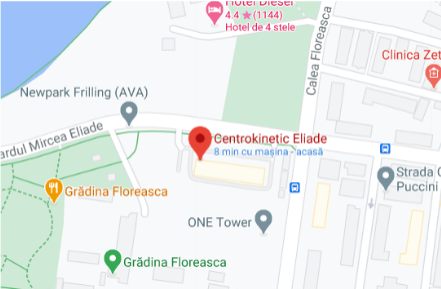
CENTROKINETIC FLOREASCA
Bucharest, 1st District,
Mircea Eliade Street, no. 18,
Eliade Tower, Entrance A, Floor 3
| Navigation | Explore 3D |
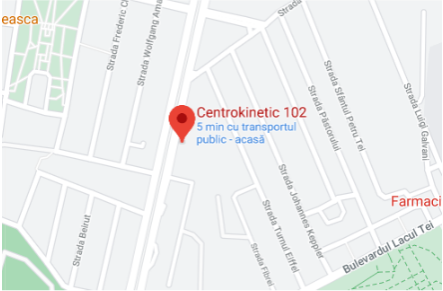
CENTROKINETIC Barbu Vacarescu
Bucharest, 2nd District,
Barbu Vacarescu Street, no. 102,
102 The Address, ground floor.
| Navigation | Explore 3D |
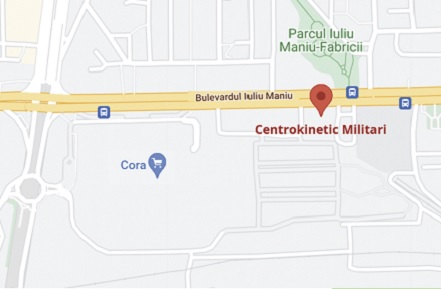
CENTROKINETIC MILITARI
Bucuresti, Sector 6,
Bld. Iuliu Maniu, nr. 15G,
Cladirea PBT, etaj 3.
| Navigation |
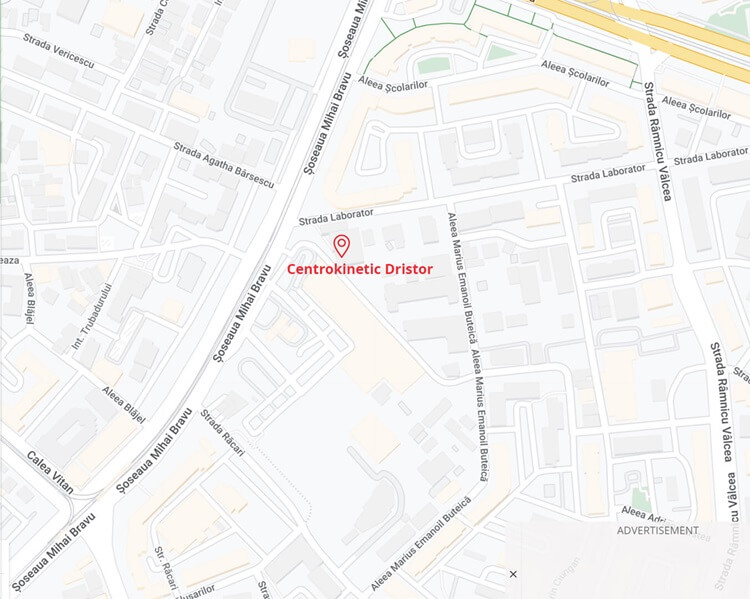
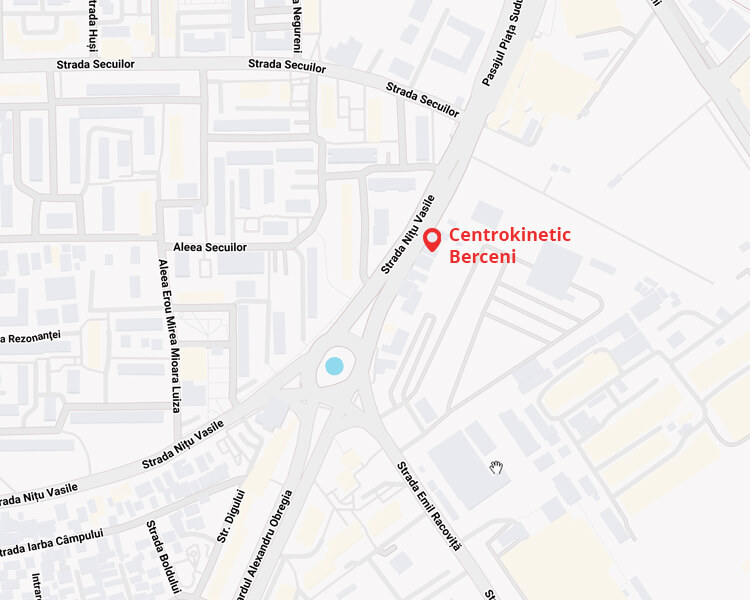
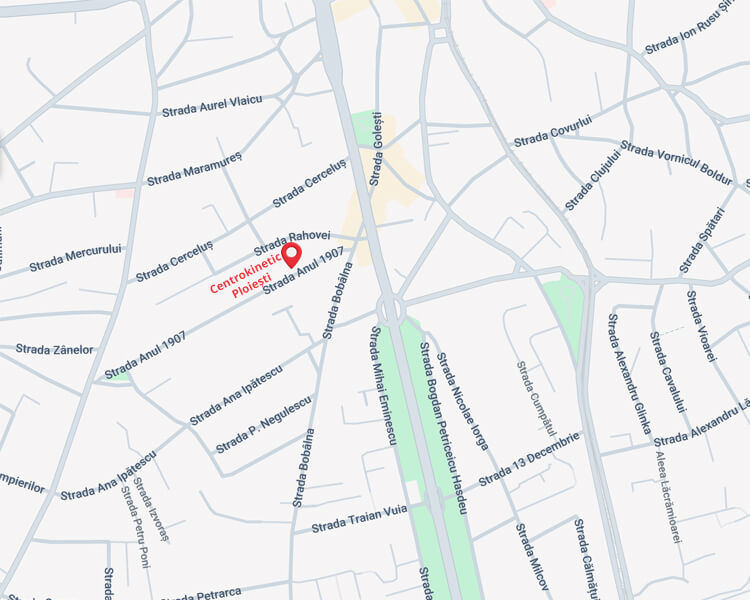
CENTROKINETIC CLUJ-NAPOCA
Cluj-Napoca,
Str. Intre Lacuri, nr.1
Intrarea este in spatele cladirii.
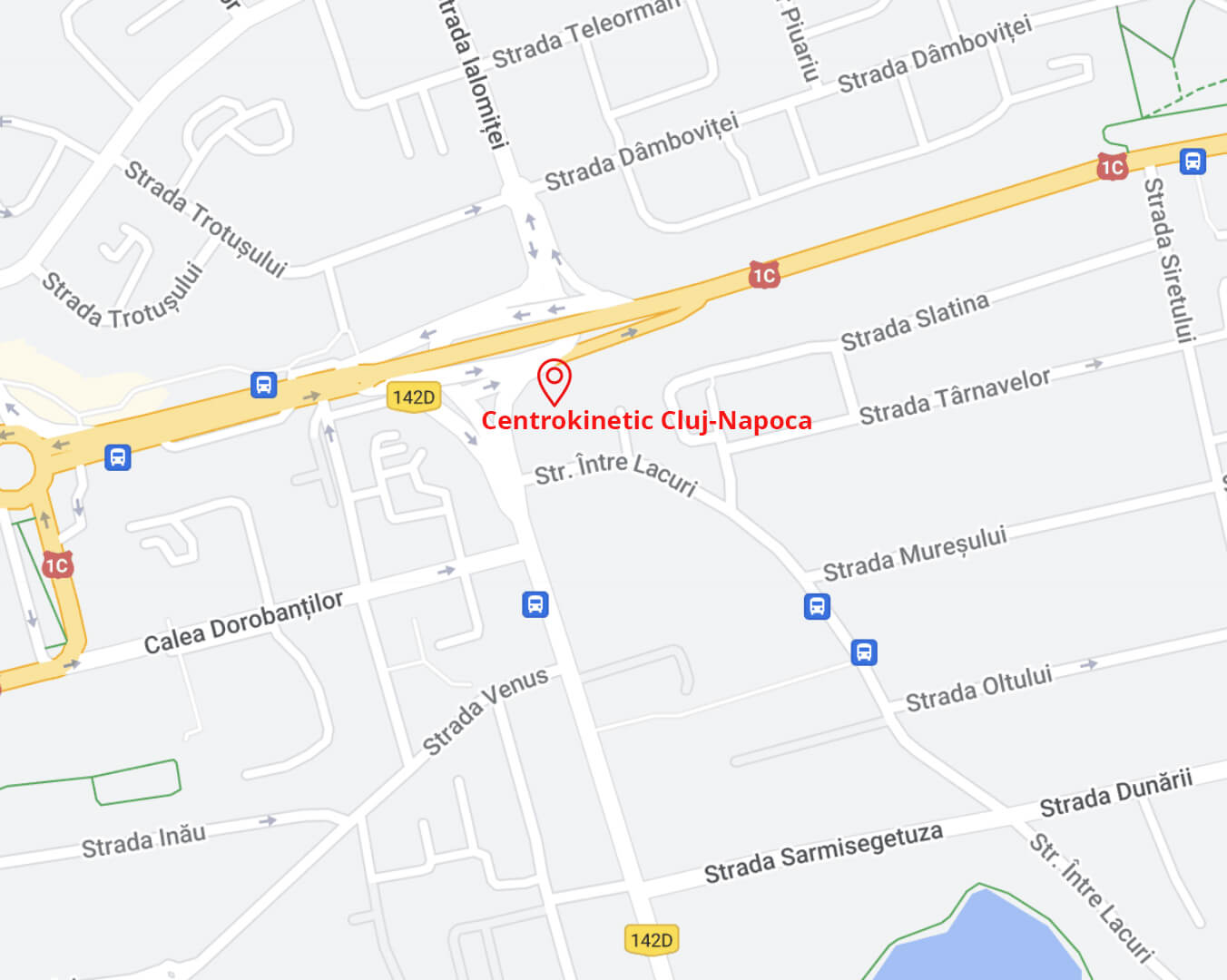
| Navigation |
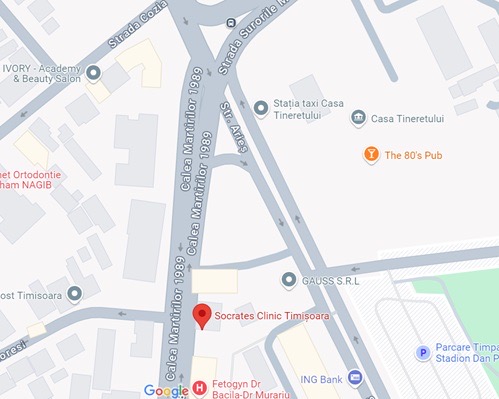
SOCRATES CLINIC TIMISOARA
Timisoara, Calea Martirilor 1989,
nr. 1.
Telefon: 0371 785 374.
| Navigation |
CONTACT
Phone: 0319693
E-mail: programari@centrokinetic.ro
Operating hours:
Monday – Friday: 07:00 – 21:00
Saturday: 09:00 – 14:00
Sunday: closed.
MAKE AN APPOINTMENT