Transcranial direct current stimulation combined with hyperbaric oxygen therapy


Transcranial direct current stimulation combined with hyperbaric oxygen therapy
Transcranial Direct Current Stimulation Combined with Hyperbaric Oxygen Therapy: Mechanisms, Emerging Evidence, and Perspectives in Neurological Rehabilitation
- Introduction
- Mechanistic Foundations
- HBOT: Metabolic and Vascular Support
- Potential Synergy
- Existing Clinical Evidence
- Studies on HBOT Alone
- Studies on tDCS Alone
- Interpretation and Implications
- Therapeutic Perspectives and Future Research
- Conclusion

Transcranial direct current stimulation (tDCS) and hyperbaric oxygen therapy (HBOT) are two non-invasive interventions that, independently, have demonstrated neuroplastic and neurorestorative potential in patients with neurological disorders. tDCS modulates cortical excitability and synaptic efficiency, while HBOT provides increased oxygen supply and metabolic support to injured or hypoperfused neural tissue. This article reviews the mechanistic rationale, available clinical evidence, and synergistic potential of combining the two therapeutic modalities, while also highlighting current limitations and priority directions for future research.
Introduction
Neurological disorders such as stroke, traumatic brain injury (TBI), hypoxic-ischemic encephalopathy, or neurodegenerative diseases generate a significant burden on patients and healthcare systems. Traditional pharmacological and rehabilitation strategies often prove insufficient to restore functional independence, especially in chronic stages.
tDCS has emerged as a low-cost neuromodulation technique capable of promoting neuroplasticity by modifying neuronal resting potential and regulating the balance of cortical networks. HBOT, on the other hand, increases oxygen diffusion to the ischemic penumbra and metabolically compromised tissue, reducing inflammation and stimulating repair processes.
Although both therapies have been studied independently, their combination remains insufficiently explored. Preliminary clinical data suggest additive or even synergistic effects, justifying an in-depth analysis of mechanisms and therapeutic implications.
Mechanistic Foundations
tDCS: Modulation of Neuronal Excitability
- Cortical excitability: anodal stimulation increases neuronal excitability, while cathodal stimulation decreases it.
- Synaptic plasticity: facilitates long-term potentiation and depression (LTP/LTD) through NMDA receptor-dependent mechanisms.
- Neurotransmission: regulates the glutamate–GABA balance, enhancing adaptive reorganization capacity.
- Cerebral perfusion: regional increases in cerebral blood flow have been observed in the stimulated area.
HBOT: Metabolic and Vascular Support
- Neuronal metabolism: enhances mitochondrial function and ATP production, essential for repair processes.
- Anti-inflammatory effects: reduces pro-inflammatory cytokine expression and normalizes microglial activation.
- Neurovascular remodeling: stimulates angiogenesis, neurogenesis, and axonal sprouting.
- White matter integrity: protects oligodendrocytes and promotes remyelination.
Potential Synergy
tDCS directs excitability toward clinically relevant cortical networks, while HBOT provides the optimal metabolic and vascular environment to consolidate induced plasticity. Together, they may accelerate functional recovery by synchronizing top-down neuromodulation with bottom-up metabolic support.
Existing Clinical Evidence
Combined tDCS + HBOT Studies
Cao et al., 2021: patients with delayed encephalopathy after carbon monoxide poisoning. The group treated with HBOT + tDCS achieved superior improvements in cognitive (MMSE), functional (Barthel Index), and neurophysiological (P300) scores compared to the HBOT-only group. Tolerance was good, with no major adverse effects.
Studies on HBOT Alone
Efrati et al., 2013: chronic post-stroke patients (>6 months) randomized to 40 HBOT sessions showed significant motor and cognitive improvements, even long after the event.
Case studies and clinical series: HBOT demonstrated reactivation of cortical networks on functional imaging (fMRI, SPECT), with motor and cognitive improvements, including in post-concussion syndrome in children.
Studies on tDCS Alone
Multiple meta-analyses confirm the benefits of tDCS in resistant depression, post-stroke motor recovery, cognitive disorders, and ADHD.
Interpretation and Implications
HBOT reactivates hypoxic neural tissue, providing conditions for late neuroplasticity. tDCS modulates excitability and strengthens synaptic reorganization precisely within these recoverable networks. Available data indicate that the combined approach exceeds the efficacy of each method applied individually, but large multicenter studies are still lacking.
Therapeutic Perspectives and Future Research
- Randomized clinical trials: comparing HBOT + tDCS versus HBOT alone, tDCS alone, and placebo.
- Protocol standardization: current intensity, session duration, synchronization with HBOT, total number of sessions.
- Safety of simultaneous application: development of equipment compatible with the hyperbaric environment (pressure, humidity, electrical conductivity issues).
- Objective biomarkers: use of multimodal imaging (fMRI, DTI, PET) and molecular markers (BDNF, cytokines, oxidative stress) to monitor response.
- Expanding indications: subacute and chronic stroke, TBI, hypoxic encephalopathy, post-COVID cognitive disorders, neurodegenerative diseases.
Conclusion
The combination of transcranial direct current stimulation and hyperbaric oxygen therapy represents a promising direction in neurological rehabilitation. Preliminary clinical evidence suggests additional benefits through synergy between cortical neuromodulation and metabolic-vascular support. However, transforming this combination into a therapeutic standard requires validation through rigorous, multicenter clinical studies with clearly defined protocols and objective efficacy measures.
BUCHAREST TEAM
























CLUJ NAPOCA TEAM









BRASOV TEAM






MAKE AN APPOINTMENT
FOR AN EXAMINATION
See here how you can make an appointment and the location of our clinics.
MAKE AN APPOINTMENT
Asiguratori privati



Parteneriate

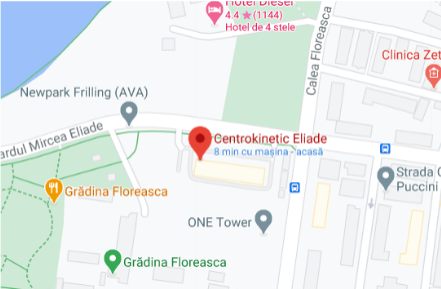
CENTROKINETIC FLOREASCA
Bucharest, 1st District,
Mircea Eliade Street, no. 18,
Eliade Tower, Entrance A, Floor 3
| Navigation | Explore 3D |
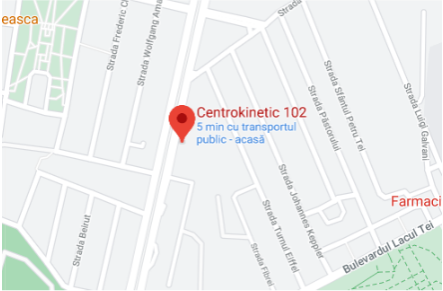
CENTROKINETIC Barbu Vacarescu
Bucharest, 2nd District,
Barbu Vacarescu Street, no. 102,
102 The Address, ground floor.
| Navigation | Explore 3D |
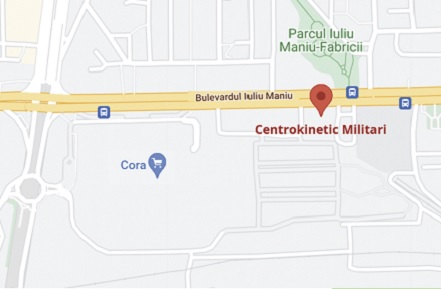
CENTROKINETIC MILITARI
Bucuresti, Sector 6,
Bld. Iuliu Maniu, nr. 15G,
Cladirea PBT, etaj 3.
| Navigation |
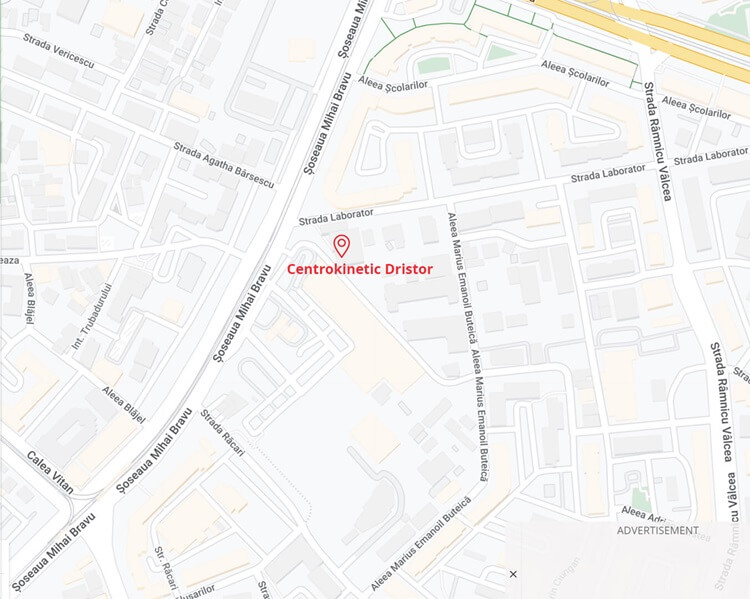
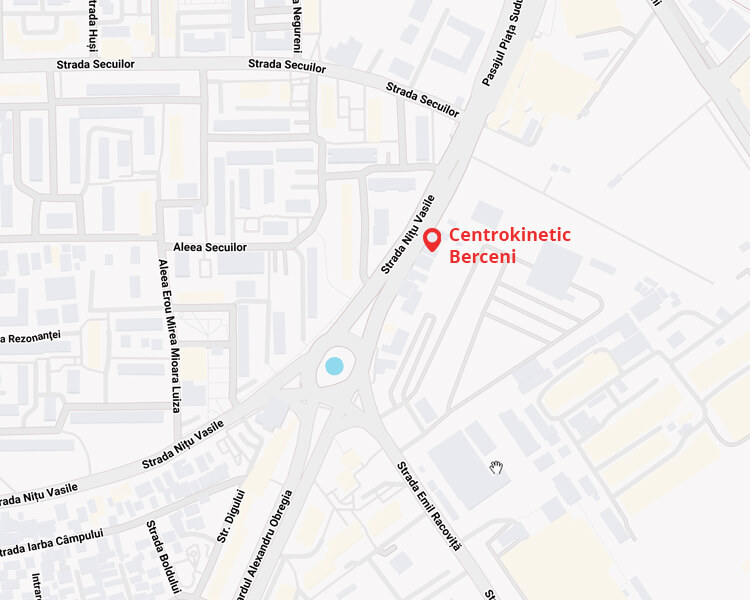
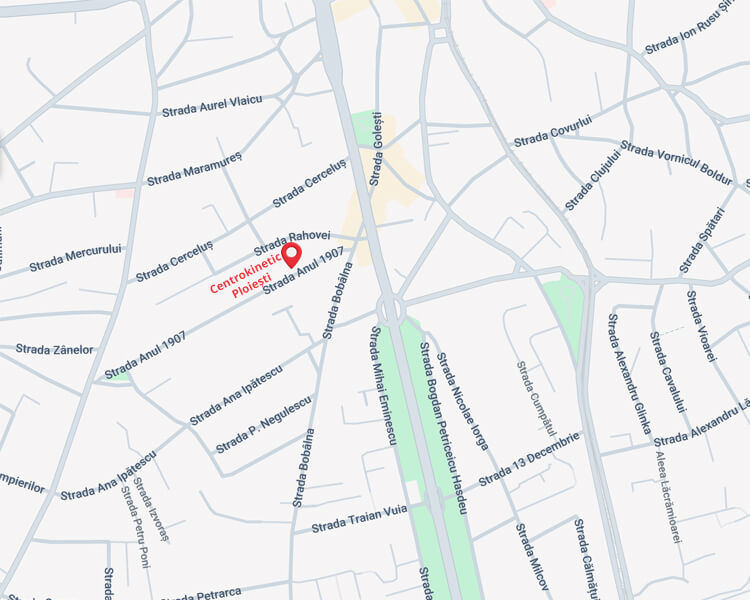
CENTROKINETIC CLUJ-NAPOCA
Cluj-Napoca,
Str. Intre Lacuri, nr.1
Intrarea este in spatele cladirii.
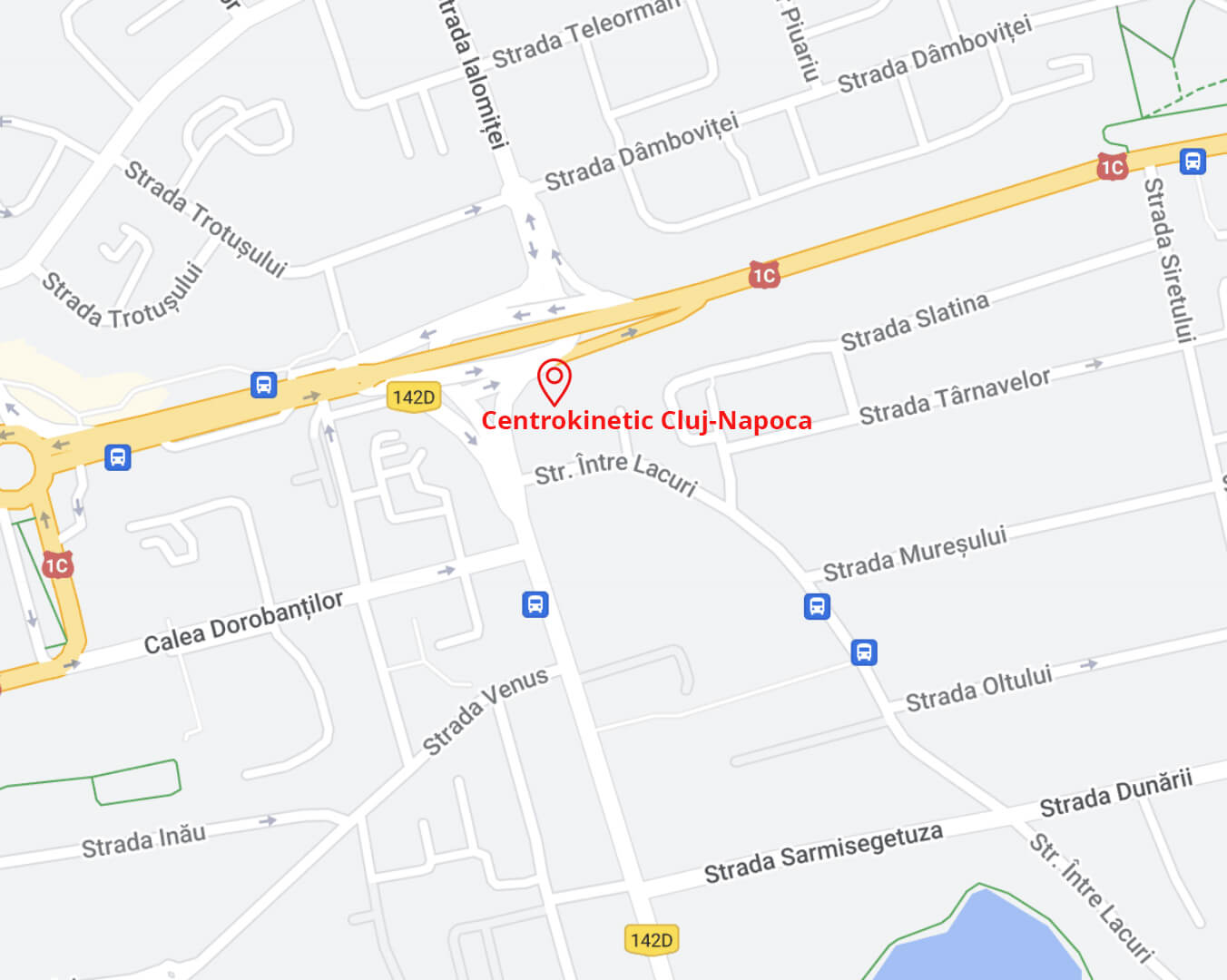
| Navigation |
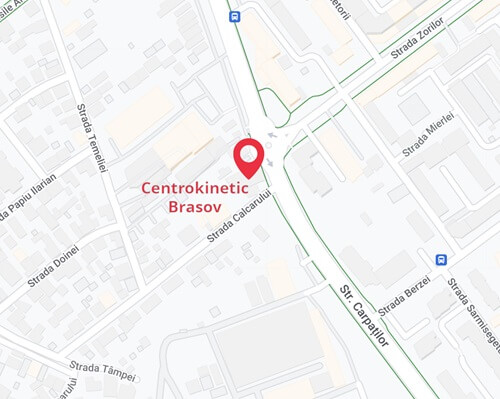
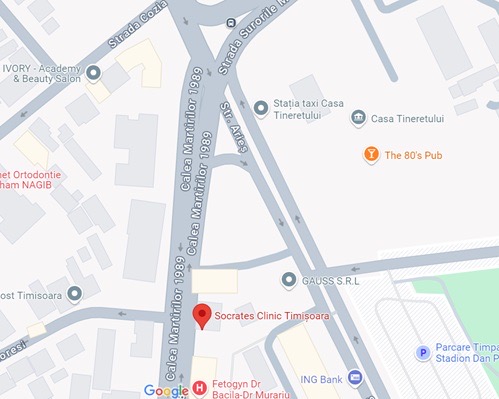
SOCRATES CLINIC TIMISOARA
Timisoara, Calea Martirilor 1989,
nr. 1.
Telefon: 0371 785 374.
| Navigation |
CONTACT
Phone: 0319693
E-mail: programari@centrokinetic.ro
Operating hours:
Monday – Friday: 07:00 – 21:00
Saturday: 09:00 – 14:00
Sunday: closed.
MAKE AN APPOINTMENT