
See details
READ MORE

.jpg "e1bc13833c5502605ac225ea542a775225")
Transcranial direct current stimulation (tDCS) is a non-invasive neuromodulation method that can reduce the intensity and distress of tinnitus in some patients. The therapy uses a very low-intensity electrical current, applied to the scalp, to influence the activity of the brain areas involved in sound perception.
Below, we explain in detail what tinnitus is, how tDCS works, who can benefit from treatment, and what results you can realistically expect.
Tinnitus is the perception of a sound that does not come from an external source. You may hear it as a ringing, a rustling, a buzzing or a hissing, in one ear, in both, or “in the head”.
Current research shows that tinnitus is not just an ear problem. In many cases, it is linked to altered neural activity in the central nervous system, especially in the areas that process sound and emotions.
Types of tinnitus
In medical practice, tinnitus is classified according to several criteria:
Causes of tinnitus
Tinnitus can have several causes, sometimes combined:
Identifying the cause is the first step. This is why an ENT and audiological evaluation is recommended before any neuromodulation therapy.
How does tinnitus affect quality of life?
.jpg "e13d7cc67069dc9fa912e1d35082f70a3c")
For many people, chronic tinnitus is not just background noise. It can affect sleep, concentration and emotional state.
Frequently reported effects include:
In research, a distinction is made between tinnitus intensity (how loud you perceive it) and the distress it causes (how much it bothers you). Both can be influenced through therapy.
Transcranial direct current stimulation (tDCS) is one of the transcranial electrical stimulation therapies. It is a non-invasive technique in which a low-intensity direct current (usually 1–2 mA) is applied through electrodes placed on the scalp.
The current does not cause muscle contractions and does not trigger nerve impulses. It slightly modifies the excitability of the neurons in the stimulated area.
How does tDCS therapy work?
A stimulation device sends a constant current between two or more electrodes:
The position of the electrodes is determined by the brain area that needs to be influenced. For tinnitus, the most studied targets are the left temporoparietal area and the dorsolateral prefrontal cortex.
A newer variant is HD-tDCS (high-definition tDCS). It uses small electrodes arranged in a ring, which concentrate the current on a more precise area.
| Feature | Conventional tDCS | HD-tDCS |
|---|---|---|
| Electrode type | 2 large sponge electrodes | 5 small gel electrodes (4x1 montage) |
| Stimulated area | Broader, including intermediate regions | More focused, under the electrode ring |
| Precision | Moderate | High |
| Duration of effects | Variable | Studies suggest longer-lasting effects |
For details about the general principles of the method, you can also read the article on transcranial direct current stimulation (tDCS).
Mechanism of action on the brain
Tinnitus is associated with a network of brain areas that work together:
tDCS acts through neuromodulation. More precisely, stimulation can promote neural plasticity and can disrupt the activity patterns that maintain the perception of tinnitus.
Why is tDCS therapy used in the treatment of tinnitus?
Currently, there is no universal treatment for chronic tinnitus. Therapies aim to reduce intensity and distress, so that the patient regains control over everyday life.
tDCS is used because:
What do clinical studies say?
Research shows that tDCS can produce a transient reduction in tinnitus, lasting from a few seconds to a few hours after a session, depending on the stimulated area and the parameters used.
The main data from the literature:
The same study compared several settings. The results are summarized below:
| Parameter tested | More effective option | Remark |
| Current intensity | 2 mA (versus 1 mA) | Greater reduction in intensity and distress |
| Stimulation duration | 20 minutes (versus 10 minutes) | Better effect on both parameters |
| Stimulated area | Temporoparietal and prefrontal | Comparable efficacy, without significant differences |
It is important to remember that results vary from one patient to another. Researchers continue to recommend larger studies to establish the optimal protocols.
Benefits observed in patients
Patients who respond to treatment usually describe:
Who can benefit from this therapy
tDCS may be considered for:
Exploratory studies suggest that people with less hearing loss might respond better, but this hypothesis has not yet been statistically confirmed. Eligibility is determined only after a medical evaluation.
Duration and frequency of treatment
A tDCS session usually lasts 20 minutes of actual stimulation, in addition to the time needed to prepare and position the electrodes.
The number and pace of sessions are determined by the doctor. Usually, treatment takes place in series of sessions scheduled at regular intervals, in order to consolidate the effects.
What does the patient feel during the session?
The procedure is well tolerated. In the first few minutes you may feel:
These sensations occur mainly at the beginning of stimulation and usually disappear within a short time. Throughout the session you sit comfortably, and you can communicate with the specialist at any time.
Recommendations before and after treatment
Before the session:
After the session:
Non-invasive treatment
tDCS does not involve incisions, injections or anesthesia. The electrodes are placed on the surface of the scalp, and the current used is of very low intensity.
Painless and well tolerated
The procedure is not painful. In published studies, tDCS has been safely applied to more than 3,000 people, without significant adverse effects. The reported sensations were mild and short-lived.
Can be combined with other therapies
tDCS can be part of a complex treatment plan, adapted to each patient. Depending on the evaluation, the doctor may also recommend:
Who should not undergo the treatment?
tDCS therapy is generally not recommended in the following situations:
Possible adverse reactions
The reported reactions are generally mild and transient:
Safety measures
To ensure that the therapy takes place under optimal conditions, at Centrokinetic:
Factors that influence effectiveness
The response to tDCS differs from one person to another. The most important factors are:
When do the first results appear?
Some patients notice a decrease in tinnitus intensity even after the first sessions, but the initial effect is usually temporary. Consolidating the benefits generally requires a full series of sessions.
The doctor evaluates the response along the way, using intensity and distress scales, and decides whether the treatment continues or is adjusted.
Maintaining the benefits
To keep the results obtained:
Chronic tinnitus can be managed more easily when you benefit from a proper evaluation and a tailored treatment plan. A clear medical evaluation makes it possible to identify the causes, determine eligibility for tDCS and choose the appropriate parameters.
Why it matters to act early: early intervention can limit the impact of tinnitus on sleep, concentration and emotional state, and can improve the response to therapy.
At Centrokinetic you benefit from:
Book now for a specialist consultation.
Does the therapy permanently cure tinnitus?
tDCS therapy does not guarantee the permanent disappearance of tinnitus. The goal of therapy is to reduce intensity and distress, so that the symptom affects your everyday life as little as possible. Results depend on each patient and on the therapeutic plan followed.
Is the procedure painful?
No. Most patients feel only a slight tingling or itching beneath the electrodes, especially in the first few minutes. These sensations are transient and do not require interrupting the session.
Can tDCS be combined with drug treatment?
In many cases, yes. However, some medications can influence the response to stimulation. This is why it is important to tell the doctor about all the treatments you are taking, so that they can set up a safe and effective plan.
Is this therapy suitable for every type of tinnitus?
No. tDCS is studied mainly in chronic subjective tinnitus. Pulsatile or objective tinnitus requires, first of all, investigation of the cause (vascular, muscular or of another nature). The medical evaluation determines whether the therapy is suitable for you.
Sources:
See details
READ MORESee details
READ MORESee details
READ MORESee here how you can make an appointment and the location of our clinics.








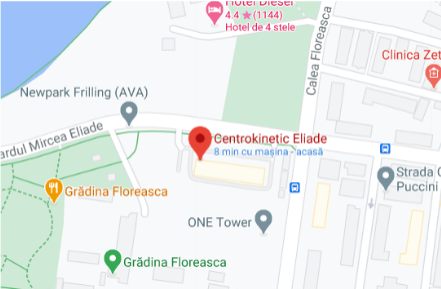
CENTROKINETIC FLOREASCA
Bucharest, 1st District,
Mircea Eliade Street, no. 18,
Eliade Tower, Entrance A, Floor 3
| Navigation | Explore 3D |
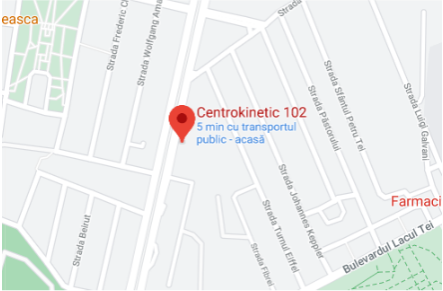
CENTROKINETIC Barbu Vacarescu
Bucharest, 2nd District,
Barbu Vacarescu Street, no. 102,
102 The Address, ground floor.
| Navigation | Explore 3D |
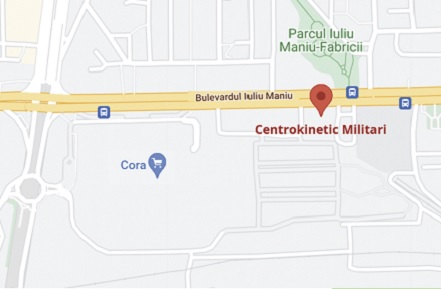
CENTROKINETIC MILITARI
Bucuresti, Sector 6,
Bld. Iuliu Maniu, nr. 15G,
Cladirea PBT, etaj 3.
| Navigation |
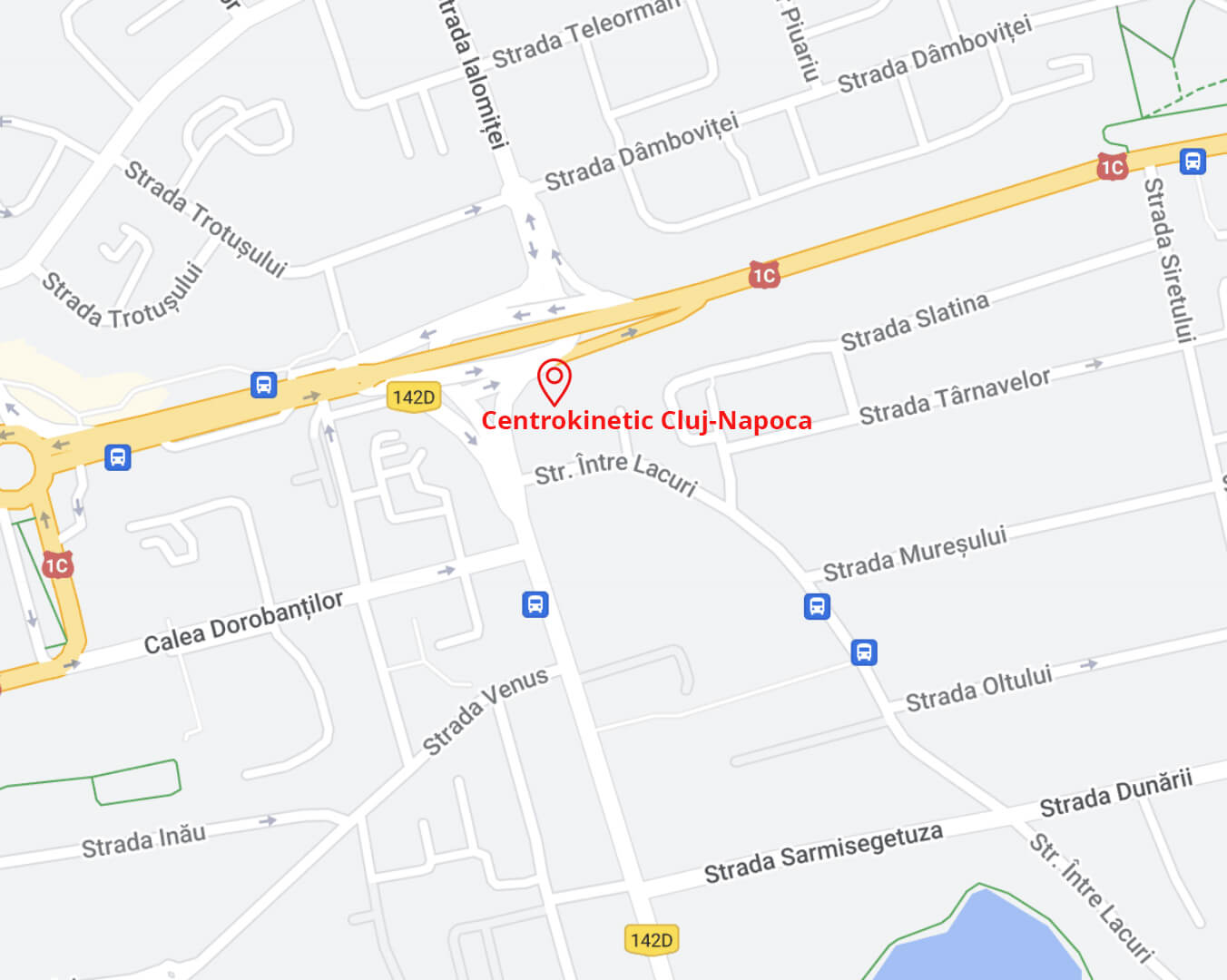
CENTROKINETIC CLUJ-NAPOCA
Cluj-Napoca,
Str. Intre Lacuri, nr.1
Intrarea este in spatele cladirii.
| Navigation |
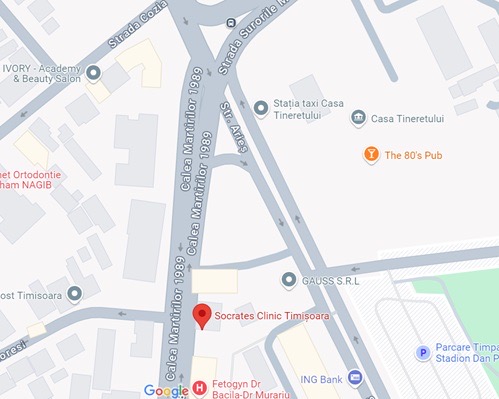
SOCRATES CLINIC TIMISOARA
Timisoara, Calea Martirilor 1989,
nr. 1.
Telefon: 0371 785 374.
| Navigation |
Phone: 0319693
E-mail: programari@centrokinetic.ro
Operating hours:
Monday – Friday: 07:00 – 21:00
Saturday: 09:00 – 14:00
Sunday: closed.
MAKE AN APPOINTMENT