Have you received a recommendation for medical rehabilitation and are wondering how much the entire process will cost? Do you want to know whether you need 5 sessions or 30 and how the final price is calculated? In 2026, the costs of medical rehabilitation in Romania vary depending on the condition, the duration of the program, the technology used, and the experience of the medical team. The differences can be significant between a simple program for a mild sprain and a complex post-operative one.
In this guide, you will find clear information about what the fee for a session includes, what factors influence the price, and how you can make the right decision for your health. Whether you are an active adult, an amateur or professional athlete, a recently operated patient, or a parent looking for quality services for your child, the information below helps you understand what to expect.
Many patients associate the cost only with the 45–60 minutes spent in the treatment room. In reality, the price reflects a complete medical process.
Any proper program begins with a detailed consultation. The doctor specialized in medical rehabilitation analyzes your medical history, imaging investigations (MRI, X-ray, ultrasound), and tests mobility, muscle strength, and joint stability.
This stage allows the establishment of a functional diagnosis and a plan adapted to your needs. A correct evaluation reduces the risk of unnecessary treatments and increases the chances of stable recovery. Patients who follow an individualized plan, based on a complete evaluation, have better progress and a lower risk of recurrence.
Each session involves the direct work of a kinesiotherapist or physiotherapist. Experience in sports traumatology, orthopedics, or post-operative rehabilitation influences the way the specialist adapts the exercises and the intensity of the treatment.
A patient operated on for an anterior cruciate ligament requires different supervision compared to a person with office-related neck pain. The constant adaptation of the program requires competence and attention.
In many cases, the program combines active exercises with physiotherapy procedures. Modern physiotherapy equipment includes technologies such as therapeutic laser, TECAR therapy, or shockwave.
The clinic invests in acquisition, maintenance, and updates, and these costs are reflected in the fee. The procedures contribute to reducing inflammation, controlling pain, and accelerating recovery, where there is a medical indication.
Recovery is not a rigid protocol. The specialist periodically tests progress, increases the difficulty of the exercises, or modifies the approach if obstacles appear.
This constant monitoring makes the difference between temporary improvement and functional recovery, which allows a return to usual activities or sports.
The final price of your program depends on several factors. Here is what you need to understand in order to plan your budget realistically.
A mild ankle sprain may require 5–8 sessions. In contrast, chronic lower back pain or a herniated disc may require 15–25 sessions, sometimes more.
For common conditions, such as lower back pain, the program includes:
Chronic conditions require longer-term monitoring. The total cost increases proportionally with the duration and complexity of the treatment.
After an orthopedic surgery (meniscus, anterior cruciate ligament, knee or hip replacement), the program is staged. Usually, you need 20–40 sessions distributed over 3–6 months. In the first weeks, the focus is on pain control and reducing edema. Later, the specialist works on regaining mobility and muscle strength.
In the acute phase, the doctor may recommend 2–3 sessions per week. As you approach the end of the program, the frequency decreases.
An intensive program, concentrated over a shorter period, may have a higher initial cost, but it reduces the total duration of treatment. Follow the recommended pace for optimal results.
A team with extensive experience in orthopedics and sports medicine knows how to quickly adapt the rehabilitation plan. Specialists who constantly participate in courses and international training apply updated techniques. Expertise does not artificially shorten the program, but it increases the efficiency of each session. In most cases, patients notice coherent and well-controlled progress.
Operational costs differ between large and small cities. Rent, equipment, salaries, and facilities influence fees.
A fully equipped clinic, with dedicated rooms for kinesiotherapy and modern equipment, offers better conditions for recovery. For indicative details about Centrokinetic fees, you can consult https://centrokinetic.ro/despre-noi/tarife.
| Main factor | How it influences cost | Concrete example |
|---|---|---|
| Start timing | Lower cost if you start early | Pain treated early vs. chronic problem |
| Plan complexity | Increases total cost | Simple program vs. post-operative protocol |
| Type of therapies included | Variable cost | Only exercises vs. + laser, TECAR, shockwave |
| Program duration | Directly proportional | 2 weeks vs. 3–6 months |
| Session frequency | Influences the monthly budget | 1 session/week vs. 3 sessions/week |
| Patient involvement | Can reduce cost | Home exercises vs. lack of consistency |
Many patients analyze the difference between rehabilitation reimbursed through the Health Insurance House and rehabilitation carried out in the private system.
To benefit from reimbursement, you need:
The number of sessions is limited. In some situations, waiting lists are long, and access to advanced technologies is restricted.
In the private system, you can schedule quickly and benefit from:
Some patients choose to combine rehabilitation programs reimbursed through CAS with additional private sessions in order to maintain the pace recommended by the doctor.

You cannot control all variables, but you can influence the duration and efficiency of the program.
If you ignore back or knee pain for months, the problem may worsen. Prompt intervention frequently reduces the total number of sessions needed and limits the chronicization of pain. Applying these principles lowers long-term costs.
Do not skip sessions and do not stop treatment as soon as the pain decreases. Symptom improvement does not mean that recovery is complete.
Premature interruption may lead to recurrence and restarting the program from scratch. Follow the doctor’s recommendations and discuss any concerns.
The kinesiotherapist shows you exercises you can do between sessions. If you perform them correctly and consistently, you can maintain the progress achieved in the clinic. The kinesiotherapy program usually also includes instructions for home. Your active involvement shortens the total duration of treatment.
For longer programs, many clinics offer packages with a reduced price per session. These help you plan your budget and maintain continuity. Talk openly with the doctor about estimating the number of sessions. This way, you will have a clearer picture of the total cost.
Prices vary between clinics, but we can discuss the structure of the programs indicatively.
An active adult who works at a desk and has had persistent pain for 6 months may need:
Average duration: 6–12 weeks. The total cost depends on session frequency and the combination of therapies.
Amateur or professional athletes require a program structured in stages. In the first 4 weeks, the focus is on mobility and neuromuscular control. Later, strength exercises and sport-specific training are introduced.
The program may include 30 or more sessions. The investment is higher, but proper rehabilitation increases the chances of returning to the previous level of activity.
Parents who need evaluation for gait disorders, scoliosis, or other musculoskeletal problems in children should know that the approach is different from that used for adults. The plan is adapted to the child’s age and stage of development. Early intervention corrects imbalances and may prevent later complications.
In 2026, the costs of medical staff, consumables, and equipment have increased. Clinics update fees in order to maintain quality standards. Investing in rehabilitation services reduces the long-term burden of musculoskeletal conditions. Applied at an individual level, this principle means fewer complications and fewer interruptions to professional activity. View rehabilitation as a planned intervention, not as an occasional expense.
A low fee does not guarantee efficiency. If the plan is not based on a clear diagnosis and functional objectives, you risk prolonging the problem. Correct evaluation offers you:
The personalized approach and the expertise of the medical team increase the chances of complete recovery. Do not postpone the consultation and do not self-diagnose. Each case has particularities that must be analyzed directly.
Schedule a specialist consultation now. Talk to the doctor, find out which plan is right for you, and start recovery on time!
The number varies depending on the condition. Acute problems may require 5–10 sessions. Chronic conditions or post-operative rehabilitation may reach 20–40 sessions. The doctor establishes the estimate after the initial evaluation.
Exercises can help, but without evaluation there is a risk of incorrect execution or worsening of symptoms. Consult a specialist for diagnosis and recommendations adapted to your situation.
Some techniques may produce mild discomfort, especially in the initial phases. The specialist adjusts the intensity so as to avoid overloading. Communicate openly about any symptom that appears during the sessions.
Disclaimer: This material is for informational purposes and does not replace a medical consultation. For diagnosis and a personalized plan, contact a specialist doctor in medical rehabilitation.
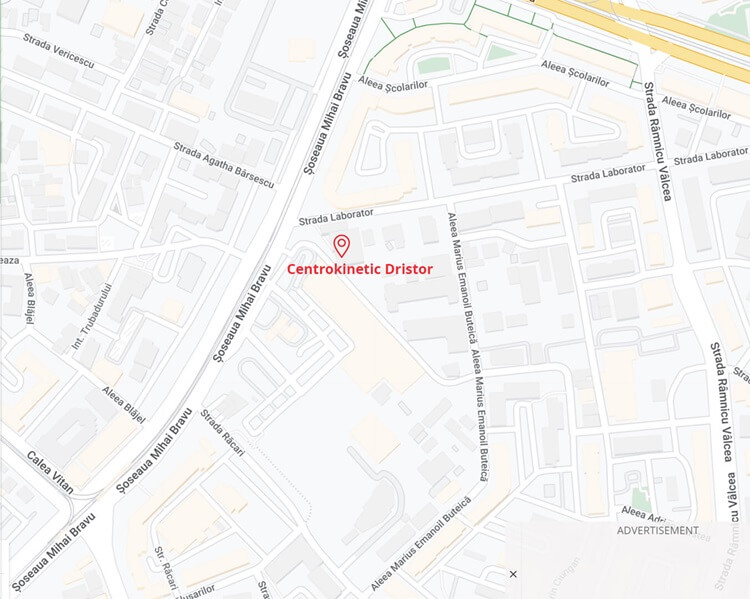
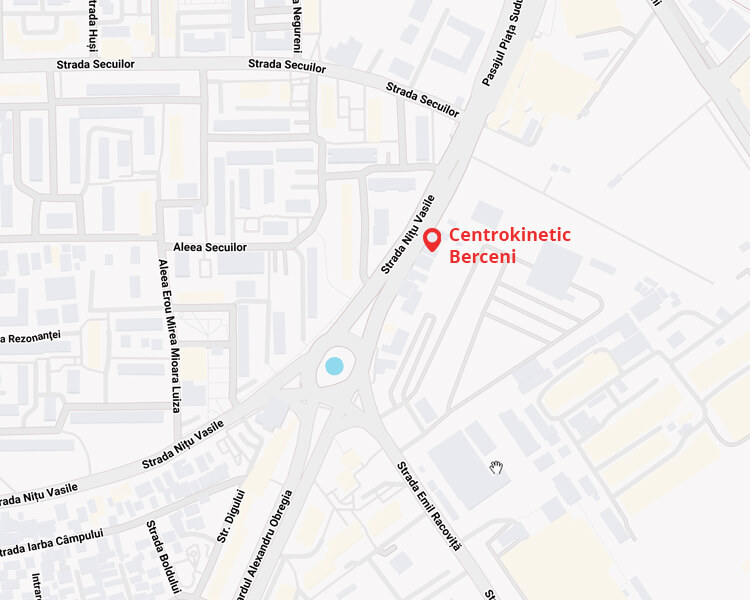
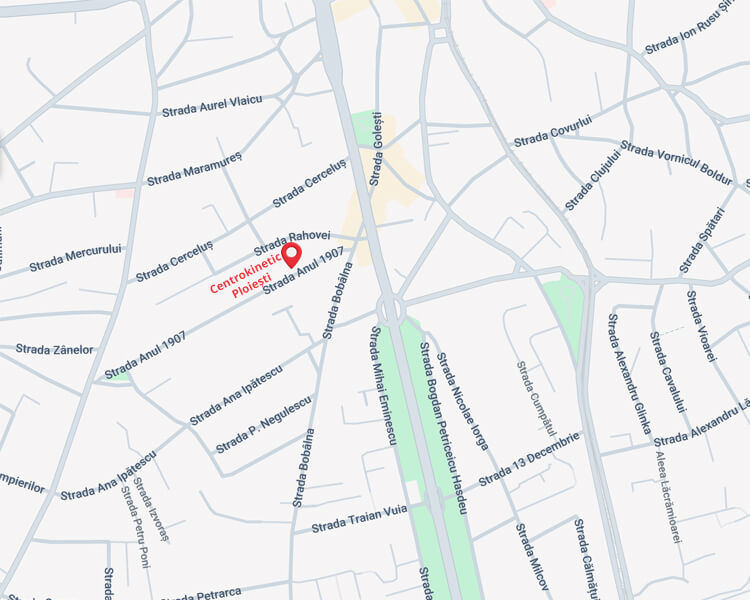
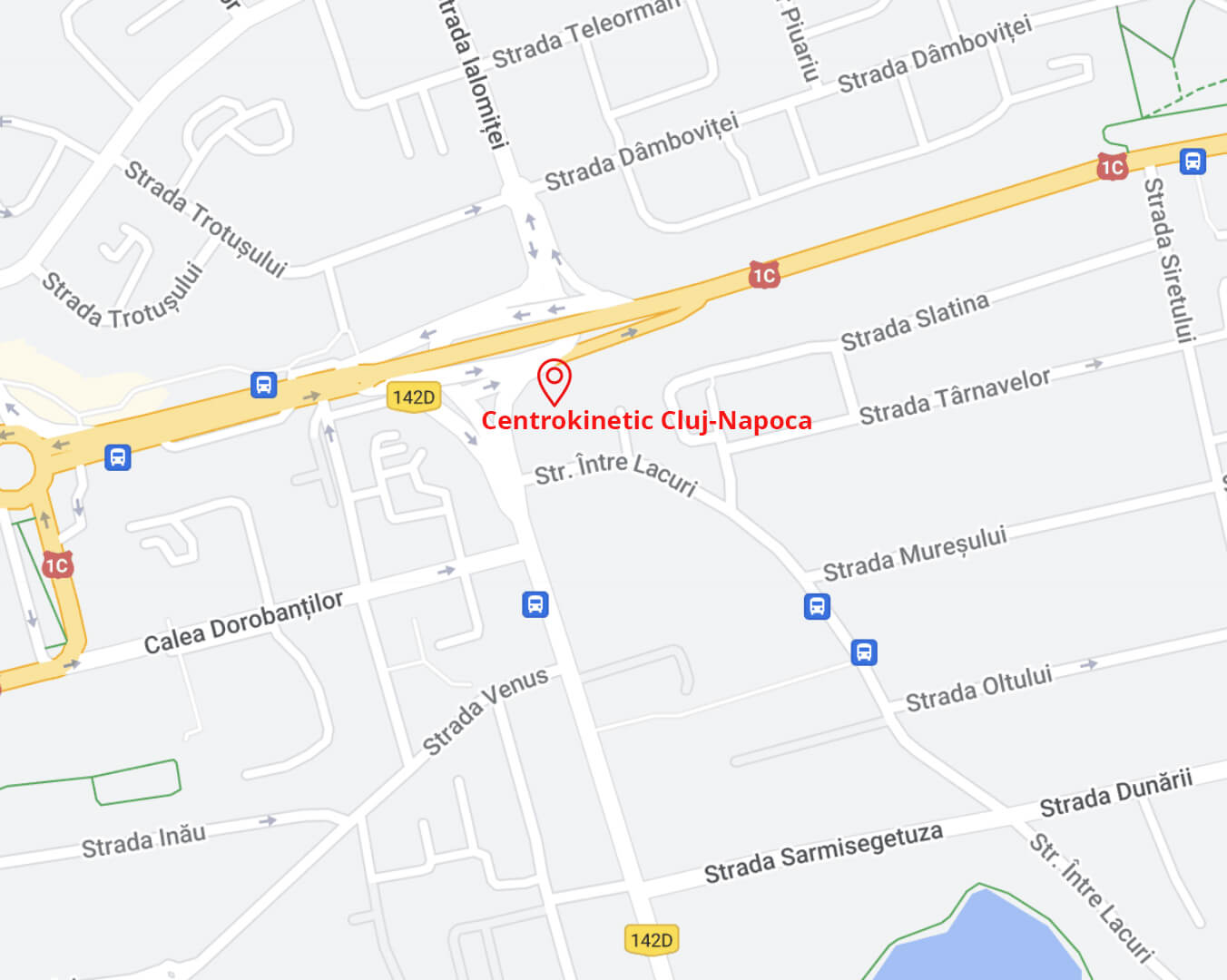
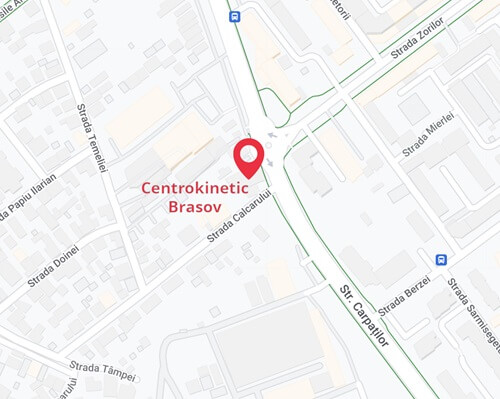
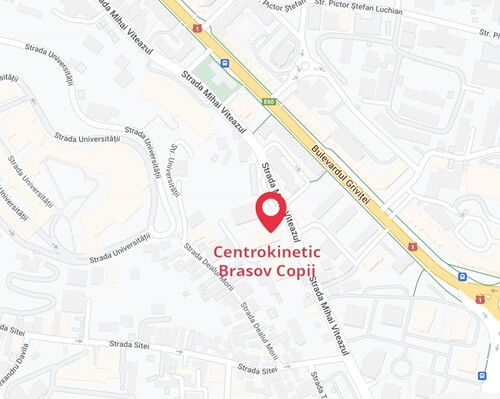
See here how you can make an appointment and the location of our clinics.







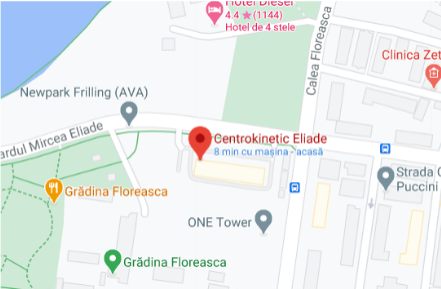
CENTROKINETIC FLOREASCA
Bucharest, 1st District,
Mircea Eliade Street, no. 18,
Eliade Tower, Entrance A, Floor 3
| Navigation | Explore 3D |
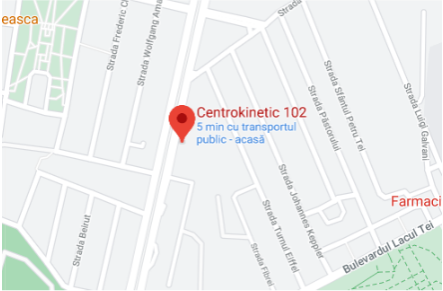
CENTROKINETIC Barbu Vacarescu
Bucharest, 2nd District,
Barbu Vacarescu Street, no. 102,
102 The Address, ground floor.
| Navigation | Explore 3D |
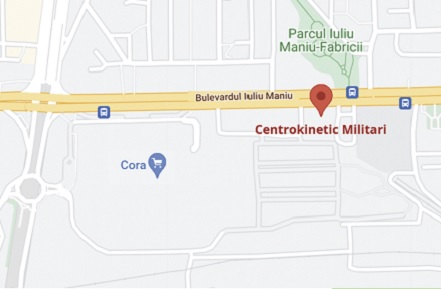
CENTROKINETIC MILITARI
Bucuresti, Sector 6,
Bld. Iuliu Maniu, nr. 15G,
Cladirea PBT, etaj 3.
| Navigation |
CENTROKINETIC CLUJ-NAPOCA
Cluj-Napoca,
Str. Intre Lacuri, nr.1
Intrarea este in spatele cladirii.
| Navigation |
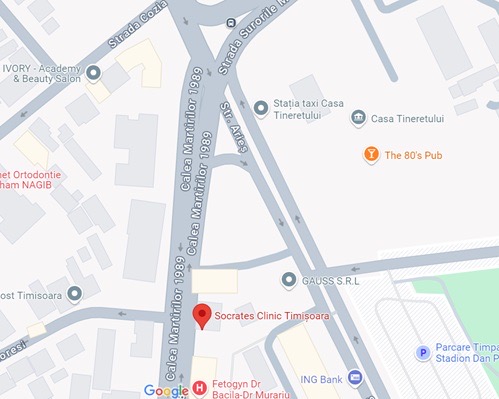
SOCRATES CLINIC TIMISOARA
Timisoara, Calea Martirilor 1989,
nr. 1.
Telefon: 0371 785 374.
| Navigation |
Phone: 0319693
E-mail: programari@centrokinetic.ro
Operating hours:
Monday – Friday: 07:00 – 21:00
Saturday: 09:00 – 14:00
Sunday: closed.
MAKE AN APPOINTMENT