MENOPAUSE REHABILITATION



Menopause is a natural stage in a woman's life, but the hormonal changes that occur during this period can significantly influence the health of the bones, muscles, joints, spine, sleep, metabolism and pelvic function. Therefore, medical rehabilitation during menopause should not be viewed only as a treatment for pain, but as a complete strategy for maintaining mobility, strength, balance and quality of life.
Menopause usually occurs between the ages of 45 and 55 and is defined by the absence of menstruation for 12 consecutive months. The decrease in estrogen levels can lead to hot flashes, sleep disturbances, weight gain, joint pain, reduced muscle mass, loss of bone mass, vaginal dryness and urinary symptoms.
At Centrokinetic, the approach for women going through menopause includes medical evaluation, personalized physiotherapy programs, therapeutic massage for the spine, manual therapy, lymphatic drainage, NESA therapy, muscle electrostimulation and REMED chair therapy for urinary incontinence.
Why is medical rehabilitation important during menopause?
After menopause, the body goes through changes that can affect both the musculoskeletal system and the pelvic area. Estrogen deficiency is associated with loss of bone mineral density and an increased risk of osteoporosis, and international guidelines emphasize the importance of fracture risk assessment in women going through menopause.
Data from the International Osteoporosis Foundation show that vertebral fractures are the most common osteoporotic fractures, and a 50-year-old woman has a lifetime risk of approximately 16% for a vertebral fracture. Also, a 65-year-old woman who has already had a vertebral fracture has a 1 in 4 risk of suffering a new fracture in the next 5 years, a risk that can be reduced through appropriate treatment.
In addition to bone health, menopause also influences muscle function. Studies describe an association between the menopausal transition, bone mass loss and reduced muscle mass, and physical activity is one of the key interventions for slowing down these processes.
What do international protocols say?
The World Health Organization recommends that adults perform at least 150 minutes of moderate physical activity per week or 75 minutes of vigorous activity, plus muscle-strengthening exercises for the major muscle groups at least 2 times per week. For people over 65 or those at risk of falling, balance and fall-prevention exercises are also recommended at least 3 days per week.
The NICE guideline for menopause aims to standardize the assessment and management of menopausal symptoms, while The Menopause Society/NAMS emphasizes that treatment should be individualized, with decisions made together with the patient and periodic reassessment. Hormone therapy remains the most effective option for vasomotor symptoms and the genitourinary syndrome of menopause, but medical rehabilitation has an essential complementary role in maintaining physical function, muscle tone, mobility and continence.
Common menopause symptoms that may benefit from rehabilitation
Women going through menopause may seek medical rehabilitation for lower back, neck or joint pain, reduced muscle strength, stiffness, postural disorders, swelling of the lower limbs, heavy legs, reduced exercise tolerance, weight gain, instability, risk of falling or episodes of involuntary urine leakage.
An important aspect is urinary incontinence. International literature shows that urinary symptoms are common in women going through menopause, and the prevalence of urinary incontinence increases with age. A study published in 2025 reported a prevalence of 30.8% of urinary incontinence in women going through menopause, while other clinical guidelines mention that urinary symptoms may affect between 38% and 55% of women over 60.
The genitourinary syndrome of menopause may include vaginal dryness, burning sensation, discomfort during sexual intercourse, frequent urination, urinary urgency, recurrent urinary tract infections and urinary incontinence. The prevalence reported in studies varies widely, from 36% to almost 90%, which shows that these symptoms are very common, but often insufficiently discussed.
Physiotherapy during menopause
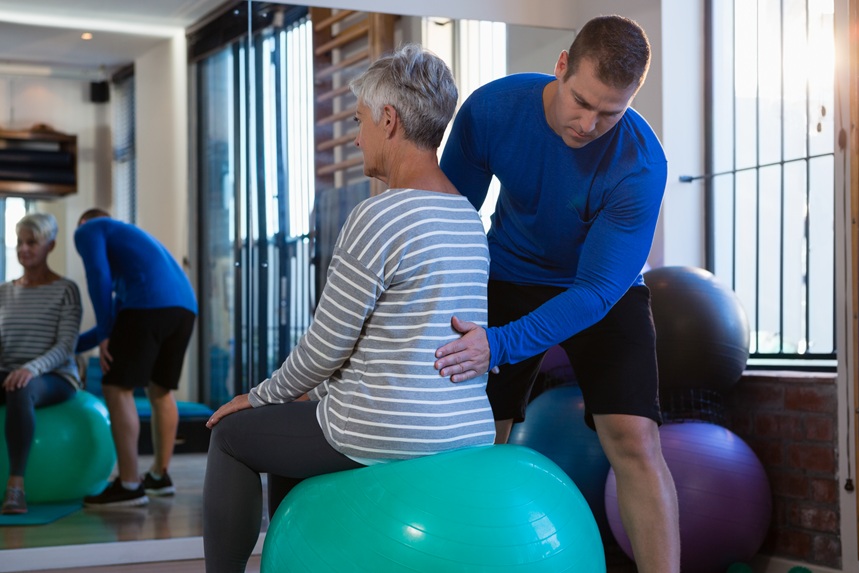
Physiotherapy is one of the most important components of rehabilitation during menopause. The program must be adapted according to age, activity level, weight, pain, bone density, history of fractures, surgical interventions, cardiovascular status and possible urinary symptoms.
An effective program may include exercises for increasing muscle strength, lumbopelvic stabilization, joint mobility, posture, balance, coordination and functional training. For women at risk of osteoporosis, progressive loading exercises, strength training and balance exercises can help reduce the risk of falling and maintain functional independence.
In the case of urinary incontinence, pelvic floor muscle training is considered a first-line conservative treatment. A Cochrane review shows that women with stress urinary incontinence who followed pelvic floor exercise programs were, on average, six times more likely to report cure or improvement compared with control groups.
Therapeutic massage for the spine
During menopause, cervical, thoracic and lumbar pain may be intensified by postural changes, reduced muscle mass, stress, sleep disturbances and a sedentary lifestyle. Therapeutic massage for the spine can help reduce muscle tension, improve local circulation, relax the paravertebral muscles and increase comfort during movement.
Massage does not replace therapeutic exercise, but it can complement it very well. In practice, many patients tolerate physiotherapy better after muscle contractures and pain are reduced, and mobility can be gradually regained by combining massage with active exercises.
Manual therapy
Manual therapy can be useful for women who have joint stiffness, spinal pain, mobility limitations or musculoskeletal dysfunctions. The techniques are chosen according to the medical evaluation and may include joint mobilizations, soft tissue techniques and muscle relaxation maneuvers.
The purpose of manual therapy is to reduce pain, improve mobility and prepare the body for active exercises. During menopause, the focus should be on safety, gradual progression and integrating manual therapy into a complete plan, not on isolated treatments.
Lymphatic drainage
Some women going through menopause experience water retention, heavy legs or swelling of the lower limbs. Lymphatic drainage is a gentle, relaxing procedure that aims to stimulate lymphatic circulation and reduce the discomfort associated with swelling. Centrokinetic describes lymphatic drainage as a relaxing procedure, frequently associated with the feeling of “light legs”.
It is important for lymphatic drainage to be recommended after evaluation, especially if there are cardiovascular diseases, venous insufficiency, significant lymphedema, previous oncological interventions or other associated conditions.
NESA therapy
NESA XSignal therapy is a non-invasive, painless neuromodulation technology that uses coordinated electrical impulses with the purpose of influencing the functioning of the autonomic nervous system.
In the context of menopause, this therapy can be integrated into the rehabilitation plan for carefully selected patients, especially when there are sleep disturbances, stress, fatigue, neurovegetative imbalances or persistent pain. It should not be presented as a standalone treatment for menopause, but as part of a personalized approach, together with physiotherapy, medical education, weight control, sleep hygiene and the treatment recommended by the gynecologist or endocrinologist.
Muscle electrostimulation
Muscle electrostimulation can be used in rehabilitation to activate the muscles, improve tone and support neuromuscular re-education. During menopause, it may be especially useful in programs dedicated to weakened muscles, lumbopelvic stabilization or functional recovery, depending on the doctor's indication.
For the pelvic area, muscle stimulation can play an important role in the conservative treatment of urinary incontinence, especially when the patient cannot correctly contract the pelvic floor muscles or needs additional support for retraining them.
REMED therapy for urinary incontinence
Urinary incontinence should not be considered a “normal” consequence of aging. Involuntary urine leakage when coughing, sneezing, laughing, exercising or lifting weights can be treated through conservative methods, especially when the patient comes for evaluation early.
At Centrokinetic, REMED chair therapy uses functional muscle stimulation to tone the pelvic floor muscles. According to the information published by the clinic, one session lasts 15 minutes, the patient sits on the chair, and the equipment generates approximately 30,000 pelvic muscle contractions; the average recommended duration is 6-8 sessions, with a frequency of 2-3 sessions per week.
REMED chair therapy can be integrated into a broader program that includes pelvic floor exercises, education regarding breathing and intra-abdominal pressure, weight control, posture correction and adaptation of daily activities.
What does a complete menopause rehabilitation program look like?
An effective program begins with a medical evaluation. Symptoms, activity level, pain, posture, balance, history of fractures, risk of osteoporosis, weight, sleep quality, urinary symptoms and the patient's goals are analyzed.
.jpg "osteoporosis rehabilitation")
- Personalized physiotherapy for strength, balance, mobility, posture and lumbopelvic stabilization.
- Pelvic floor exercises in the case of urinary incontinence or genitourinary symptoms.
- Therapeutic massage and manual therapy to reduce spinal pain and muscle tension.
- Lymphatic drainage for swelling, heavy legs or fluid retention, if indicated.
- NESA therapy for neurovegetative support, relaxation and integration into complex rehabilitation programs.
- Muscle electrostimulation for neuromuscular re-education and toning.
- REMED therapy for urinary incontinence, especially in forms of stress incontinence or pelvic muscle weakness.
When should you schedule an evaluation?
It is recommended to request a medical evaluation if you have persistent back or joint pain, reduced strength, a feeling of instability, falls, a diagnosis of osteopenia or osteoporosis, swelling in the legs, pronounced fatigue, reduced exercise tolerance or involuntary urine leakage.
In the case of urinary incontinence, treatment started early has better chances of success. Pelvic floor exercises and muscle stimulation therapies can reduce symptoms, improve quality of life and delay or avoid the need for invasive treatments, depending on the severity and cause of the problem.
Menopause rehabilitation at Centrokinetic
At Centrokinetic, menopause rehabilitation is built around the patient. The goal is not only to reduce symptoms, but to maintain an active life, prevent complications and regain confidence in one's own body.
By combining physiotherapy with manual therapies, lymphatic drainage, NESA, muscle electrostimulation and REMED chair therapy for urinary incontinence, the rehabilitation plan can be adapted to each woman, depending on age, symptoms, goals and associated conditions.
Menopause should not mean pain, sedentary behavior or limitation of daily activities. With proper evaluation and a personalized program, this period can become a good time for prevention, strength, mobility and balance.
Centrokinetic is the place where you will find clear answers and effective solutions for musculoskeletal conditions. Our clinic, dedicated to musculoskeletal disorders, is organized into the following specialized departments:
- Orthopedics, a department composed of a highly experienced team of orthopedic surgeons specializing in sports traumatology.
- Pediatric Orthopedics, where sports injuries in children (ligament and meniscus injuries), spinal deformities (scoliosis, kyphosis, hyperlordosis), and foot deformities (hallux valgus, hallux rigidus, equinovarus foot, flatfoot, cavus foot) are treated.
- Neurology, featuring a state-of-the-art department where consultations, electroencephalograms (EEG), and electromyography (EMG) examinations are performed.
- Medical Rehabilitation for adults and children, a department specialized in the rehabilitation of professional athletes, spinal disorders, and children with neurological and traumatic conditions. Our extensive experience includes treating more than 5,000 professional athletes.
- Medical Imaging, with the clinic equipped with ultrasound and MRI systems dedicated to musculoskeletal conditions, complemented by an experienced radiologist, Dr. Cosmin Pantu, specialized in musculoskeletal imaging.
- Rheumatology, a comprehensive department dedicated to the diagnosis, treatment, and rehabilitation of patients with non-surgical musculoskeletal disorders.
- Vascular Surgery, a highly specialized department focused on the diagnosis and treatment of vascular diseases affecting arteries, veins, and lymphatic vessels.
- Psychology and Speech Therapy. Neurological and musculoskeletal conditions can have a psychological impact on patients, which is why we believe complete recovery requires addressing both the physical condition and its psychological consequences.
- Neurofeedback. This innovative method helps improve concentration, reduce anxiety, and achieve emotional balance through a simple and interactive process.
Stay up to date by following Centrokinetic on Facebook, Instagram, and YouTube.
MAKE AN APPOINTMENT
FOR AN EXAMINATION
See here how you can make an appointment and the location of our clinics.
MAKE AN APPOINTMENT
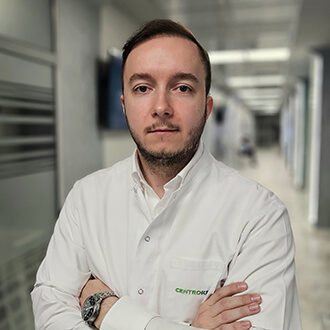
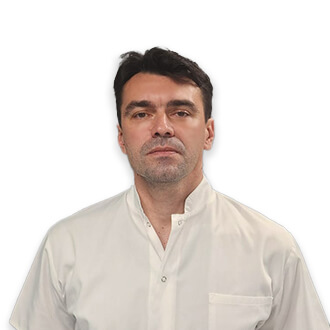
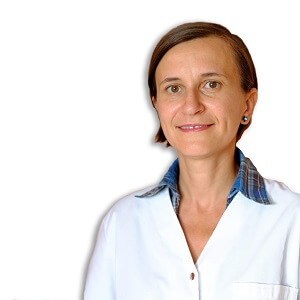
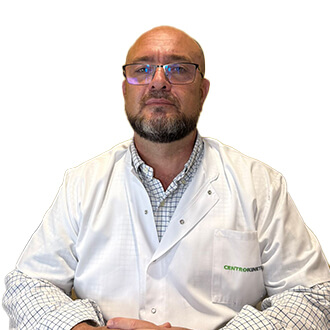
BUCHAREST TEAM






































CLUJ NAPOCA TEAM


















BRASOV TEAM









Asiguratori privati

Parteneriate

CENTROKINETIC FLOREASCA
Bucharest, 1st District,
Mircea Eliade Street, no. 18,
Eliade Tower, Entrance A, Floor 3
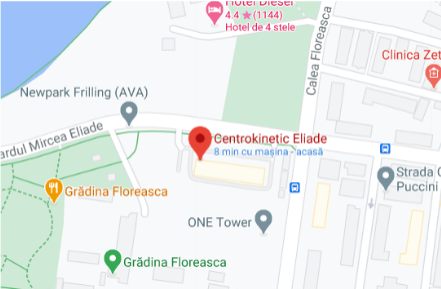
| Navigation | Explore 3D |
CENTROKINETIC Barbu Vacarescu
Bucharest, 2nd District,
Barbu Vacarescu Street, no. 102,
102 The Address, ground floor.
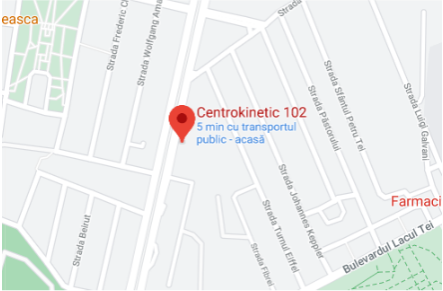
| Navigation | Explore 3D |
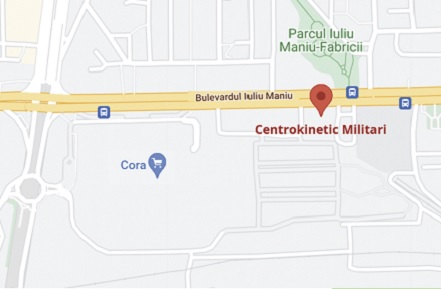
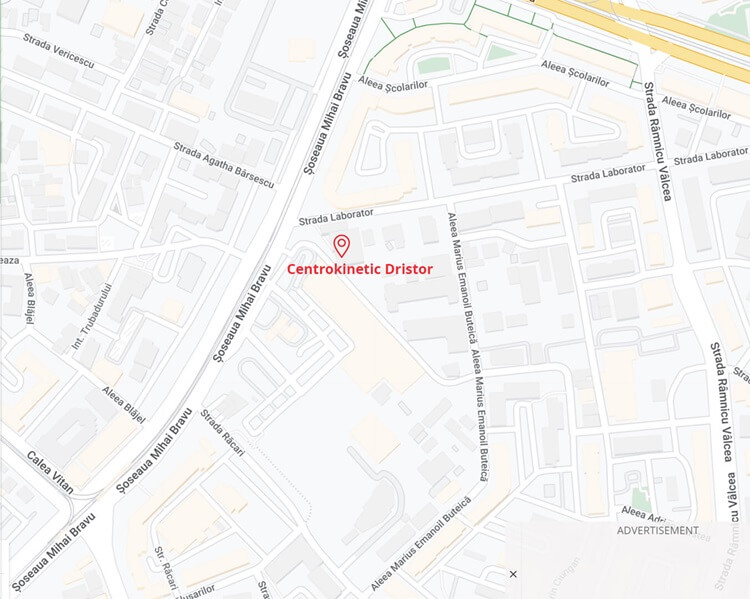
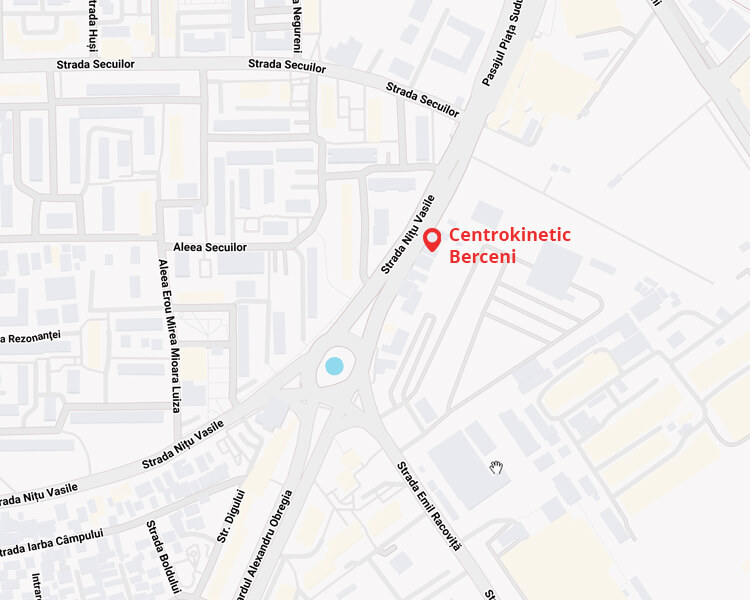
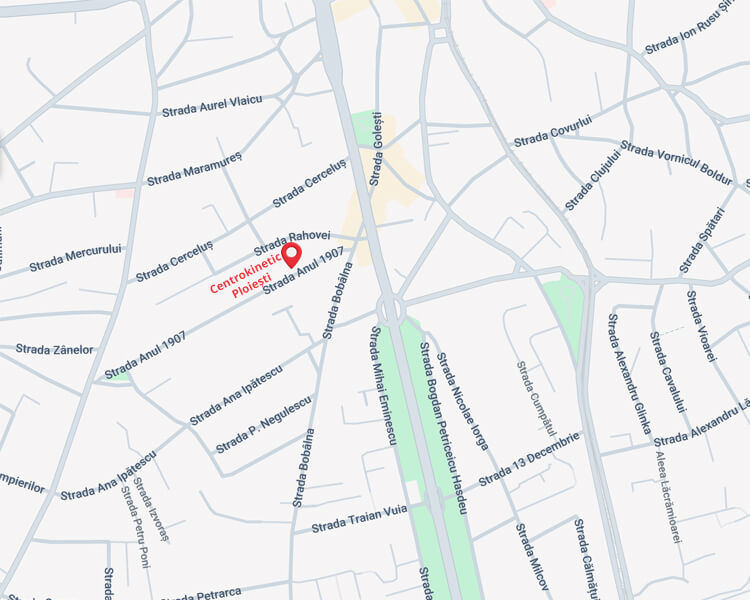
CENTROKINETIC MILITARI
Bucuresti, Sector 6,
Bld. Iuliu Maniu, nr. 15G,
Cladirea PBT, etaj 3.
| Navigation |
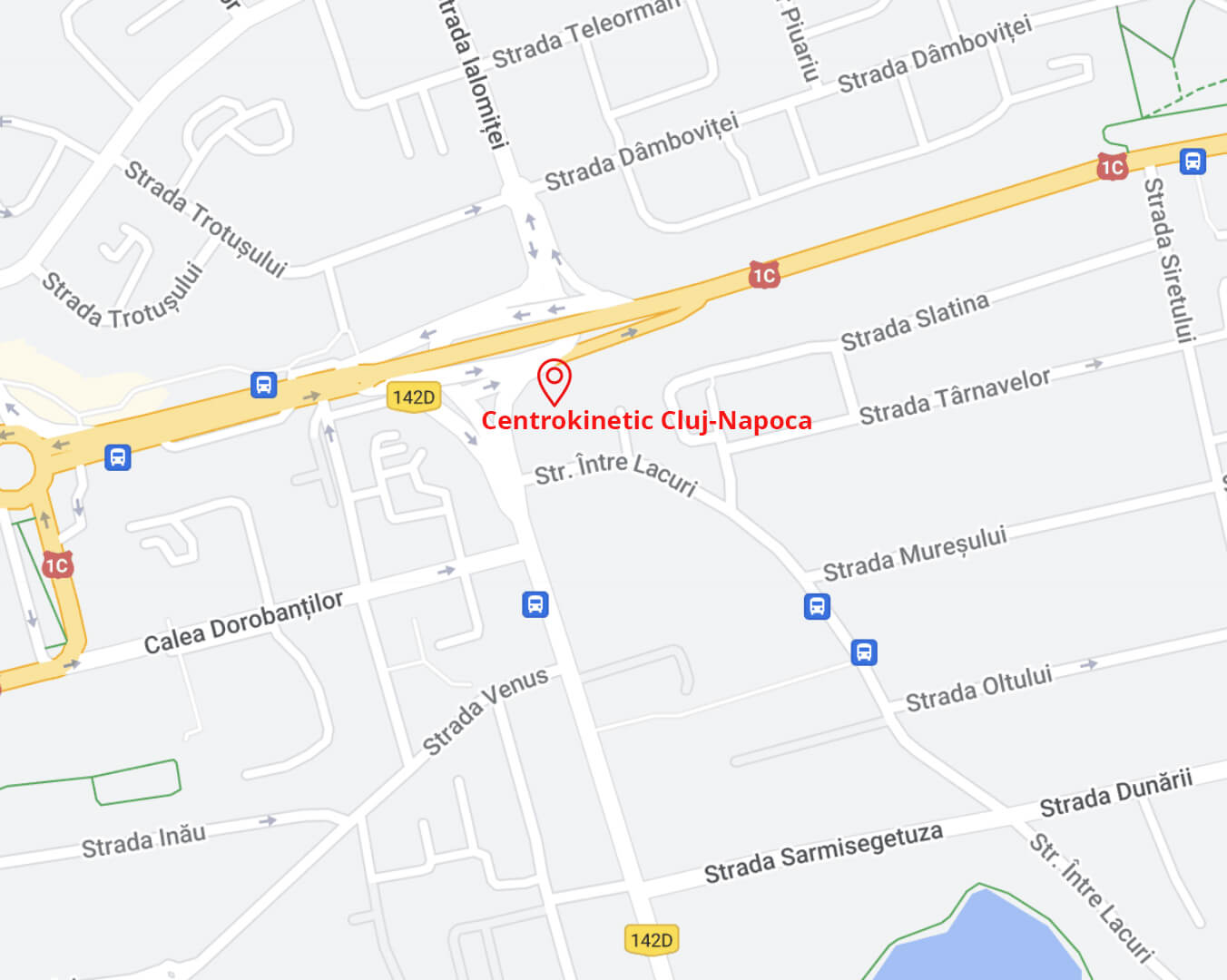
CENTROKINETIC CLUJ-NAPOCA
Cluj-Napoca,
Str. Intre Lacuri, nr.1
Intrarea este in spatele cladirii.
| Navigation |
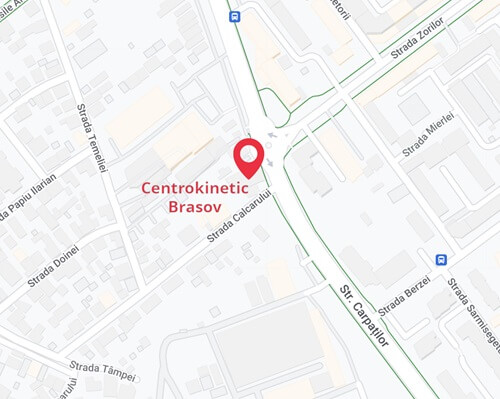
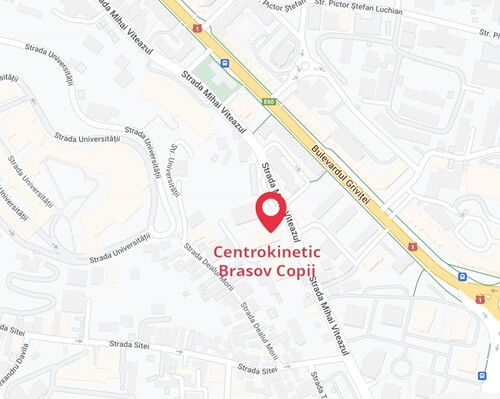
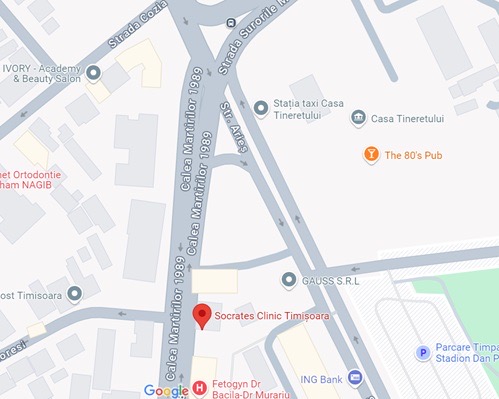
SOCRATES CLINIC TIMISOARA
Timisoara, Calea Martirilor 1989,
nr. 1.
Telefon: 0371 785 374.
| Navigation |
CONTACT
Phone: 0319693
E-mail: programari@centrokinetic.ro
Operating hours:
Monday – Friday: 07:00 – 21:00
Saturday: 09:00 – 14:00
Sunday: closed.
MAKE AN APPOINTMENT