Evaluations


Centrokinetic Assessments
At Centrokinetic, every treatment plan starts with an essential question: what is actually happening in your body?
Pain, instability, altered posture, lack of strength, or uncertainty about returning to sport should not be evaluated based only on how you feel. That is why we use clinical, functional, postural, and biomechanical assessments that transform symptoms into clear and measurable information.
Through these assessments, Centrokinetic specialists can identify real limitations, muscle imbalances, control deficits, limb asymmetries, postural changes, and risk factors that may influence recovery and performance.
What types of assessments are available at Centrokinetic
- Biomechanical analysis
- 3D postural analysis – Moti Physio
- 3D postural analysis – Spine
- Functional assessment
- Return-to-sport assessment
- Assessment at 2–3 months after meniscectomy
- Assessment at 3 months after meniscus repair
- Assessment at 3 months after ACL reconstruction
- Assessment at 6 months after ACL reconstruction
Biomechanical analysis
Biomechanical analysis transforms movement into objective data. Using advanced testing systems, we evaluate strength, neuromuscular control, limb symmetry, stability, gait, running mechanics, jumping performance, and the body’s ability to generate and absorb forces.
This assessment is recommended for athletes, patients recovering after injuries or surgery, as well as active individuals who want to prevent overload and better understand how their body functions.
3D postural analysis – Moti Physio
The Moti Physio 3D postural analysis provides a clear picture of body alignment without radiation and without invasive procedures. The system identifies shoulder asymmetries, forward head posture, pelvic rotations, postural imbalances, and movement-related changes that may influence pain or efficiency.
This assessment is suitable for active adults, seniors, athletes, or people who spend long hours at a desk and want to correct posture through a personalized exercise plan.
3D postural analysis – Spine
Spine 3D is a modern spinal assessment performed using non-invasive, radiation-free technology. It allows evaluation of posture in frontal, sagittal, and dynamic planes, identifying deviations, vertebral rotations, pelvic position, and relevant asymmetries.
It is recommended for children and adolescents (scoliosis screening), individuals with back pain, athletes, post-operative patients, and anyone who wants objective monitoring of spinal posture.
Functional assessment
The functional assessment is the starting point of any rehabilitation program. The physiotherapist evaluates pain, mobility, strength, movement control, and compensatory patterns.
The goal is not only to identify where the pain is located, but to understand why the problem occurs and what needs to be corrected. At the end of the assessment, the patient receives a clear explanation and a realistic treatment plan adapted to their goals.
Return-to-sport assessment
Returning to sport should not be decided only because pain has decreased or enough time has passed. The return-to-sport assessment objectively determines whether the body is prepared for running, jumping, cutting movements, acceleration, deceleration, and sport-specific effort.
We evaluate strength, stability, control, symmetry, movement quality, and psychological readiness so the patient clearly understands whether it is safe to return, whether restrictions are needed, or which deficits still require improvement.
Assessment at 2–3 months after meniscectomy
After meniscectomy, pain may decrease quickly, but the knee can remain vulnerable to impact, running, or repeated loading. The 2–3 month assessment evaluates mobility, absence of swelling, muscle strength, single-leg control, and readiness to progressively resume running or higher-intensity activities.
This assessment is useful for patients who want to return to brisk walking, running, recreational sport, or daily activities without fear of recurrence.
Assessment at 3 months after meniscus repair
At approximately 12 weeks after meniscus repair, a common question appears: “Can I start running?”. This assessment verifies whether the knee is ready for increased impact through clear criteria: mobility, absence of joint effusion, minimum strength levels, hop tests, squat assessment, and functional control.
The goal is to protect the repaired meniscus and guide a safe and gradual return to running and sport.
Assessment at 3 months after ACL reconstruction
At 3 months after ACL reconstruction, the knee may feel better, but important differences in strength, stability, and control between the operated leg and the healthy leg may still exist.
This assessment determines whether the patient can safely begin running or increase training intensity using objective criteria such as mobility, absence of inflammation, strength, symmetry, jumping ability, and movement quality.
Assessment at 6 months after ACL reconstruction
At 6 months after ACL reconstruction, the important question is not only “Do I feel better?”, but “Am I ready to return to sport?”. This assessment evaluates strength, symmetry, jumping and landing mechanics, change-of-direction ability, load tolerance, and neuromuscular control.
It is one of the most important evaluations before returning to sport because it helps reduce reinjury risk and provides a clear plan for the next stage of recovery.
Why Centrokinetic assessments are important
Our assessments provide clarity. Instead of making decisions based on impressions, we rely on clinical observations, functional testing, and objective measurements.
This allows us to answer important questions such as:
- Why do I have pain?
- What is missing for full recovery?
- Can I start running?
- Am I ready to return to sport?
- Where are the imbalances or compensations?
- What should I focus on in the coming weeks?
At the end of the assessment, the patient receives a clear picture of their functional status and a personalized plan: what they can do now, what should be avoided, what needs improvement, and when reassessment is recommended.
Schedule a Centrokinetic assessment
If you have pain, have undergone surgery, want to return to sport, or simply want to better understand how your body functions, an objective assessment is the safest starting point.
Call 031 9693 to schedule a Centrokinetic assessment.
MAKE AN APPOINTMENT
FOR AN EXAMINATION
See here how you can make an appointment and the location of our clinics.
MAKE AN APPOINTMENT
BUCHAREST TEAM


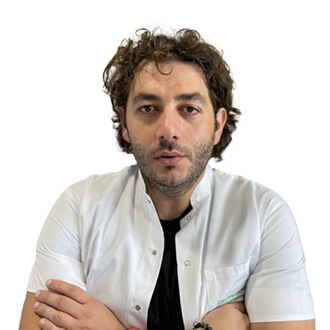

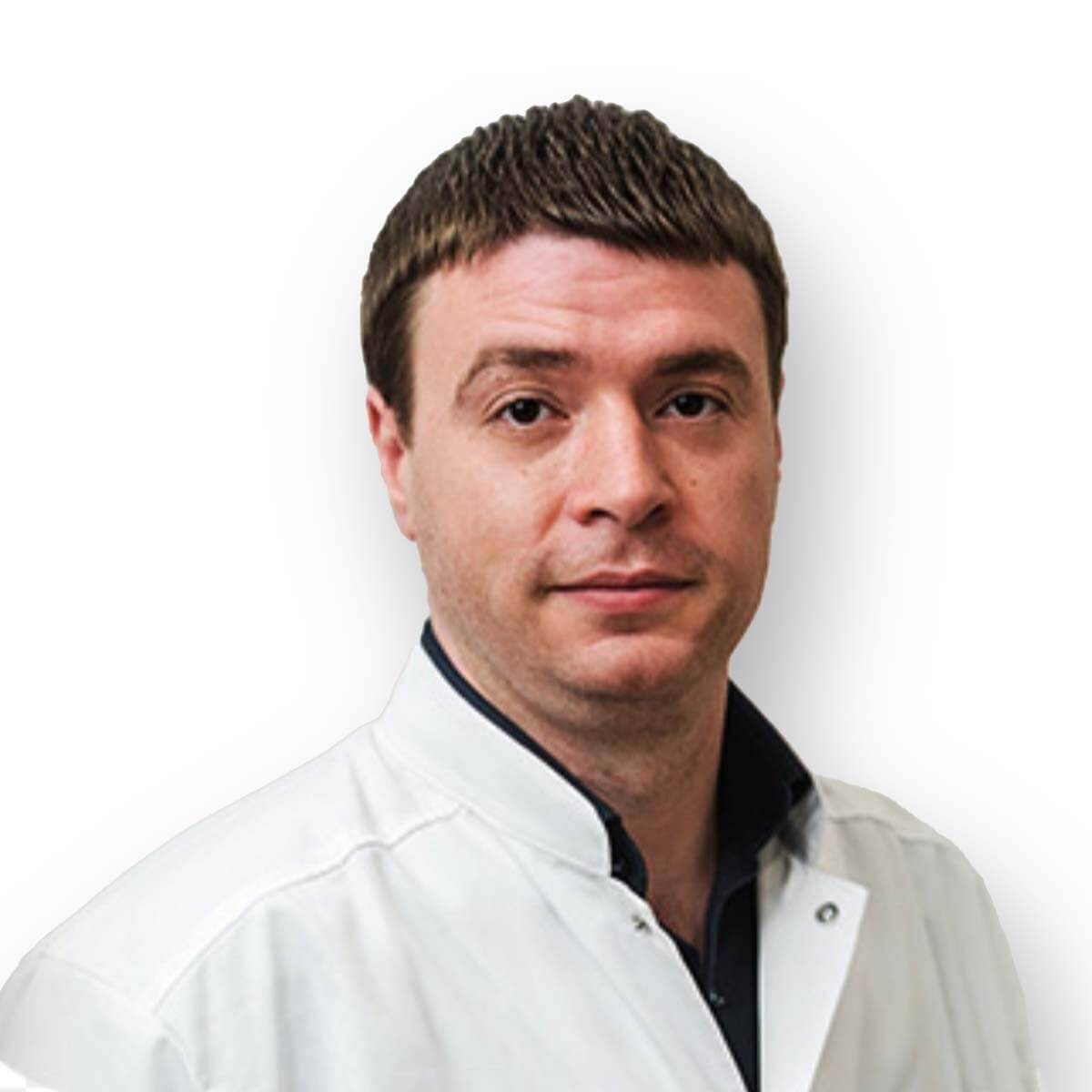



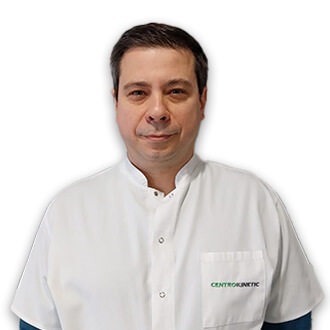


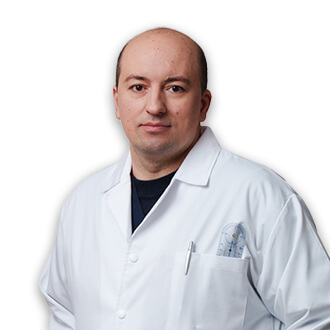



















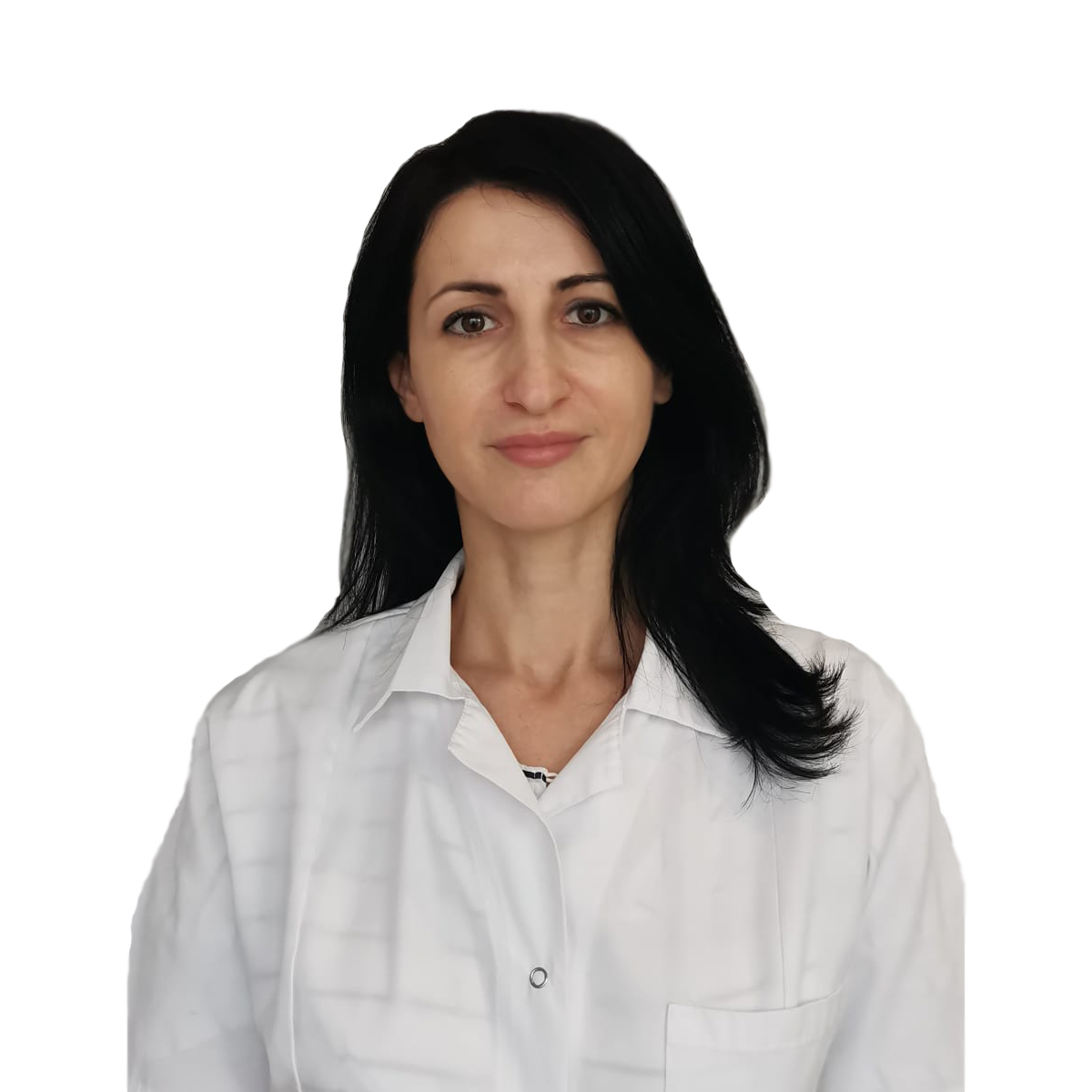






























CLUJ NAPOCA TEAM































BRASOV TEAM














Asiguratori privati





Parteneriate



CENTROKINETIC FLOREASCA
Bucharest, 1st District,
Mircea Eliade Street, no. 18,
Eliade Tower, Entrance A, Floor 3
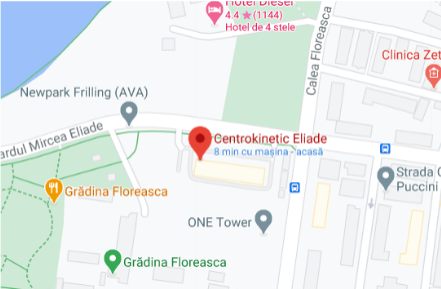
| Navigation | Explore 3D |
CENTROKINETIC Barbu Vacarescu
Bucharest, 2nd District,
Barbu Vacarescu Street, no. 102,
102 The Address, ground floor.
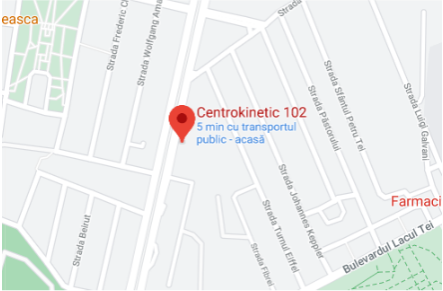
| Navigation | Explore 3D |
CENTROKINETIC MILITARI
Bucuresti, Sector 6,
Bld. Iuliu Maniu, nr. 15G,
Cladirea PBT, etaj 3.
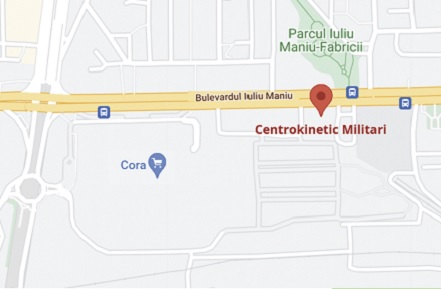
| Navigation |
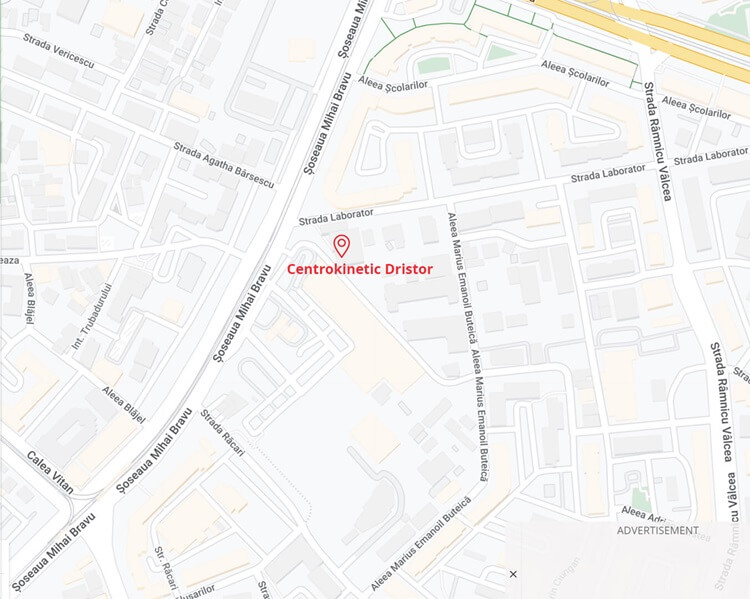
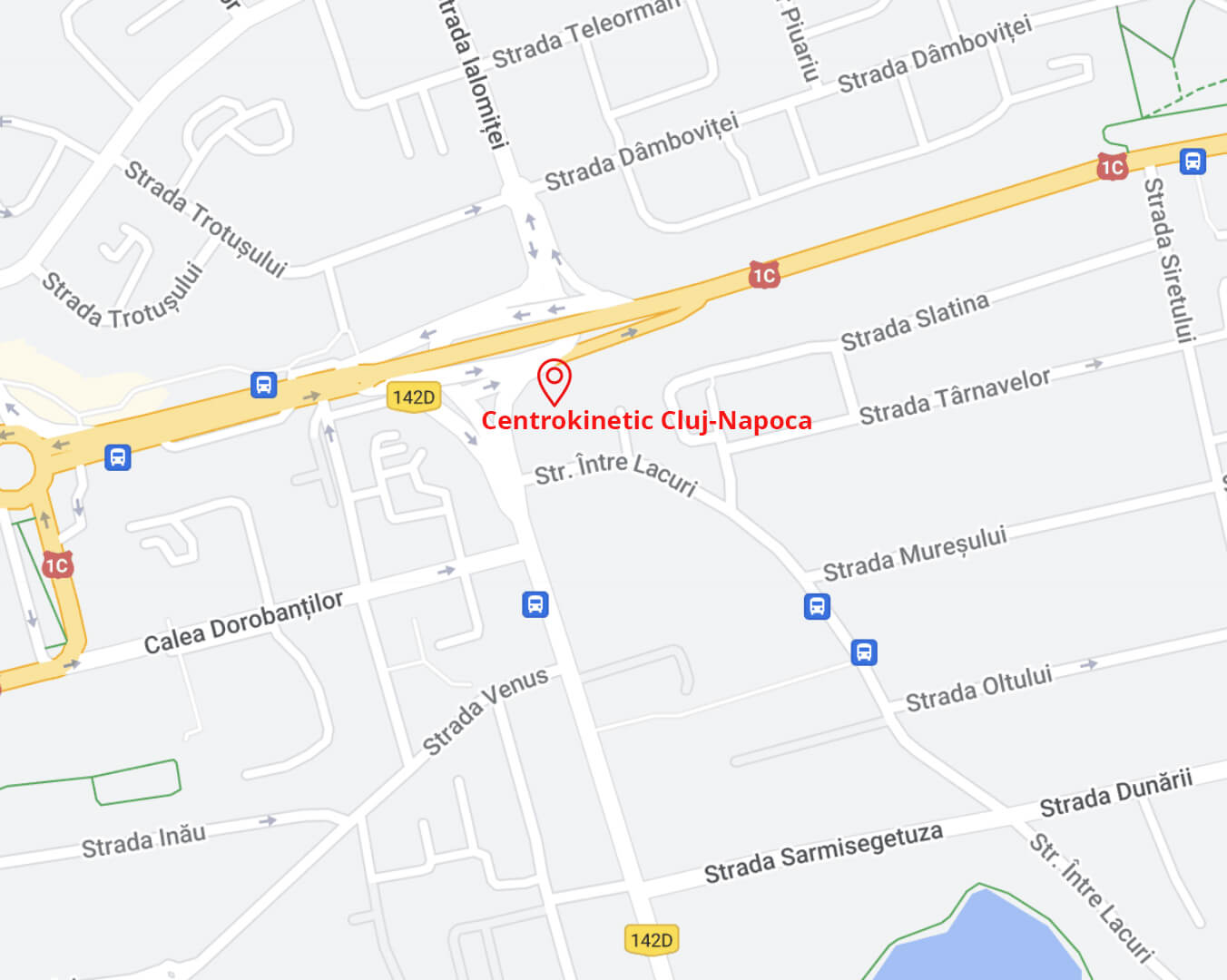
CENTROKINETIC CLUJ-NAPOCA
Cluj-Napoca,
Str. Intre Lacuri, nr.1
Intrarea este in spatele cladirii.
| Navigation |
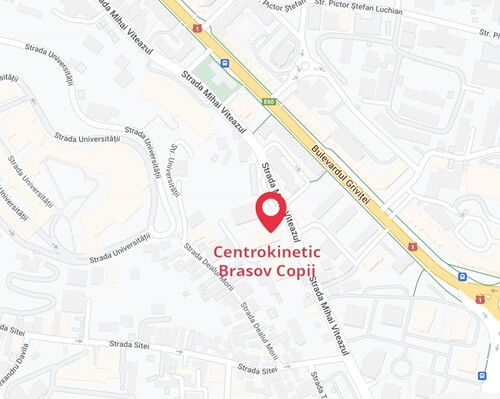
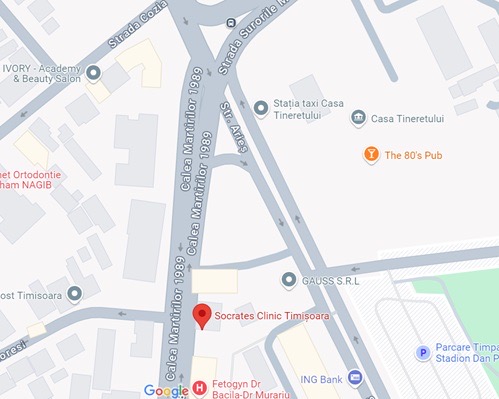
SOCRATES CLINIC TIMISOARA
Timisoara, Calea Martirilor 1989,
nr. 1.
Telefon: 0371 785 374.
| Navigation |
CONTACT
Phone: 0319693
E-mail: programari@centrokinetic.ro
Operating hours:
Monday – Friday: 07:00 – 21:00
Saturday: 09:00 – 14:00
Sunday: closed.
MAKE AN APPOINTMENT