POST ACL ASSESSMENT


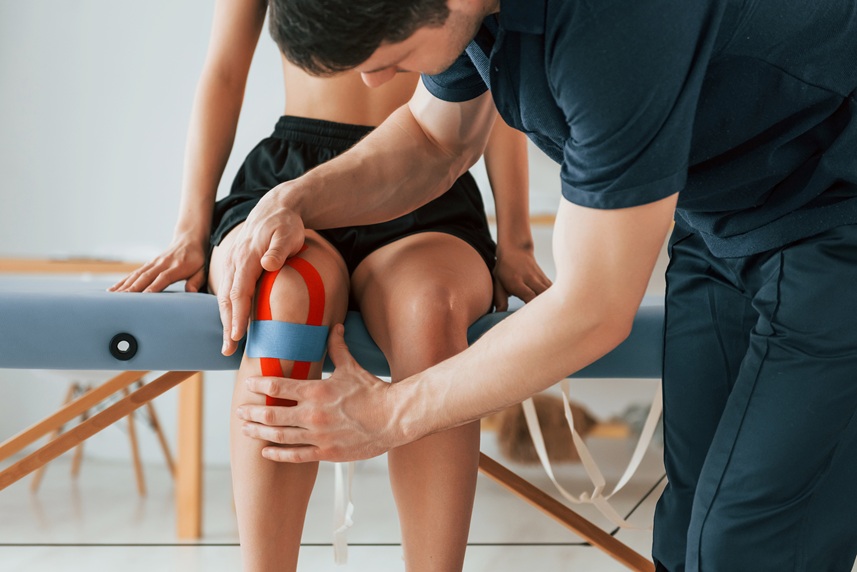
“Can I run?” “Can I return to sport?” Find out based on objective testing — not assumptions.
At 3 months after ACL reconstruction, the knee may “feel fine,” but important differences may still exist between the operated leg and the healthy one: strength, neuromuscular control, stability, and the ability to absorb and generate force (exactly the elements that matter when resuming running and dynamic exercise). In this assessment, we measure these factors and clearly explain where you are and what comes next.
Who is this assessment for?
This assessment is for you if you are between weeks 11–12 after ACL reconstruction and:
- you want to begin (or have already begun) increasing exercise intensity
- you are considering running (treadmill, outdoors, field training)
- you want to return to dynamic activities without “taking chances”
- you have doubts: “my knee holds, but I don’t trust it yet” / “I feel fine, but I’m still not stable”
At this stage, clear objectives become essential: increasing muscle strength, improving movement quality, and physical conditioning.
Why is an objective assessment important (not just “12 weeks have passed”)?
In the scientific literature, progression decisions (running, jumping, return to sport) are recommended to be criteria-based (clinical + functional), not simply time-based. The Aspetar clinical guideline on rehabilitation after ACL reconstruction discusses the combined use of clinical examination, strength testing, and functional testing (including hop tests) in progression and return-to-sport criteria.
A review published in the British Journal of Sports Medicine on return-to-running criteria shows that, in practice, there is variability in the criteria used, but the central idea remains the same: clinical findings + strength + function reduce uncertainty and increase decision safety.
What do we measure at the 3-month assessment and why does it matter?
The 3-month post-ACL reconstruction assessment includes three major pillars:
- mobility and tolerance
- strength (compared with the healthy limb)
- functional tests (jumping and controlled movement tasks)
1) Mobility + clinical tolerance signs
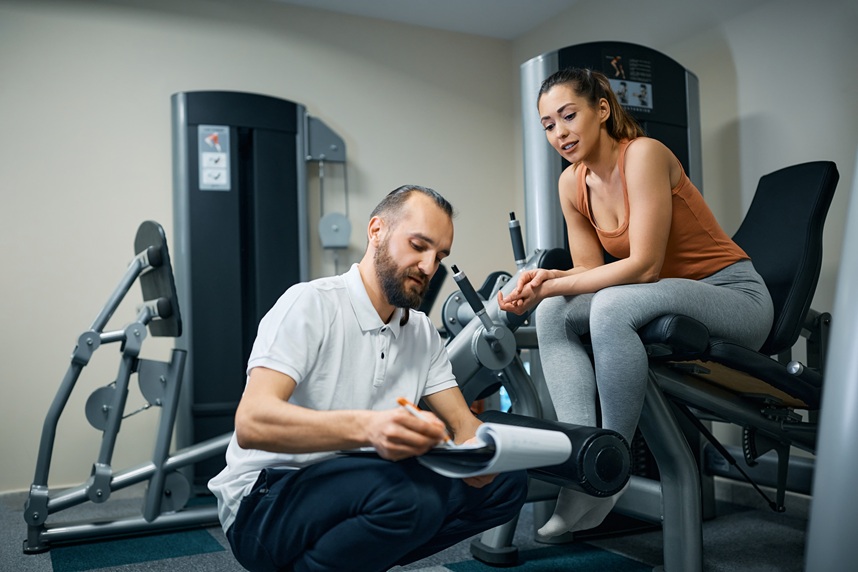
Clinical criteria for running progression include:
- approximately 95% knee flexion
- full extension
- absence of effusion (intra-articular fluid)
Why does this matter?
- Full extension is associated with efficient walking mechanics and proper load distribution. If it is missing, the body compensates (hip, ankle, spine).
- Effusion is a practical marker of an “irritated knee / excessive loading.” If it appears or persists, it signals that load must be adjusted before increasing volume (running, jumping).
2) Muscle strength – the “engine” of stability
The 3-month assessment uses a minimum target of 80% strength compared with the healthy limb as a progression threshold (including running readiness at 12 weeks).
Scientifically, strength deficits — especially quadriceps deficits — are among the most common issues after ACL reconstruction and may persist for months.
Furthermore, recent evidence suggests that early quadriceps strength asymmetry during rehabilitation is associated with poorer long-term outcomes and may represent a risk marker (in one study, LSI <80% was associated with increased risk of contralateral ACL injury after return to sport).
During the assessment, we test comparatively (left/right) the key muscle groups:
- quadriceps (isometric/isotonic)
- hamstrings (isometric/isotonic)
- gastrocnemius
- hip abductors and adductors
How symmetry (LSI) is calculated – explained clearly for patients
LSI = (performance of the operated leg ÷ performance of the healthy leg) × 100
Example:
- operated leg: 80 units
- healthy leg: 100 units
- LSI = (80 ÷ 100) × 100 = 80%
Practically, 80% means the operated leg produces approximately 80% of the strength of the healthy leg.
3) Functional tests – how the knee behaves during real movement
The 3-month assessment includes:
- hop tests: single-leg hop and triple hop
- countermovement jump (CMJ)
- squat assessment (equal loading)
- single-leg squat
- criteria such as pain-free running in water or Alter-G and pain-free jumping
Why are these important?
- Hop tests measure power, neuromuscular control, and confidence in the operated limb
- Bilateral squat loading and single-leg squat show whether the patient avoids loading the operated limb, develops dynamic valgus, or loses trunk/hip control
Importantly, a recent systematic review shows that hop distance alone may not be sufficient to detect some post-ACLR deficits, supporting the combination of hop testing with movement quality analysis and additional measures (CMJ, squat, control).
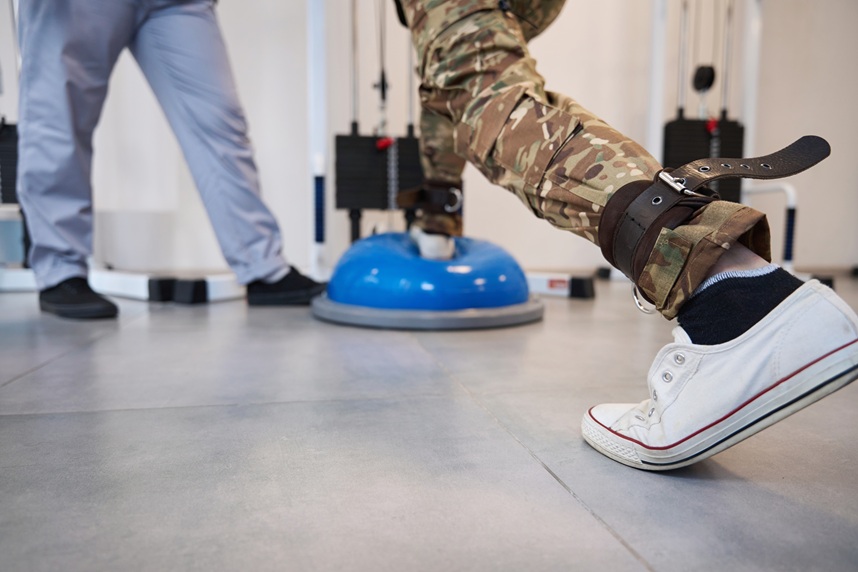
When can running begin after ACL reconstruction?
- From week 10: light bilateral jumping may be introduced
- From week 12: treadmill running may begin
The correct decision includes functional criteria: mobility, absence of effusion, adequate strength, and good functional test performance.
The return-to-running literature emphasizes that time alone is not sufficient. Clinical and functional criteria must be used.
What does the patient receive after the assessment?
- “Where am I now?” – mobility, tolerance signs, strength (percentages), and functional testing results
- “Can I increase intensity?” – an evidence-based answer (yes / not yet / yes with restrictions)
- a step-by-step plan for the next 2–4 weeks: what to increase (strength, control, plyometrics), what to avoid, what to monitor (pain, effusion)
- a recommendation for reassessment after several weeks to monitor percentage-based progress
Frequently asked questions
If I am not in pain, is assessment still necessary?
Yes. Pain may decrease before the operated leg becomes sufficiently strong and stable. Strength deficits, especially quadriceps deficits, are common after ACL reconstruction and may persist for months.
Why do you compare with the healthy leg?
Because it provides a personalized reference. Many protocols use LSI (symmetry) to quantify differences and monitor progress.
Are hop tests safe?
Yes, when introduced gradually and at the appropriate stage. This assessment combines multiple tests rather than relying on a single isolated indicator.
Schedule your 3-month post-ACL reconstruction assessment
If you are around 12 weeks after ACL reconstruction and want an objective answer about whether you can start running and increase training intensity, this assessment provides clarity and direction.
MAKE AN APPOINTMENT
FOR AN EXAMINATION
See here how you can make an appointment and the location of our clinics.
MAKE AN APPOINTMENT
BUCHAREST TEAM

































































CLUJ NAPOCA TEAM


































BRASOV TEAM
















Asiguratori privati





Parteneriate



CENTROKINETIC FLOREASCA
Bucharest, 1st District,
Mircea Eliade Street, no. 18,
Eliade Tower, Entrance A, Floor 3
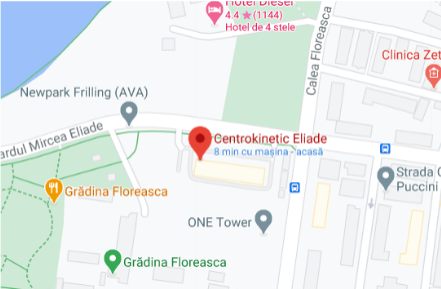
| Navigation | Explore 3D |
CENTROKINETIC Barbu Vacarescu
Bucharest, 2nd District,
Barbu Vacarescu Street, no. 102,
102 The Address, ground floor.
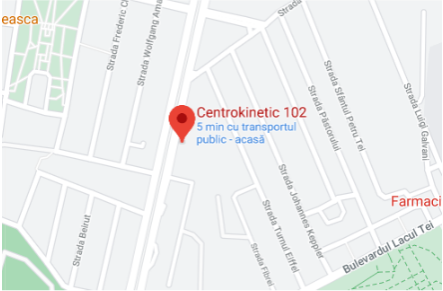
| Navigation | Explore 3D |
CENTROKINETIC MILITARI
Bucuresti, Sector 6,
Bld. Iuliu Maniu, nr. 15G,
Cladirea PBT, etaj 3.
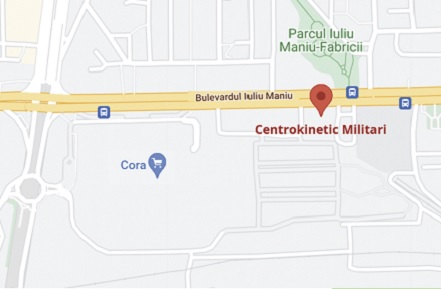
| Navigation |
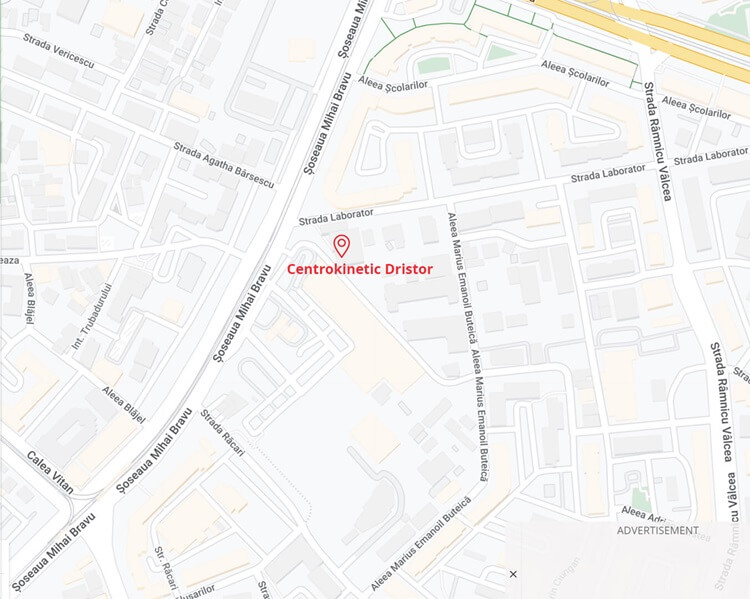
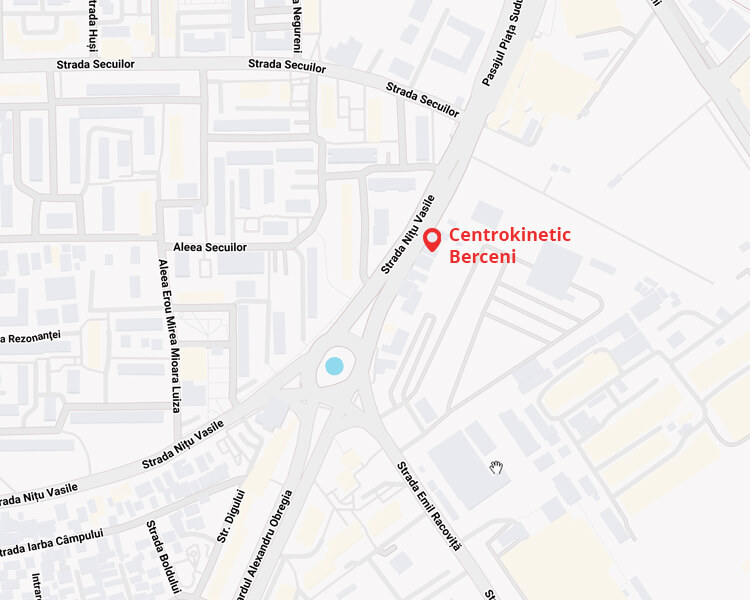
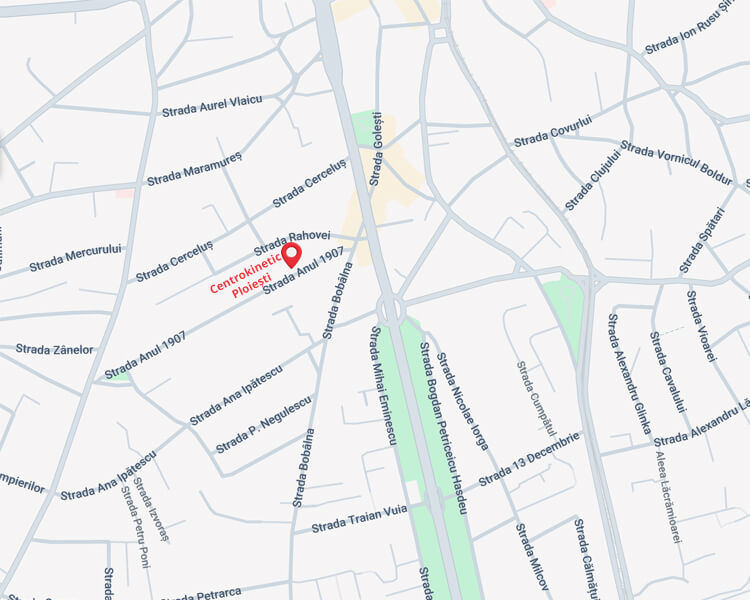
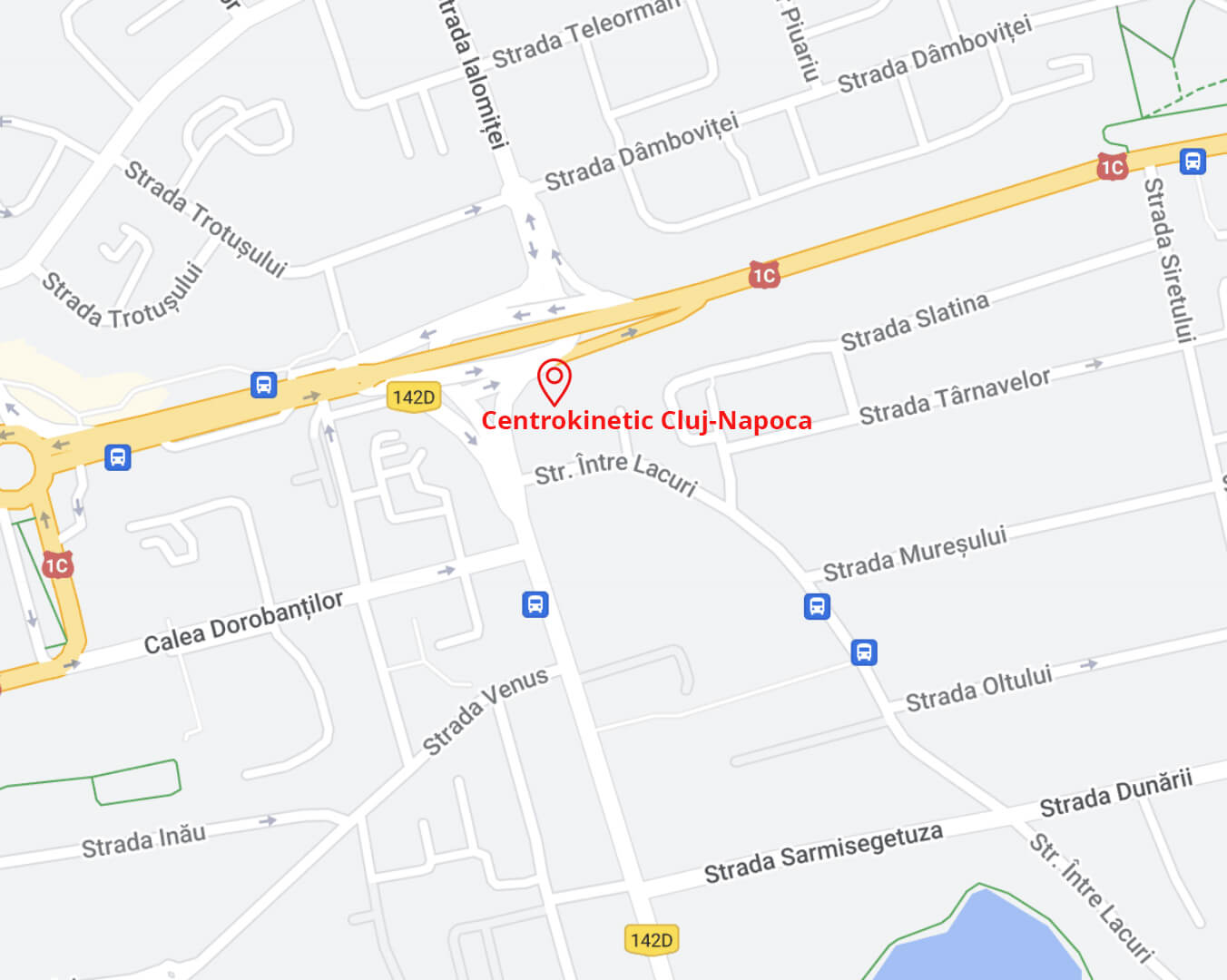
CENTROKINETIC CLUJ-NAPOCA
Cluj-Napoca,
Str. Intre Lacuri, nr.1
Intrarea este in spatele cladirii.
| Navigation |
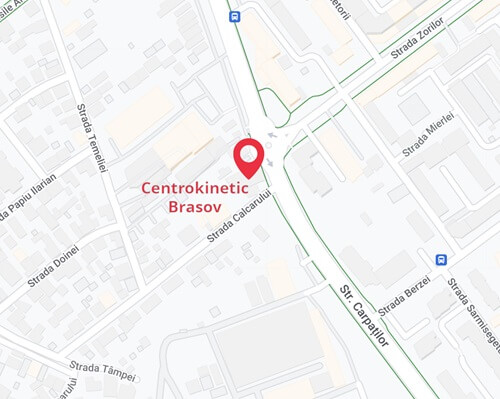
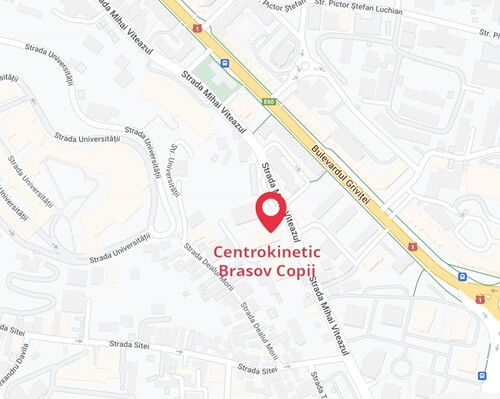
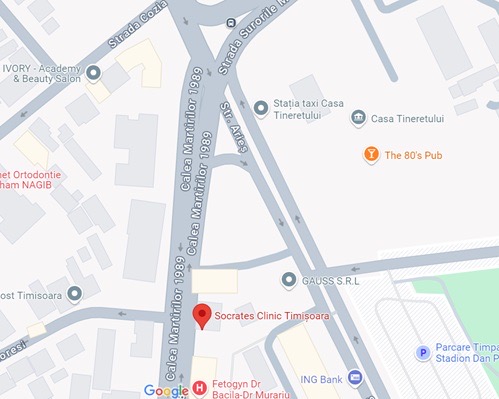
SOCRATES CLINIC TIMISOARA
Timisoara, Calea Martirilor 1989,
nr. 1.
Telefon: 0371 785 374.
| Navigation |
CONTACT
Phone: 0319693
E-mail: programari@centrokinetic.ro
Operating hours:
Monday – Friday: 07:00 – 21:00
Saturday: 09:00 – 14:00
Sunday: closed.
MAKE AN APPOINTMENT