6 MONTH ACL RECONSTRUCTION ASSSESSMENT


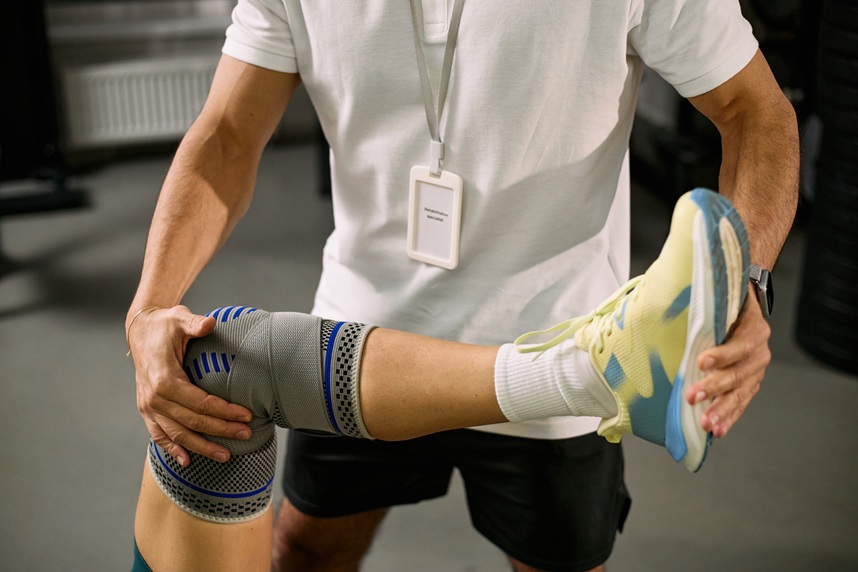
Are you truly ready to return to sport, or do you just feel better? Find out based on objective criteria.
At 6 months after anterior cruciate ligament (ACL) reconstruction, many patients enter a risky phase: pain is minimal, confidence increases, you start running harder, making direction changes, or returning to sport — but strength, neuromuscular control, and load tolerance may still be insufficient. Deficits may persist even 1–2 years after surgery, especially in strength and landing mechanics, which explains why second injuries frequently occur in the first months after returning to sport.
The 6-month assessment clearly shows:
- where you are now (in percentages compared with the healthy leg)
- how safe it is to increase intensity
- what is still missing (strength, symmetry, control, jumping, landing, direction changes)
- what needs to be done to reduce reinjury risk
Why the assessment matters more at 6 months than the calendar alone
Returning to sport should not be based only on “X months have passed.” Modern clinical guidelines recommend a criteria-based approach: a combination of clinical examination, strength testing, and functional testing (including hop tests), together with movement quality assessment.
There is also evidence showing that returning to sport too early significantly increases reinjury risk. For example, one study in young athletes reported a much higher reinjury rate in those who returned before 9 months compared with those who delayed return.
The key message for patients is simple: time since surgery is important, but not sufficient. The knee must be functionally ready.
What we assess during the 6-month post-ACL reconstruction evaluation
At this stage, the goal is not just to perform exercises, but to confirm that the knee can tolerate:
- higher forces
- landings
- decelerations
- direction changes
- rapid reactions and stability during movement
.jpg "6-month ACL reconstruction assessment")
1) Clinical criteria: tolerance, response, a “quiet” knee
Before any demanding testing, we check for overload signals:
- pain or stiffness after effort
- swelling or effusion (if it appears after loading, it signals excessive stress)
- patient confidence in the knee during movement
These criteria follow the logic of clinical guidelines: progression should occur only when the knee tolerates loading without irritation.
2) Strength: the “engine” that protects the knee
After ACL reconstruction, strength deficits (especially quadriceps deficits) may persist for a long time.
The 6-month assessment uses a minimum target of 90% strength compared with the healthy limb as a progression threshold.
Scientifically, strength deficits — especially quadriceps deficits — are among the most common problems after ACL reconstruction and may persist for months.
Furthermore, evidence suggests that early quadriceps strength asymmetry during rehabilitation is associated with poorer long-term outcomes and may represent a risk marker. In one study, LSI below 80% was associated with increased risk of contralateral ACL injury after return to sport.
During the assessment, we compare left and right sides:
- quadriceps (isometric and isotonic)
- hamstrings (isometric and isotonic)
- gastrocnemius
- hip abductors and adductors
How symmetry (LSI) is calculated
LSI = (performance of the operated leg ÷ performance of the healthy leg) × 100
Example:
- operated leg: 80 units
- healthy leg: 100 units
- LSI = 80%
In practical terms, 80% means the operated leg produces approximately 80% of the strength of the healthy leg.
That is why clinical protocols and recommendations use strength testing as a central element in progression and return-to-sport decisions.
3) Functional tests – how the knee behaves during real movement
The 6-month assessment includes:
- hop tests: single-leg hop and triple hop
- countermovement jump (CMJ)
- squat assessment (equal loading)
- single-leg squat
- criteria such as pain-free running in water or Alter-G and pain-free jumping
Why are these important?
- Hop tests measure power, neuromuscular control, and confidence in the operated limb
- Bilateral squat and single-leg squat reveal whether the patient avoids loading the operated leg, develops dynamic valgus, or loses trunk and hip control
Many clinical guidelines and studies use a minimum threshold of 90% LSI in hop tests as a reference for return to sport.
Importantly, we evaluate not only distance or time, but also movement quality (alignment, trunk and hip control, dynamic valgus, landing stability). The scientific literature supports this combined approach: quantity plus quality.
.jpg "6-month ACL reconstruction assessment")
What the patient receives after the assessment
- clear symmetry percentages between the operated and healthy leg
- an evidence-based decision: whether intensity can increase now or whether 4–6 more weeks of targeted training are needed
- a personalized progression plan: what to increase, in what order, and how to progress
- monitoring recommendations: which signs indicate “too much, too fast” and when testing should be repeated
Why this assessment can reduce reinjury risk
The risk of a second injury after returning to sport is real and well documented, especially in young athletes. Reinjuries tend to occur within the first months up to two years after return.
For this reason, clinical guidelines support using a set of tests and criteria before returning to recreational or performance sport.
Frequently asked questions
If I feel fine, why should I still do the assessment?
Because feeling well does not measure strength, symmetry, or control during jumping and landing. Deficits may persist even after pain disappears.
What does 90% symmetry mean and why is it important?
It is a commonly used threshold in return-to-sport criteria for hop tests and strength: the operated leg should be very close to the healthy one (≥90%), not 60–70%, where compensations occur.
Is returning to sport at 6 months enough?
For many pivoting and direction-change sports, time alone is not sufficient. Decisions should be criteria-based, and in many cases full return is safer when properly tested and sometimes delayed.
Schedule your 6-month assessment
If you are approximately 6 months after ACL reconstruction and want to return to sport with a real chance of staying healthy, this assessment provides clarity and a concrete plan.
MAKE AN APPOINTMENT
FOR AN EXAMINATION
See here how you can make an appointment and the location of our clinics.
MAKE AN APPOINTMENT
BUCHAREST TEAM































































CLUJ NAPOCA TEAM


































BRASOV TEAM















Asiguratori privati





Parteneriate



CENTROKINETIC FLOREASCA
Bucharest, 1st District,
Mircea Eliade Street, no. 18,
Eliade Tower, Entrance A, Floor 3
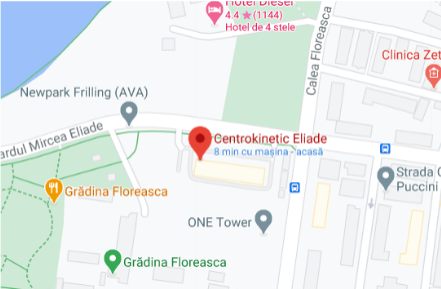
| Navigation | Explore 3D |
CENTROKINETIC Barbu Vacarescu
Bucharest, 2nd District,
Barbu Vacarescu Street, no. 102,
102 The Address, ground floor.
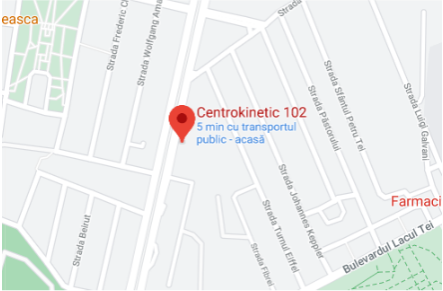
| Navigation | Explore 3D |
CENTROKINETIC MILITARI
Bucuresti, Sector 6,
Bld. Iuliu Maniu, nr. 15G,
Cladirea PBT, etaj 3.
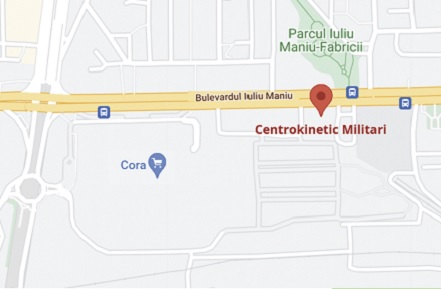
| Navigation |
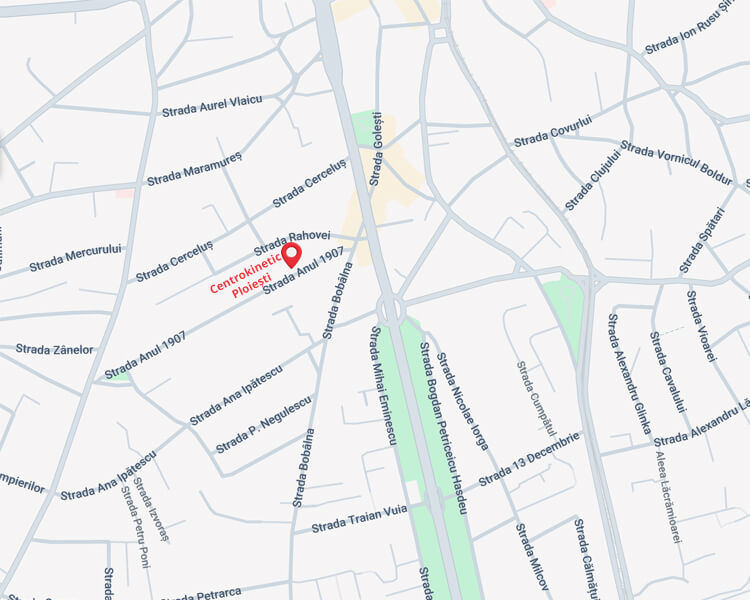
CENTROKINETIC CLUJ-NAPOCA
Cluj-Napoca,
Str. Intre Lacuri, nr.1
Intrarea este in spatele cladirii.
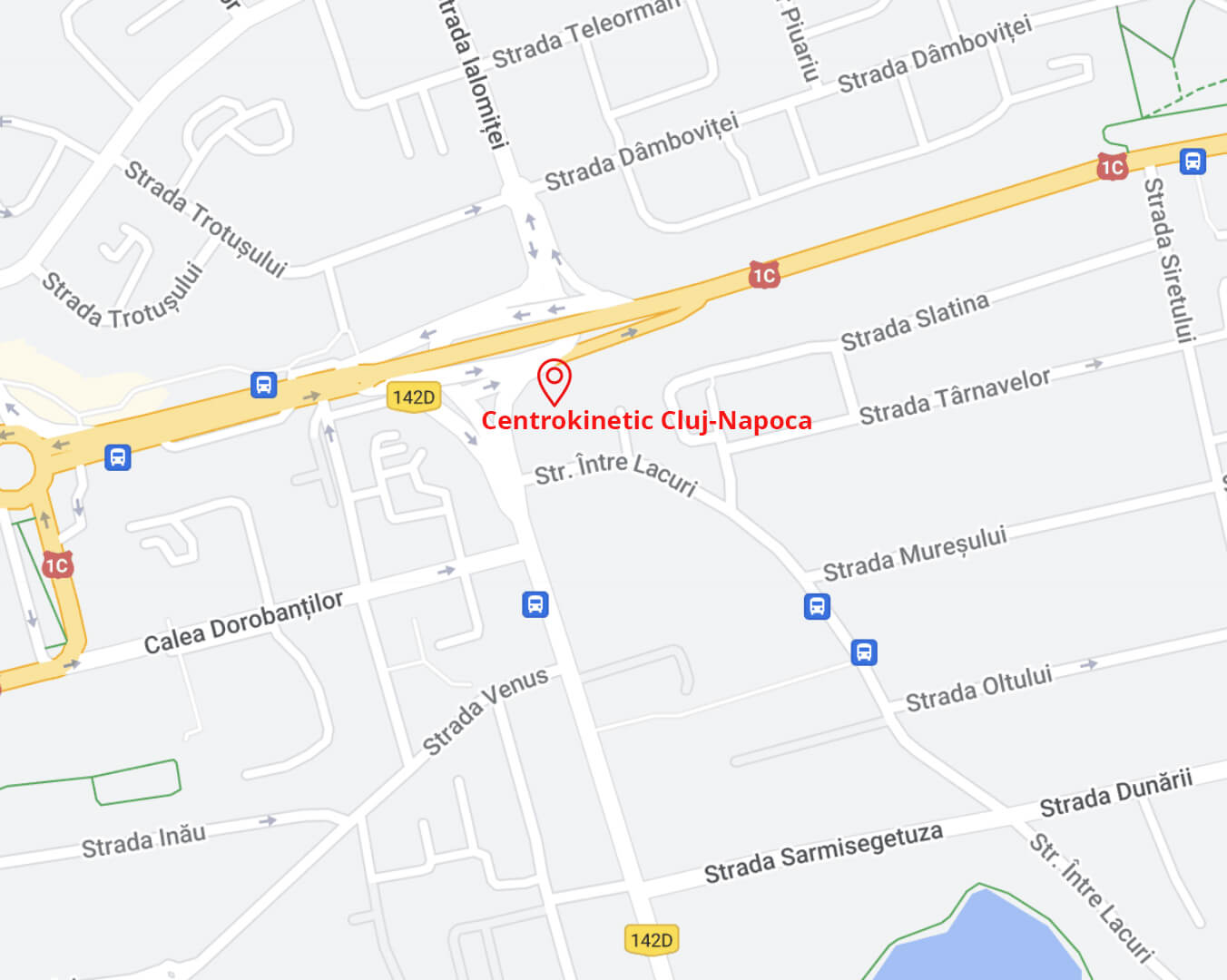
| Navigation |
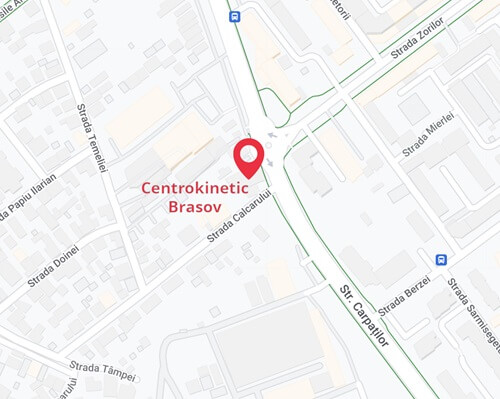
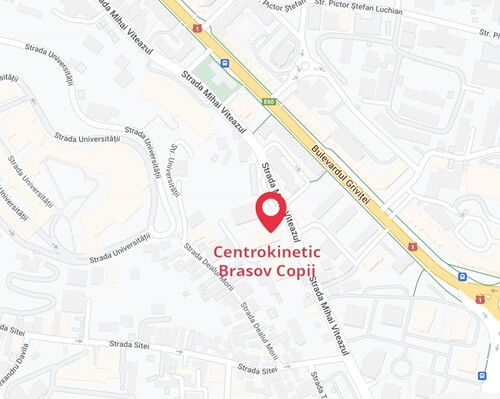
SOCRATES CLINIC TIMISOARA
Timisoara, Calea Martirilor 1989,
nr. 1.
Telefon: 0371 785 374.
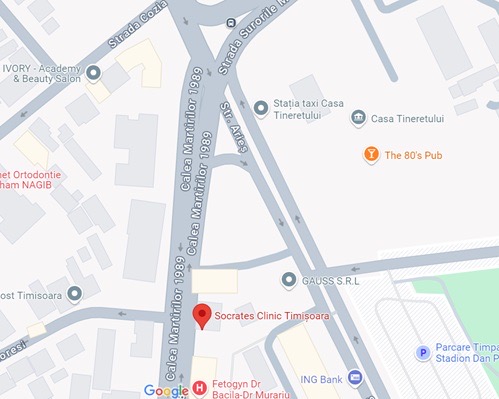
| Navigation |
CONTACT
Phone: 0319693
E-mail: programari@centrokinetic.ro
Operating hours:
Monday – Friday: 07:00 – 21:00
Saturday: 09:00 – 14:00
Sunday: closed.
MAKE AN APPOINTMENT