Complete Functional Evaluation



If you are dealing with back pain, movement limitations, or you are recovering after an orthopedic procedure, the correct first step is not the exercise itself, but the evaluation. A complete functional evaluation means a detailed analysis of how your body moves, reacts to effort, and supports daily activities.
We are not talking only about a diagnosis, but about the way that diagnosis affects your gait, posture, strength, balance, and your ability to return to sports or professional activity. At Centrokinetic Bucharest, functional evaluation is the foundation of every recovery plan, whether you are an athlete, an active adult, or a parent looking for solutions for your child. Here is what you need to know!
What does a complete functional evaluation mean?
A complete functional evaluation represents a structured analysis of movement and of your ability to perform usual or sports-related activities. The specialist does not limit the assessment to the painful area, but observes the entire kinetic chain – that is, the way the joints and muscles work together.
For example, knee pain may be related to weakness in the hip muscles or reduced mobility at the ankle level. If you treat only the knee, the results may be limited. If you identify the functional cause, you can correct the mechanism that generates overload.
In practice, the functional evaluation establishes a functional diagnosis, which describes the impact of the condition on movement, not only the anatomical changes. This approach helps adapt therapy to the patient’s real needs.
Components of a complete functional evaluation
A well-performed evaluation follows clear steps and includes specific tests. At Centrokinetic, the process covers:
Detailed medical history
The specialist discusses with you:
- medical history and possible surgical interventions;
- type of professional activity;
- level of physical activity;
- onset and progression of pain;
- your goals (returning to sports, reducing pain, increasing mobility).
Posture assessment
The alignment of the shoulders, pelvis, knees, and spine is analyzed. For precise measurements, the team may use 3D Spine postural analysis.
Joint mobility testing
The kinesiotherapist measures the range of motion in the involved joints. Limitation of flexion, extension, or rotation may indicate joint stiffness or muscle contractures.
Muscle strength assessment
The main muscle groups and stabilizers are tested. Strength imbalances frequently occur in athletes or sedentary patients.
Functional movement tests
The specialist asks you to perform movements such as squats, lunges, or standing up from a chair. They observe coordination, control, and possible compensations.
Balance and neuromuscular control assessment
Proprioception represents the body’s ability to sense its position in space. A decrease in this ability increases the risk of injury, especially after sprains or surgical interventions.
Pain analysis
The moment pain appears, its intensity, aggravating factors, and relieving factors are identified.
In most cases, the entire evaluation lasts between 45 and 90 minutes, depending on the complexity of the situation.
Who performs the functional evaluation?

The complete functional evaluation is performed by doctors specialized in medical rehabilitation, together with kinesiotherapists and physiotherapists. Each professional has a clearly defined role.
The doctor establishes the medical diagnosis and correlates the clinical information with imaging investigations. The kinesiotherapist analyzes movement and proposes adapted exercises. The physiotherapist intervenes, if necessary, with specific procedures to reduce pain or inflammation.
At Centrokinetic Bucharest, the team follows international guidelines and scientifically validated protocols. The recommendations are based on studies and clinical guidelines, adapted to the local context and to the particularities of each patient.
When is a functional evaluation indicated?
Functional evaluation is not addressed only to people with severe pain. It is useful in a variety of situations:
- Before starting a kinesiotherapy program;
- Before or during a physiotherapy program;
- After orthopedic surgical interventions (ligament reconstruction, knee replacement, arthroscopies);
- In cases of persistent pain, such as low back pain;
- In cases of recurrent neck pain;
- For athletes returning to training after a break;
- For children and adolescents with postural disorders.
Early evaluation of musculoskeletal dysfunctions reduces the risk of chronicity and optimizes therapy results. Early intervention helps correct imbalances before they generate secondary injuries.
Benefits of a correct evaluation
A carefully performed evaluation brings concrete benefits:
- Personalized treatment plan - you do not receive a standard set of exercises. The specialist adapts each stage to your current level;
- Setting measurable goals - clear parameters are defined: increasing mobility by a certain degree, reducing pain on the visual scale, improving muscle strength;
- Reducing the risk of aggravation - certain exercises may overload the joint if introduced too early. The evaluation establishes safe limits;
- Monitoring progress - periodic re-evaluations show whether the treatment is working or requires adjustment;
- Preventing recurrence - the specialist identifies the factors that contributed to the problem: incorrect posture, poor running technique, muscular imbalances.
What does a complete functional evaluation concretely offer?
| Key element | What you gain additionally |
| Measurable baseline | A clear starting point for later comparisons |
| Objective indicators of progress | Concrete proof that the therapy is working |
| Adaptation to your lifestyle | A plan aligned with work, sports, and your daily routine |
| Clear criteria for returning to effort | The safe moment to resume physical activity |
| Maintenance strategy | Recommendations for preventing recurrence |
The difference between medical consultation and functional evaluation
The medical consultation establishes the anatomical diagnosis. For example, disc herniation, tendinitis, or ligament tear. Imaging investigations, such as MRI, show structural changes.
The functional evaluation answers other questions:
- Which movements are limited?
- Which muscles are not functioning properly?
- Which activities cause you discomfort?
Two people with the same lumbar disc herniation may have different symptoms. One avoids bending forward, the other feels pain when sitting for prolonged periods. The recovery plan differs depending on these particularities. This difference explains why evaluation precedes any well-structured recovery program.
How is the evaluation carried out at Centrokinetic Bucharest?
The process follows a clear protocol:
- Initial consultation with the specialist doctor - the doctor analyzes your history and existing investigations, establishes the indication for functional evaluation, and any possible contraindications;
- Kinesiological-functional testing - the kinesiotherapist performs mobility, strength, and balance tests and notes each limitation;
- Correlation of data - the team discusses the results and formulates the functional diagnosis;
- Establishing the therapeutic plan - the frequency of sessions, type of exercises, and any physiotherapy procedures are recommended;
- Periodic re-evaluations - at established intervals, the tests are repeated to follow progress.
In certain situations, the tests may cause mild discomfort, especially if the area is inflamed. The specialist immediately stops testing if significant pain appears. Patient safety remains the main priority.
The importance of early intervention
Early management of musculoskeletal problems reduces the risk of chronicity and limits the decrease in functional capacity. Many conditions start subtly: morning stiffness, slight asymmetry, muscular fatigue.
If you act early, correcting imbalances requires less time and fewer sessions. If you delay, the body develops compensations that may affect other joints. Schedule an evaluation at the first persistent signs. Prevention remains an effective strategy for maintaining long-term mobility.
Frequently asked questions
Is the evaluation necessary if I already have an MRI?
Yes. MRI provides information about structures, but it does not show how your body functions in motion. The functional evaluation complements imaging data and helps personalize therapy.
How often is the functional evaluation repeated?
In the initial recovery phase, re-evaluation is usually done after 4–6 weeks. For maintenance or prevention programs, the doctor may recommend longer intervals, depending on progress.
Can I do the evaluation if I have acute pain?
Yes, but the specialist adapts the tests to your tolerance level. In acute phases, certain movements are avoided so as not to further irritate the affected area.
A complete functional evaluation gives you a real picture of how your body functions. It guides every stage of therapy and supports the achievement of stable results, whether you want to reduce pain, return to sports, or prevent recurrence. At Centrokinetic Bucharest, the medical team offers you a personalized approach, based on scientific evidence and clinical experience. Schedule a specialist consultation now.
Sources of information:
- [1] Nwachukwu, Jude. “How to Prepare for a Consultation with an Orthopedic Surgeon.” Center for Orthopaedic Surgery & Sports Medicine, 5 Dec. 2025.
- [2] “What Is a Functional Evaluation in Physical Therapy?” Vida Integrated Health, 2025.
BUCHAREST TEAM


































































CLUJ NAPOCA TEAM


































BRASOV TEAM



















MAKE AN APPOINTMENT
FOR AN EXAMINATION
See here how you can make an appointment and the location of our clinics.
MAKE AN APPOINTMENT
Asiguratori privati





Parteneriate



CENTROKINETIC FLOREASCA
Bucharest, 1st District,
Mircea Eliade Street, no. 18,
Eliade Tower, Entrance A, Floor 3
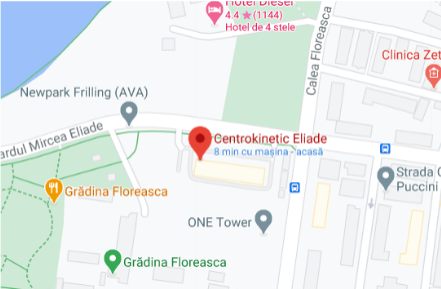
| Navigation | Explore 3D |
CENTROKINETIC Barbu Vacarescu
Bucharest, 2nd District,
Barbu Vacarescu Street, no. 102,
102 The Address, ground floor.
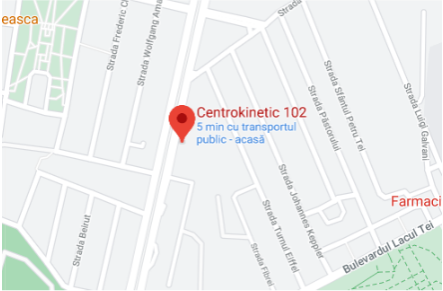
| Navigation | Explore 3D |
CENTROKINETIC MILITARI
Bucuresti, Sector 6,
Bld. Iuliu Maniu, nr. 15G,
Cladirea PBT, etaj 3.
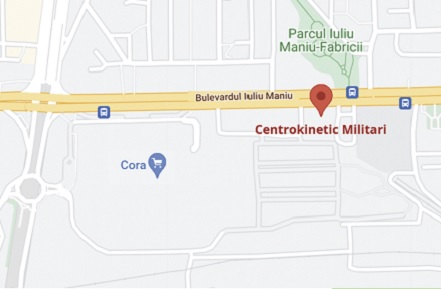
| Navigation |
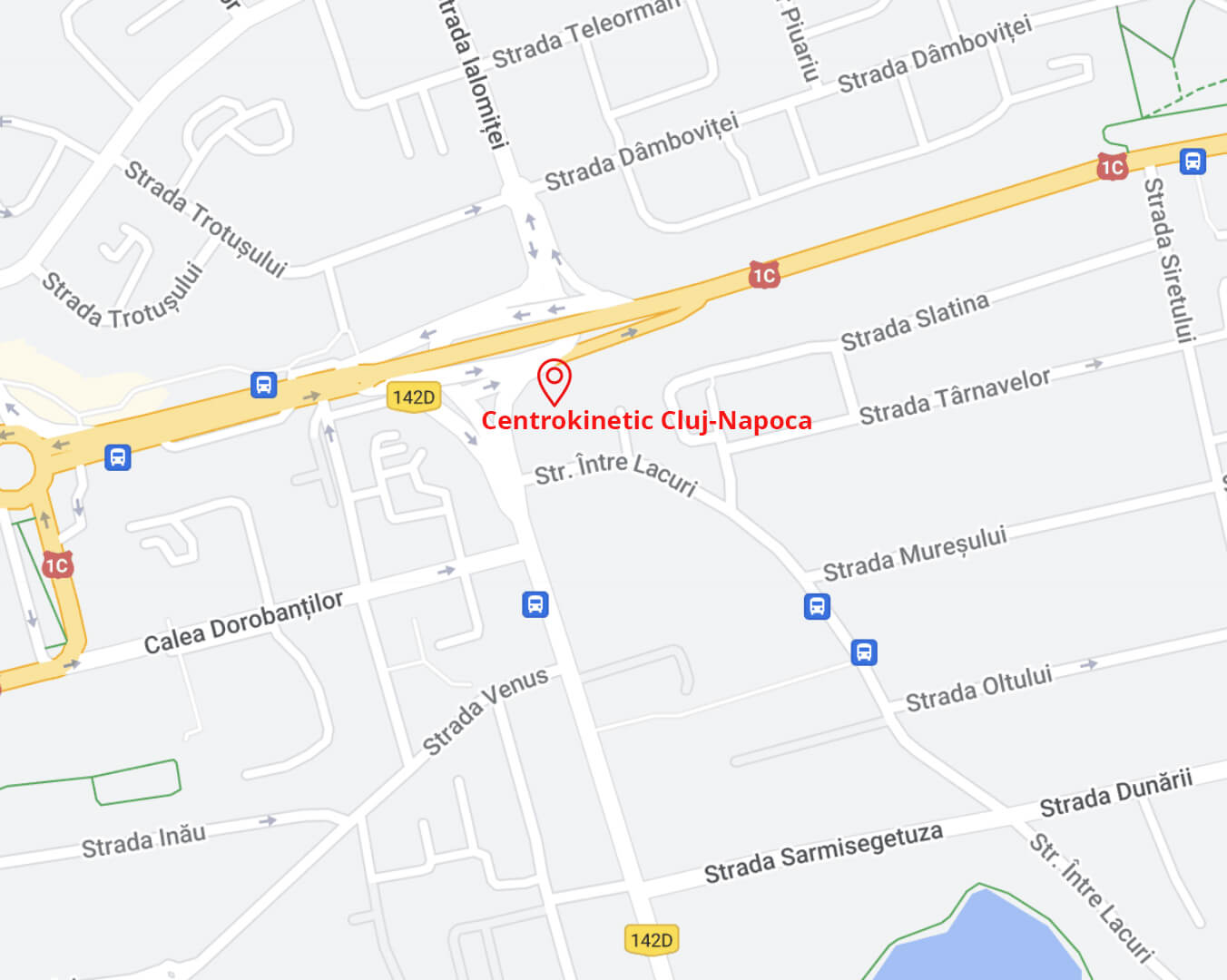
CENTROKINETIC CLUJ-NAPOCA
Cluj-Napoca,
Str. Intre Lacuri, nr.1
Intrarea este in spatele cladirii.
| Navigation |
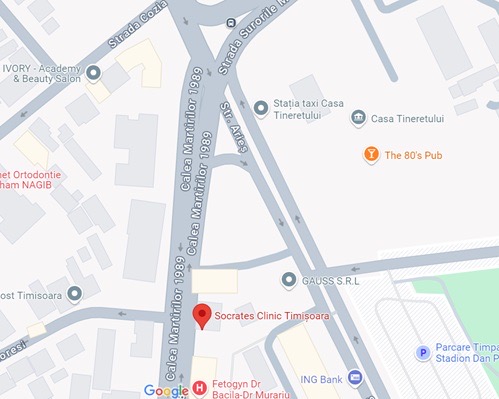
SOCRATES CLINIC TIMISOARA
Timisoara, Calea Martirilor 1989,
nr. 1.
Telefon: 0371 785 374.
| Navigation |
CONTACT
Phone: 0319693
E-mail: programari@centrokinetic.ro
Operating hours:
Monday – Friday: 07:00 – 21:00
Saturday: 09:00 – 14:00
Sunday: closed.
MAKE AN APPOINTMENT