POST MENISCETOMY ASSESSMENT


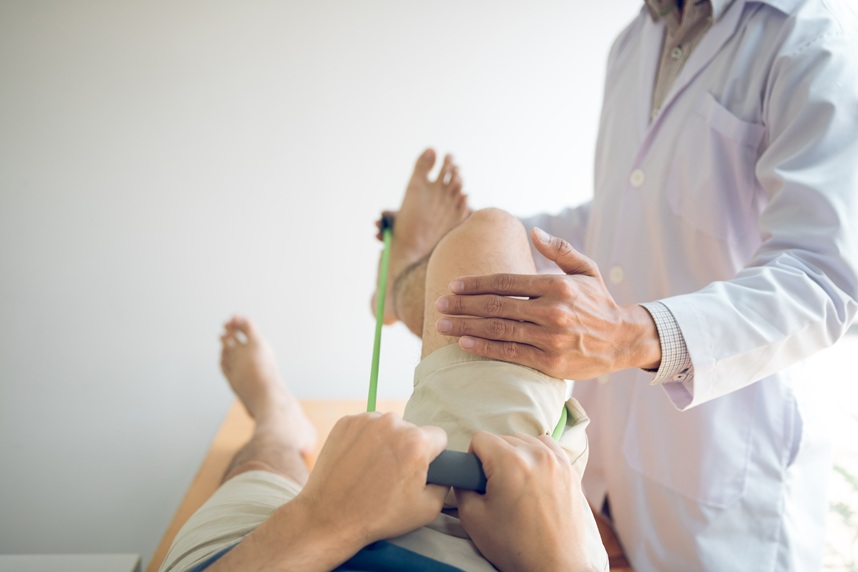
Return to brisk walking, running, and daily activities with confidence — based on clear testing criteria, not “how you feel.” After meniscectomy, pain often decreases relatively quickly. That is the good part. The risky part is that exactly when confidence starts to return, hidden deficits may still remain: reduced strength, poor single-leg control, impaired landing mechanics, or reduced tolerance to repeated loading. That is why, at 2–3 months, the right assessment tells you very clearly: are you ready to increase impact (jumping/running), or does something still need strengthening?
Who is the 2–3 month post–knee arthroscopy assessment for?
The assessment is recommended if you are between weeks 8–12 after meniscectomy and:
- you want to restart running (according to your rehabilitation plan, treadmill running begins from week 12)
- you feel “it’s ok,” but you are not sure whether the knee can tolerate higher loads without inflammation
- you have returned to daily activities, but climbing stairs, lifting, longer walking, or effort causes discomfort or fatigue
- you want to return to sport (even recreationally) with a clear, structured progression plan
What do you gain after this assessment?
- a clear picture of mobility, strength, control, and symmetry (operated leg vs healthy leg)
- an answer to the question: “Can I start running?”
- a structured plan for the coming weeks: which exercises most effectively increase knee capacity and what should be temporarily avoided
Why is assessment after meniscectomy important?
The meniscus plays an important role in load distribution and shock absorption. After meniscectomy, the risk of overload and, in the long term, degenerative changes (osteoarthritis) increases, which makes strength and neuromuscular control even more important.
In short: the better your knee is “mechanically prepared” (strength + control + tolerance), the higher your chances of returning to activities without repeated episodes of pain or swelling.
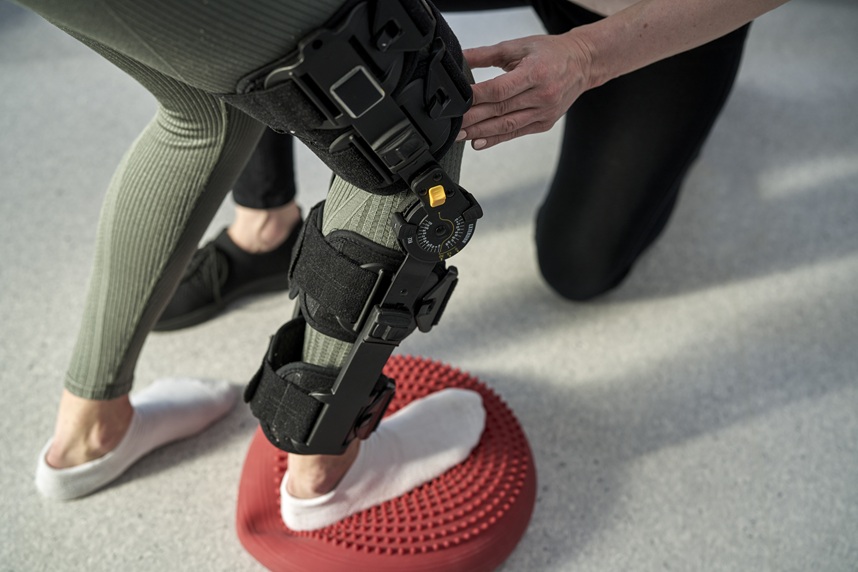
How does the assessment work and what do we test?
During the 2–3 month post-meniscectomy assessment, our therapy team evaluates strength, movement quality, and physical conditioning.
1) Mobility + clinical tolerance signs
To progress (including running), we verify the criteria in your rehabilitation plan:
- approximately 95% knee flexion
- full extension
- absence of intra-articular effusion (no swelling)
2) Muscle strength (progression threshold)
At this stage of recovery, the threshold for returning to running is:
- minimum 80% strength compared to the healthy limb
We assess comparatively (left/right) the key muscle groups:
- hip flexors
- quadriceps (isometric/isotonic)
- hamstrings (isometric/isotonic)
- gastrocnemius
- hip abduction/adduction
3) Control and function: tests that simulate real demands
For progression decisions (impact/running), the assessment includes:
- pain-free running in water / Alter-G (if available)
- pain-free jumping on the involved limb
- single leg hop test
- triple hop test
- countermovement jump, squat assessment (equal loading), single leg squat
Why are these tests useful? Because they are functional and measurable: they reflect power, neuromuscular control, and confidence in the affected limb.
When can you start jumping and running?
- From week 10: light bilateral jumping may begin
- From week 12: treadmill running may begin
Important idea: running is not just about “the right time has come,” but about meeting criteria (ROM, no inflammation, strength thresholds, and functional testing).
The same logic appears in public clinical protocols for meniscectomy: progression to jogging/running usually occurs after full mobility is achieved, pain is absent, and strength and control are adequate, with gradual progression.

What makes the Centrokinetic assessment different?
- We do not look only at “how much you can do,” but also at how you perform movements (alignment, control, equal loading)
- We provide a clear decision: you can progress now or further strengthening is needed (and we explain exactly what)
- We build progression based on the objectives in your rehabilitation plan: strength, movement quality, and conditioning, with concrete progression examples
Frequently asked questions
If I am not in pain, can I start running?
Not automatically. According to your rehabilitation criteria, running is recommended when mobility is almost complete, there is no effusion, and strength is at least 80%, together with good functional test results.
Why is swelling (effusion) so important?
Because it is a practical signal of tolerance: if the knee swells after effort, the load is too high and must be adjusted before increasing impact.
Are hop tests really relevant?
Yes — they are functional tests frequently used in lower-limb rehabilitation. They have good reliability data but must be interpreted together with movement quality and the other criteria.
Schedule your 2–3 month post-meniscectomy assessment
If you are 2–3 months after meniscectomy and want to safely increase your activity level (including running), this assessment provides clarity and a structured plan.
BUCHAREST TEAM



























































CLUJ NAPOCA TEAM




























BRASOV TEAM















MAKE AN APPOINTMENT
FOR AN EXAMINATION
See here how you can make an appointment and the location of our clinics.
MAKE AN APPOINTMENT
Asiguratori privati




Parteneriate


CENTROKINETIC FLOREASCA
Bucharest, 1st District,
Mircea Eliade Street, no. 18,
Eliade Tower, Entrance A, Floor 3
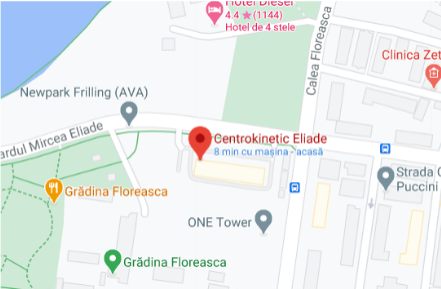
| Navigation | Explore 3D |
CENTROKINETIC Barbu Vacarescu
Bucharest, 2nd District,
Barbu Vacarescu Street, no. 102,
102 The Address, ground floor.
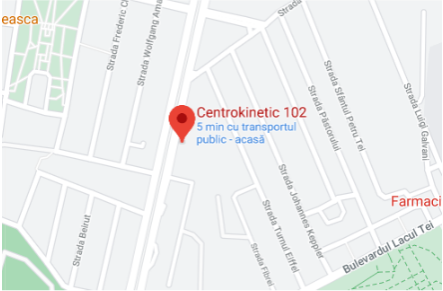
| Navigation | Explore 3D |
CENTROKINETIC MILITARI
Bucuresti, Sector 6,
Bld. Iuliu Maniu, nr. 15G,
Cladirea PBT, etaj 3.
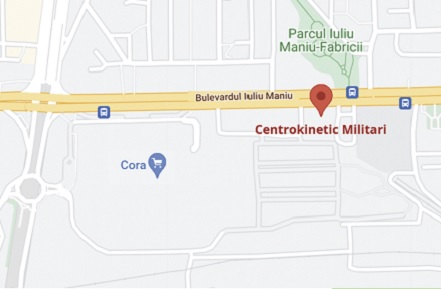
| Navigation |
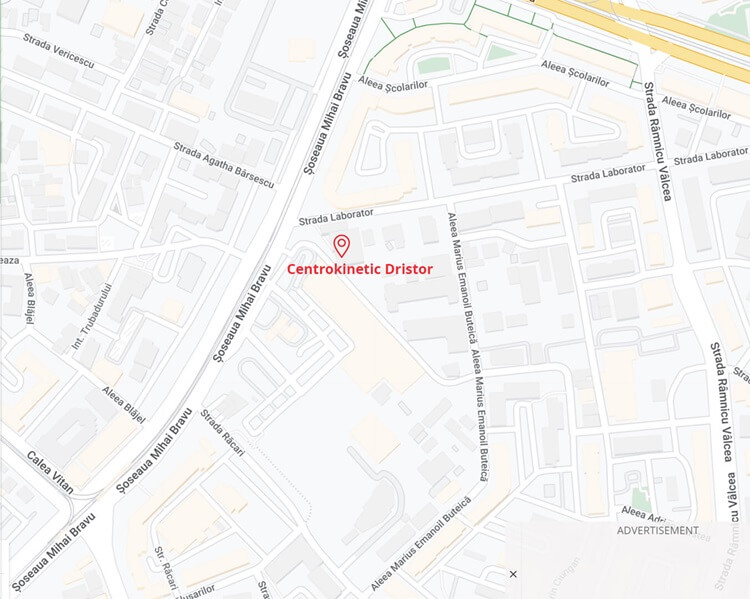
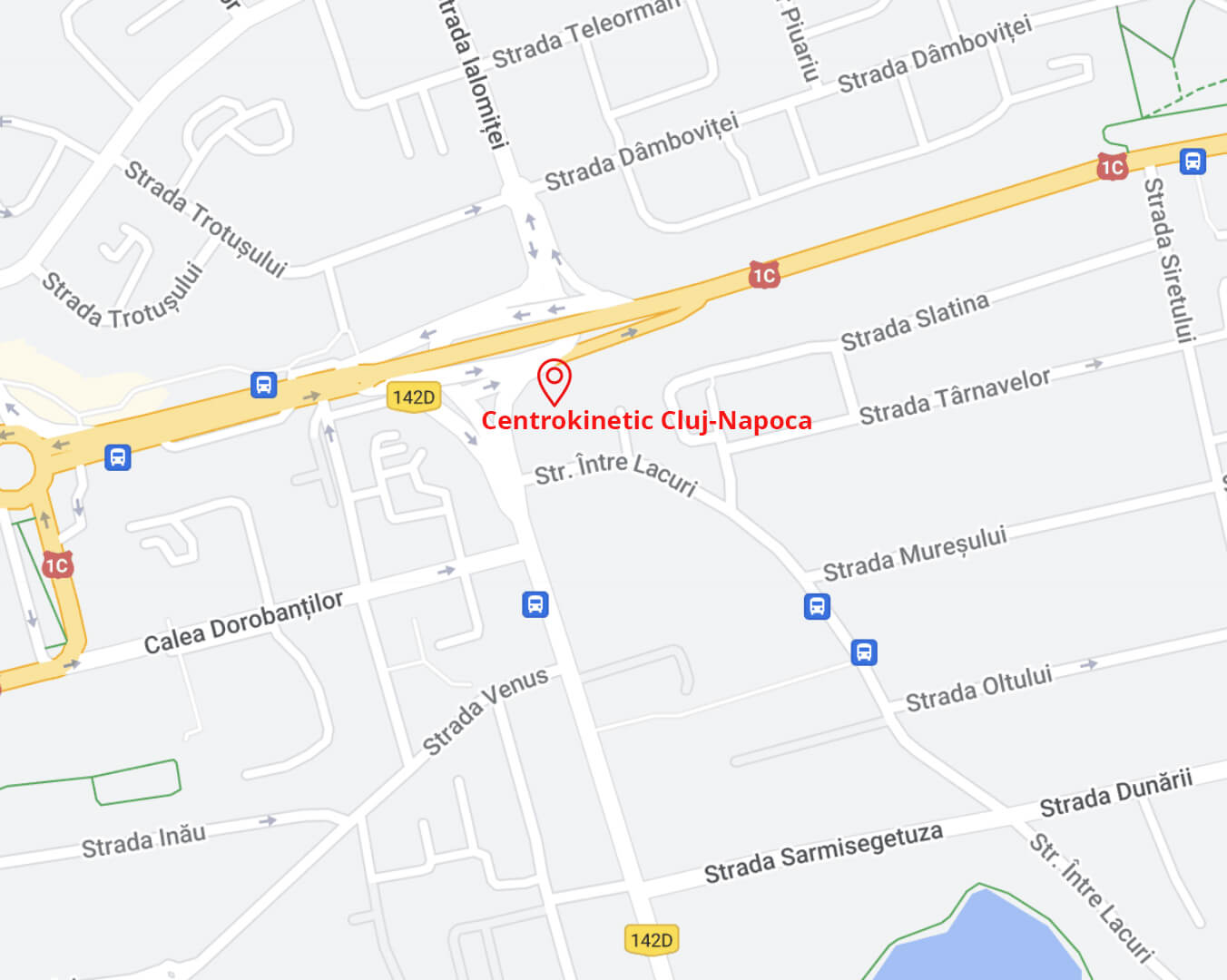
CENTROKINETIC CLUJ-NAPOCA
Cluj-Napoca,
Str. Intre Lacuri, nr.1
Intrarea este in spatele cladirii.
| Navigation |
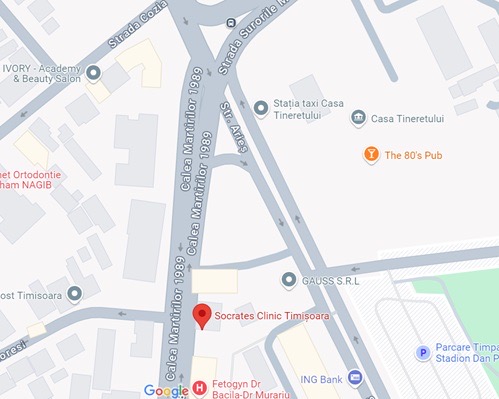
SOCRATES CLINIC TIMISOARA
Timisoara, Calea Martirilor 1989,
nr. 1.
Telefon: 0371 785 374.
| Navigation |
CONTACT
Phone: 0319693
E-mail: programari@centrokinetic.ro
Operating hours:
Monday – Friday: 07:00 – 21:00
Saturday: 09:00 – 14:00
Sunday: closed.
MAKE AN APPOINTMENT