FUNCTIONAL ASSESSMENT


.jpg "functional assessment")
Very often, people come to us with the same sentence: “it hurts here.” But pain is not a diagnosis, and the location of the pain is not always the location of the problem. Functional assessment is the moment when the physiotherapist brings clarity to the situation: what is happening, why it is happening, and what the safest next step is.
It is a practical consultation in which the therapist listens carefully, observes how you move, and connects the clinical signs. The goal is not to find “a label,” but a functional explanation: which limitation (mobility, strength, control, movement pattern) is maintaining your pain and how we can correct it.
Why does the physiotherapist matter so much in functional assessment?
In rehabilitation, the difference is not only “which exercises you do,” but what the therapist has understood about your problem and how accurately the steps are adjusted.
A good physiotherapist:
- knows how to ask the questions that change direction (when the pain appears, what aggravates it, what relieves it, how it evolves throughout the day)
- looks for safety signals (screening: “red flags”) so that nothing important is overlooked
- tests your body as a system: observes, verifies, compares, confirms using clinical tests
- translates everything into a simple plan: what you are allowed to do, what it is best to avoid, and what we will do starting tomorrow
What does the assessment actually look like?
We start simply: you describe how you feel the pain — whether it is localized, in one area, referred, or radiating, how intense it is, and how long you have had it. Then we move into details that matter greatly: whether it is constant, periodic, occasional, or episodic, whether it hurts during movement and which movements aggravate it, what relieves it, under what conditions it increases, and which activities help. Finally, we ask a key question: how the pain behaves over a 24-hour period.
At the same time, the physiotherapist performs a safety screening: checking whether there are any “red flags” — signs that a medical consultation or investigations should come first before loading the area through exercise.
Then comes the practical part: the therapist observes how you stand, how you move, what compensations you make without realizing it (observations), and complements this with clinical tests appropriate for your condition.
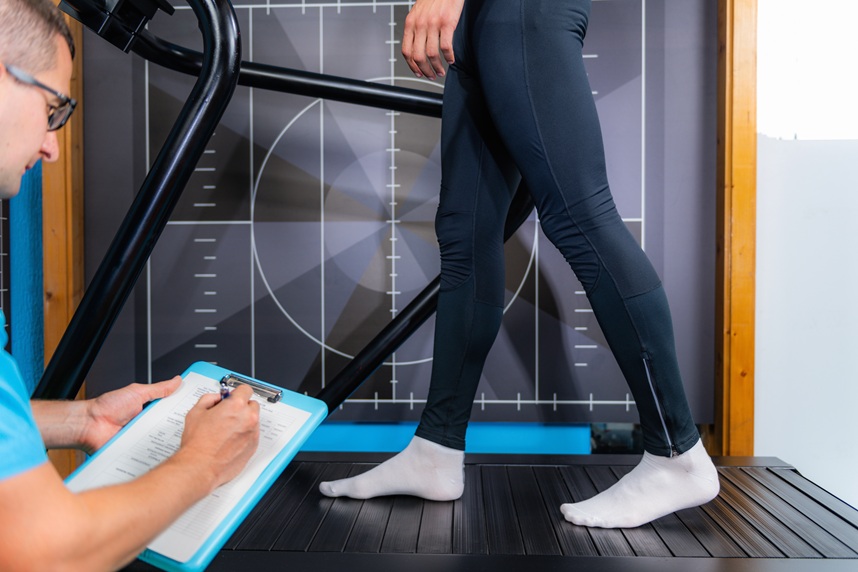
At the end, you do not leave with “we’ll see.” You leave with a clear conclusion: the therapist classifies the problem according to its nature, severity, and irritability (how easily it “flares up” and how quickly it settles), formulates a functional diagnosis, and establishes objectives together with you: what you want to be able to do (patient goals) and what the therapist needs to build in order to get you there (therapist goals).
What do you receive after the assessment?
- a clear explanation of why you have pain and what is maintaining the problem (in functional, movement-related terms)
- a realistic plan: next steps, dosage, what is safe and what is not (depending on “irritability”)
- clear objectives (for you and for the therapist) and criteria used to track progress
Who is functional assessment for?
- if you have pain that returns or persists and you do not want to “try things at random”
- if you have limitations in daily activities or sports
- if you have already followed treatments but the problem keeps returning
- if you want a clear plan, without confusion: what comes next and why
MAKE AN APPOINTMENT
FOR AN EXAMINATION
See here how you can make an appointment and the location of our clinics.
MAKE AN APPOINTMENT
BUCHAREST TEAM


































































CLUJ NAPOCA TEAM


































BRASOV TEAM


















Asiguratori privati





Parteneriate



CENTROKINETIC FLOREASCA
Bucharest, 1st District,
Mircea Eliade Street, no. 18,
Eliade Tower, Entrance A, Floor 3
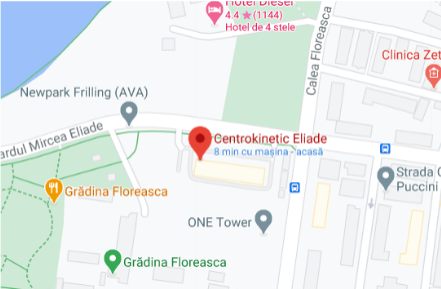
| Navigation | Explore 3D |
CENTROKINETIC Barbu Vacarescu
Bucharest, 2nd District,
Barbu Vacarescu Street, no. 102,
102 The Address, ground floor.
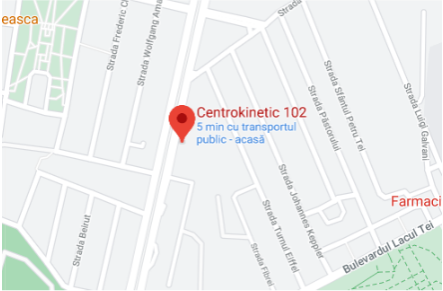
| Navigation | Explore 3D |
CENTROKINETIC MILITARI
Bucuresti, Sector 6,
Bld. Iuliu Maniu, nr. 15G,
Cladirea PBT, etaj 3.
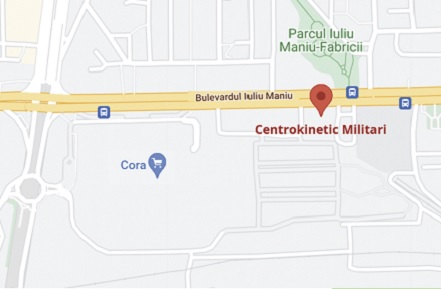
| Navigation |
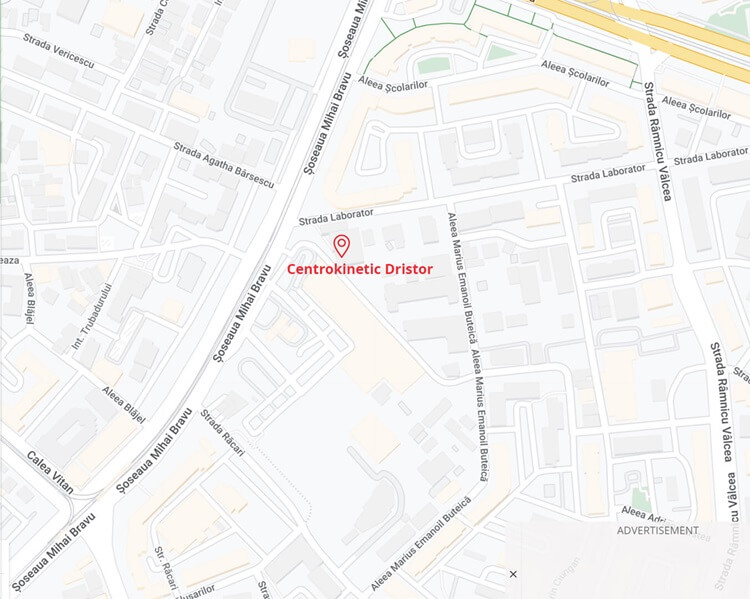
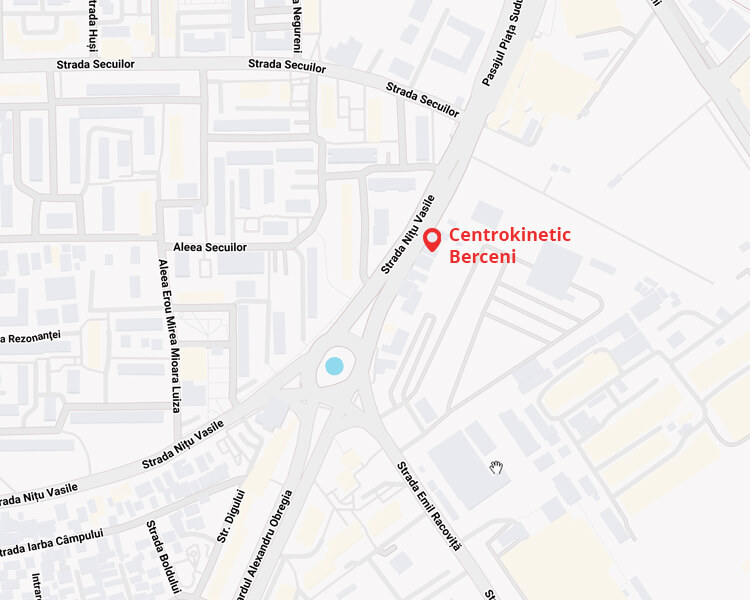
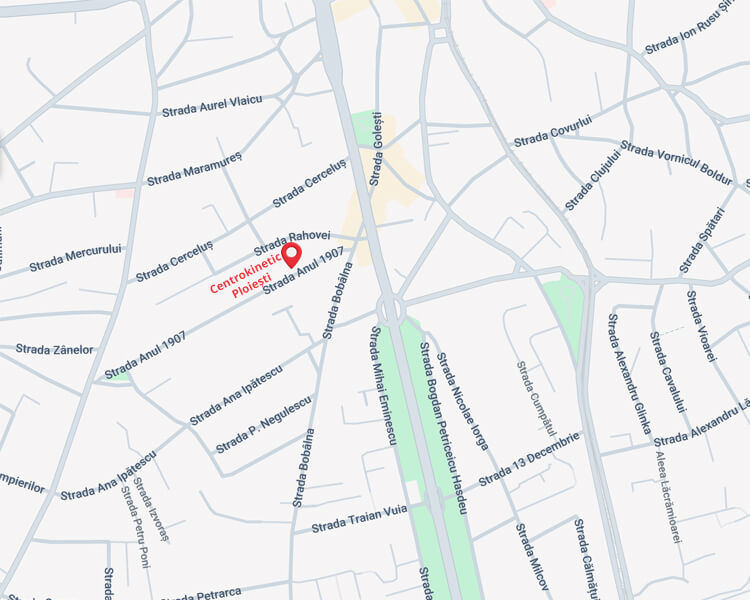
CENTROKINETIC CLUJ-NAPOCA
Cluj-Napoca,
Str. Intre Lacuri, nr.1
Intrarea este in spatele cladirii.
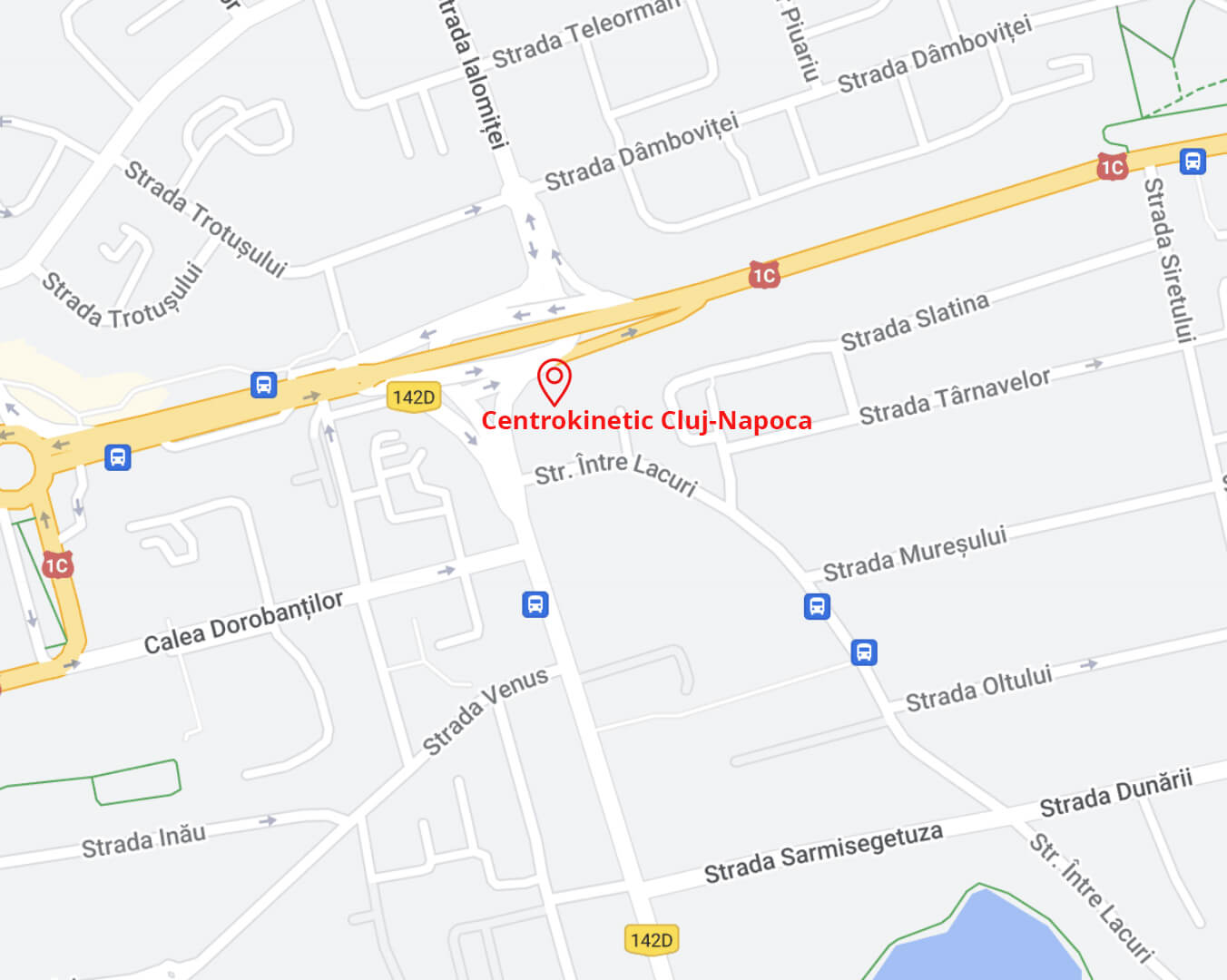
| Navigation |
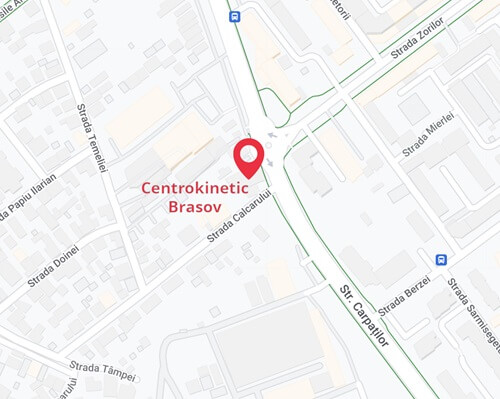
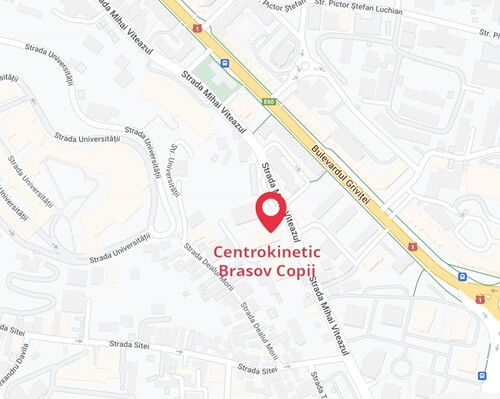
SOCRATES CLINIC TIMISOARA
Timisoara, Calea Martirilor 1989,
nr. 1.
Telefon: 0371 785 374.
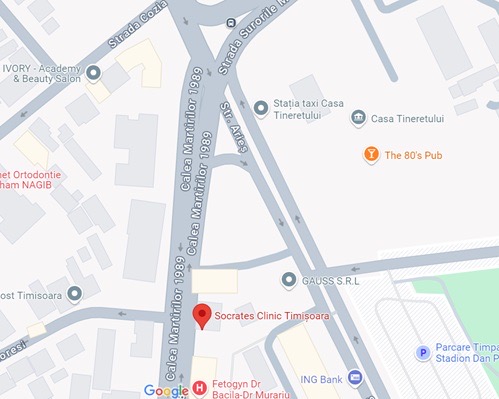
| Navigation |
CONTACT
Phone: 0319693
E-mail: programari@centrokinetic.ro
Operating hours:
Monday – Friday: 07:00 – 21:00
Saturday: 09:00 – 14:00
Sunday: closed.
MAKE AN APPOINTMENT