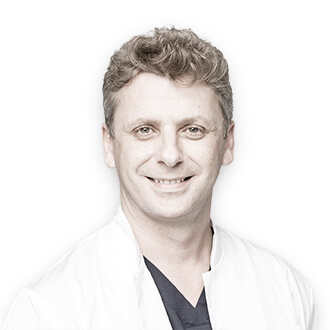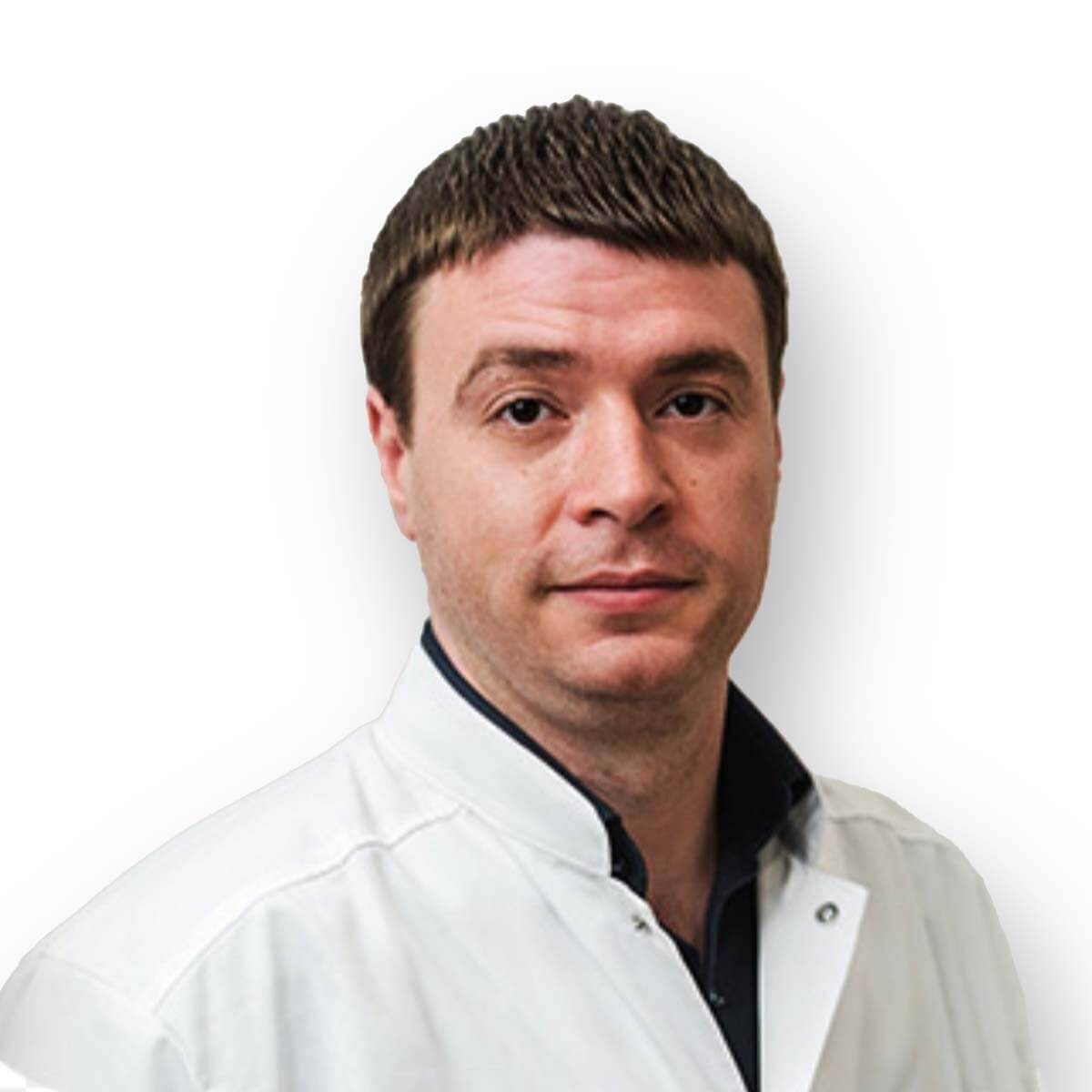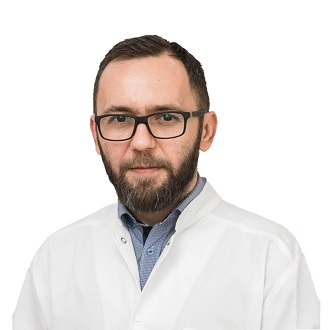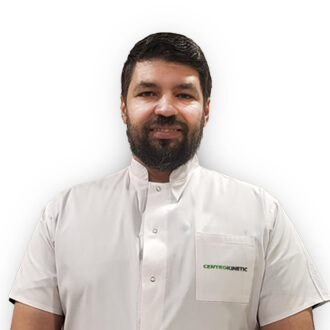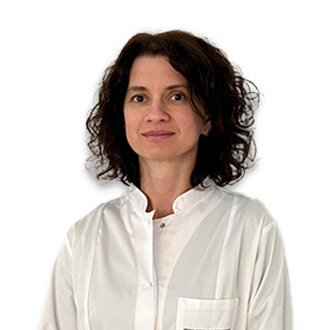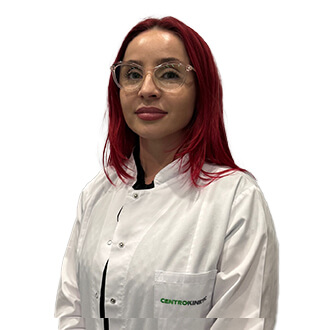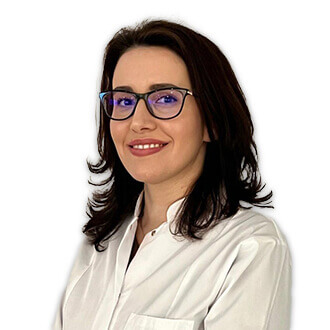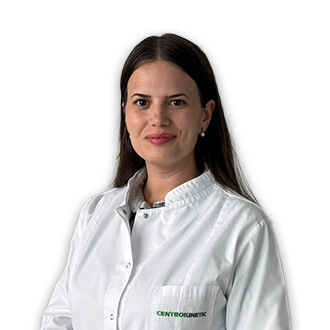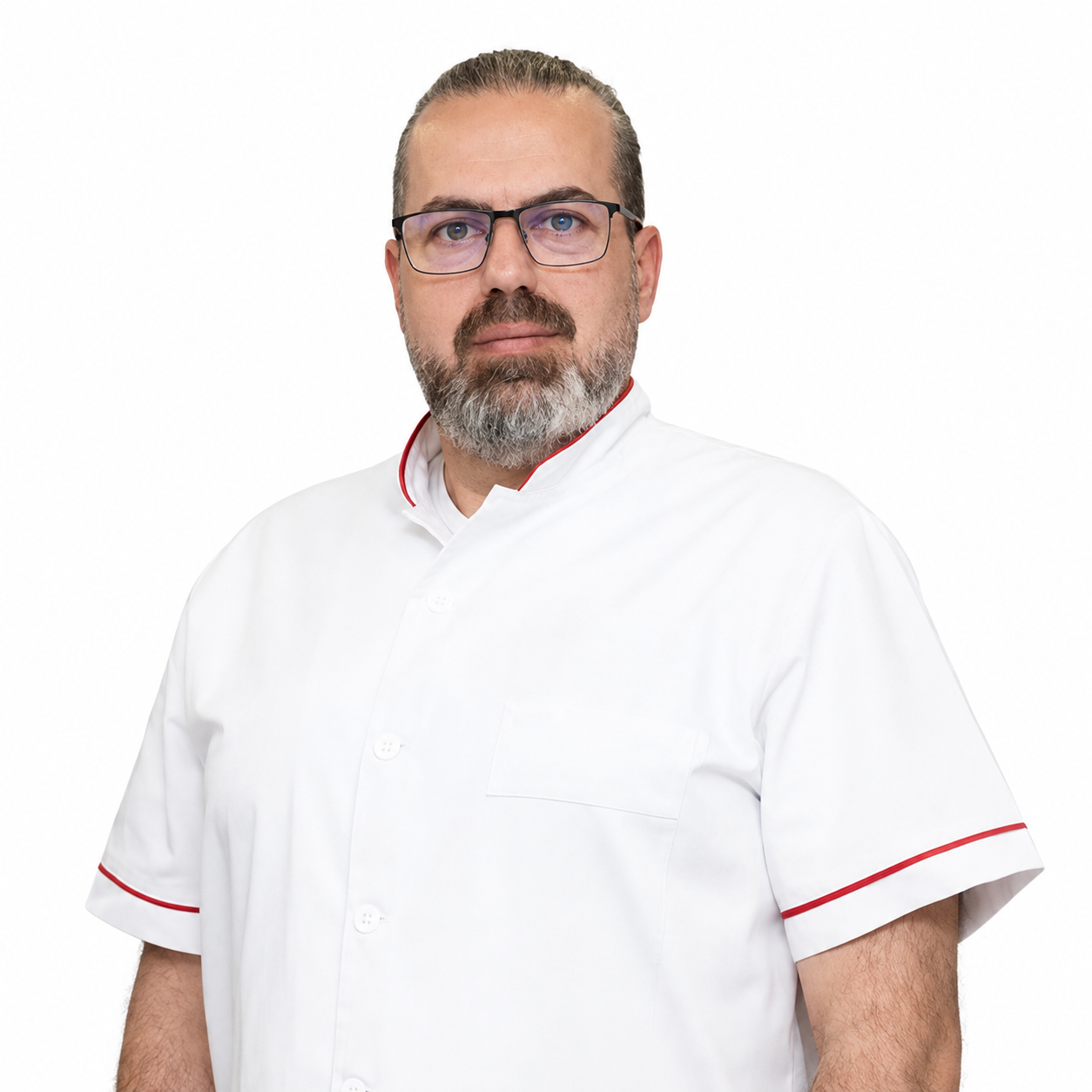


 MEDICI SI PRACTICIENI DE RENUME
 TEHNICA MEDICALA ULTRAMODERNA
 AMENAJARE SI AMPLASARE PREMIUM
 See details
READ MORE

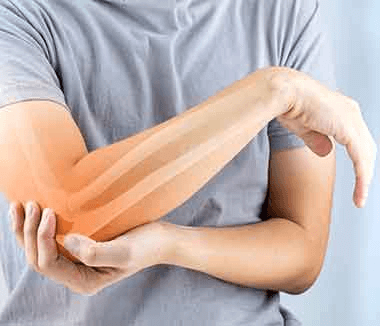
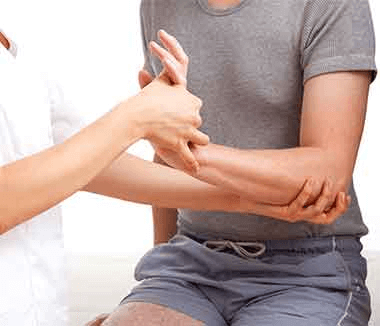
Pain, stiffness or loss of strength in the elbow can appear after overuse, trauma, a fracture, a dislocation, or damage to the tendons and ligaments. For recovery to be effective, exercises should not be chosen at random, nor applied identically to every patient.
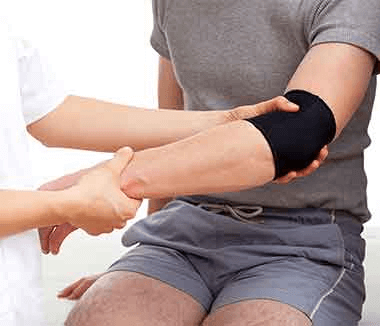
An elbow treatment protocol sets out the stages of recovery, the goals being pursued and the criteria that guide the exercises. At Centrokinetic, the program is tailored to the diagnosis, the patient's activity level and their response to treatment. In this way, physiotherapy for elbow recovery becomes a controlled process, in which mobility, strength and function are assessed periodically.
.jpg)
Centrokinetic is the place where you will find clear answers and effective solutions for musculoskeletal conditions. Our clinic, dedicated to musculoskeletal disorders, is organized into the following specialized departments:
Stay up to date by following Centrokinetic on Facebook, Instagram, and YouTube.
An elbow treatment protocol is a structured plan that organizes recovery from the initial assessment through to the return to daily, professional or sporting activities.
A protocol does not mean that every patient follows the same exercises at the same intervals. It provides a clear direction, while the specialist adjusts the difficulty and pace according to progress.
Initial assessment
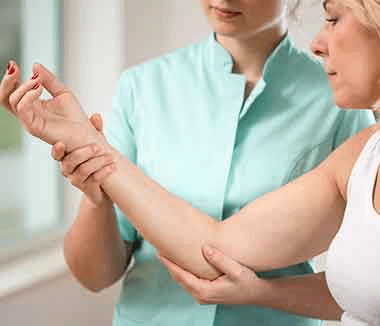
The first step is identifying the problem and establishing the functional level from which recovery begins.
The assessment may include:
After a trauma, a fracture or a surgical procedure, the physiotherapist works within the limits set by the orthopedic surgeon. Certain movements may be temporarily restricted to protect the tissues that are healing.
Setting therapeutic goals
Goals must be clear and tailored to the patient's needs. For someone who works at a desk, the goal may be using a mouse or keyboard without pain. For an athlete, the program may aim for a return to throwing, tennis, fitness training or other repetitive movements of the upper limb.
Goals may include:
Stages of recovery
An elbow recovery program is usually divided into several stages. Moving from one stage to the next is based on progress.
| Stage | Main goal | Example interventions |
|---|---|---|
| Initial phase | Protecting the area and controlling symptoms | activity modification, gentle movements, isometric exercises |
| Restoring mobility | Increasing joint range of motion | active mobilization, controlled stretching |
| Restoring strength | Increasing muscle capacity | progressive resistance exercises |
| Functional recovery | Resuming specific movements | exercises for grip, coordination and daily activities |
| Return to sport or exertion | Adapting to increased demands | exercises specific to the sport or profession |
Monitoring progress
Throughout the medical recovery program, the specialist checks whether the goals that were set are being met.
What may be tracked:
If the patient is progressing well, the difficulty of the exercises increases progressively. If significant pain, swelling or loss of mobility appear, the plan is reassessed.
Adjusting treatment according to progress
An effective protocol does not stay the same throughout recovery. For example, the exercises suited to the first weeks after a fracture are not the same as those used to return to sport. Likewise, a patient with epicondylitis has different goals than someone undergoing post-traumatic elbow recovery after a dislocation.
This adjustment allows demands to be increased gradually, without overloading the tissues.
Recovery protocols can be used for people of different ages and activity levels.
They are intended for:
For recovery from a fractured elbow, the initial goals differ from those for lateral epicondylitis. After immobilization, stiffness can be significant, and mobility must be restored progressively.
For recovery from a dislocated elbow, the program must protect joint stability and limit the risk of persistent stiffness developing.
The elbow tends to become stiff after trauma, surgery or periods of immobilization. At the same time, increasing the load too quickly can irritate the tendons, ligaments or structures that are still healing.
A well-established protocol helps find a balance between protection and movement. The benefits of a structured plan include:
If you want to find out more about assessment and elbow recovery, you can talk to the Centrokinetic specialists.
The type of exercises, the pace of progression and the goals differ depending on the diagnosis.
Protocol for lateral epicondylitis (Tennis elbow)
Lateral epicondylitis affects the tendons of the forearm extensor muscles and commonly occurs after repetitive gripping, lifting or wrist extension movements.
The program may include:
Elbow recovery exercises are progressed according to pain and tolerance. Resistance is increased gradually, without persistently worsening symptoms.
Protocol for medial epicondylitis (Golfer's elbow)
Medial epicondylitis affects the tendons of the forearm flexors and pronators.
Symptoms appear on the inner side of the elbow and can be aggravated by gripping objects, wrist flexion or certain sporting movements.
The protocol may aim for:
In athletes, the program later includes movements specific to the sport practiced.
Protocol for elbow bursitis
Olecranon bursitis occurs when the bursa located behind the elbow becomes inflamed and fills with fluid.
In the symptomatic phase, the plan may include:
If there is significant redness, local warmth, fever or suspicion of infection, a medical evaluation is required before starting recovery.
Protocol for ulnar collateral ligament injuries
The ulnar collateral ligament contributes to the elbow's internal stability and is particularly stressed in sports involving repeated throwing. Treatment depends on the severity of the injury.
In cases treated conservatively, physiotherapy may include:
After ligament reconstruction, the program follows the surgeon's protocol. The elbow is initially protected, and movement and strength exercises are introduced gradually.
Protocol for distal biceps tendon rupture
A distal biceps tendon rupture can cause pain and weakness in elbow flexion, and especially in forearm supination. In cases of surgical treatment, the first stages focus on protecting the repair.
Afterward, the program may include:
Lifting weights resumes only once the repaired structures have sufficient stability and the physician allows progression.
Protocol for cubital tunnel syndrome
Compression of the ulnar nerve at the elbow can cause tingling or numbness in the little and ring fingers, pain and, sometimes, reduced hand strength. The conservative program may include:
If progressive weakness or muscle atrophy appears, a medical reassessment is required.
Protocol for radial tunnel syndrome
Radial tunnel syndrome involves irritation or compression of the radial nerve in the proximal forearm. Symptoms can resemble lateral epicondylitis, which is why a differential diagnosis is important.
The program may include:
Monitoring allows the specialist to determine whether the exercises are effective or whether the program needs to be changed.
Pain assessment
Pain is analyzed in relation to:
A reduction in pain is important, but it is not the only criterion for progress.
Mobility assessment
The elbow must allow enough flexion and extension for daily activities such as eating, personal hygiene, getting dressed or working at a desk.
The physiotherapist may measure:
After fractures and dislocations, mobility is monitored closely because stiffness can develop quickly.
Muscle strength assessment
Strength can be tested for:
Comparing with the opposite limb provides useful information, but the natural differences between limbs must be taken into account.
Functional tests
Functional testing should reflect the patient's own activities.
For an active person, it may include:
In athletes, testing can be supplemented with throwing, striking or holding movements, depending on the sport practiced.
Adjusting the protocol when necessary
The program may be modified if:
Reassessment prevents unnecessarily continuing the same exercises when they are no longer producing progress.
Standardization provides a clear structure, but it does not eliminate personalization. The two principles must work together.
Organized treatment
The patient understands what the current stage is, which exercises need to be done and what comes next. The program becomes easier to follow and to evaluate.
Clear goals
Functional goals help the patient understand why each exercise is being performed. For example, the aim is not just increasing strength, but returning to lifting objects, holding a load, or performing a sporting movement without symptoms.
Ongoing evaluation
Periodic measurements allow progress to be compared. Pain can decrease before strength is fully restored, which is why the return to activity should not be decided based solely on the disappearance of symptoms.
Adjusting therapy
A standardized protocol provides a framework, but the exercises can be modified according to:
Effective communication between therapist and patient
The patient should know:
Clear communication increases adherence to the program and allows problems to be identified quickly.
If you are dealing with persistent pain, stiffness, reduced strength or difficulty using your elbow, a functional assessment can clarify which recovery stage is right for you.
At Centrokinetic, the recovery program is tailored to each patient's diagnosis and goals. The physiotherapist monitors mobility, strength and response to exercise, and adjusts the protocol as you progress.
Whether you need physiotherapy for elbow recovery due to an overuse condition, exercises for post-traumatic elbow recovery, or a program after surgery, the first step is a proper assessment. Schedule an assessment at Centrokinetic and find out which recovery program is right for your condition!
YOU CAN BOOK AN APPOINTMENT HERE for a consultation, an MRI, or medical recovery. At Centrokinetic, the best doctors and therapists are available for any joint or musculoskeletal problem, from the initial consultation and complete investigations at the clinic, to treatment and full medical recovery for spinal, traumatic, or post-surgical conditions.
How long does elbow recovery take?
The duration depends on the condition and its severity. Epicondylitis may require several weeks or months of progressive exercises. Recovery from a fractured elbow or a dislocation can take longer, especially after immobilization or surgery.
How often is the treatment reassessed?
Reassessment takes place periodically and whenever progress does not match the goals that were set.
Can I continue physical activity?
In many cases, physical activity does not need to be stopped completely, but it does need to be adapted. Movements that worsen symptoms may be temporarily reduced, while other exercises can be maintained. After a fracture, dislocation or surgery, restrictions are set by the physician.
Disclaimer: This material is for informational purposes only and does not replace specialist medical consultation. The diagnosis, the timing for starting exercises, the restrictions and the progression of the recovery program must be established individually, depending on the condition, the treatment received and the guidance of the medical team.
See details
READ MORESee details
READ MORESee details
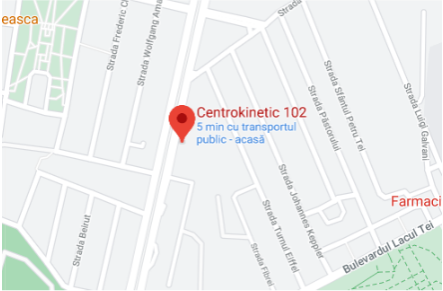
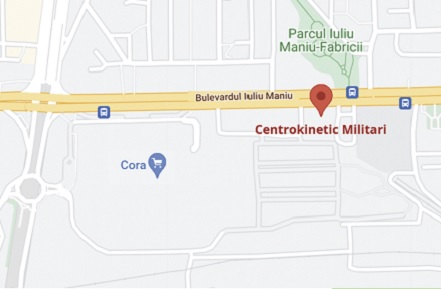
READ MORESee here how you can make an appointment and the location of our clinics.






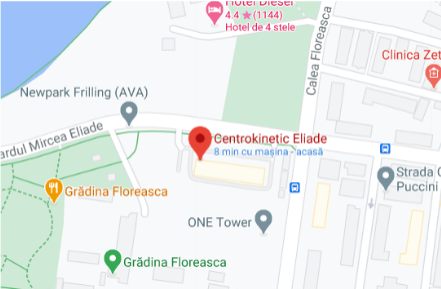
CENTROKINETIC FLOREASCA
Bucharest, 1st District,
Mircea Eliade Street, no. 18,
Eliade Tower, Entrance A, Floor 3
| Navigation | Explore 3D |
CENTROKINETIC Barbu Vacarescu
Bucharest, 2nd District,
Barbu Vacarescu Street, no. 102,
102 The Address, ground floor.
| Navigation | Explore 3D |
CENTROKINETIC MILITARI
Bucuresti, Sector 6,
Bld. Iuliu Maniu, nr. 15G,
Cladirea PBT, etaj 3.
| Navigation |
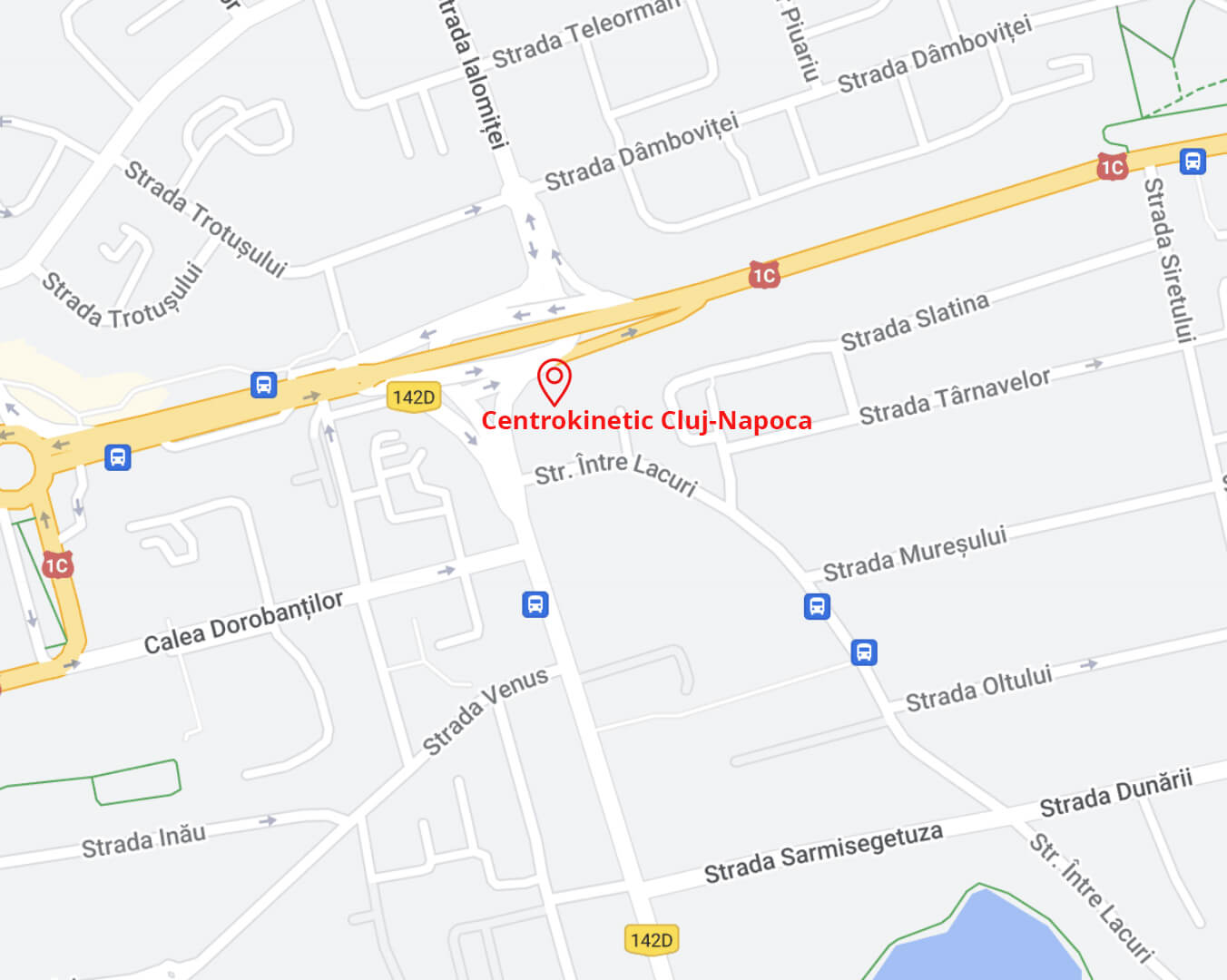
CENTROKINETIC CLUJ-NAPOCA
Cluj-Napoca,
Str. Intre Lacuri, nr.1
Intrarea este in spatele cladirii.
| Navigation |
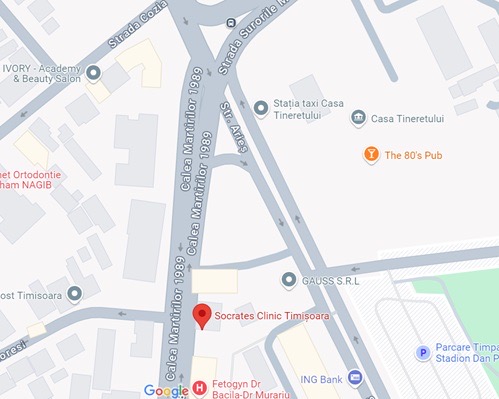
SOCRATES CLINIC TIMISOARA
Timisoara, Calea Martirilor 1989,
nr. 1.
Telefon: 0371 785 374.
| Navigation |
Phone: 0319693
E-mail: programari@centrokinetic.ro
Operating hours:
Monday – Friday: 07:00 – 21:00
Saturday: 09:00 – 14:00
Sunday: closed.
MAKE AN APPOINTMENT