
See details
READ MORE

Pain, swelling, and ankle instability can affect walking, balance, and the ability to return to daily or sports activities. These issues can appear after a sprain, a fracture, surgery, a period of immobilization, or in the context of foot conditions. Ankle recovery does not just mean reducing pain. The program aims to regain mobility, increase muscle strength, restore stability, and correct the way you walk. At Centrokinetic, the plan is established after a medical and functional evaluation, then adjusted as you progress. Medical rehabilitation of the ankle is a staged process, tailored to the diagnosis, the treatment followed, and your activity level. The program can include mobility, strength, balance, and coordination exercises, as well as gait re-education. Depending on the situation, the specialist may recommend: After immobilization, the joint may remain stiff, the calf muscles may lose strength, and balance may be affected. That is why ankle recovery after a cast must be carried out progressively, without forcing movements and without uncontrolled increases in weight-bearing. The final goal is resuming important activities: walking without pain, climbing stairs, returning to work, running, or playing sports safely. Recovery is recommended when pain, stiffness, instability, or changes in gait affect normal function. The program may be necessary after trauma, surgery, or in conditions that change the foot's weight-bearing and biomechanics. A sprain occurs when the ankle ligaments are excessively stretched or injured, most often by twisting the foot. Even if the pain decreases after a few days, the joint's stability can remain affected. Ankle recovery after a sprain can include: Incomplete recovery can favor repeated sprains and chronic ankle instability. A fracture can affect the tibia, the fibula, the talus, or several structures of the joint. Treatment may involve immobilization in a cast or brace, and sometimes surgery is necessary. After confirming consolidation and receiving medical approval, recovery exercises for a fractured ankle aim to: Ankle recovery after a cast must be started according to the doctor's instructions. It is normal for the joint to be stiff and for the foot to swell temporarily after the immobilization is removed. Weight-bearing is increased only within the permitted limits. Ankle recovery after surgery depends on the procedure performed, the structures repaired, and the period during which weight-bearing is restricted. The program may be necessary after: In the early stages, the limits set by the surgeon are respected. Later, controlled movements, strength exercises, gait re-education, and functional activities are introduced. The protocol should not be rushed, since the tissues need time to heal. Ligament tears can be partial or complete and can cause pain, swelling, and the feeling that the ankle isn't properly supporting the body's weight. The program aims to: Athletes also need functional testing before returning to training. The Achilles tendon connects the calf muscles to the heel bone and is put under strain during walking, running, and jumping. A rupture can be treated conservatively or surgically, depending on the case. Recovery is carried out progressively and can include: Exercises should not be started or intensified without the medical team's approval. Flatfoot with valgus deformity can change weight-bearing and the alignment of the lower limb. Some people experience pain on the inner side of the ankle, fatigue when walking, or difficulty maintaining balance. Physical therapy may aim to: Depending on severity, the doctor may also recommend heel pads, orthoses, or footwear changes. A tailor's bunion appears on the outer side of the foot, at the fifth metatarsal. It can cause pain, inflammation, and difficulty wearing shoes. Recovery does not correct the bone deformity, but it can support: Hallux valgus involves the deviation of the big toe and the appearance of a bump on the inner side of the foot. Symptoms can include pain, skin irritation, and difficulty walking. Physical therapy can help maintain joint mobility, train the foot muscles, and correct weight-bearing. After surgery, recovery aims to reduce swelling, restore toe mobility, and resume walking. Hallux rigidus is a form of arthrosis of the joint at the base of the big toe. Pain and stiffness can affect push-off from the ground during walking. The program can include exercises for mobility, weight-bearing control, gait adaptation, and strengthening the foot muscles. In advanced stages, the doctor may recommend surgical treatment, followed by personalized recovery. These deformities change the position of the toe joints and can cause pressure, calluses, and pain when wearing shoes. Recovery can include: In rigid deformities, physical therapy can improve function, but cannot fully correct the bone structure. Plantar fasciitis frequently causes pain in the heel area, more intense with the first steps in the morning or after a period of rest. The program can include: Treatment can be supplemented, on the doctor's recommendation, with heel pads, physiotherapy, or other procedures. Evaluation is recommended if symptoms do not improve, reappear, or change the way you walk. Here are the symptoms that indicate you need recovery. Pain can appear with the first steps, after prolonged walking, when climbing stairs, or while running. Its location and the moment it appears provide important information about the affected structure. Don't keep forcing weight-bearing if the pain increases progressively or if you start to limp. Swelling can be normal for a period after trauma, surgery, or the removal of a cast. However, persistent swelling should be evaluated, especially if accompanied by redness, local warmth, or intense pain. Exercises, positioning, and techniques for controlling swelling are adapted to each stage. Difficulty bending or extending the ankle affects walking and climbing stairs. Reduced mobility can appear after a cast, prolonged rest, or surgery. Mobilizations must be performed in a controlled manner. Forcing the joint can increase inflammation and pain. The feeling of giving way frequently occurs after repeated sprains or ligament injuries. It indicates impaired mechanical stability or neuromuscular control. Balance and proprioception exercises help the body react more effectively to changes in position and the support surface. After immobilization, the calf muscles can quickly lose strength. You may notice difficulty rising onto your toes, climbing stairs, or maintaining balance on one foot. Strength recovery is carried out gradually, from simple contractions to resistance exercises and sport-specific activities. The program is built based on the diagnosis, previous treatment, pain level, and your goals. The first step is the medical and functional evaluation. The specialist reviews your medical documents, investigations, and the way you use the joint. The evaluation can include: The goals are established according to your needs. For a sedentary person, the priority may be walking without pain. For an athlete, the goal may be returning to training, changes of direction, and jumping. Goals must be clear and measurable, so that progress can be tracked. Exercises are introduced progressively and adjusted according to the ankle's response. The program can include: Recovery massage for the ankle can be included when indicated, to relax certain muscle groups and improve tissue mobility. It complements active exercises, but does not replace them. Progress is checked periodically by retesting mobility, strength, balance, and gait. If symptoms increase or progress stalls, the program is adjusted. Reassessment helps determine the right moment for: A properly conducted program can contribute to: Physical therapy does not focus solely on the painful area. The specialist also examines the knee, the hip, posture, and the way you distribute your body weight, since these elements can influence ankle recovery. Results depend on the severity of the condition, consistency with the program, and following the instructions received. Do not compare your recovery pace with that of another patient, even if the diagnosis seems similar. Recovery started at the recommended time can limit stiffness, loss of strength, and the appearance of compensations. The exact timing depends on the diagnosis and the doctor's instructions. After a fracture or surgery, do not start exercises without the medical team's approval. Returning to sport does not happen just because the pain is gone. You need sufficient mobility, strength close to that of the healthy limb, good balance, and the ability to perform sport-specific movements. For some mild sprains, the return can be relatively quick. Fractures, ligament tears, and Achilles tendon ruptures require longer periods and functional testing. Yes, but only the exercises recommended and explained by the physical therapist. The home program complements the clinic sessions and helps maintain progress. Avoid generic exercises found online if you don't know your diagnosis or your weight-bearing limits. An exercise suitable after a sprain may be contraindicated after a recent fracture or surgery. A lack of recovery can lead to: After immobilization in a cast, ankle recovery exercises are important for the progressive resumption of movement and weight-bearing. Mild discomfort can appear after introducing new exercises or increasing effort. The pain should not be intense, constantly worsen, or be associated with significant swelling. Tell the specialist if you experience sudden pain, instability, redness, increased local temperature, or loss of mobility. If you've been through a sprain, a fracture, surgery, or a period of immobilization, a proper evaluation helps you understand which exercises are suitable and when you can increase your effort level. At Centrokinetic, the ankle recovery program is established based on the diagnosis, goals, and your response to treatment. The medical team and physical therapists monitor progress and adjust each stage, so that you can return to walking, daily activities, or sport safely. Book a consultation at Centrokinetic and find out which physical therapy plan is right for your ankle recovery. Disclaimer: This material is intended for informational purposes only and does not replace a specialist medical consultation. Exercises and the timing for starting recovery must be established individually, based on the diagnosis, the treatment followed, and the doctor's instructions. Centrokinetic is the place where you will find clear answers and effective solutions for musculoskeletal conditions. Our clinic, dedicated to musculoskeletal disorders, is organized into the following specialized departments: Stay up to date by following Centrokinetic on Facebook, Instagram, and YouTube. Sources: .jpg "e1309d0be48b107f05ad6c57c2d54db204")
What does medical rehabilitation of the ankle involve?
When is ankle recovery recommended?
Recovery after an ankle sprain
Recovery after an ankle fracture
Recovery after ankle surgery
Recovery after a torn ankle ligament
Recovery after an Achilles tendon rupture
Adult flatfoot with valgus deformity
Tailor's bunion
Hallux valgus (bunion)
Hallux rigidus
Hammer toe / claw toe
Plantar fasciitis
Symptoms indicating the need for recovery
.jpg "e19f535d8cf218573733757ca0f0c003af")
Pain when walking
Ankle swelling
Reduced mobility
Instability and the feeling that the ankle "gives way"
Decreased muscle strength
How does the recovery program at Centrokinetic work?
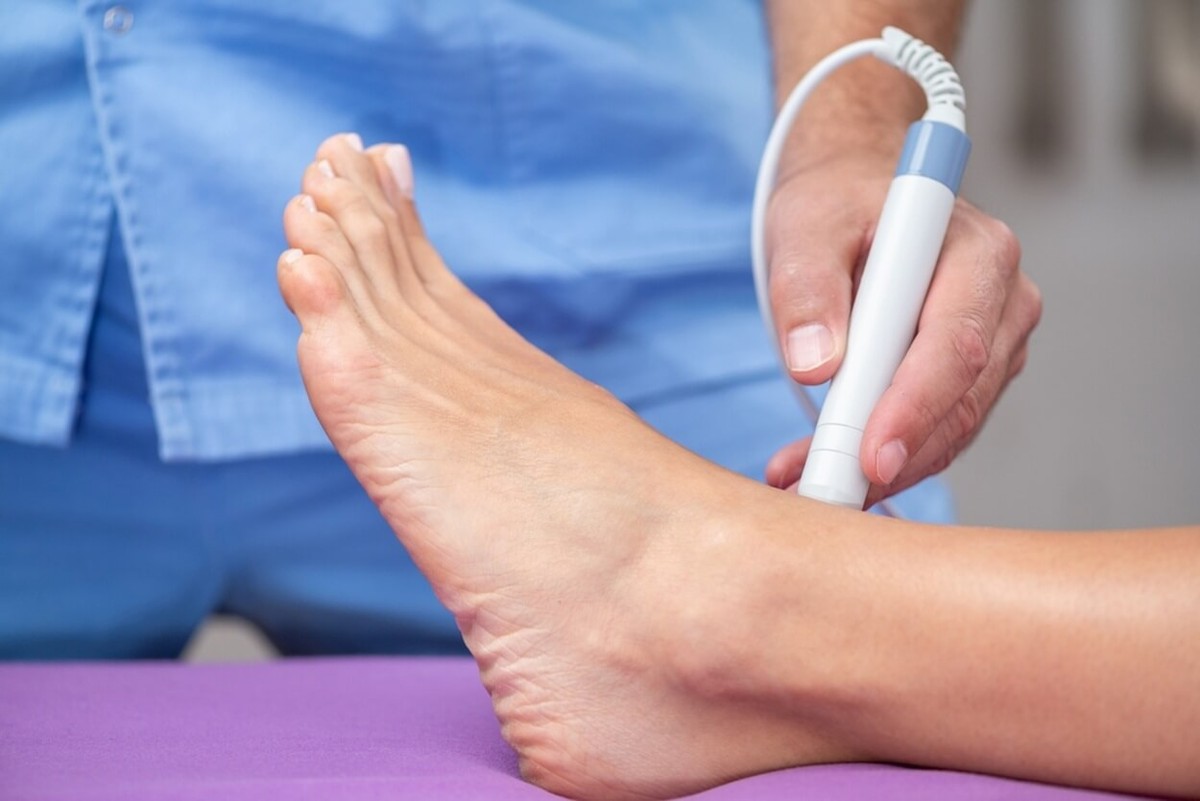
The consultation and functional evaluation
Setting the goals
The personalized physical therapy program
Monitoring progress
Benefits of physical therapy for the ankle
Frequently asked questions (FAQ)
Why is it important to start recovery as early as possible?
When can I return to sport?
Can I do the exercises at home?
What happens if I don't follow the recovery program?
Is it normal to still have pain after recovery?
Schedule a consultation for ankle recovery
See details
READ MORESee details
READ MORESee details
READ MORESee here how you can make an appointment and the location of our clinics.







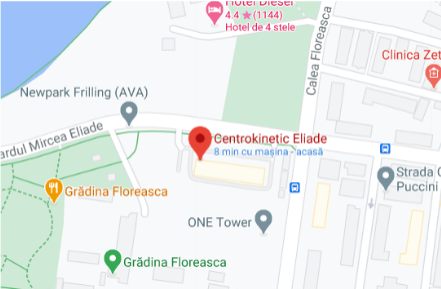
CENTROKINETIC FLOREASCA
Bucharest, 1st District,
Mircea Eliade Street, no. 18,
Eliade Tower, Entrance A, Floor 3
| Navigation | Explore 3D |
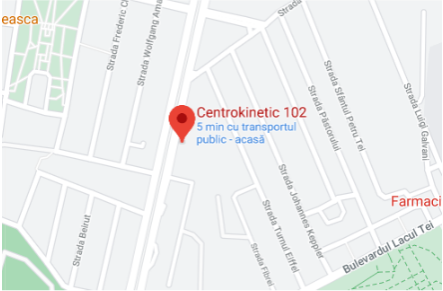
CENTROKINETIC Barbu Vacarescu
Bucharest, 2nd District,
Barbu Vacarescu Street, no. 102,
102 The Address, ground floor.
| Navigation | Explore 3D |
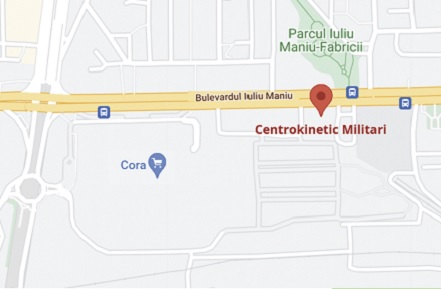
CENTROKINETIC MILITARI
Bucuresti, Sector 6,
Bld. Iuliu Maniu, nr. 15G,
Cladirea PBT, etaj 3.
| Navigation |
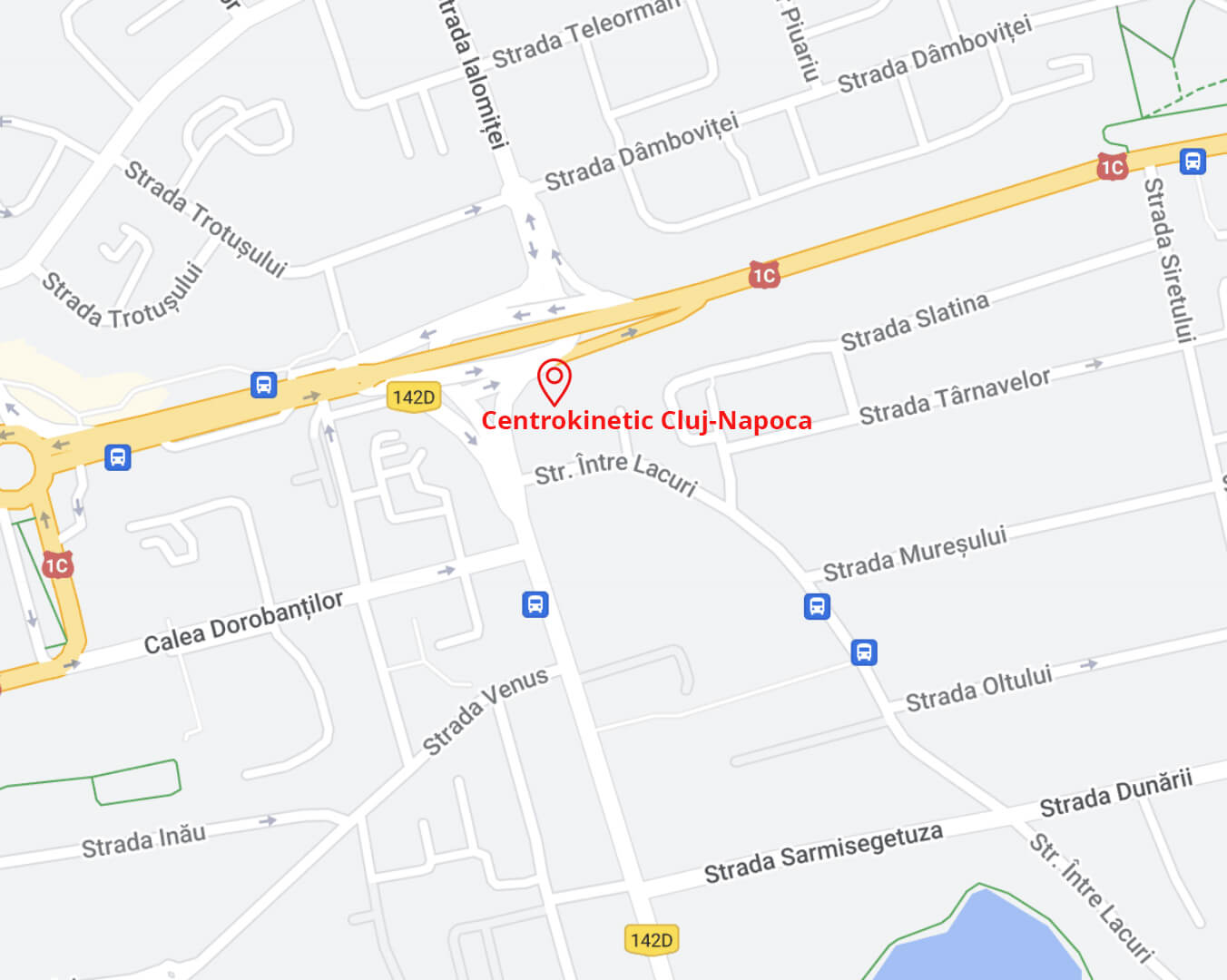
CENTROKINETIC CLUJ-NAPOCA
Cluj-Napoca,
Str. Intre Lacuri, nr.1
Intrarea este in spatele cladirii.
| Navigation |
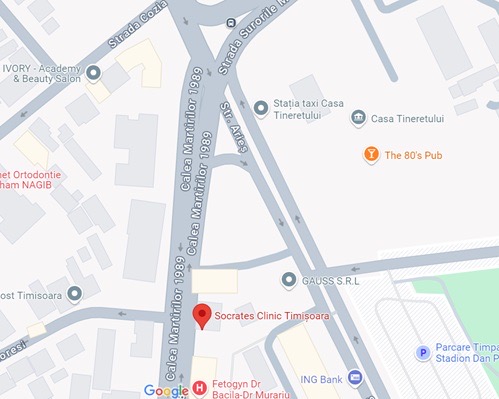
SOCRATES CLINIC TIMISOARA
Timisoara, Calea Martirilor 1989,
nr. 1.
Telefon: 0371 785 374.
| Navigation |
Phone: 0319693
E-mail: programari@centrokinetic.ro
Operating hours:
Monday – Friday: 07:00 – 21:00
Saturday: 09:00 – 14:00
Sunday: closed.
MAKE AN APPOINTMENT