
See details
READ MORE


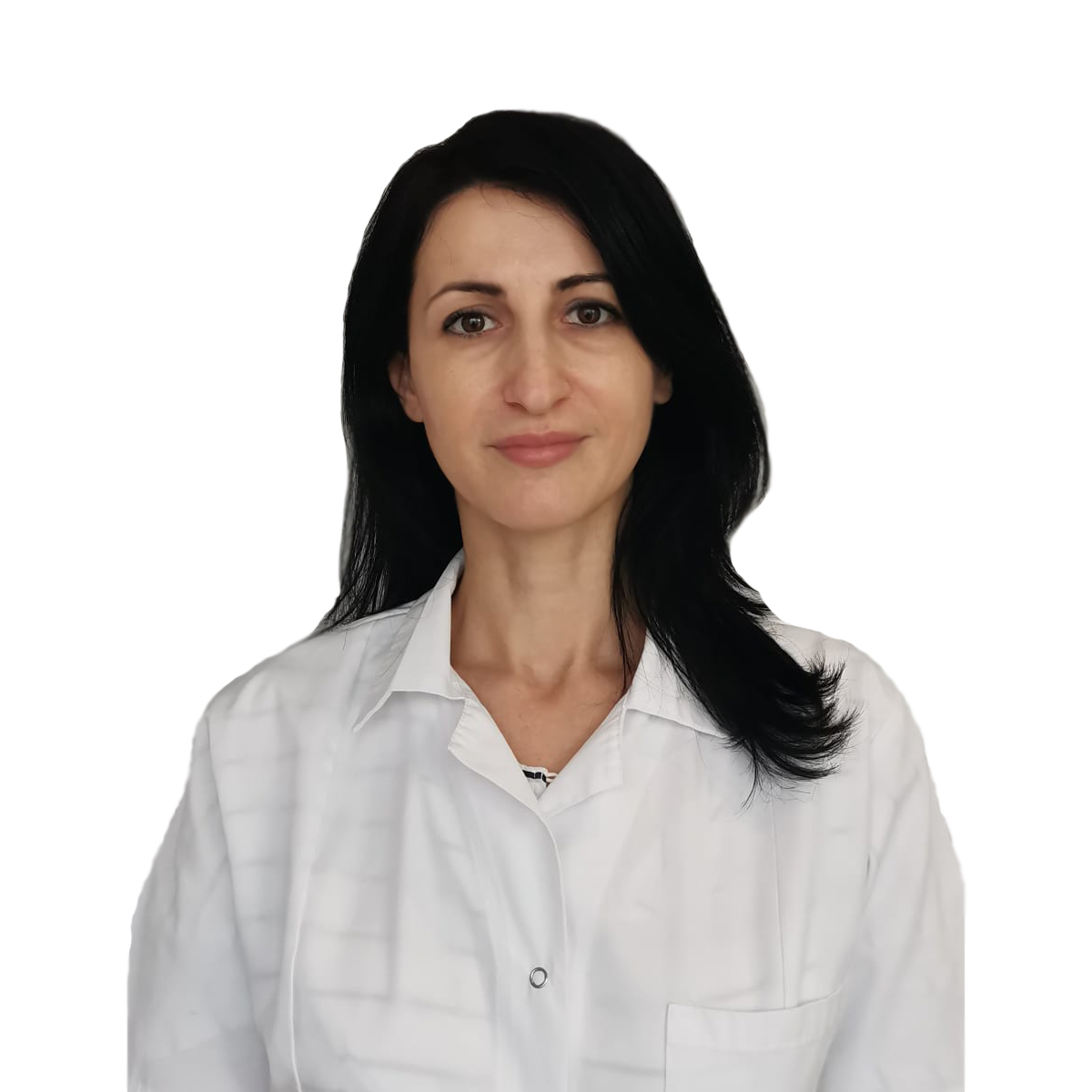
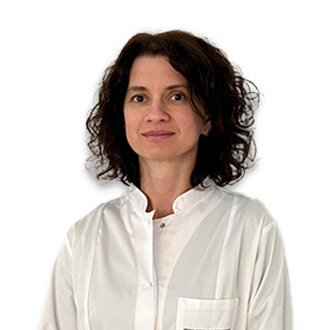
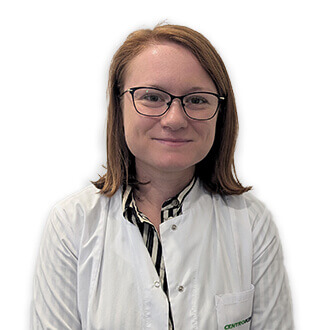
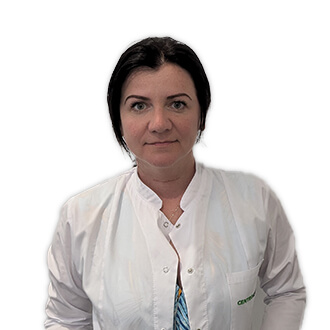
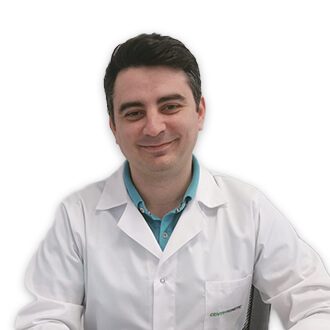
This article was written by Dr. Aursulesei Ruxandra, pediatric neurologist specialist with extensive experience in diagnosing and treating neurological conditions. Pediatric neurology plays an important role in the periodic neurological evaluation of premature infants, as well as of all newborns at risk of developing neurological sequelae, with the goal of early detection and treatment of any impairment of the nervous system.
Cerebral palsy is a term that describes a group of permanent disorders of motor function, which are caused by non-progressive lesions of a developing or immature brain.
CP occurs as a result of:
Centrokinetic is prepared for this specialization with a team of experienced doctors and the necessary equipment for diagnosis, monitoring and treatment. Find out more about pediatric neurology and book an appointment at Centrokinetic here.
Yes, 3 types of CP can be found:
Approximately 4% of CP cases cannot be definitively classified.
It is associated with pain, intellectual disability, inability to walk independently, lack of verbal language, active epilepsy, behavioral impairment, sphincter disorders, pathological sleep disturbance, drooling, visual impairment (functionally blind), a nasogastric tube or gastrostomy in order to be fed, and hearing impairment (deafness).
Physiotherapy: exercises to stimulate muscle strength and motor skills. Occupational therapy to stimulate manual skills is also very important.
Orthopedic treatment: preventing muscle contractures with the help of orthotic devices. Regular orthopedic evaluation. Orthopedic interventions sometimes necessary: correcting contractures that have already formed through tendon lengthening, stabilizing unstable joints through arthrodesis, transplanting certain muscles, which will take on a new role, selective dorsal rhizotomy.
Centrokinetic is prepared for this specialization with a team of experienced doctors and the necessary equipment for diagnosis, monitoring and treatment. Find out more about pediatric neurology and book an appointment at Centrokinetic here.
See details
READ MORESee details
READ MORESee details
READ MORESee here how you can make an appointment and the location of our clinics.







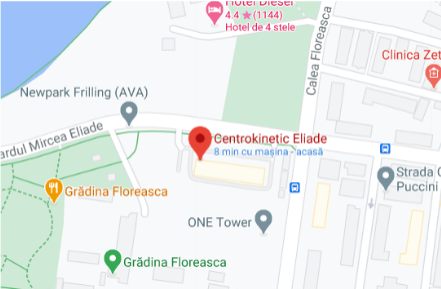
CENTROKINETIC FLOREASCA
Bucharest, 1st District,
Mircea Eliade Street, no. 18,
Eliade Tower, Entrance A, Floor 3
| Navigation | Explore 3D |
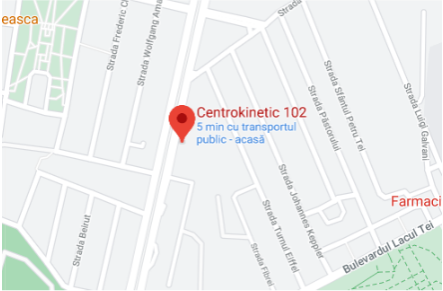
CENTROKINETIC Barbu Vacarescu
Bucharest, 2nd District,
Barbu Vacarescu Street, no. 102,
102 The Address, ground floor.
| Navigation | Explore 3D |
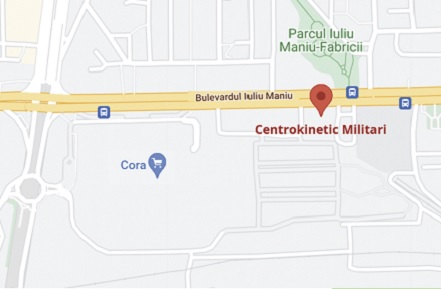
CENTROKINETIC MILITARI
Bucuresti, Sector 6,
Bld. Iuliu Maniu, nr. 15G,
Cladirea PBT, etaj 3.
| Navigation |
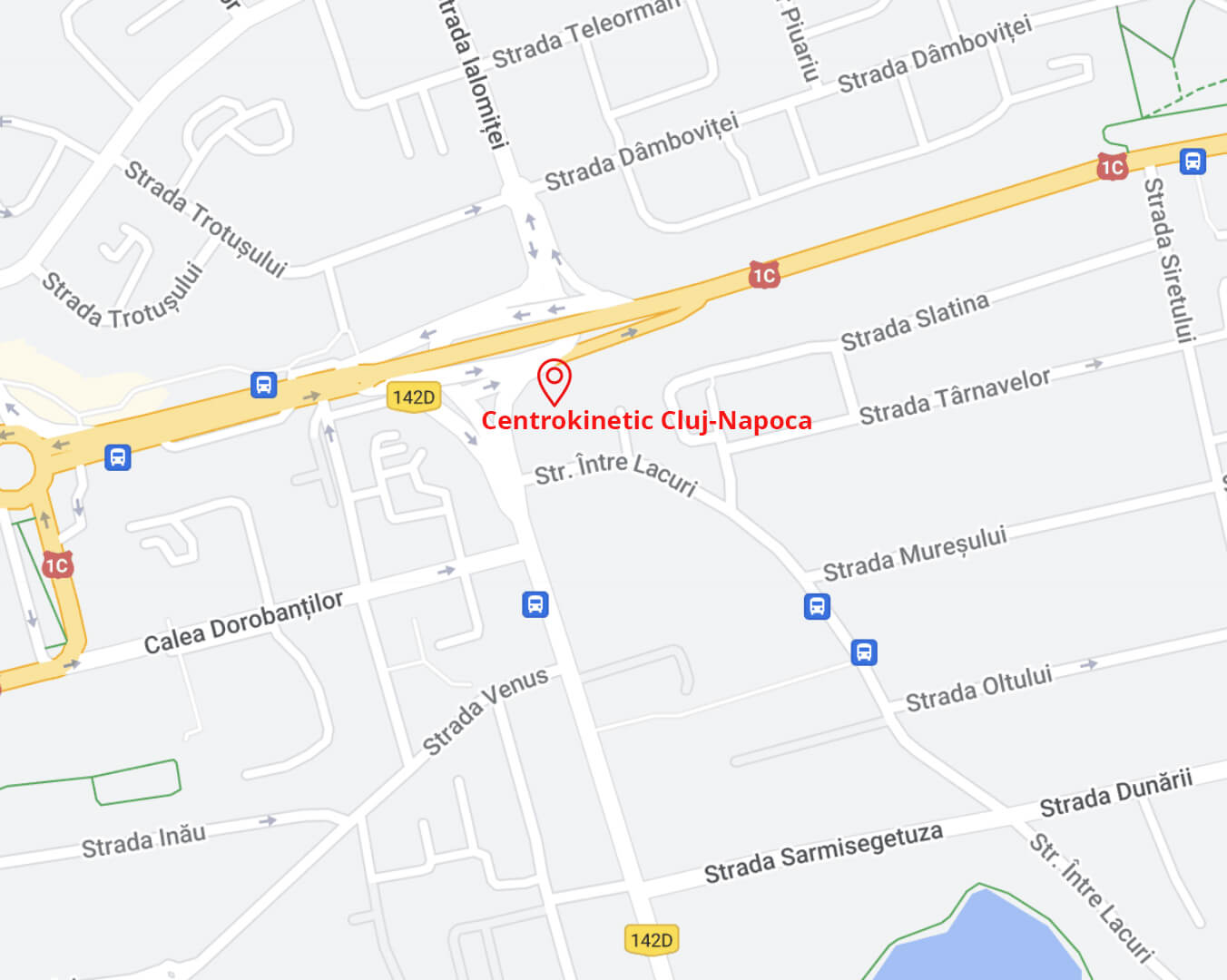
CENTROKINETIC CLUJ-NAPOCA
Cluj-Napoca,
Str. Intre Lacuri, nr.1
Intrarea este in spatele cladirii.
| Navigation |
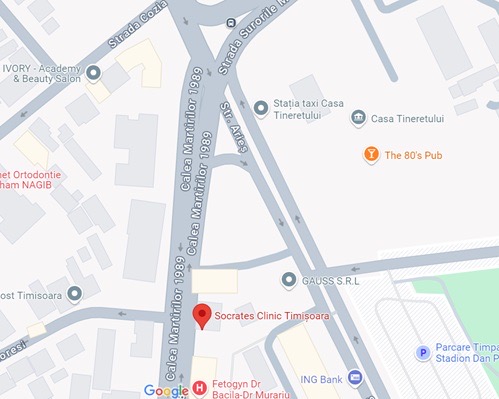
SOCRATES CLINIC TIMISOARA
Timisoara, Calea Martirilor 1989,
nr. 1.
Telefon: 0371 785 374.
| Navigation |
Phone: 0319693
E-mail: programari@centrokinetic.ro
Operating hours:
Monday – Friday: 07:00 – 21:00
Saturday: 09:00 – 14:00
Sunday: closed.
MAKE AN APPOINTMENT