
See details
READ MORE

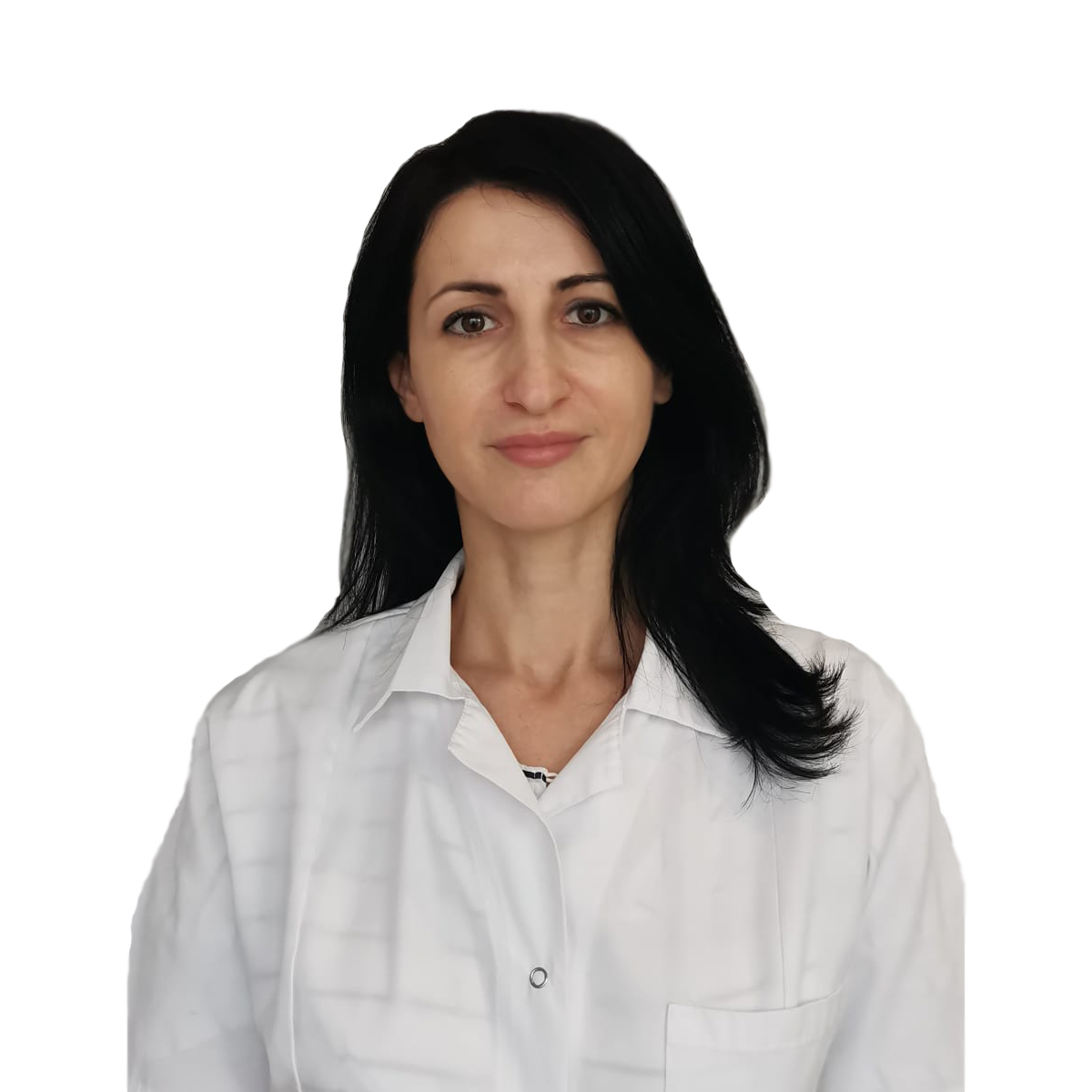
This article was written by Dr. Aursulesei Ruxandra, pediatric neurologist specialist with extensive experience in diagnosing and treating neurological conditions. Pediatric neurology plays an important role in the periodic neurological evaluation of premature infants, as well as of all newborns at risk of developing neurological sequelae, with the goal of early detection and treatment of any impairment of the nervous system.
It is an acute, idiopathic facial paralysis involving the territory of the facial nerve.
No.
In PFP, the entire half of the face is involved, whereas in a stroke, only the lower part of that half of the face is affected.
Most often, PFP is idiopathic, but it can also be found in people who have a history of a recent viral infection, or in those who have had repeated infections with the herpes simplex virus.
Approximately 1-2% of patients have a positive family history for PFP.
Yes, in most cases the deficit fully recovers, this percentage varying depending on the cause of the PFP, as well as on receiving the appropriate treatment.
Yes, in 6% of cases.
Initially, the child may feel pain or paresthesia in the ear or face on the side of the paresis, but these are of low intensity. Frequently, children cannot fully close the eye on the affected side, and the corner of the mouth is pulled toward the healthy side, which can make drinking liquids difficult. Also, an alteration of taste may be observed, with the child no longer liking the taste of foods they preferred before the episode.
Centrokinetic is prepared for this specialization with a team of experienced doctors and the necessary equipment for diagnosis, monitoring and treatment. Find out more about pediatric neurology and book an appointment at Centrokinetichere.
See details
READ MORESee details
READ MORESee details
READ MORESee here how you can make an appointment and the location of our clinics.







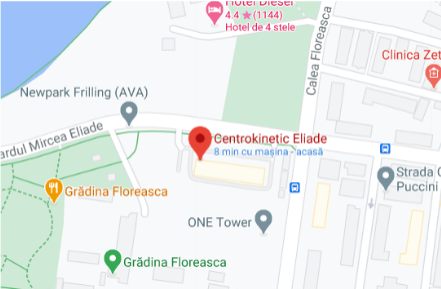
CENTROKINETIC FLOREASCA
Bucharest, 1st District,
Mircea Eliade Street, no. 18,
Eliade Tower, Entrance A, Floor 3
| Navigation | Explore 3D |
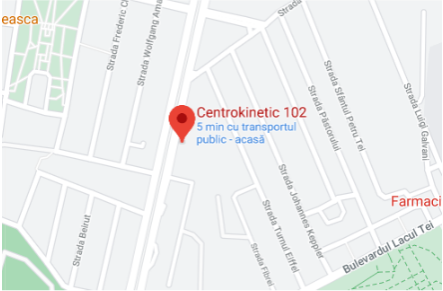
CENTROKINETIC Barbu Vacarescu
Bucharest, 2nd District,
Barbu Vacarescu Street, no. 102,
102 The Address, ground floor.
| Navigation | Explore 3D |
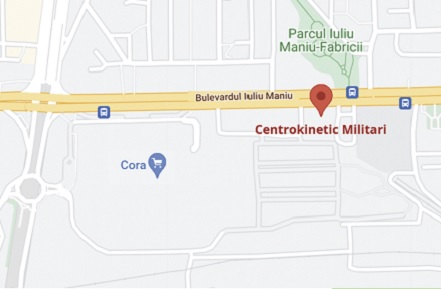
CENTROKINETIC MILITARI
Bucuresti, Sector 6,
Bld. Iuliu Maniu, nr. 15G,
Cladirea PBT, etaj 3.
| Navigation |
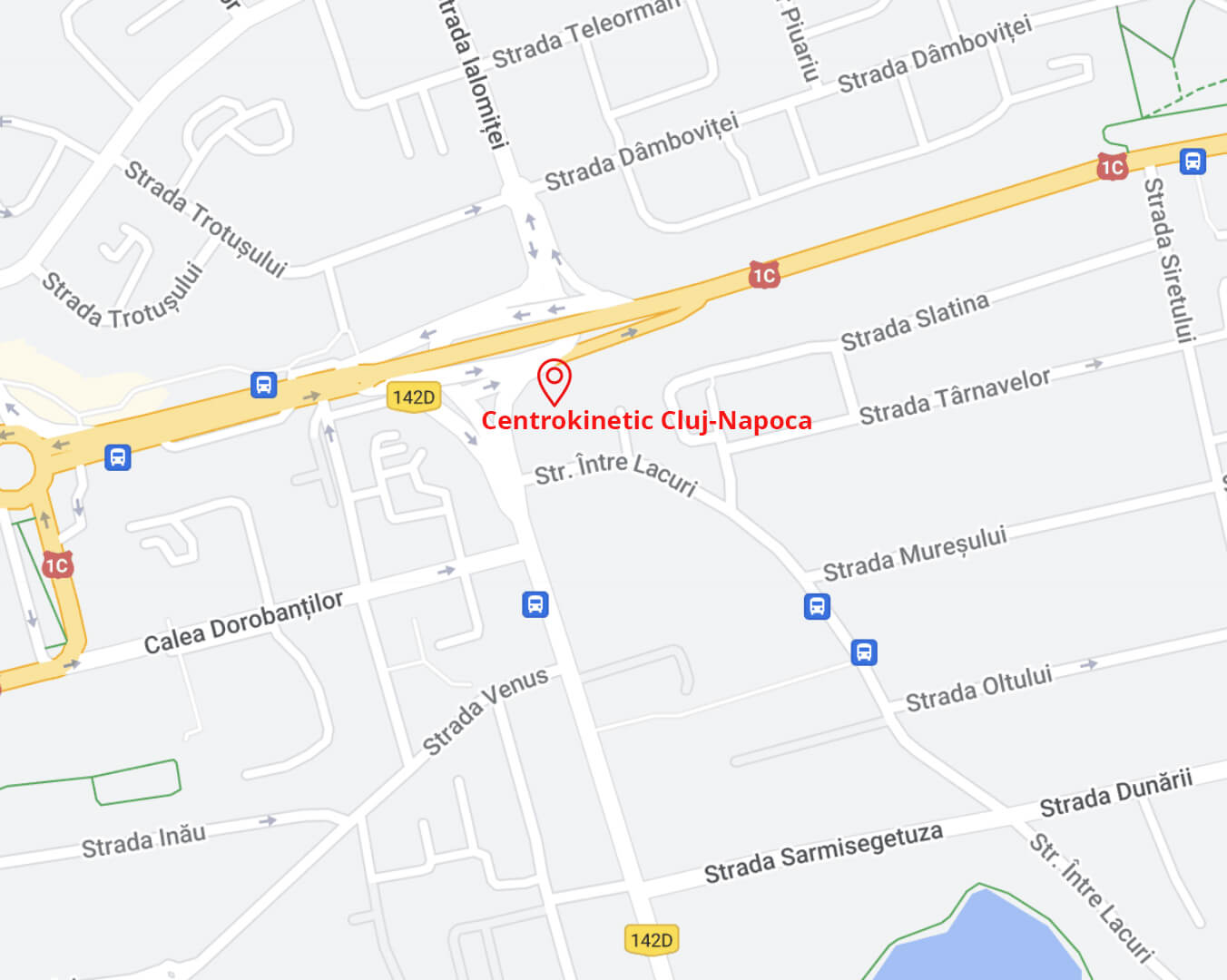
CENTROKINETIC CLUJ-NAPOCA
Cluj-Napoca,
Str. Intre Lacuri, nr.1
Intrarea este in spatele cladirii.
| Navigation |
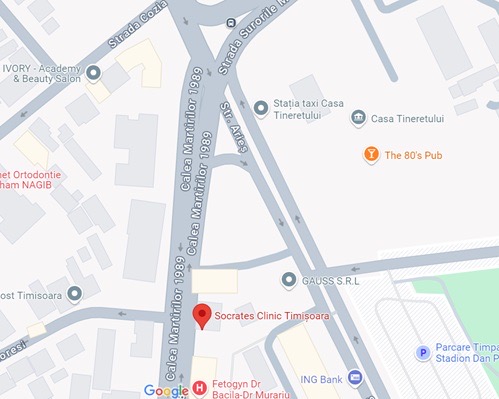
SOCRATES CLINIC TIMISOARA
Timisoara, Calea Martirilor 1989,
nr. 1.
Telefon: 0371 785 374.
| Navigation |
Phone: 0319693
E-mail: programari@centrokinetic.ro
Operating hours:
Monday – Friday: 07:00 – 21:00
Saturday: 09:00 – 14:00
Sunday: closed.
MAKE AN APPOINTMENT