Carpal Tunnel Syndrome: Symptoms and Treatment



- About carpal tunnel syndrome
- How carpal tunnel syndrome is treated
- How carpal tunnel syndrome can be prevented
This article was written by Dr. Dan Martin, senior neurosurgeon, highly specialized at Necker Hospital - enfants malades, Pediatric Neurosurgery Department, in Paris.
About carpal tunnel syndrome
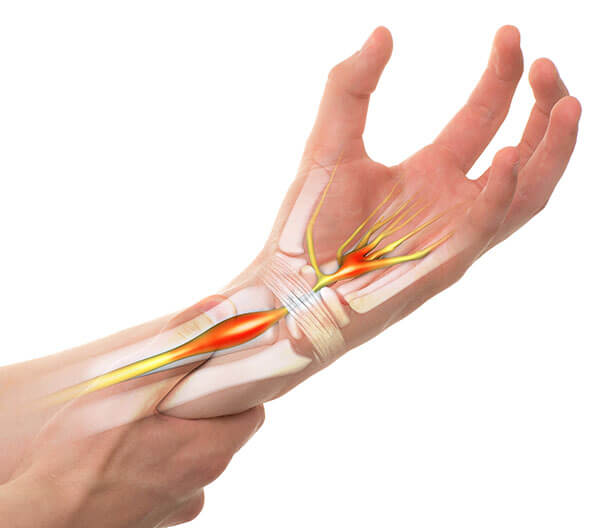
If you feel a sensation of numbness, tingling or weakness in your hand, you may be suffering from carpal tunnel syndrome. This is caused by pressure on the median nerve, which runs along the length of the arm, passes through a passage in the wrist called the carpal tunnel and ends in the hand. The median nerve controls movement and sensation in the thumb, and also movement in all the fingers except the little finger. The carpal tunnel is narrowed usually as a result of swelling.Often, people don't know the cause that led to carpal tunnel syndrome. There are several possible causes that can lead to carpal tunnel syndrome:
- Repetitive movements, such as typing or any wrist movements performed repeatedly. This is especially true for actions in which the hands are positioned lower than the wrist.
- Conditions such as hypothyroidism, obesity, rheumatoid arthritis, diabetes mellitus, and pregnancy.
What is carpal tunnel syndrome
Carpus is a word derived from the Greek word karpos, meaning "wrist." The wrist is surrounded by a band of fibrous tissue that normally functions as support for the joint. The narrow space between this fibrous band and the wrist bone is called the carpal tunnel. The median nerve passes through the carpal tunnel to receive sensations from the thumb, index and middle fingers of the hand. Any condition that causes swelling or a change in the position of the tissue in the carpal tunnel can squeeze and irritate the median nerve. Irritation of the median nerve in this way causes tingling and numbness of the thumb, index and middle fingers - a condition known as "carpal tunnel syndrome."In most patients, carpal tunnel syndrome worsens over time, so early diagnosis and treatment are important. At first, symptoms can often be relieved by simple measures such as wearing a wrist splint, or avoiding certain activities.
If pressure on the median nerve continues, however, it can lead to nerve damage and worsening symptoms. To prevent permanent damage, surgery may be recommended to relieve the pressure on the median nerve.

Causes and risk factors for carpal tunnel syndrome
Carpal tunnel syndrome is caused by pressure on the median nerve. A fracture of the wrist can narrow the carpal tunnel and irritate the nerve, as can the swelling and inflammation resulting from rheumatoid arthritis.For most patients, the cause of carpal tunnel syndrome is unknown. Any condition that puts pressure on the median nerve at the wrist can cause carpal tunnel syndrome. Common conditions that can lead to carpal tunnel syndrome include obesity, pregnancy, hypothyroidism, arthritis, diabetes and trauma. Tendon inflammation resulting from repetitive work, such as continuous typing, can also cause carpal tunnel symptoms. Some rare diseases can cause the deposit of abnormal substances in and around the carpal tunnel, leading to nerve irritation. These diseases include amyloidosis, sarcoidosis, multiple myeloma and leukemia.
Risk factors:
- Age - Carpal tunnel syndrome is rarely diagnosed before age 30, and 76% of all patients become symptomatic between the ages of 40 and 70.
- Heredity - This is probably an important factor. The carpal tunnel may be smaller in some people, or there may be anatomical differences that change the amount of space for the nerve - and these traits can run in families.
- There is some evidence that genetic factors may be involved in the development of carpal tunnel syndrome. There is even a rare condition called hereditary neuropathy with liability to pressure palsies (HNPP), which has a clear genetic cause.
- Repetitive hand movements - Many studies have found that repetitive movements of the hands and wrists, such as moving the hands as part of an assembly job or typing, are associated with carpal tunnel syndrome. Repeating the same hand movements or activities over a long period of time can strain the tendons in the wrist, causing swelling that puts pressure on the nerve.
- Hand position - Positioning the hand lower than the wrist when performing repetitive movements can lead to carpal tunnel syndrome. Performing activities that involve extreme flexion or extension of the hand and wrist for an extended period of time can increase pressure on the nerve.
- Trauma - A fracture or dislocation of the wrist, or arthritis that deforms the small bones in the wrist, can alter the space in the carpal tunnel and put pressure on the median nerve.
- Smoking - Although more research is needed, a possible link between smoking and carpal tunnel syndrome has been speculated. Smoking could affect the vascular supply of the median nerve, making it more sensitive to physical workload. Studies have also found that smoking may have toxic effects that cause peripheral neuropathy or peripheral nerve dysfunction.
- Obesity - Being overweight and obese are associated with an increased risk of carpal tunnel syndrome.
- Pregnancy - Hormonal changes during pregnancy can cause swelling. Carpal tunnel syndrome is common during pregnancy. It occurs when there is a fluid buildup (edema) in the tissues of the wrist. This swelling compresses the median nerve, which runs down to the hand and fingers, causing tingling and numbness.
- Medical conditions - Certain conditions such as an overactive pituitary gland, hypothyroidism, rheumatoid arthritis, diabetes or other neurological disorders increase the risk of carpal tunnel syndrome.
Symptoms of carpal tunnel syndrome
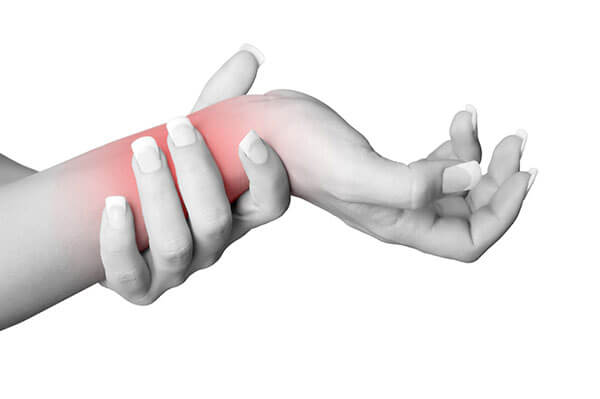
People with carpal tunnel syndrome initially feel numbness and tingling in the hand in the distribution of the median nerve (the thumb, index, middle and ring fingers). These sensations are often more pronounced at night and can wake people up from sleep. The reason symptoms are worse at night may be related to the sleeping position of the wrist and/or fluid that accumulates around the wrist and hand while the body is lying down. Carpal tunnel syndrome can be a temporary condition that resolves completely, or it can persist and progress.As the disease progresses, patients may develop a burning sensation and/or cramping and weakness in the hand. Reduced grip strength can lead to frequently dropping objects from the hand. Occasionally, strong, sharp pains can be felt in the forearm. Chronic carpal tunnel syndrome can also lead to loss (atrophy) of the hand muscles, especially those near the base of the thumb, in the palm of the hand.
Tingling or pins-and-needles sensation in the hand
You may feel tingling or a pins-and-needles sensation in your fingers or hands. Typically, the thumb and the index, middle or ring finger are affected, but not the little finger. Sometimes there is an electric shock sensation in these fingers.The sensation can travel from the wrist up to the arm. These symptoms often occur while holding a steering wheel, phone or newspaper. The sensation can wake you from sleep.
Numbness in the hand
Early symptoms include numbness in the fingers and hand, especially at night. Although many people usually consider numbness in the fingers to be a mild condition, the truth is that it can indicate a long list of serious medical conditions, many of which can lead to permanent damage to nerves or tissues.Pain in the fingers
Radiating pain in the elbow or shoulder
Although you might think this syndrome affects the hands, fingers and wrist, the pain can also extend to the elbow. A similar condition called cubital tunnel syndrome can also cause pain or tingling in the elbow when the ulnar nerve is irritated or damaged.Diagnostic methods for carpal tunnel syndrome
The diagnosis of carpal tunnel syndrome is suspected based on the symptoms and the distribution of numbness in the hand. Examination of the neck, shoulder, elbow, pulses and reflexes may be performed to rule out other conditions that can mimic carpal tunnel syndrome. The wrist may be examined for swelling, warmth, tenderness, deformity and discoloration. Sometimes, tapping the front of the wrist can reproduce tingling in the hand and is referred to as Tinel's sign of carpal tunnel syndrome. Symptoms can also be reproduced by the examiner by bending the wrist (referred to as Phalen's maneuver).Clinical exam - during the evaluation, your doctor will talk to you about your general health status and medical history and will ask about your symptoms. They will carefully examine your hand and wrist and perform a series of physical tests. During these tests, your doctor will:
- Press down on or tap along the median nerve inside the wrist to see if it causes numbness or tingling in the fingers (Tinel's sign).
- Bend and hold the wrists in a flexed position to test for the sensation of numbness or tingling in the hands.
- Test sensitivity at the fingertips and hands by lightly touching them with a special instrument while your eyes are closed.
- Check for weakness of the muscles around the thumb.
- Look for atrophy of the muscles around the thumb. In severe cases, these muscles can become visibly smaller.
Magnetic resonance imaging (MRI). These studies provide better images of the body's soft tissues. Your doctor may recommend an MRI to help determine other causes of the symptoms, or to look for abnormal tissue that could be having an impact on the median nerve. An MRI can also help the doctor determine whether there are problems with the nerve itself - such as scarring from an injury or a tumor.
Laboratory tests - Blood tests may be performed to identify medical conditions associated with carpal tunnel syndrome. These tests include thyroid hormone levels, a complete blood count, and analysis of blood sugar and proteins.
Electromyographic tests - These tests will help your doctor measure how well your median nerve is functioning, and help determine whether there is too much pressure on the nerve. The tests will also help the doctor determine whether you have another nerve disease, such as neuropathy, or other sites of nerve compression that could be contributing to your symptoms.
Electromyographic tests may include:
Nerve conduction studies. These tests measure the signals traveling in the nerves of your hand and arm, and can detect when a nerve is not conducting its signal efficiently. Nerve conduction studies can help your doctor determine how severe your problem is, and help guide treatment.
A limb muscle test, electromyography (EMG), is sometimes performed along with the nerve conduction velocity test to rule out or detect other conditions that could mimic carpal tunnel syndrome. When muscles are active, they produce an electric current. This current is usually proportional to the level of muscle activity. An EMG is also referred to as a myogram.
An EMG is often performed when patients have unexplained muscle weakness. EMG helps distinguish between muscle conditions where the problem begins in the muscle, and muscle weakness due to nerve disorders. EMG can also be used to detect true weakness, as opposed to weakness due to reduced use because of pain, or lack of motivation. EMGs can also be used to isolate the level of nerve irritation or injury.
Complications of carpal tunnel syndrome
At first, the symptoms of carpal tunnel syndrome come and go, but as the condition worsens, symptoms can become constant. Pain can radiate up the arm to the shoulder. Over time, if left untreated, carpal tunnel syndrome can cause loss of the muscles in the thumb (atrophy). Even with treatment, strength and sensation may never be fully restored.Sometimes, if the condition is severe or if left untreated, damage to the nerves and muscles in the hands can be permanent. The most common permanent problems are weakened hand muscles and chronic pain. Fortunately, most people's carpal tunnel syndrome symptoms can be controlled with appropriate treatment.
Although complications are possible with any surgery, your doctor will take steps to minimize the risks. The most common complications of carpal tunnel release surgery include:
- Bleeding
- Infection
- Worsening or injury of nerves
How carpal tunnel syndrome is treated
Although it is a gradual process, for most people, carpal tunnel syndrome will worsen over time without some form of treatment. For this reason, it is important to be evaluated and diagnosed by your doctor from the onset of symptoms. In the early stages, it may be possible to slow or stop the progression of the disease.For mild cases of carpal tunnel syndrome, resting the hand and wearing a splint at night could be all that is needed to relieve symptoms. Symptoms of carpal tunnel syndrome often occur at night, causing people to wake up and shake or move their hand until the numbness passes. Medications, such as aspirin and ibuprofen, are not a cure, but can help ease the pain. Your doctor may also want you to try steroid injections to help relieve symptoms.
If these carpal tunnel treatments are not effective, however, it may be time to consider surgery to release the ligament that is putting pressure on the median nerve.
Medication treatment for carpal tunnel syndrome
The most common type of pain medication is the class known as nonsteroidal anti-inflammatory drugs. The most common types of nonsteroidal anti-inflammatory drugs are aspirin and ibuprofen. These work by limiting the formation of inflammation and can be quite effective in reducing joint and muscle pain. However, medications have a very limited effect on carpal tunnel syndrome symptoms, because these medications do not relieve the pressure on the median nerve.All systemic pain medications have some potential complications associated with long-term use. This is why pain medications are best used only for temporary pain relief. That means no more than two weeks of continuous use, with strict adherence to the label instructions or those provided by your doctor. This is the main reason why pain medication is not a good long-term approach for treating chronic pain, such as that of carpal tunnel syndrome.
Anti-inflammatories for carpal tunnel syndrome - Nonsteroidal anti-inflammatory drugs, such as ibuprofen and naproxen, can help relieve pain and inflammation. In addition to aspirin and ibuprofen, there are currently several types of over-the-counter medications, as well as prescription pain medications, which are all classified as nonsteroidal anti-inflammatory drugs. The three types of nonsteroidal anti-inflammatory drugs most commonly used to treat bone, muscle and joint pain such as hand pain, wrist pain, arm pain, shoulder pain and neck pain include:
- Ibuprofen (over-the-counter, brand names such as Advil, Motrin, Nuprin)
- Naproxen (over-the-counter, brand names such as Aleve, Naprosyn)
- COX-2 inhibitors (prescription, such as Celebrex; several COX-2 inhibitors have been withdrawn from the market due to complications caused in patients suffering from heart disease)
Sometimes your doctor uses ultrasound to guide these injections.
Corticosteroids decrease inflammation and swelling, which relieves the pressure on the median nerve. Oral corticosteroids are not considered to be as effective as corticosteroid injections for treating carpal tunnel syndrome.
Surgical treatment for carpal tunnel syndrome
If nonoperative treatment does not reduce symptoms after a period of time, your doctor may recommend surgery.The decision to have surgery is based on the severity of your symptoms - how much pain and numbness you have in your hand. In long-standing cases, with constant numbness and loss of muscle in the fingers, surgery may be recommended to prevent irreversible damage.
Classic surgery for carpal tunnel syndrome
The surgical procedure performed for carpal tunnel syndrome is called "carpal tunnel release." There are two different surgical techniques for doing this, but the goal of both is to relieve pressure on the median nerve by cutting the ligament that forms the roof of the tunnel. This increases the size of the tunnel and decreases the pressure on the median nerve.In most cases, carpal tunnel surgery is done on an outpatient basis. Surgery can be done under general anesthesia, which will put you completely to sleep, or under local anesthesia, which eliminates sensation from the hand and arm. In some cases, you will also receive a mild sedative through an intravenous (IV) line inserted into a vein in the arm.
Open carpal tunnel release. In open surgery, your doctor makes a small incision in the palm of the hand, and views the inside of the hand and wrist through this incision. During the procedure, the doctor will divide the transverse carpal ligament (the roof of the carpal tunnel). This procedure increases the size of the tunnel and decreases the pressure on the median nerve.
After surgery, the ligament may gradually grow back together - but there will be more space in the carpal tunnel and the pressure on the median nerve will be relieved.
Endoscopic surgery for carpal tunnel syndrome
In endoscopic surgery, your doctor makes one or two small incisions in the skin - called portals - and uses a miniature camera - an endoscope - to see inside the hand and wrist. A special knife is used to divide the transverse carpal ligament, similar to the open carpal tunnel release procedure.Endoscopic surgery may result in less pain than classic surgery, in the first days or weeks after the operation.
The results of open surgery and endoscopic surgery are similar. There are potential benefits and risks associated with both techniques. Your doctor will talk to you about which surgical technique is best for you.
Physio-kinetotherapy treatment for carpal tunnel syndrome
Physiotherapy is beneficial for most people suffering from carpal tunnel syndrome, especially in mild to moderate cases.The physiotherapist will focus on:
- Mobilizing the carpal bones and stretching the flexor retinaculum to open up the carpal tunnel.
- Nerve and tendon gliding exercises to ensure complete, unrestricted movement of the nerves.
- Extensibility of muscle and soft tissue.
- The cervicothoracic spine, to correct any radiating pain.
- Grip method and forearm strengthening in later stages.
- Posture, dexterity exercises and fine motor skills.
If you have mild or moderate symptoms of carpal tunnel syndrome, you may be able to relieve the pain with a few simple exercises. You will get the best results if you do them together with other treatments, such as using a splint and adjusting activities, so that they reduce pressure on your hand and wrist.
Shake your hand - This exercise is very easy. It is especially useful at night, when symptoms can be worse. If you wake up with pain or numbness, just shake your hands to get some relief.
Fist to fan - Clench your fist and then open your fingers like a fan, and stretch them as much as you can. Repeat 5-10 times.
Thumb touch - In turn, touch the tip of each finger with the tip of your thumb, so that you form a round shape. Repeat a few times.
Massage
Massage therapy can help treat and prevent carpal tunnel syndrome by promoting circulation, easing inflammation, helping eliminate metabolic waste and soothing irritated muscles and tendons.Apply light pressure to the muscles in the shoulder, arm, wrist and hand. Start the massage with light touches and avoid too much pressure. Start at the shoulder and move down the arm to the small muscles on the wrist and fingers. Use the palm of the hand, the thumb and the fingers to apply the massage.
Hydrotherapy
A physical therapist can present patients with carpal tunnel syndrome the option of doing contrast hydrotherapy. This alternative remedy is effective not only for relieving pain, but also for reducing inflammation and promoting the body's natural healing process. During a session, the affected hand and wrist can be immersed in warm water for a few minutes, followed by a shorter interval of exposure to cold water.Alternative treatments for carpal tunnel syndrome
AromatherapyEssential oils, such as cypress and lemon, can be used as a compress to reduce swelling. Add two drops of essential oil to warm or cold water and soak a cloth in it. Wrap the soaked cloth around the wrists.
Medicinal plants
Drinking chamomile tea can help reduce inflammation. However, don't drink more than one cup in the evening. Although chamomile is known to help you sleep, drinking too much can have the opposite effect and can keep you awake.
Osteopathy
Osteopathy and the related practice of chiropractic aim to realign muscles, bones, joints and ligaments. Osteopathy can help relieve pain in the neck and shoulder. The treatments can, in turn, reduce pressure in the wrists, hands and fingers.
Reflexology - Reflexology works on the principle that the foot represents a map of the body. There is no clear evidence that it is effective, but it can be a pleasant and relaxing treatment.
Acupuncture
Acupuncture can help relieve the pain caused by carpal tunnel syndrome. One study suggests that it reduces pain more than using a splint at night.
Or you can try acupressure. Apply pressure at regular intervals on the inside of the wrist (pericardium point 6). If both hands are affected, you may not be able to press the point firmly enough, in which case you need help from a specialist.
To find pericardium point 6:
Measure three finger-widths from the junction between the hand and the wrist. Palpate gently to find a small dip and press this point, in the place where the buckle of a wristwatch might sit. Press firmly on the dip for 10 seconds. Repeat this three times, and do the same on the other wrist.
Wearing a brace
Many people prefer the idea of using a brace for carpal tunnel syndrome to treat its symptoms. After all, braces have some advantages over other treatments:
- Available without a prescription
- No medication
- Non-surgical

How carpal tunnel syndrome can be prevented
There are no proven strategies to prevent carpal tunnel syndrome, but you can minimize stress on your hands and wrists with these methods:Reduce force and relax your grip. If your job involves operating a cash register or a keyboard, for example, press the keys gently. For prolonged handwriting, use a large pen with an oversized, soft grip adapter and free-flowing ink.
Take frequent breaks. Gently stretch and periodically bend your hands and wrists.
Alternate tasks when possible. This is especially important if you use equipment that vibrates or requires exerting a lot of force.
Watch your position. Avoid bending the wrist up or down. A relaxed, middle position is best. Keep the keyboard at elbow height or a bit lower.
Improve your posture. Incorrect posture rolls the shoulders forward, shortens the neck and shoulder muscles, and compresses the nerves in the neck. This can affect your wrists, fingers and hands.
Change your computer mouse. Make sure your computer mouse is comfortable and doesn't strain your wrist.
Keep your hands warm. You are more likely to develop hand pain and stiffness if you work in a cold environment. If you can't control the temperature at work, put on fingerless gloves that keep your palms and hands warm.
Avoiding repetitive movements without a break
Carpal tunnel syndrome can be worsened if the wrist is repeatedly overextended. Repeated wrist movement contributes to swelling and compression of the median nerve. This can result from:positioning of the wrists while using the keyboard or mouse.
- prolonged exposure to vibration from using hand tools or power tools.
- any repeated movement that overloads your wrist, such as playing the piano or typing.
- Minimize repetitive hand movements whenever possible.
- Alternate between activities or tasks to reduce stress on the body.
- When using your wrists, keep them straight and let your arms and shoulders share the stress.
- Use your whole hand or both hands to lift an item.
- Avoid holding an object in the same way for a long time.
Healthy lifestyle
If carpal tunnel syndrome is caused by repetitive stress, then you will need to make some lifestyle changes.- Check your sleeping position.
- Check the ergonomics of your workplace.
- Check the tools used at your workplace.
- Warm up before and during work.
- Avoid caffeine and tobacco.
Quitting smoking
Both caffeine and tobacco reduce blood flow to the hands. Nerve tissue is the most sensitive to reduced blood flow. Avoid caffeine and tobacco, so that blood flow to these areas does not decrease.Balanced diet
Whenever possible, it is always better to get vitamins and antioxidants through the fresh foods you eat. However, if you can't eat certain foods or don't like the taste, you may consider purchasing supplements. For example, vitamin B6 and omega-3 (in fish oil) are both available as supplements and are sold without a prescription.
The best way to reduce carpal tunnel syndrome symptoms is to recognize the signs of the condition and make changes to your diet. Make sure to assess physical activities that may be repetitive and make sure you have an ergonomic workstation to prevent carpal tunnel syndrome.
Eating certain foods can help reduce carpal tunnel symptoms, or may even prevent carpal tunnel syndrome.
- Brightly colored vegetables: Several vegetables that are green or red often contain large amounts of antioxidants, which work well to reduce swelling. Leafy green vegetables, red or yellow peppers, healthy carrots, tomatoes, are important sources of healthy antioxidants.
- Salmon: Adding salmon to your diet or increasing your intake of other types of oily fish has been quite effective in reducing symptoms of carpal tunnel syndrome and decreasing inflammation. Consider sardines and tuna, which are rich in healthy fatty acids.
- Pineapple: Tropical pineapple is an ideal fruit, containing bromelain enzymes, which work well to reduce swelling. In addition, you can also consume coconut, cherries and blueberries with meals, which contain large amounts of antioxidants to fight inflammation.
- Walnuts: Walnuts contain omega fatty acids similar to some types of fish. Adding a handful of walnuts to your diet can reduce swelling in the wrist. If you enjoy different types of seeds in your diet, try cooking more meals using chia seeds or flax seeds for additional fatty acid intake.
- Spinach: Research has shown that vitamin B6 is extremely effective in fighting the symptoms of carpal tunnel syndrome. Spinach is rich in vitamin B6 and is also found in many other foods, such as cantaloupe, nourishing cauliflower, bananas, sweet oranges and chicken meat.
Regular and correct physical movement
In addition to strength in the wrist, it is often even more important to have flexibility in the wrists and forearms. Because we use our hands so much every day, you may not realize how stiff your fingers and muscles can become, leading to problems such as carpal tunnel syndrome and tendinitis.
Practice moderation during physical exercise. In most cases, the more difficult the training exercise, the greater the pressure exerted on the median nerve - not only because of excess weight, but also due to the increase in blood flow that occurs during training.
IF YOU DON'T ALREADY KNOW US
Centrokinetic is the leading medical clinic dedicated to bone and joint conditions, organized into several dedicated departments:
- Orthopedics: made up of a highly experienced team of orthopedic surgeons, led by Dr. Andrei Ioan Bogdan, senior orthopedics-traumatology physician with surgical activity at the Floreasca Clinical Emergency Hospital and at the Medlife Orthopedic Hospital, specialized in sports traumatology and in ankle and foot surgery.
- Pediatric orthopedics, where we treat children's sports injuries (ligament and meniscus injuries), spinal deformities (scoliosis, kyphosis, hyperlordosis), and foot conditions (hallux valgus, hallux rigidus, clubfoot, flat valgus foot, cavus foot).
- Neurology, providing consultations and EMG within the department. The medical team is completed by Dr. Mardare, highly specialized at the University of Oxford in spinal surgery.
- Medical rehabilitation, for children and adults, the department being led by one of the most experienced physicians in the field, senior lecturer Dr. Tache Georgiana. The department specializes in the recovery of performance athletes, in spinal conditions, and in the recovery of children with neurological and traumatic conditions.
- Medical imaging, the clinic being equipped with ultrasound and MRI, dedicated to musculoskeletal conditions. We are proud of our medical team of radiologists, made up of Dr. Ghiea Sorin, Dr. Pantu Cosmin, Dr. Florescu Nicoleta, specialized in musculoskeletal imaging.
Find out the latest news about us by following the Facebook and YouTube accounts of the Centrokinetic clinic.

MAKE AN APPOINTMENT
CONTACT US
MAKE AN APPOINTMENT
FOR AN EXAMINATION
See here how you can make an appointment and the location of our clinics.
MAKE AN APPOINTMENT



BUCHAREST TEAM


































































CLUJ NAPOCA TEAM


































BRASOV TEAM



























Asiguratori privati





Parteneriate



CENTROKINETIC FLOREASCA
Bucharest, 1st District,
Mircea Eliade Street, no. 18,
Eliade Tower, Entrance A, Floor 3
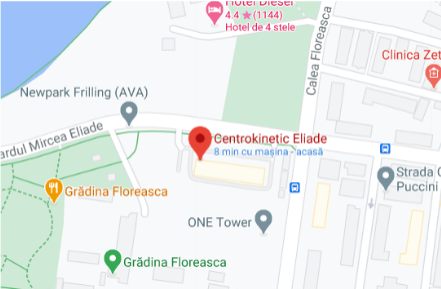
| Navigation | Explore 3D |
CENTROKINETIC Barbu Vacarescu
Bucharest, 2nd District,
Barbu Vacarescu Street, no. 102,
102 The Address, ground floor.
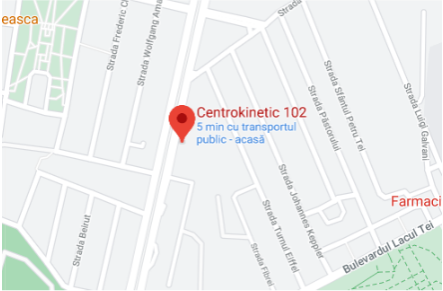
| Navigation | Explore 3D |
CENTROKINETIC MILITARI
Bucuresti, Sector 6,
Bld. Iuliu Maniu, nr. 15G,
Cladirea PBT, etaj 3.
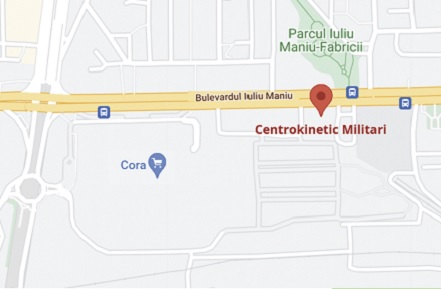
| Navigation |



CENTROKINETIC CLUJ-NAPOCA
Cluj-Napoca,
Str. Intre Lacuri, nr.1
Intrarea este in spatele cladirii.

| Navigation |


SOCRATES CLINIC TIMISOARA
Timisoara, Calea Martirilor 1989,
nr. 1.
Telefon: 0371 785 374.

| Navigation |
CONTACT
Phone: 0319693
E-mail: programari@centrokinetic.ro
Operating hours:
Monday – Friday: 07:00 – 21:00
Saturday: 09:00 – 14:00
Sunday: closed.
MAKE AN APPOINTMENT