ankylosing


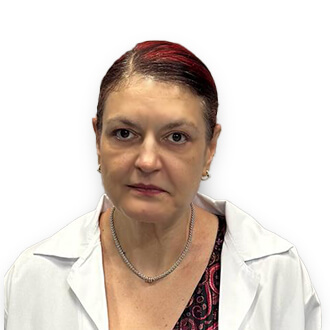
This article was written by Dr. Alizzi Khalid , medical recovery specialist, with over 10 years of experience in rheumatology.
General information about spondylitis
Spondylitis, sometimes called "spondyloarthritis," is a form of arthritis that frequently occurs in the spine, although it can also affect other joints. In fact, the name "spondylitis" itself is associated with a family of diseases and conditions that are similar in their progression and symptoms, but which can affect different regions of the body. When spondylitis develops in the spine, it becomes extremely inflamed. This often results in pain and other symptoms. Sometimes the vertebral bones fuse together, forming a very rigid spine and causing limited mobility.Centrokinetic meets patients' needs with a full rheumatology department, a medical branch that deals with the diagnosis, treatment, and recovery of patients with non-surgical musculoskeletal conditions. These conditions are usually painful, acute, or, most often, chronic, hindering the proper functioning of the musculoskeletal system. They are generally called rheumatism or rheumatic and musculoskeletal diseases.
Most of the time, patient evaluation is complex and multidisciplinary, given the systemic, generalized nature of most rheumatological conditions, which is why Centrokinetic has experienced doctors, Dr. Alizzi Khalid being our rheumatology specialist.
What we need to know about spondylitis
As we age, our bodies become susceptible to deterioration of the spine. Much of this decline is caused by different types of arthritis affecting the joints and spine. The spine bears much of our day-to-day effort, being responsible for supporting the weight of the upper body and facilitating movement. Over time, general wear and tear begins to have long-lasting effects. The spine loses its elasticity and shock-absorbing power, while the intervertebral discs lose water content, bulge, or tear, leading to structural difficulties.Statistically speaking, men are more likely to develop spondylitis than women. Symptoms usually begin to appear in adulthood, with loss of spinal flexibility and a stooped posture being two of the most prominent distinguishing signs. Spondylitis is treatable when correctly diagnosed and proactively addressed. Without proper care, spondylitis develops into a chronic, painful condition.
Why spondylitis occurs
There is no known cause of spondylitis, but research shows that genetics, environment, and the patient's immune system can be determining factors in the presence of this condition. A person is much more likely to suffer from spondylitis if they have a family history of the condition or other similar problems. Some elements associated with spondylitis include:Previous inflammation in joints and tissues, which can worsen similar problems caused by spondylitis
- Lack of exercise
- Obesity
- Smoking or excessive alcohol use
- Back problems, such as degenerative disc disease or spinal stenosis
Hereditary factors and spondylitis
Spondylitis is considered a hereditary disease, although environmental factors are also involved. Most people with the HLA-B27 antigen do not develop spondylitis. It is known that white men are affected four times more often than women. Onset usually occurs between the ages of 15 and 45.Because genetics play a role, having a family member diagnosed with spondylitis or with a history of back pain or other common problems can increase the risk of developing spondylitis.
Genetic factors and spondylitis
Spondylitis is considered to be genetically inherited, and most people who have this condition (almost 90%) are born with a gene known as the HLA-B27 gene. Blood tests have been developed to detect the HLA-B27 gene marker and have contributed to understanding the relationship between HLA-B27 and spondylitis. The HLA-B27 gene only seems to increase the tendency to develop ankylosing spondylitis, while other factors, such as environmental ones, are needed for the disease to appear or manifest. For example, while 7% of the population of the United States has the HLA-B27 gene, only 1% of the population actually has ankylosing spondylitis disease. In northern Scandinavia (Lapland), 1.8% of the population has ankylosing spondylitis, while 24% of the general population has the HLA-B27 gene. Even among individuals whose HLA-B27 blood test is positive, the risk of developing spondylitis still appears to be linked to heredity. In HLA-B27-positive individuals who have relatives with this disease, the risk of developing spondylitis is 12% (six times higher than for those whose relatives do not have spondylitis).Infections and spondylitis
Spondylitis is probably produced by repeated episodes of reactive arthritis with Klebsiella, usually in HLA-B27-positive individuals. This concept is based on immunological, microbiological, and serological considerations. Immunological studies based on tissue-type anti-B27 sera and anti-B27 monoclonal antibodies indicate that HLA-B27 cross-reacts with antigens found in Klebsiella, Salmonella, Shigella, and Yersinia microorganisms. Intestinal infections with Salmonella, Shigella, and Yersinia are associated with reactive arthritis that occurs predominantly in HLA-B27-positive individuals. However, microbiological studies show that only Klebsiella, but not Salmonella, Shigella, or Yersinia, can be isolated in stool cultures obtained from patients with spondylitis. Furthermore, serological studies involving a range of different techniques demonstrate that only antibodies acting against Klebsiella, but not against Salmonella, Shigella, or Yersinia, can be identified in patients with spondylitis. The evidence is extensive enough to justify long-term studies involving reduction of Klebsiella in the intestinal flora of patients with spondylitis, in an attempt to reduce severity and modify the course of the disease. It would appear that reactive arthritis with Klebsiella is the precursor stage occurring in the early, active phases of spondylitis. Only future studies can determine whether this disease will remain a taxonomic curiosity or will provide guidance for therapeutic follow-up that will benefit patients with spondylitis.Spondylitis prevalence by age and sex
Studies from the last decade have shown that there may be gender differences among patients with spondylitis in terms of disease characteristics, clinical outcome, radiological lesions, and response to treatment. Male sex and young age at disease onset are associated with a poor prognosis. In women, spondylitis is generally milder, starts later, and is more often associated with extraspinal involvement, especially peripheral arthritis and uveitis. Regarding clinical manifestations, some studies have shown that female patients suffer more often from peripheral arthritis, although other studies have failed to demonstrate this.How spondylitis manifests
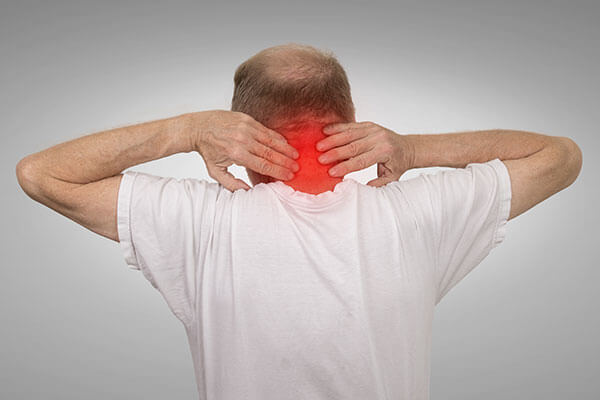
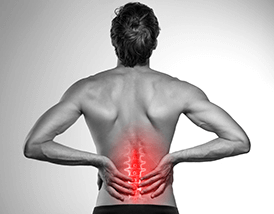
Spondylitis is frequently confused with mechanical back pain, which usually occurs after an actual spinal injury. In contrast, spondylitis involves inflammation in the vertebral joints and usually does not result from a single, definitive incident. Patients with spondylitis often experience:- Pain and stiffness anywhere from the neck to the lower back and buttocks lasting more than 3 months
- Discomfort that is worse in the morning or after long periods of inactivity and seems to lessen with movement and exercise
- Progressive loss of spinal flexibility and a feeling of stiffness
- Stooped posture
- Tendinitis
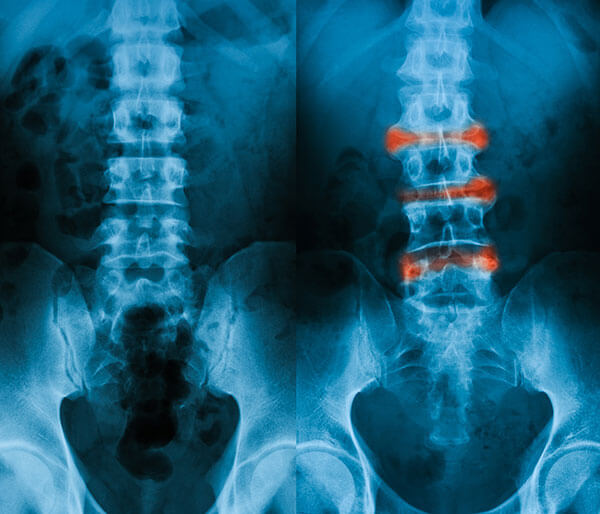
- Bone growth, commonly called bone fusion, which can affect daily activities
- Vision problems and eye inflammation, including redness and pain
- Compression fractures
Joint symptoms
Ankylosing spondylitis is the most common and most severe subtype of spondyloarthritis. It primarily affects the axial joints, especially the sacroiliac joints. Other involved sites are the spine, peripheral joints, capsules, ligaments, and tendons.
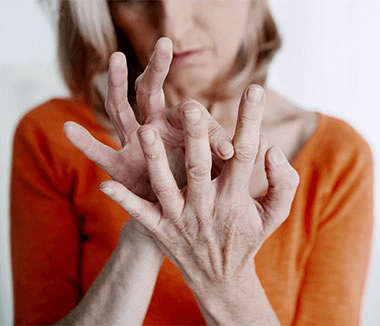
Over time, pain and stiffness can progress up into the upper spine and even into the rib cage and neck. Eventually, inflammation can cause the sacroiliac and vertebral bones to join or grow together. When the bones become fixed, the spine loses its normal flexibility and becomes rigid. The rib cage can also fuse, which can limit normal chest expansion and make breathing difficult. Inflammation and pain can also occur in the hips, shoulders, knees, ankles, and fingers, which can limit mobility.
Extra-articular symptoms
Extra-articular conditions vary greatly in frequency and severity. The most common extra-articular manifestations are represented by uveitis, bowel disease, and heart, lung, skin, bone, and kidney involvement. This review focuses on the prevalence and clinical features of the most common extra-articular manifestations of spondylitis.
In addition to the well-known extra-articular manifestations, spondylitis has been reported to be associated with a number of cardiovascular diseases, including aortitis, aortic valve disease, cardiomyopathy, and ischemic heart disease.
The disease can cause fever, loss of appetite, fatigue, and inflammation in the lungs, heart, and eyes. Eye inflammation (called iritis or uveitis) occurs in more than a quarter of people with spondylitis. Uveitis produces redness and eye pain that worsens with exposure to bright light.
What are the forms of spondylitis
Here are some of the most common types of spondylitis:Ankylosing spondylitis
This is a form of arthritis in which the spine is affected. The vertebrae fuse together and cause stiffness in the spine, leading to severe pain and discomfort. While in some cases the pain may be negligible, in others it can be so severe that the affected person has to bend over. Timely diagnosis and treatment can prevent and reduce pain and can also prevent any permanent damage or deformity.
Ankylosing spondylitis can lead to constant pain in the lower back, stiffness, or discomfort in the lower back area, hips, or lower waist for 3 to 4 months. It often starts in the pelvic area at the back and then spreads throughout the entire lower back area. As the bones begin to fuse, they can lead to severe pain and discomfort while breathing. It can also cause pain and stiffness in the heel or ankle.
Hypertrophic spondylitis
Hypertrophic spondylitis, also known as osteoarthritis, is a type of spondylitis in which there is inflammation in one or more bones of the spine. This form of spondylitis is most common in people over the age of 50. Often, timely treatment, rest, and heat can reduce pain and help the patient return to normal. Hypertrophic spondylitis leads to pain and discomfort, difficulty moving, pain present especially in the back joints and hip area, and tenderness or swelling of the joints.
Post-traumatic spondylitis
Traumatic spondylitis, also known as Kummel's disease, is a situation in which there are compression fractures in the spine. This particular form of spondylitis occurs after the initial injury takes place, due to problems that were not treated in time. In some cases, post-traumatic spondylitis can develop within a few months of the initial injury, while sometimes it can appear several years after the injury. Severe, sharp spinal pain, a visible change in the shape of the spine, and weakness in one or both legs are signs of post-traumatic spondylitis.
Tuberculous spondylitis
Also known as Pott's disease, this is the type of spondylitis that occurs as a result of tuberculosis in the spine. This type of tuberculosis affects the area outside the lungs and therefore targets the spine. The disease can also affect numerous tissues located outside the lungs and spine. A severe or continuous sinus, vertebral collapse, spinal cord compression, paraplegia, constant fever, loss of appetite, and stiffness or tenderness in the lower back area are signs of tuberculous spondylitis.
Early-onset spondylitis
Early onset of spondylitis causes stiffness and back pain in adulthood. Pain begins slowly and progresses toward the spine. Pain in the early stage is due to inflammation of the ligaments and muscles attached to the vertebral bones. The pain worsens due to inactivity during the night. It is accompanied by stiffness and pain early in the morning and gradually eases due to heat and movement.Men feel pain in the shoulders, hip, and legs. Women suffer from pain in the wrists, knees, and ankles. Identifying spondylitis at an early stage is quite difficult. When diagnosis and treatment are done at the initial stage, it helps prevent spinal deformity and reduce the progression of pain. If you have a family history of spondylitis, you should pay attention to early symptoms. People with a family history of spondylitis or arthritis are at high risk of developing spondylitis.
Advanced-stage spondylitis
Advanced spondylitis is called ankylosing spondylitis, which signifies the fusion of the vertebral joints due to worsening inflammation. The pain begins to become debilitating and can cause immobility of the spine. Symptoms in the advanced stage include bowel inflammation, decreased appetite, and fatigue. Spinal fusion can be accompanied by changes in posture, such as leaning, bending, or any other irregular position. The ongoing process of inflammation and healing leads to bony fusion of the spinal ligaments, which can lead to spinal fracture. This fusion prevents movement, causing a curved, stooped posture called "kyphosis." Advanced spondylitis can also affect other parts of the body, such as the heart or liver.How the diagnosis of spondylitis is made
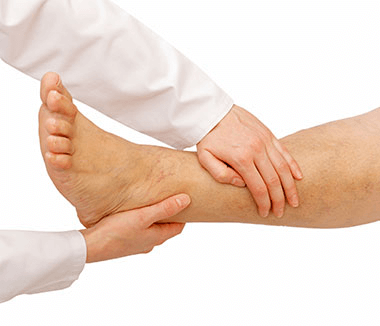
To diagnose spondylitis, Dr. Alizzi Khalid will rely on medical history, a physical examination of the joints and spine, imaging tests of the pelvis, and also blood tests to check the HLA-B27 gene. The presence of the HLA-B27 gene does not determine the presence of spondylitis, but it is a clue that can support the diagnosis. Many people have the HLA-B27 gene and do not have spondylitis.Clinical methods for diagnosing spondylitis
General health and family medical history are important because ankylosing spondylitis can be hereditary. Ankylosing spondylitis may or may not be associated with non-skeletal conditions such as uveitis (inflammation of the eye), prostatitis (inflammation of the prostate), and certain conditions affecting heart and lung function. A blood test will reveal the HLA-B27 antigen. The physical examination often includes the following:
Schober's test: Limited movement of the lumbar spine is a symptom of spondylitis. Schober's test measures the degree of lumbar flexion in the direction in which the patient bends as if to touch their toes. Progressive loss of spinal movement correlates with X-ray findings.
Gaenslen's test: Sacroiliac pain is often found in the early stage of spondylitis. Gaenslen's maneuver puts stress on the sacroiliac joints. Increased pain during this maneuver could indicate joint disease.
When ankylosing spondylitis affects the thoracic spine, normal chest expansion can be compromised. The amount of chest expansion is measured from deep exhalation to full inhalation. Measurements significantly less than 2.5 cm (normal chest expansion) could indicate spondylitis.
The general range of motion measures the degree to which a patient can perform flexion, extension, lateral bending, and rotation movements of the spine. Asymmetry may also be observed.
Neurological evaluation
Neurological evaluation is mandatory for patients presenting with a spinal disorder. The following symptoms are assessed: pain, numbness, paresthesias (e.g., tingling), sensation in the extremities and motor function, muscle spasms, weakness, and bowel/bladder changes.
Biological tests for spondylitis
A blood test ordered by Dr. Alizzi Khalid can sometimes show whether there is inflammation in the body. It may be necessary to perform one or more of these tests:
- C-reactive protein
- erythrocyte sedimentation rate
- plasma viscosity
Another blood test can confirm whether you have the HLA-B27 gene. Most people with spondylitis test positive for HLA-B27. A positive test may indicate spondylitis, but it will not confirm the diagnosis.
Imaging tests for spondylitis
Imaging tests give your doctor an idea of what is happening inside the body. The imaging tests you may need can include:
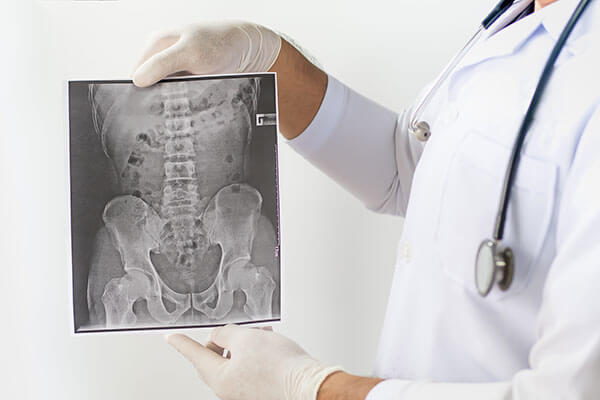
- X-rays: An X-ray allows the doctor to see your joints and bones. They will look for signs of fusion or damage.
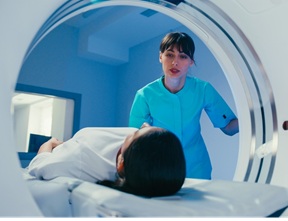
- MRI scan: an MRI sends radio waves and a magnetic field through your body to produce an image of the body's soft tissues. This will help the doctor see inflammation inside and around the joints.
Treatment methods for spondylitis
The goal of treatment is to eliminate pain and stiffness and to prevent or delay complications and spinal deformity. Treatment for spondylitis is most successful before the disease causes irreversible damage to the joints. Numerous treatments are available that can ease pain and stiffness, but exercise and special attention to your posture are just as important to keep the spine mobile and to help you live a normal life.A typical treatment regimen for the various forms of spondylitis involves medication, exercise, physical therapy, posture practices, and other options such as cold/heat therapy to relax your muscles and reduce joint pain. In severe cases, posture-correcting surgery may be an option.
Medications used to treat spondylitis
Painkillers and non-steroidal anti-inflammatory drugs are usually the first choice of treatment, and most people with spondylitis will sometimes need to take them.Painkillers, such as paracetamol or co-codamol, are often very helpful. They can be taken regularly and are especially useful right before activity to keep your pain to a minimum. It is best not to wait until the pain becomes severe.
There is a wide range of anti-inflammatories that can reduce pain, so you can continue your daily activities and exercise routine. Some tablets are prepared in a slow-release formula, which can help with nighttime pain and morning stiffness. Some treatments are also available as gels that can be applied to the painful area.
Like all medications, anti-inflammatories can sometimes have side effects, but your doctor will take precautions to reduce their risk, for example by prescribing the smallest possible dose for the shortest possible period of time.
Medications such as sulfasalazine and methotrexate can be useful for arthritis in the joints of the arms or legs, although they are not usually effective for spinal symptoms. These disease-modifying anti-rheumatic drugs are given to reduce damage to the joints, rather than to control pain. They act slowly, so you may not notice an immediate impact, but they can make a big difference to your symptoms in the long term.
Biological therapies (anti-TNF - tumor necrosis factor) are newer treatments that can be very effective for ankylosing spondylitis and non-radiographic axial spondyloarthritis. A number of anti-TNF medications are currently available for these conditions - including etanercept, adalimumab, certolizumab pegol, and golimumab. These can only be prescribed by a rheumatologist and are given as an injection under the skin. Biological therapies are not suitable for everyone and can only be prescribed if your condition cannot be controlled with anti-inflammatory medication and physiotherapy.
The effect of anti-TNF medications is monitored, and you will need to regularly complete questionnaires that assess how active your disease is and how well it is responding to treatment.
Steroids can be used as a short-term treatment for flare-up episodes. These are usually given as an injection into a swollen joint or as a slow-release injection into a muscle. They can also be used for painful tendons, for example in the heel, although they will not be repeated very often, as this can lead to tendon weakness. Occasionally, you may be given a course of steroids (prednisolone). Although these treatments can be very effective at relieving pain and stiffness, you may develop side effects if you use them for long periods of time, such as weight gain, bruising or thinning of the skin, high blood pressure, high blood sugar, infections, or osteoporosis.
If you have eye inflammation, this will usually be treated with steroid eye drops. In more severe cases, steroids may be given as tablets or as an injection into the eye.
Bisphosphonates are usually used to treat osteoporosis. It has been suggested, however, that they may help with the pain and stiffness of ankylosing spondylitis, although research so far has not confirmed this.
At Centrokinetic, Dr. Alizzi Khalid can investigate, diagnose, treat, and follow you up in order to obtain the best possible results. Dr. Alizzi can also perform joint and periarticular injections with:
Anti-inflammatories or corticosteroids: are usually used for several types of musculoskeletal problems, such as tendinitis, tenosynovitis, bursitis, fasciitis, arthrosis, muscle injuries, and ligament injuries. Corticosteroids are natural hormones made from cholesterol, in the adrenal glands. In clinical practice, steroids are used for their powerful anti-inflammatory effects. Corticosteroids should not be confused with anabolic steroids, which are known to be used by athletes to increase muscle mass and strength. The corticosteroids used in these procedures are injected all over the world, the administered doses are minimal, on average 0.4mg, and adverse effects appear only in elderly patients, through a temporary increase (2-3 days) in blood pressure and blood sugar.Sterile viscoelastic solutions (hyaluronic acid): these are performed predominantly intra-articularly, both in large joints (knee, shoulder, hip, ankle) and in small ones (wrist, elbow, metatarsophalangeal, or interphalangeal). The role of these infiltrations is multiple: protecting the articular cartilage through the viscous properties of the injection – the Hyaluronic Acid molecules in the synovial fluid act as a lubricant, protecting the joint surfaces from mechanical damage, through elastic properties – under the pressure generated by the joint load (body weight), the hyaluronic acid in the synovial fluid acts as a shock absorber, protecting the cartilage from compressive trauma, nourishing the articular cartilage, protecting the synovial tissue: Hyaluronic Acid represents a protective barrier for the synovial membrane and masks inflammation receptors at the knee level, reducing inflammation.
PRP (platelet-rich concentrate): have been used since 1978 in the USA in treating musculoskeletal conditions, with extraordinary results. The infiltration lasts on average 40 minutes, is painless, and consists of collecting the patient's peripheral blood (from a vein), on average between 60 and 180 ml, centrifuging it for 20-25 minutes to separate the platelets from the rest of the blood cells, and injecting it in the same session into the affected area. Centrokinetic offers patients treatments with the best PRP kits in the world, brought from the USA, from the Arthrex and Magellan companies. The rationale for using this type of infiltration is to initiate and accelerate the natural healing and tissue regeneration process by releasing platelet-derived growth factors directly into the affected tissue. According to current studies, soft tissue injuries and cartilage lesions are responsive to this treatment. These conditions are: tendinitis (epicondylitis, plantar tendinitis, Achilles tendinitis, patellar tendinitis, etc.), tendinosis, tendon ruptures, degenerative tendon lesions, muscle ruptures, cartilage lesions (arthrosis). The therapy is also indicated post-operatively for: meniscus suture, ligamentoplasty, tendon sutures/reinsertions (rotator cuff, Bankart, Achilles tendon, patellar tendon, quadriceps tendon, etc.). It is indicated at all stages of arthrosis, but most often in the early stages in young people.
Sanakin: is a regenerative therapy initiated and used in Germany for 15 years, which consists of collecting the body's own growth factors, multiplying them through incubation, and reinjecting them into the same affected area. The treatment lasts 3 hours, with 3-5 procedures being performed at 1-week intervals. The main indications are: chronic tendinitis (epicondylitis, plantar tendinitis, Achilles tendinitis, patellar tendinitis), and articular cartilage lesions (arthrosis). It also has excellent results in treating joint and periarticular pain. Sanakin is an autologous serum rich in cytokines (ACRS), derived from the patient's own blood. To ensure high tolerability, this technology completely avoids the use of any artificial additives. This special serum, rich in autologous cytokines, can activate the body's ability to self-heal, by producing positive interleukins and growth factors. These are crucial for intervening in the pain cascade, causing it to stop and subsequently triggering the regeneration process.
At the Centrokinetic clinic, we offer you complex medical recovery programs with a highly experienced team, accredited in: Tecar, dynamic taping, massage, Graston technique, Kinesio Tape, ERGON, flossing band. Our team has completed numerous specialization courses with trainers from Romania and abroad, being certified to perform therapies at the highest level. The experience gained in recent years has meant treating over 250 patients monthly.
The role of physiotherapy in treating spondylitis
Physical therapy is an important part of treatment and can offer a range of benefits, from pain relief to improved strength and flexibility. A physical therapist can create exercises specific to your needs.Range-of-motion exercises and stretching exercises can help maintain joint flexibility and maintain good posture. Both proper sleeping and walking positions, as well as abdominal and back exercises, can help you maintain proper posture.
It is especially important to exercise your back and neck to avoid them stiffening in a bent position. A physical therapist will advise you on how to maintain good posture and may also suggest hydrotherapy treatment, which involves special exercises in a warm water pool.
Medical gymnastics
Medical gymnastics in spondylitis involves daily use, a regular approach, and correct execution of exercises. Medical gymnastics aims at strengthening the cervical muscles, combating imbalance in static posture, and developing mobility in the spine at the level of the problem region.
Medical massage
Medical massage is effective in treating spondylitis. The purpose of massage on the neck area is to bring blood from the brain. Blood circulation in the brain is directly affected by breathing movements, so it is very important that your breathing be very well supervised.The effects of massage are both local and general. The local effects are the release of pain from the spine at the level of the lower back muscles and effective mobilization of the joints. Among the general effects are a feeling of comfort, the elimination of fatigue, improved sleep through relaxation of the entire body, increased basal metabolism, muscle toning, and improved respiratory function.
Natural treatment for spondylitis
The goals of treatment are to minimize pain and stiffness and to reduce their return. Natural treatments can be used on their own or in combination with traditional treatments.These 10 natural therapies can help relieve symptoms:
1. Stretching
Stretching helps build flexibility and can reduce pain. Consider adding spinal stretches or lower back rotation stretches to your daily routine.
2. Heat therapy
Apply a hot water bottle or a heating patch to the affected area to reduce stiffness and pain. You can also use moist or dry heat. A warm bath can help, especially before you exercise. Do not use heat therapy without consulting your doctor if you have diabetes, deep vein thrombosis, vascular disease, an open wound, or a skin condition such as dermatitis.
3. Cold therapy
Applying an ice pack, a cold gel pack, or a bag of frozen vegetables to painful joints can help reduce swelling. After exercise, cold therapy can help reduce inflammation. Do not apply ice for more than 20 minutes. Do not use cold therapy without consulting your doctor if you have circulation problems.
4. Acupuncture
Acupuncture is an old remedy for pain. It involves inserting thin needles into certain points on the skin. This is thought to activate pain-relieving hormones. Some people say acupuncture eases pain.
5. Massage therapy
Massage helps you relax. It can also help you feel more flexible, so you can exercise or stretch. Massage can cause pain in sensitive points around the spine. If this happens, avoid those areas and use only light massage techniques until the pain improves.
6. Movement
The longer you sit, the stiffer you feel. Get up, move around, and stretch regularly. If you have a desk job, take a few-minute break to move around once every hour.
7. Exercise
Gentle exercise programs, such as yoga and Pilates, are excellent for spondylitis because they incorporate stretching. Swimming can also be beneficial, as it is easy on the joints. Strengthening exercises with weights can help build the muscles that support the joints affected by spondylitis. Talk to your doctor or a physical therapist to establish the best exercise plan for you.
8. The Alexander Technique
Spondylitis often leads to a stooped position. Practicing good posture is essential. The Alexander Technique teaches you to be aware of your posture throughout the day. It also teaches you how to correct poor posture and can be helpful for people with spondylitis.
9. TENS therapy
TENS stands for transcutaneous electrical nerve stimulation. This therapy uses electrical current to stimulate the nerves in the body for pain control. Electrodes are usually applied at the site of pain and connected to a TENS machine. It is believed that when TENS stimulates the nerves, it takes priority over pain signals. The TENS technique is usually taught by a physical therapist and can be continued at home.
10. Quit smoking
Smokers, especially men, are at risk of spinal injury. Quitting smoking not only helps reduce the damage caused by spondylitis, but also improves your overall health.
Orthopedic treatment
Depending on how spondylitis affects parts of the spine, it can cause spinal instability. Instability means that parts of the spine do not function properly to control your movements. With an unstable spine, you are at risk for neurological injury (nerve damage). To resolve this instability, your doctor may recommend that you wear a brace for a period of time.A brace is a temporary treatment option for spondylitis, one more commonly used for spondylitis in the neck. However, the support can also be used for spondylitis in other regions of the spine, such as the lower back. A brace will help you control your pain by limiting movement. The support also helps to support your spine, taking some of the pressure off the vertebrae. In addition, the support can help the muscles relax and can provide a level of pain relief.
When surgery is performed for spondylitis
Fortunately, most patients with spondylitis do not need surgery. However, there are four basic indications when surgery may be considered or recommended.- The spinal deformity is in a fixed position. The size (angle) of the deformity is the most important consideration. One example is forward flexion so great that the chin is near or on the chest (commonly called chin-on-chest deformity). The functional limitations of this particular deformity are significant. For example, the patient would not be able to look ahead, make eye contact, drive vehicles, and may even have difficulty eating.
- Spinal stability is compromised. An unstable spine means it moves too much and the joints do not control the mobility of the spine as they should. Spinal instability puts patients at risk for nerve damage.
- There is a neurological deficit. A neurological deficit means a nerve problem that causes sensory sensations (e.g. pain, tingling) and/or motor changes (e.g. weakness).
- A combination of any of the above problems.
Decompression procedures are performed to reduce pressure on the spinal cord and/or nerves. Decompressive procedures (e.g., laminectomy) help relieve pain by removing tissue that is compressing a neural structure, such as bone spurs or a damaged intervertebral disc.
Osteotomy involves cutting and/or removing a portion of the spinal bone to treat angular deformities.
Spinal instrumentation may involve implanting intermediate devices, rods, plates, and/or screws to ensure immediate spinal stabilization. The instrumentation is combined with spinal fusion, which involves adding bone graft in and around the instrumentation to stimulate bone growth that joins two or more bones into a solid mass.
Depending on the extent and type of spinal surgery performed, you may need to wear a brace to support your spine while it heals.
Modern and alternative treatments for spondylitis
Although complementary and alternative therapies are generally relatively safe, there are certain risks associated with certain therapies, so you should always discuss them with your doctor before trying them.Acupuncture can help relieve pain, but it will have no effect on how the condition progresses.
Chiropractors believe that a healthy nervous system is synonymous with a healthy body. A subluxation or improper alignment of a vertebra can disrupt the nervous system and lead to a disorder that causes neck and back pain. Chiropractors do not prescribe medication or use surgery. Their practice includes ice/heat, ultrasound, massage, lifestyle changes, and spinal adjustments - also called spinal manipulations.
Spinal injections: There are several types of spinal injections, including epidural steroid injections and joint injections. These injections combine a local anesthetic and steroid medication to reduce inflammation in the nerve tissue, often helping to reduce pain.
The impact of spondylitis on lifestyle
The course of your condition can change over time, and you may have painful episodes (flare-ups) and periods of relief (remissions) throughout your life. But most people can live a productive life despite a diagnosis of spondylitis.If you wish, you can join an online support group, or attend meetings, for people with this condition, to share your experiences and support.
Most people who suffer from spondylitis can continue an active and productive work schedule. If your current job involves a prolonged bent position or excessive strain on your back, it is best to contact a recruitment agency for guidance. The agency could also help you if your experience, education, or training makes it difficult for you to change jobs.
Balanced diet
There is no convincing evidence that certain food groups improve the condition of people with spondylitis, or that they worsen it. If you are thinking of trying a specific diet, discuss it with a dietitian or your doctor first and make sure you will not miss out on essential nutrients. It is difficult to have a balanced diet and maintain a healthy weight. Being overweight increases stress on your back and other joints.It is also a good idea to make sure you get enough calcium and vitamin D, which are important for bone health, as people with spondylitis are at increased risk of osteoporosis.
Reducing physical and psychological stress
People who develop a chronic disease, such as spondylitis, learn over time to cope with emotional and physical situations.Learning to live with this disease often requires accepting changes. You may need to make changes in relationships, work habits, and leisure activities. You may need to make changes in your physical appearance. All these possible changes can make you sad, stressed, depressed, or upset. Sometimes it helps to talk about these feelings with a family member, a close friend, a counselor, or someone else who has spondylitis.
Physical activity and spondylitis
Regular exercise is an essential part of spondylitis treatment. Exercises that strengthen the back and neck will help you maintain or improve your posture. Deep breathing exercises and aerobic exercises will help keep the chest and rib cage flexible. Swimming is an excellent way to exercise, as it promotes spinal flexibility, movement of the neck, shoulder, and hip joints, and deep breathing.If you sometimes feel too stiff and the pain is too great to exercise, try taking a hot bath or shower to relax. Start exercises slowly and plan to do them when you are least tired or have the least pain.
Starting a fitness program for a person who has never participated in such physical activity should be done under the guidance of a doctor or physical therapist.
Physical activity is not believed to prevent the progression of spondylitis, but it can reduce symptoms in some patients.
Correct body positions for spondylitis patients
Make every effort to keep your spine in a straight position. Sleep on a firm mattress. Try sleeping on your stomach without a pillow under your head. You can also try sleeping on your back with a thin pillow or one that supports the curve of your neck. Keep your legs straight, rather than sleeping in a curled position. If you have difficulty sleeping in these positions, discuss other possible options with a physical therapist.When walking or standing, keep your spine as straight as possible and your head up. A test for correct posture can be done by standing with your back against a wall; your heels, shoulders, and head should be able to touch the wall at the same time. Make sure your chairs and work surfaces are designed so that you don't have to hunch over or bend.
Corsets and braces, in general, are of little value in treating spondylitis. You have a better chance of improving your condition if you maintain correct posture.
Tips for relieving spondylitis pain
Besides seeing your doctor regularly and taking your medication as prescribed, here are a few things you can do to help relieve your pain.Stay active. Exercise can help ease pain, maintain flexibility, and improve your posture.
Apply heat and ice. Heat applied to stiff joints and tense muscles can ease pain and stiffness. Try heating patches, hot baths, and showers. Ice on inflamed areas can help reduce swelling.
Don't smoke. If you smoke, quit. Smoking is generally bad for your health, but it creates additional problems for people with spondylitis, including further restricting breathing.
Practice good posture. Practicing standing in front of a mirror can help you avoid some of the problems associated with spondylitis.
IF YOU DON'T ALREADY KNOW US
Centrokinetic is the top-performing medical clinic dedicated to osteoarticular conditions, organized into several dedicated departments:
- Orthopedics: made up of a highly experienced team of orthopedic doctors, led by Dr. Andrei Ioan Bogdan, senior orthopedics-traumatology physician with surgical activity at the Floreasca Clinical Emergency Hospital and at the Medlife Orthopedics Hospital, specialized in sports traumatology and in ankle and foot surgery.
- Pediatric orthopedics, where we treat children's sports conditions (ligament and meniscus injuries), spinal deformities (scoliosis, kyphosis, hyperlordosis), and foot conditions (hallux valgus, hallux rigidus, clubfoot, flat valgus foot, cavus foot).
- Neurology, performing consultations and EMG within the department. The medical team is completed by Dr. Mardare, who specialized in spinal surgery at the University of Oxford.
- Medical recovery, for children and adults, the department being led by one of the most experienced physicians in the field, senior lecturer Dr. Tache Georgiana. The department specializes in the recovery of performance athletes, in spinal conditions, and in the recovery of children with neurological and traumatic conditions.
- Medical imaging, the clinic being equipped with ultrasound and MRI, dedicated to musculoskeletal conditions. We are proud of our medical team of radiologists, made up of Dr. Ghiea Sorin, Dr. Pantu Cosmin, and Dr. Florescu Nicoleta, specialized in musculoskeletal imaging.
Find out our latest news by following the Centrokinetic clinic's Facebook and YouTube accounts.

MAKE AN APPOINTMENT
CONTACT US
MAKE AN APPOINTMENT
FOR AN EXAMINATION
See here how you can make an appointment and the location of our clinics.
MAKE AN APPOINTMENT


BUCHAREST TEAM






























































CLUJ NAPOCA TEAM


































BRASOV TEAM

























Asiguratori privati





Parteneriate



CENTROKINETIC FLOREASCA
Bucharest, 1st District,
Mircea Eliade Street, no. 18,
Eliade Tower, Entrance A, Floor 3
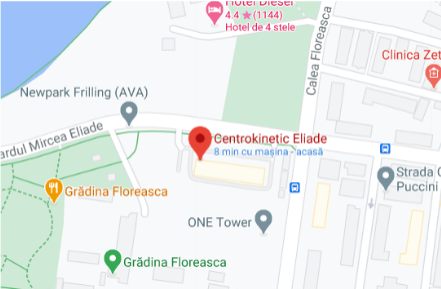
| Navigation | Explore 3D |
CENTROKINETIC Barbu Vacarescu
Bucharest, 2nd District,
Barbu Vacarescu Street, no. 102,
102 The Address, ground floor.
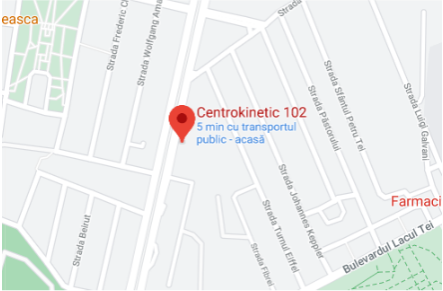
| Navigation | Explore 3D |
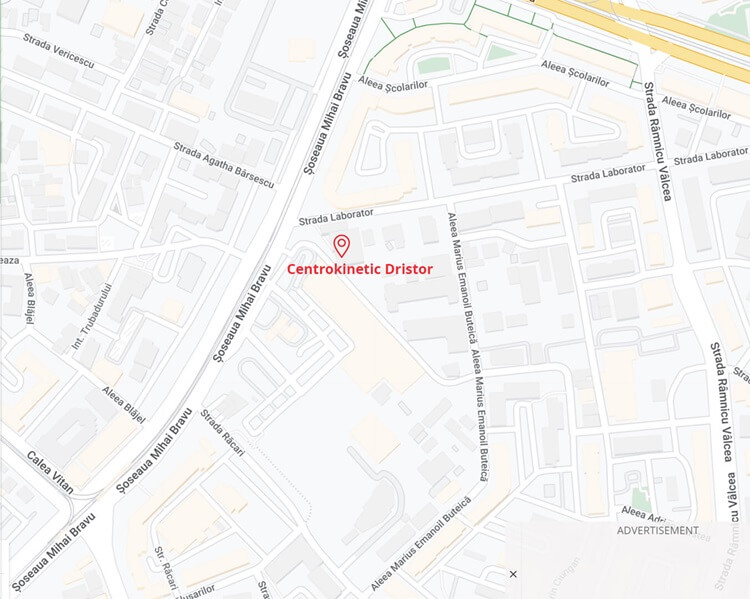
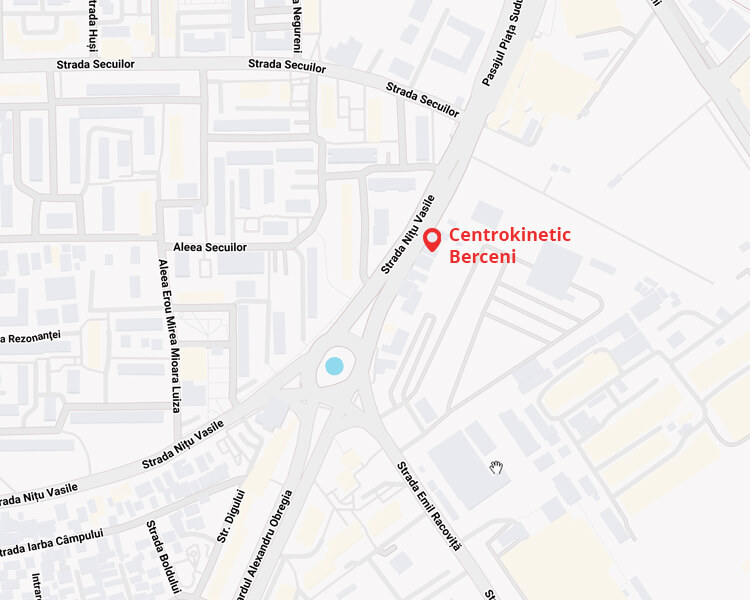
CENTROKINETIC MILITARI
Bucuresti, Sector 6,
Bld. Iuliu Maniu, nr. 15G,
Cladirea PBT, etaj 3.
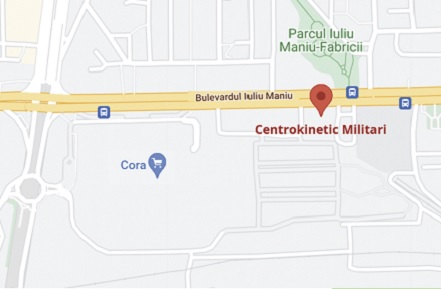
| Navigation |

CENTROKINETIC CLUJ-NAPOCA
Cluj-Napoca,
Str. Intre Lacuri, nr.1
Intrarea este in spatele cladirii.

| Navigation |
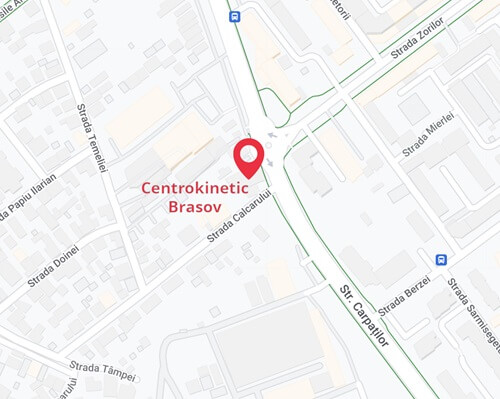
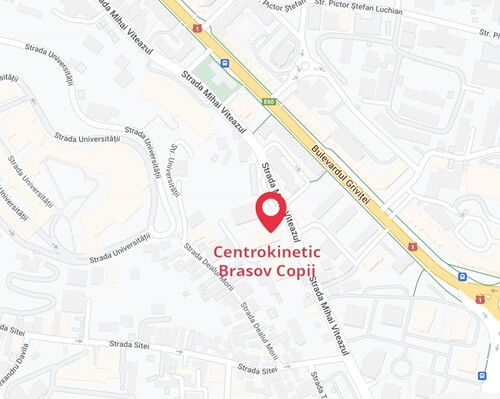
SOCRATES CLINIC TIMISOARA
Timisoara, Calea Martirilor 1989,
nr. 1.
Telefon: 0371 785 374.
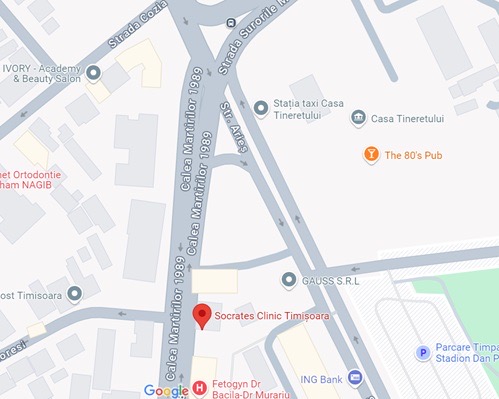
| Navigation |
CONTACT
Phone: 0319693
E-mail: programari@centrokinetic.ro
Operating hours:
Monday – Friday: 07:00 – 21:00
Saturday: 09:00 – 14:00
Sunday: closed.
MAKE AN APPOINTMENT