
See details
READ MORE

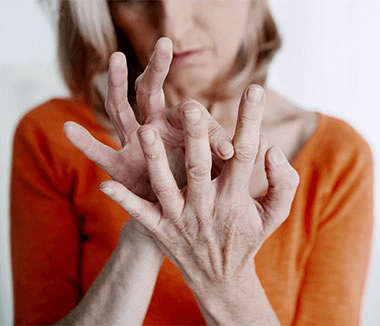
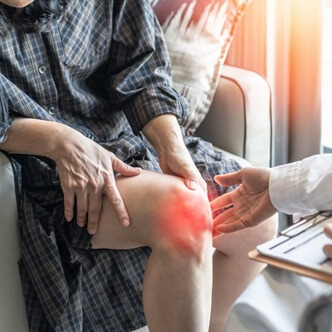
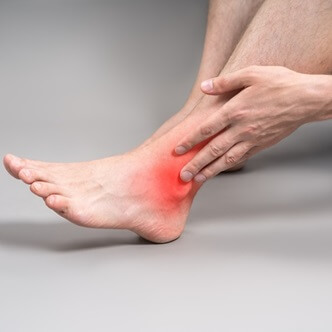
Centrokinetic welcomes patients with a complete rheumatology department, a medical branch that deals with diagnosing, treating and rehabilitating patients with non-surgical conditions of the musculoskeletal system. These conditions are usually painful, acute or, most often, chronic, preventing the proper functioning of the musculoskeletal system. They are generally called rheumatism, or rheumatic and musculoskeletal diseases.
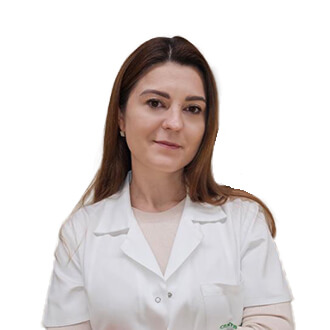
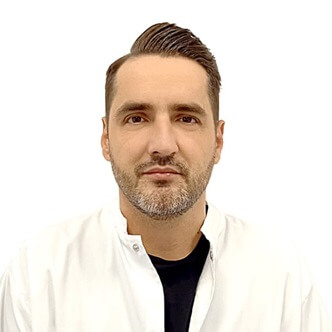
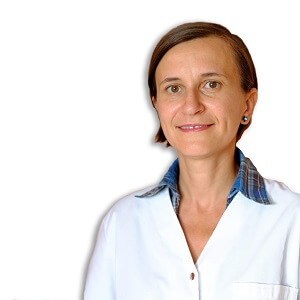
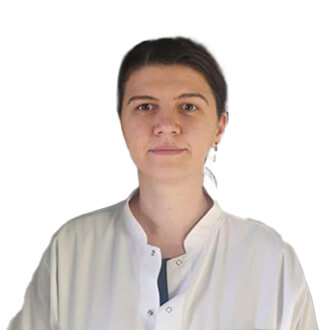
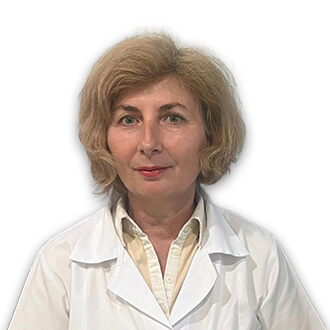
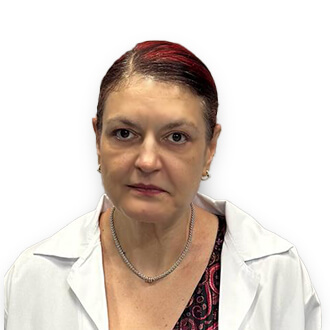
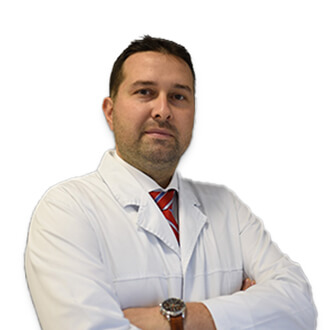
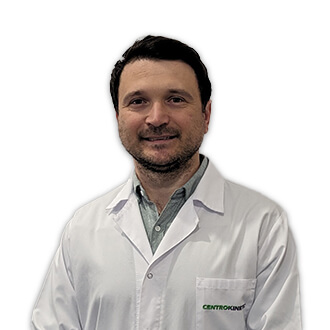
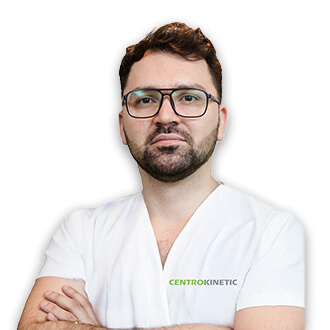
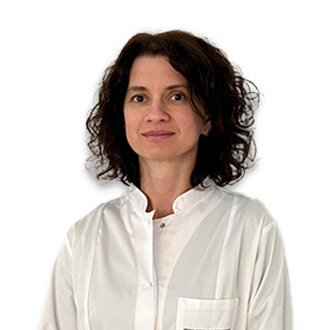
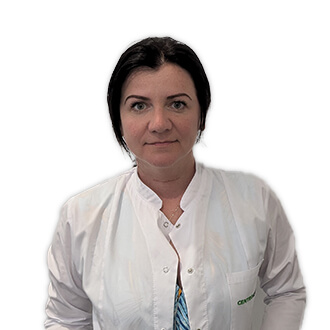
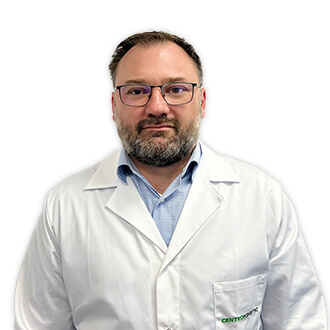
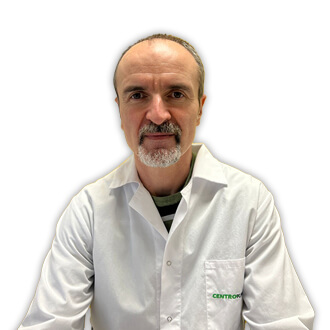
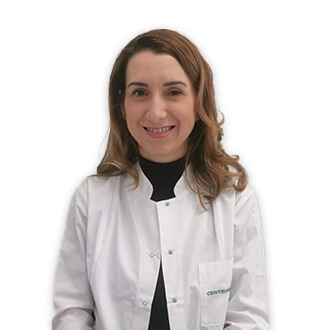
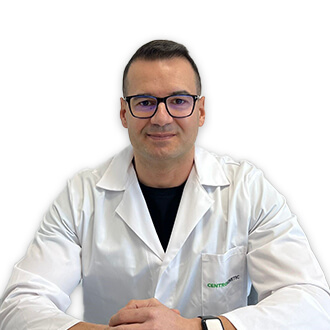
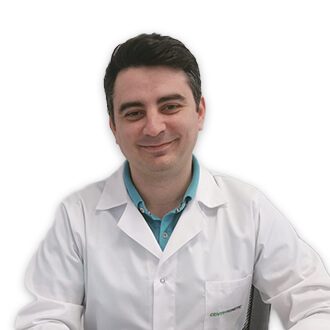
Most often, patient evaluation is complex and multidisciplinary, given the systemic, generalized nature of most rheumatological conditions, which is why Centrokinetic has experienced doctors:
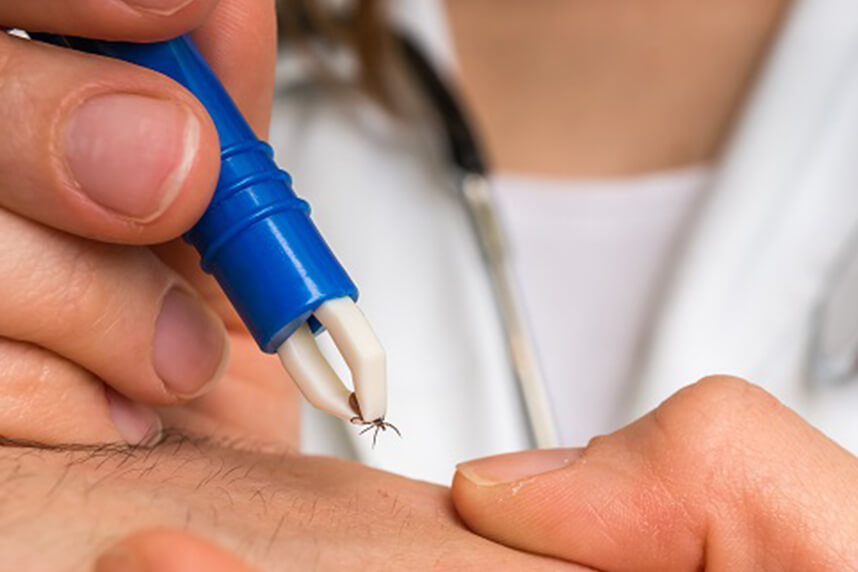
Lyme disease is an infectious disease caused by the bacterium Borrelia burgdorferi, which can be transmitted to humans through the bite of an infected tick of the species Ixodes scapularis. A tick must remain attached to the human body for at least 36 hours to transmit the infection. Studies show that most people diagnosed with Lyme disease don't remember being bitten by any tick. Lyme disease was first identified in the town of Old Lyme, Connecticut, in 1975. It is currently the most common tick-borne disease in Europe and the United States.
People who live or spend a lot of time in wooded areas are more susceptible to becoming infected, and people with pets that visit green spaces are also at a higher risk of contracting Lyme disease.
People with Lyme disease can react to it differently, and the symptoms can have varying degrees of severity. Although Lyme disease is usually divided into three stages (early localization, early dissemination and late dissemination), the symptoms can overlap. Some people may also present in an advanced stage of the disease, without having had the symptoms that occur in the initial stage. Some of the most common symptoms of Lyme disease are:
In principle, children experience the same symptoms of Lyme disease as adults. They usually present the following symptoms:
These symptoms can appear shortly after infection, or may appear after a few months or even years. Your child may have Lyme disease even if they did not develop the "bull's-eye" rash. According to a recent study, the results showed that approximately 11% of children who had Lyme disease did not have this skin rash.
At Centrokinetic, Dr. Alizzi Khalid will perform a complete clinical examination in order to obtain a fast and accurate diagnosis.
.jpg)
Lyme disease is best treated in its early stages. Treatment in the first stage of the disease is simple and consists of administering oral antibiotics for a period of 10-14 days to eliminate the infection. Medications used to treat Lyme disease include: doxycycline, amoxicillin (which represents the first-line treatment for both adults and children). Amoxicillin is also used to treat pregnant or breastfeeding women.
Intravenous antibiotics are used for some forms of Lyme disease, including those that affect the central nervous system and the heart.
After the patient's health improves, Dr. Alizzi Khalid will recommend switching to oral medication. The entire treatment usually lasts between 14 and 28 days.
Lyme arthritis occurs in a late stage of the disease and affects only a small portion of infected people. It is treated with oral antibiotics for a period of 28 days.
If a patient has been treated for Lyme disease with antibiotics, but the symptoms have not gone away, this condition is referred to as post-Lyme disease syndrome or post-treatment Lyme disease syndrome.
Approximately 10-20% of people with Lyme disease have experienced this syndrome, according to a study published in 2016 in the New England Journal of Medicine, with the cause being unknown.
Post-Lyme syndrome can affect joint mobility and cognitive abilities. Treatment initially focuses on relieving pain and physical discomfort. Most people recover, but in some cases this process can take months or even years.
The symptoms of this post-Lyme syndrome are similar to those that occur in the early stages of the disease. These symptoms can include:
There is no evidence to show that Lyme disease is contagious between humans. Also, according to the Centers for Disease Control and Prevention (CDC), pregnant women cannot transmit the disease to the fetus, nor later through breastfeeding.
Lyme disease is an infection caused by a bacterium, which is transmitted by the black-legged (deer) tick. In an infected person, this bacterium is found in body fluids, but no evidence has been found to support the hypothesis that Lyme disease can be transmitted to another person through sneezing, coughing or kissing.
Also, there is no evidence to show that Lyme disease can be transmitted through sexual contact or blood transfusion.
Lyme disease has 3 stages:
The symptoms a patient has vary depending on the stage of the disease they are in. The course of the disease varies from person to person. In some people, the course of Lyme disease does not go through all 3 stages.
Stage I – Early detection of Lyme disease
The characteristic symptoms of Lyme disease usually appear one or two weeks after the tick bite. One of the first signs of the disease is the appearance of the "bull's-eye" rash.
The rash appears in the area where the tick attached, having the appearance of a red spot, surrounded by a clear area, with reddish edges. It may be warm to the touch, but without causing any discomfort (pain, itching). The rash gradually fades in most people.
This rash is called erythema migrans and is presumed to be a characteristic sign of Lyme disease; however, most people have not presented with it.
Some people have a solid red rash, while people with darker skin may have a rash that resembles a bruise. The rash may appear with or without systemic viral or flu-like symptoms.
Other common symptoms present in this stage of Lyme disease are:
Stage II – Early dissemination
Stage II can occur several weeks or even months after the tick bite.
The patient may have an altered general condition, and the rash may also appear in areas other than where the tick attached to the skin.
This stage of the disease is characterized by the occurrence of a systemic infection, which means that the infection has spread throughout the body, including to the organs.
Symptoms include:
Stage III – Late dissemination
Late dissemination sets in when the infection has not been treated in stages I and II. Stage III of the disease can occur after a period ranging from a few months to a few years after infection.
This stage is characterized by:
Diagnosing Lyme disease begins with taking the patient's history and medical background, to find out whether they have been bitten by ticks before, or whether they have lived in an area endemic to the disease.
At Centrokinetic, Dr. Alizzi Khalid will perform a complete clinical examination to check for any skin irritation or other symptoms characteristic of Lyme disease.
Blood tests are much more conclusive if performed a few weeks after infection, since antibodies are present in the body by then. Dr. Alizzi Khalid may also prescribe the patient to undergo the following tests:
The most important preventive measure against Lyme disease is avoiding areas where we could be bitten by ticks. Other prevention measures:
See your doctor every time you are bitten by a tick.
After a person has been treated against Lyme disease with antibiotics, it could take weeks or even months for all symptoms to disappear.
To help the healing process, the patient can take the following actions:
At the Centrokinetic clinic, we offer complex medical rehabilitation programs with a highly experienced team, accredited in: Tecar, dynamic taping, massage, Graston technique, Kinesio Tape, ERGON, flossing band. Our team has completed numerous advanced specialization courses with trainers from Romania and abroad, being certified to perform therapies at the highest level. The experience gained in recent years has meant treating over 250 patients monthly.
Centrokinetic is the place where you will find answers and clear solutions for your mobility problems. The clinic dedicated to bone and joint conditions is divided into the following specialized departments:
Find out the latest news by following the Facebook and YouTube accounts of the Centrokinetic clinic.
See details
READ MORESee details
READ MORESee details
READ MORESee here how you can make an appointment and the location of our clinics.








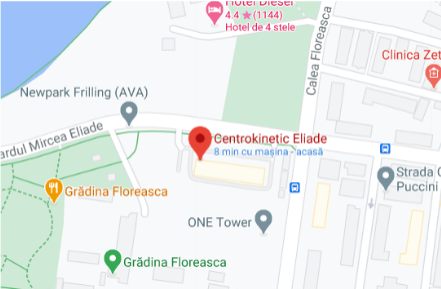
CENTROKINETIC FLOREASCA
Bucharest, 1st District,
Mircea Eliade Street, no. 18,
Eliade Tower, Entrance A, Floor 3
| Navigation | Explore 3D |
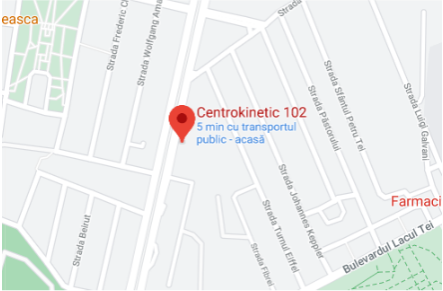
CENTROKINETIC Barbu Vacarescu
Bucharest, 2nd District,
Barbu Vacarescu Street, no. 102,
102 The Address, ground floor.
| Navigation | Explore 3D |
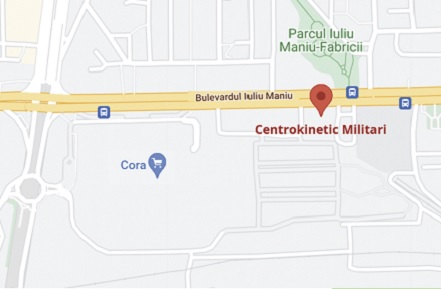
CENTROKINETIC MILITARI
Bucuresti, Sector 6,
Bld. Iuliu Maniu, nr. 15G,
Cladirea PBT, etaj 3.
| Navigation |
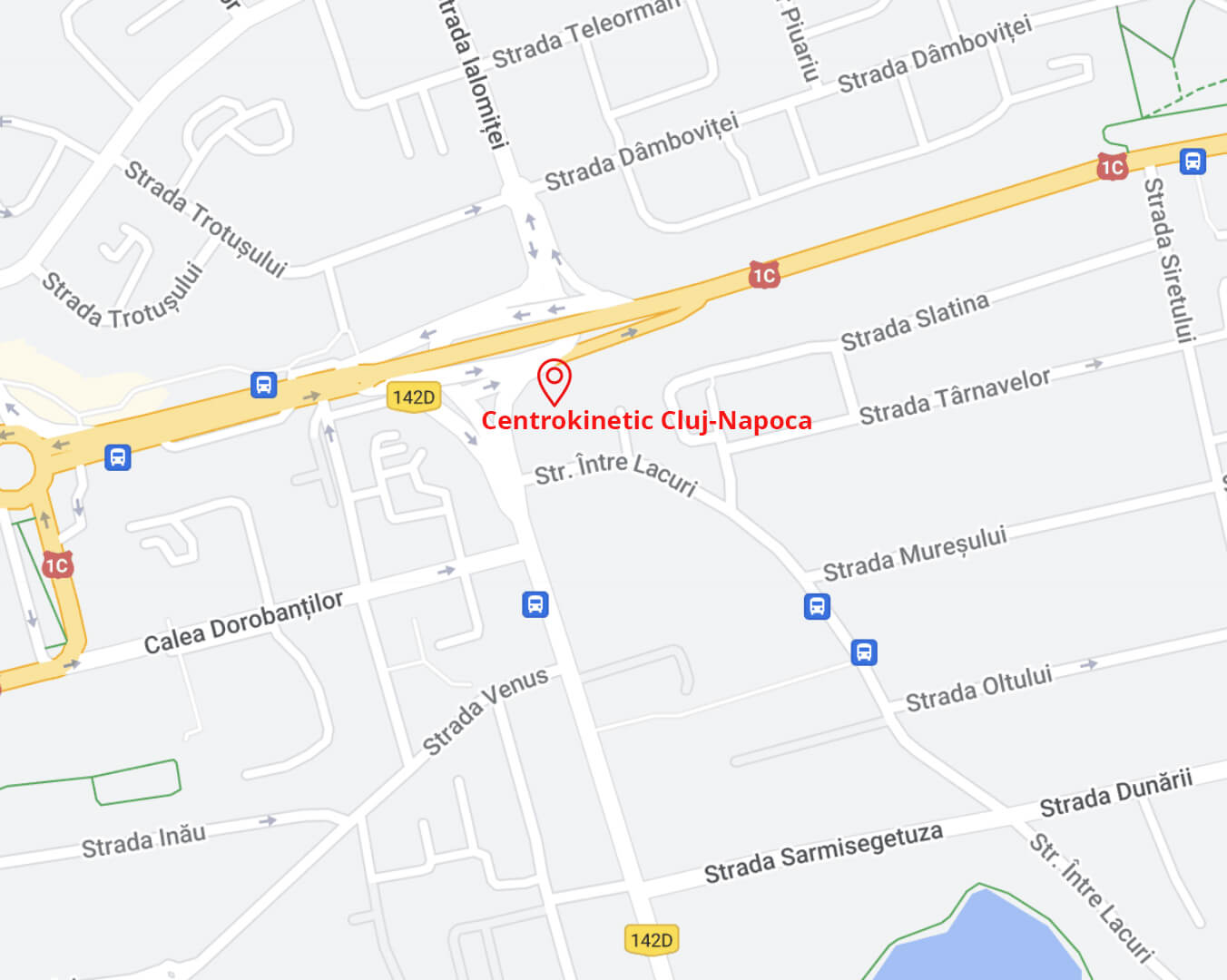
CENTROKINETIC CLUJ-NAPOCA
Cluj-Napoca,
Str. Intre Lacuri, nr.1
Intrarea este in spatele cladirii.
| Navigation |
SOCRATES CLINIC TIMISOARA
Timisoara, Calea Martirilor 1989,
nr. 1.
Telefon: 0371 785 374.
| Navigation |
Phone: 0319693
E-mail: programari@centrokinetic.ro
Operating hours:
Monday – Friday: 07:00 – 21:00
Saturday: 09:00 – 14:00
Sunday: closed.
MAKE AN APPOINTMENT