JOINT INFILTRATIONS



Joint injections are injections given directly into the joint or into the tissues around it, to reduce pain and inflammation and to improve mobility. The most commonly used are corticosteroid, hyaluronic acid and PRP injections, and the choice depends on the diagnosis, the stage of the condition and your goals. As a rule, the injection is part of a treatment plan that also includes medical rehabilitation.
What you need to know right now about joint injections:
- corticosteroid injections reduce inflammation and pain, and the effect usually lasts from a few weeks to a few months;
- in general, no more than 3 corticosteroid injections per year are given in the same joint;
- PRP and Sanakin injections use the patient's own blood, so they do not cause allergic reactions to the injected product;
- any injection can have side effects, usually local and temporary: pain, swelling or bruising at the injection site;
- ultrasound guidance helps the doctor inject the substance exactly into the affected tissue.
Contents
- What are intra-articular and periarticular injections?
- What types of injections are there and how do they differ?
- When are corticosteroid injections recommended?
- How do hyaluronic acid injections work?
- What are PRP injections and who are they recommended for?
- What are Sanakin (ACRS) injections?
- When is botulinum toxin used for spasticity?
- How is a joint injection performed at Centrokinetic?
- How much do joint injections cost?
- What should you do after reading this article?
- Frequently asked questions about joint injections
What are intra-articular and periarticular injections?
Intra-articular injections are given inside the joint, while periarticular injections are given into the tissues around it, such as tendons, ligaments or bursae. Treatment with intra-articular or periarticular injections can quickly reduce pain and limited mobility.
In most cases, injections are part of a much more complex treatment plan. However, there are also situations in which they are used as maintenance treatments, such as anti-inflammatory and hyaluronic acid injections in osteoarthritis, or PRP or Sanakin injections in early-stage chondromalacia in young people.
Studies show that a drug injected locally acts more effectively in the affected tissue than the same drug given systemically, intramuscularly or intravenously. A correct injection requires the right drug, injected at the correct dose, exactly into the affected tissue, at the right time.
Before the injection, the doctor establishes the diagnosis during an orthopedic consultation for evaluation and diagnosis.
What types of injections are there and how do they differ?
The main types of injections are corticosteroid, hyaluronic acid, PRP and Sanakin (ACRS) injections, to which botulinum toxin injection for muscle spasticity is added. They differ in their mechanism of action, the conditions they treat and the duration of their effect.
The table below compares the types of injections performed in the clinic, so you can understand what each one is used for.
| Type of injection | Role | Common conditions | Approximate duration of effect |
|---|---|---|---|
| Corticosteroids | Reduces inflammation and pain | Osteoarthritis, tendinopathies, bursitis, adhesive capsulitis, plantar fasciitis | A few weeks to a few months |
| Hyaluronic acid | Lubricates the joint and protects the cartilage | Osteoarthritis, crepitus after knee surgery | A few months; varies from patient to patient |
| PRP | Stimulates healing through growth factors from your own blood | Chronic tendinopathies, early-stage chondromalacia, after certain surgeries | Varies depending on the condition |
| Sanakin (ACRS) | Provides anti-inflammatory substances from your own blood | Plantar fasciitis, tendinopathies, epicondylitis, chronic bursitis | Varies depending on the condition |
| Botulinum toxin | Reduces increased muscle tone | Spasticity after stroke, multiple sclerosis, cerebral palsy | A few months; repeated periodically |
The durations are approximate. The orthopedic doctor determines the right type of injection after the clinical examination and investigations.
When are corticosteroid injections recommended?
Corticosteroid injections are recommended when inflammation and pain limit movement, for example in osteoarthritis, tendinopathies, bursitis or adhesive capsulitis of the shoulder. The effect usually begins within 2-3 days and lasts from a few weeks to a few months.
The role of corticosteroid injections: they reduce inflammation and pain by limiting capillary dilation and blood vessel permeability and by reducing the accumulation of inflammatory cells. Corticosteroids also reduce the formation of prostaglandins, substances that sustain the inflammatory process.
Conditions for which they are recommended:
- osteoarthritis;
- scapulohumeral periarthritis and adhesive capsulitis of the shoulder;
- rotator cuff tendinopathy and calcific tendinopathy of the supraspinatus muscle;
- mallet finger, trigger finger and De Quervain's tendinopathy;
- epicondylitis;
- trochanteric bursitis;
- plantar fasciitis;
- spinal disc disease.
How the procedure is performed: it is a simple procedure lasting a few minutes, in which the doctor injects the substance into the affected tissue, with or without ultrasound guidance. The discomfort felt during and after the procedure is usually mild.
Contraindications: active infection, local or general, allergy to the injected substance, uncontrolled diabetes mellitus and certain heart conditions. If you take anticoagulants, tell your doctor before the procedure.
Side effects: blood sugar and blood pressure may rise temporarily, for a few days. Less often, there may be a temporary increase in pain in the first 24-48 hours, facial flushing or skin changes at the injection site. Infection is very rare, but a red, warm and painful joint, accompanied by fever, requires immediate medical attention. In general, no more than 3 corticosteroid injections per year are given in the same joint.
If you have shoulder pain, also read the guide on shoulder pain and its possible causes.

How do hyaluronic acid injections work?
Hyaluronic acid injections, also called viscoelastic solutions, restore the properties of the fluid inside the joint, which lubricates and protects the cartilage. They are used mainly in osteoarthritis and can reduce pain for several months.
The role of hyaluronic acid injections:
- they protect and nourish the articular cartilage: hyaluronic acid molecules in the synovial fluid act as a lubricant and protect the joint surfaces from mechanical damage, through their elastic properties;
- they protect the synovial membrane: hyaluronic acid forms a protective barrier for the synovial membrane and can reduce inflammation in the joint.
Hyaluronic acid injections are given mainly intra-articularly, both in large joints (knee, shoulder, hip, ankle) and in small ones (wrist, elbow, metatarsophalangeal or interphalangeal joints). In some patients, the benefits last up to 6-12 months.
Conditions for which they are recommended:
- after knee surgery, at about one month, when patients begin to feel joint crepitus;
- osteoarthritis of the knee, shoulder, hip, wrist and small joints, in advanced stages, sometimes combined with a corticosteroid, at a frequency of one injection every 6 months.
Some studies suggest that repeated hyaluronic acid injections could slow the progression of osteoarthritis and that high molecular weight preparations have a better therapeutic effect. Our medical team has specialized training in Germany in injections for the limbs and spine.
How the procedure is performed: the doctor injects the hyaluronic acid into the joint, with or without ultrasound guidance, in a procedure lasting a few minutes.
Contraindications: active infection of the joint or of the skin in the area, general infection and known allergy to hyaluronic acid products.
Side effects: usually mild and temporary, such as pain, swelling or a feeling of pressure in the joint. Rarely, an acute inflammatory reaction may occur, which requires medical evaluation.
If you are interested in recovery after the injection, learn the differences between medical rehabilitation and physiotherapy.
What are PRP injections and who are they recommended for?
PRP (platelet-rich plasma) injections use plasma obtained from the patient's own blood, concentrated by centrifugation, which contains growth factors that stimulate tissue healing. They are recommended mainly for chronic tendinopathies, early-stage chondromalacia and after certain surgeries.
The role of PRP injections: PRP injections are a biological treatment for musculoskeletal conditions, in which platelet-rich plasma, obtained by centrifuging venous blood collected from the patient, is injected into the joint or tendons. The highly concentrated plasma contains growth factors that trigger a pro-inflammatory biological response at the injection site, which plays a role in tissue regeneration.
Conditions for which they are recommended:
- after knee surgery, at about one month, to support healing (ligament reconstruction, meniscal sutures, cartilage injuries), or after shoulder surgery (rotator cuff reattachment, Bankart procedure); afterwards, the doctor may also recommend hyaluronic acid for joint crepitus;
- chondromalacia of the knee, shoulder, hip, wrist or small joints, in early stages;
- chronic tendinopathies, diagnosed by ultrasound or MRI, after the acute phase has resolved.
How the procedure is performed: the procedure takes about 45 minutes, because it includes drawing the blood and centrifuging it. The doctor then injects the plasma into the affected tissue, with or without ultrasound guidance.

Contraindications: cancer, low platelet count, active infection and fever. Before the procedure, the doctor may ask you to stop taking anti-inflammatory drugs, usually about 2 weeks in advance.
Side effects: usually local and temporary: pain, swelling or bruising at the injection site. Because this is an autologous treatment (we use your own blood), there are no allergic reactions to the injected product. The risk of infection is minimal, because the kits used comply with aseptic rules.
Centrokinetic uses PRP kits made by Arthrex and Magellan. According to current studies, soft tissue injuries and cartilage injuries may respond to this treatment. For athletes, PRP is not considered doping: since 2011, the World Anti-Doping Agency (WADA) has removed the intramuscular use of platelet-derived preparations from the list of prohibited substances.
What are Sanakin (ACRS) injections?
Sanakin injections use a serum obtained from the patient's blood (ACRS, Autologous Cytokine Rich Serum), rich in the body's own substances with anti-inflammatory effects and a role in tissue regeneration. They are used mainly for tendinopathies and plantar fasciitis.
The role of Sanakin injections: the serum contains cytokines, protein molecules involved in the mechanisms of inflammation and in the body's defense.
Conditions for which they are recommended: plantar fasciitis, Achilles and patellar tendinopathy, epicondylitis, Haglund's disease, iliotibial band syndrome, tibialis posterior tendinopathy, peroneus brevis tendinopathy and chronic shoulder bursitis.
How the procedure is performed: after the blood is drawn and processed, the doctor injects the serum into the affected tissue, with or without ultrasound guidance.
Contraindications: cancer.
Side effects: usually local and temporary, such as pain or swelling at the injection site. Because this is an autologous treatment (we use your own blood), there are no allergic reactions to the injected product.
Sanakin treatment has several advantages:
- it uses substances produced by your own body;
- it supports the natural regenerative capacity of tissues;
- it is generally well tolerated;
- it is administered quickly.
When is botulinum toxin used for spasticity?
Botulinum toxin is used to reduce spasticity, meaning increased muscle tone, when it is localized and affects movement, posture or daily care. The effect lasts a few months, so the injection is repeated periodically.
The role of botulinum toxin injection: in a neurorehabilitation setting, botulinum toxin is used mainly to treat spasticity and to prevent muscle contractures. Treatment with oral antispastic drugs is often associated with general side effects, which limit their use. Botulinum toxin A, injected into spastic muscles, has proven effective in reducing muscle tone.
Untreated spasticity can lead to a persistent abnormal posture, which in turn produces contractures of the muscles and tendons, as well as bone deformities.
Conditions for which it is recommended:
- spasticity after stroke, in multiple sclerosis, after brain injuries and in cerebral palsy;
- dystonia, including cervical dystonia;
- facial muscle spasms and blepharospasm;
- excessive sweating and hypersalivation;
- migraine prevention;
- overactive bladder.
How the procedure is performed: the doctor injects the botulinum toxin directly into the spastic muscles, in a session lasting a few minutes.
Contraindications: myasthenia gravis, Lambert-Eaton syndrome and other neuromuscular disorders, pregnancy, infection at the injection site and the use of aminoglycoside antibiotics. The doctor determines the maximum dose and the interval between sessions, because the body can produce antibodies that reduce the effect of the treatment.
Side effects: the most common are pain, swelling or bruising at the injection site. Local muscle weakness may occur, usually mild and temporary. Less often, flu-like symptoms, fatigue or generalized muscle weakness occur, and severe allergic reactions are very rare.
How is a joint injection performed at Centrokinetic?
An injection usually takes a few minutes, while for PRP it takes about 45 minutes. The doctor disinfects the area, injects the substance, often with ultrasound guidance, and then explains which activities to avoid in the first few days.
The procedure usually includes the following steps:
- the doctor confirms the diagnosis and checks for possible contraindications;
- the area is disinfected, and the doctor locates the affected tissue, often with the help of ultrasound;
- the doctor injects the substance and, at the end, applies a small dressing;
- you receive recommendations for the following days.
After the injection, avoid intense effort on the treated joint for about 48 hours and keep the area clean. Contact your doctor if you develop fever, spreading redness or pain that gets worse after the first 2 days.
The injection reduces pain, but it does not restore strength and mobility on its own. A physiotherapy program started after the injection can help consolidate the results and prevent recurrences.
How much do joint injections cost?
The price of an injection depends on the type of substance, the joint treated and the use of ultrasound guidance. However, any proper recovery process is based on a combined plan of therapies and procedures, personalized according to the condition, stage, patient profile and other objective medical factors. For a complete treatment plan, with the therapies, duration and related cost, book an initial consultation.
For residual pain, your doctor may also recommend physical therapy procedures.
What should you do after reading this article?
- Write down when your pain started, which movements make it worse and which treatments you have tried.
- Keep the results of previous investigations, such as X-rays, ultrasounds or MRI scans.
- Book an orthopedic consultation at Centrokinetic to establish the diagnosis.
- Tell your doctor which medications you take, especially anticoagulants, and whether you have diabetes or allergies.
- Discuss with your doctor the right type of injection and the recovery plan after the procedure.
- Start the recommended physiotherapy for lasting results.
Book a specialist consultation now.
Frequently asked questions about joint injections
Does a joint injection hurt?
Most patients feel only brief discomfort, similar to a regular injection. Sometimes the pain may increase in the first 24-48 hours, then gradually subside.
Can I drive after a joint injection?
If the injection was given in the knee, hip or ankle, it is recommended not to drive on the day of the procedure. Your doctor will tell you when you can start driving again, depending on the joint treated.
Can I play sports after an injection?
Avoid intense effort on the treated joint during the first 48 hours. Returning to sport should be gradual, preferably based on a rehabilitation program set by a specialist.
Does an injection cure osteoarthritis?
No. The injection reduces pain and inflammation and can improve mobility, but it does not restore damaged cartilage. For lasting results, the injection is combined with exercise, weight control and medical rehabilitation.
Why is ultrasound guidance used?
Ultrasound guidance allows the doctor to see the affected tissue in real time and to inject the substance exactly into the target area. It is especially useful for deep joints, such as the hip, and for tendons.
Disclaimer: The information presented is for informational purposes only and does not replace a specialist medical consultation.
References
- Leicester's Hospitals, Steroid injections for joint and soft tissue conditions, accessed on 11.11.2026.
- Peck J. et al., A Comprehensive Review of Viscosupplementation in Osteoarthritis of the Knee, accessed on 11.11.2026.
- The Journal of Family Practice, Which patients might benefit from platelet-rich plasma?, accessed on 11.11.2026.
- Hong Kong Anti-Doping Committee, WADA approved 2011 Prohibited List, accessed on 11.11.2026.
MAKE AN APPOINTMENT
FOR AN EXAMINATION
See here how you can make an appointment and the location of our clinics.
MAKE AN APPOINTMENT
Asiguratori privati





Parteneriate



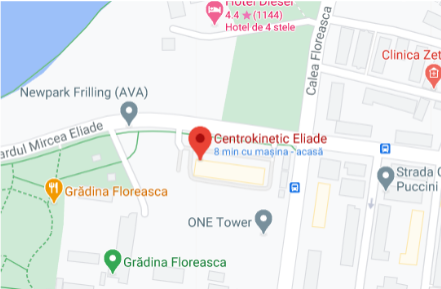
CENTROKINETIC FLOREASCA
Bucharest, 1st District,
Mircea Eliade Street, no. 18,
Eliade Tower, Entrance A, Floor 3
| Navigation | Explore 3D |
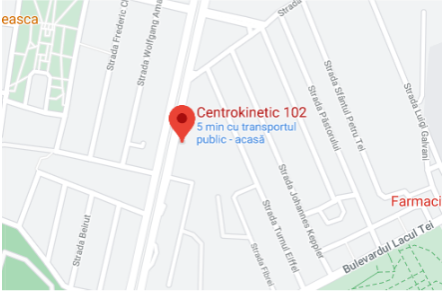
CENTROKINETIC Barbu Vacarescu
Bucharest, 2nd District,
Barbu Vacarescu Street, no. 102,
102 The Address, ground floor.
| Navigation | Explore 3D |
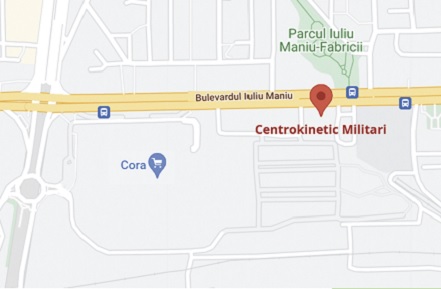
CENTROKINETIC MILITARI
Bucuresti, Sector 6,
Bld. Iuliu Maniu, nr. 15G,
Cladirea PBT, etaj 3.
| Navigation |
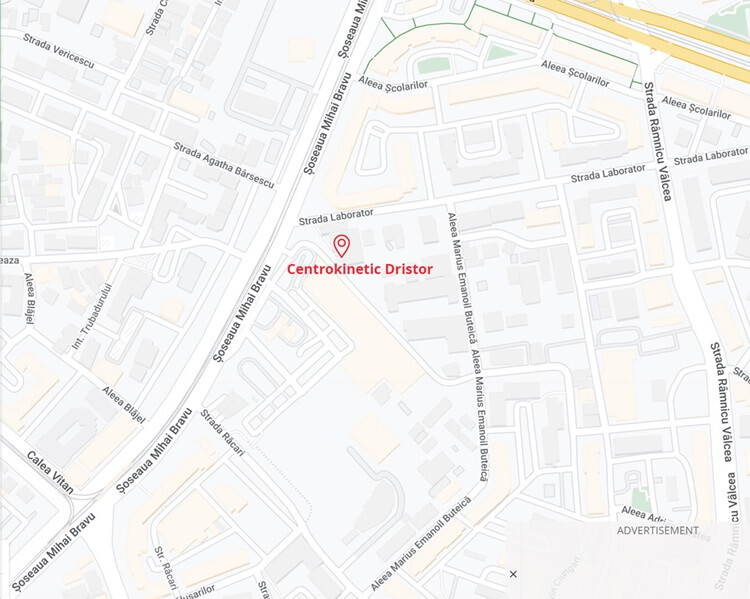
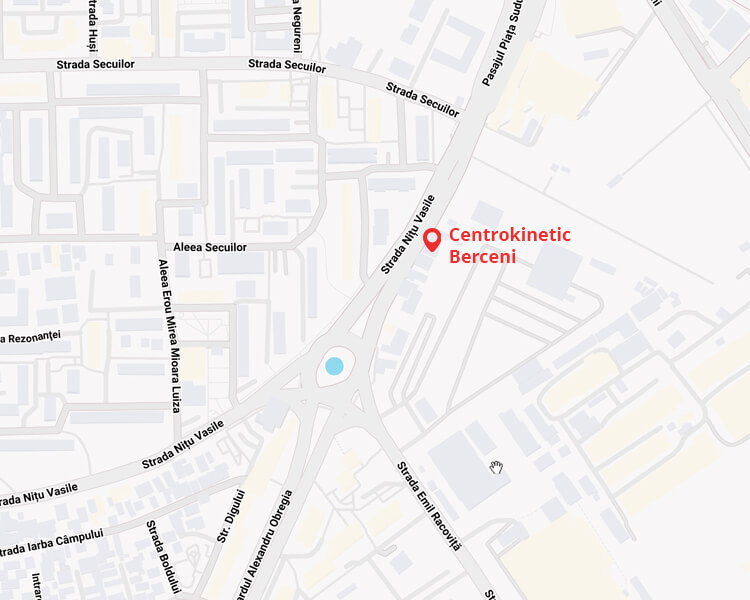
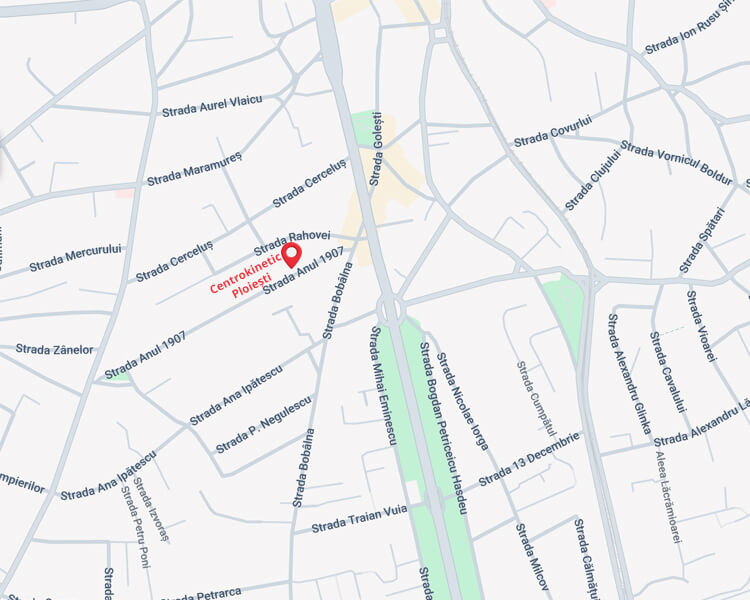
CENTROKINETIC CLUJ-NAPOCA
Cluj-Napoca,
Str. Intre Lacuri, nr.1
Intrarea este in spatele cladirii.
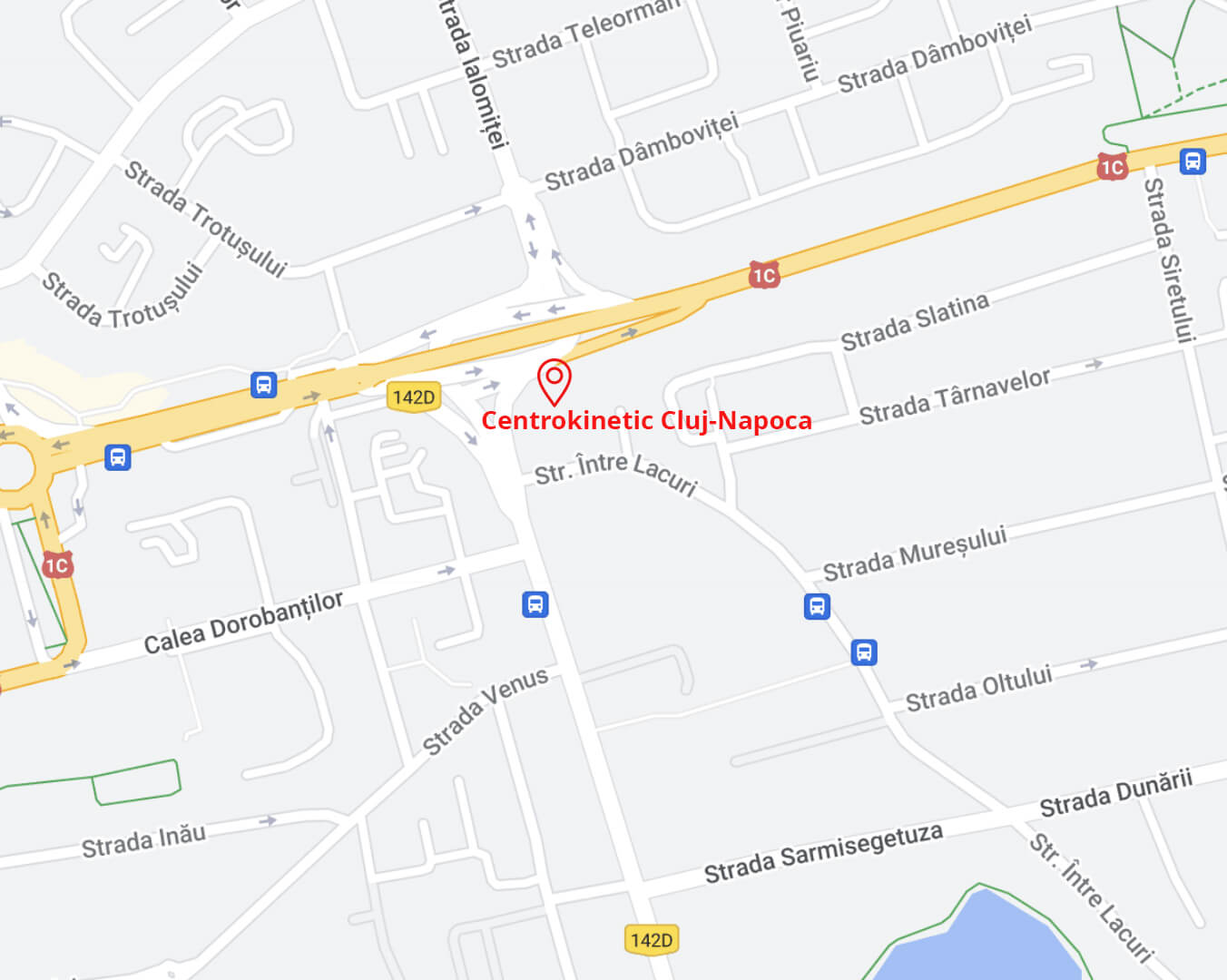
| Navigation |
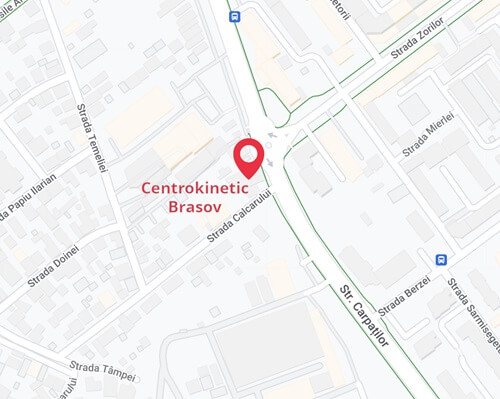
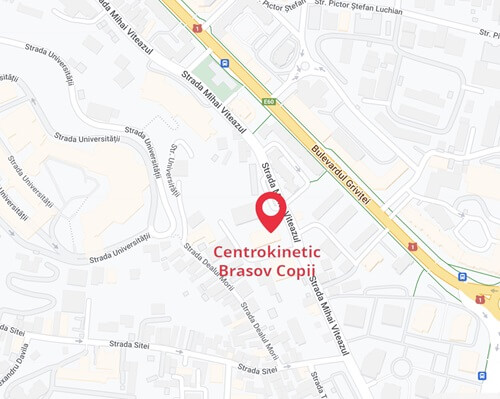
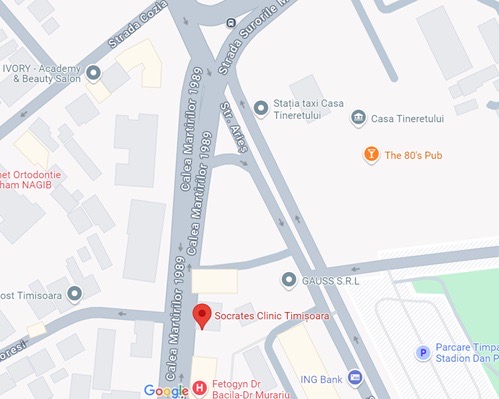
SOCRATES CLINIC TIMISOARA
Timisoara, Calea Martirilor 1989,
nr. 1.
Telefon: 0371 785 374.
| Navigation |
CONTACT
Phone: 0319693
E-mail: programari@centrokinetic.ro
Operating hours:
Monday – Friday: 07:00 – 21:00
Saturday: 09:00 – 14:00
Sunday: closed.
MAKE AN APPOINTMENT