ECHO GUIDED INFILTRATIONS


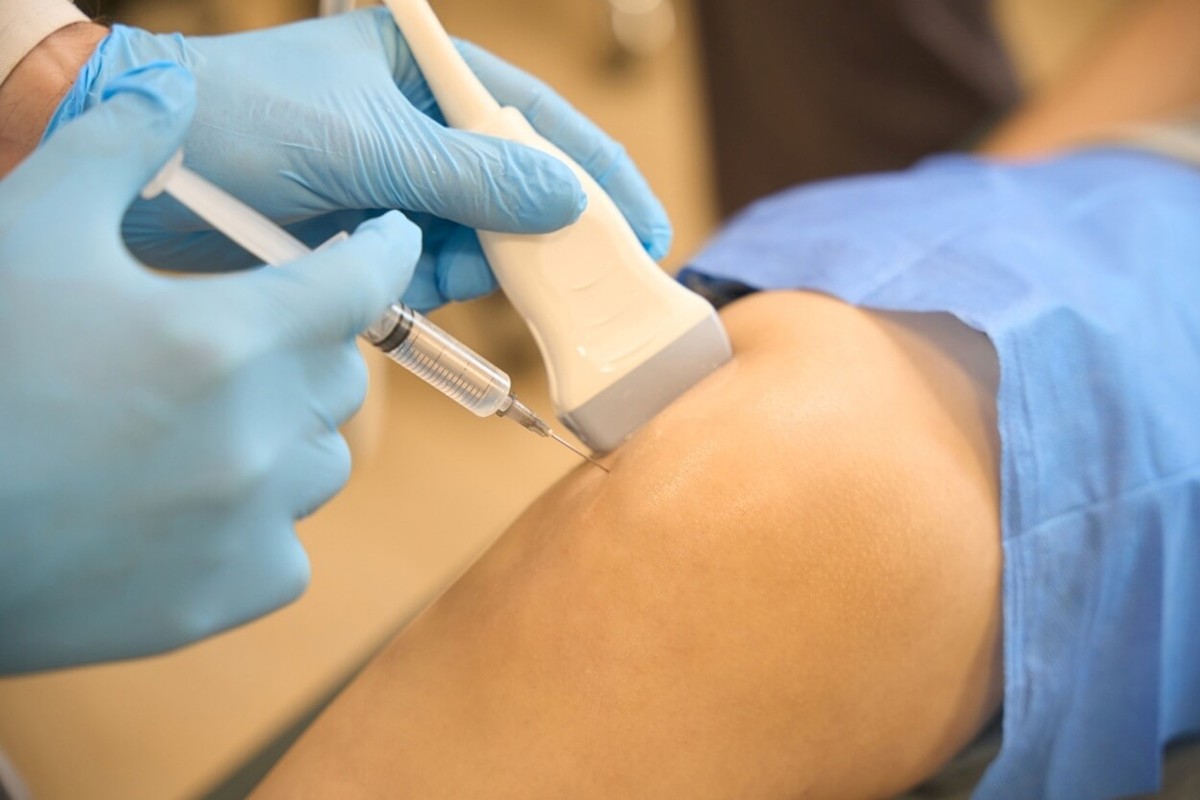
Ultrasound-guided infiltrations are a minimally invasive method through which the doctor administers a therapeutic substance directly into the affected area, using real-time ultrasound guidance. The procedure is aimed at active adults, athletes, people with degenerative conditions, or patients in post-operative recovery. The goal is to reduce pain and control inflammation, through a personalized treatment plan.
What are ultrasound-guided infiltrations and how do they work?
An infiltration means injecting a substance (anti-inflammatory, hyaluronic acid, processed autologous plasma) inside a joint or around a tendon, ligament, or bursa. A bursa is a small fluid-filled sac that reduces friction between structures, and its inflammation causes pain during movement.
Ultrasound is an imaging investigation that uses sound waves to visualize soft tissues. Through ultrasound guidance, the doctor follows the needle's path on the screen and positions the substance exactly where it is needed. You can find out more about this investigation by accessing the dedicated page on musculoskeletal ultrasound.
Studies show that infiltrations performed under imaging guidance increase the accuracy of the procedure and reduce the risk of injecting outside the target area. In practice, this means greater precision and, in most cases, a better therapeutic response.
Intra-articular and periarticular infiltrations
The doctor may choose between two types of joint infiltrations:
- Intra-articular infiltration — introduces the substance directly into the joint space (knee, hip, shoulder).
- Periarticular infiltration — treats the surrounding structures: tendons, bursae, synovial sheaths, or peripheral nerves.
The decision is based on the clinical and imaging consultation.
When does the doctor recommend ultrasound-guided infiltrations?
The indication is not established solely based on pain, but after correlating the symptoms with the clinical and imaging examination. Early intervention can limit the progression of inflammation and can prevent the pain from becoming chronic.
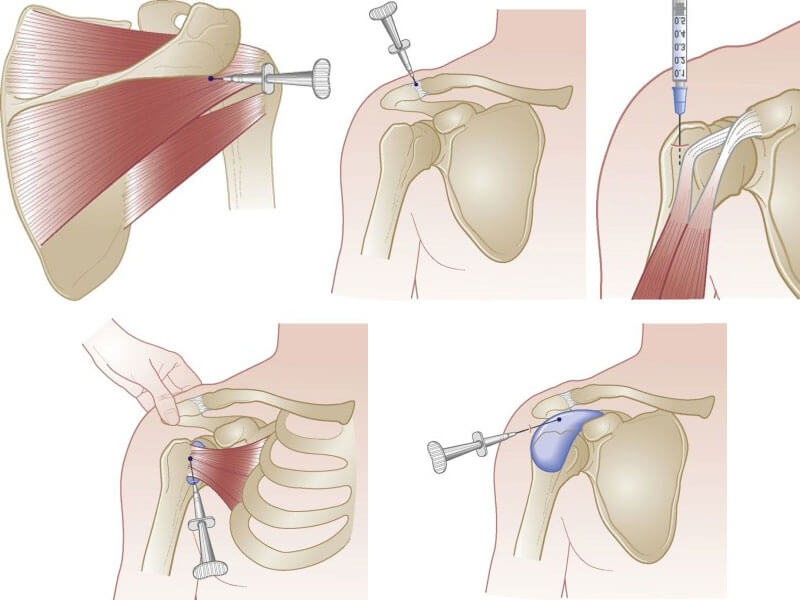
Shoulder
The shoulder has great mobility and is easily overused, especially in athletes or people who work a lot at a desk.
Infiltrations can help with:
- adhesive capsulitis (frozen shoulder);
- calcific tendinitis of the rotator cuff;
- subacromial bursitis;
- glenohumeral arthrosis;
- partial tendon lesions.
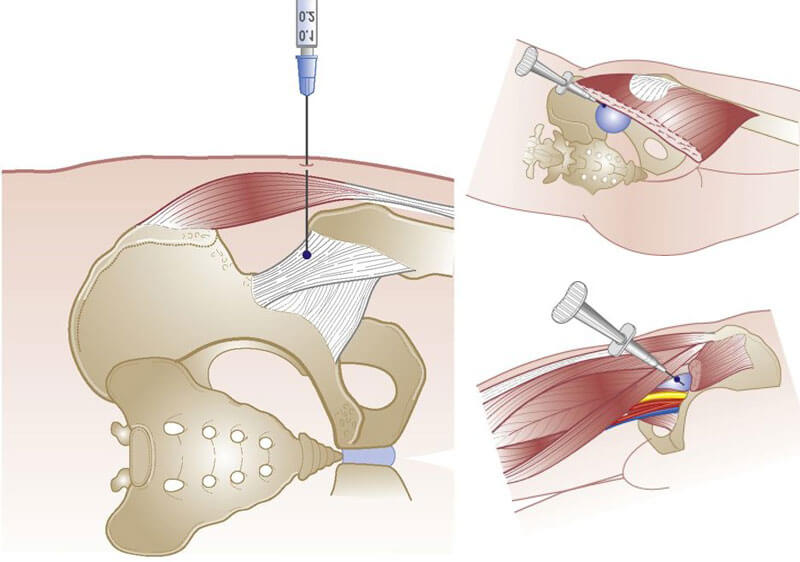
Hip
Lateral hip pain frequently occurs in runners or in people who stand for long periods. Trochanteric bursitis and tendinopathies of the pelvic-trochanteric muscles often respond to local infiltrations.
In early-stage coxarthrosis, the doctor may indicate intra-articular infiltrations with hyaluronic acid to reduce friction and improve mobility.
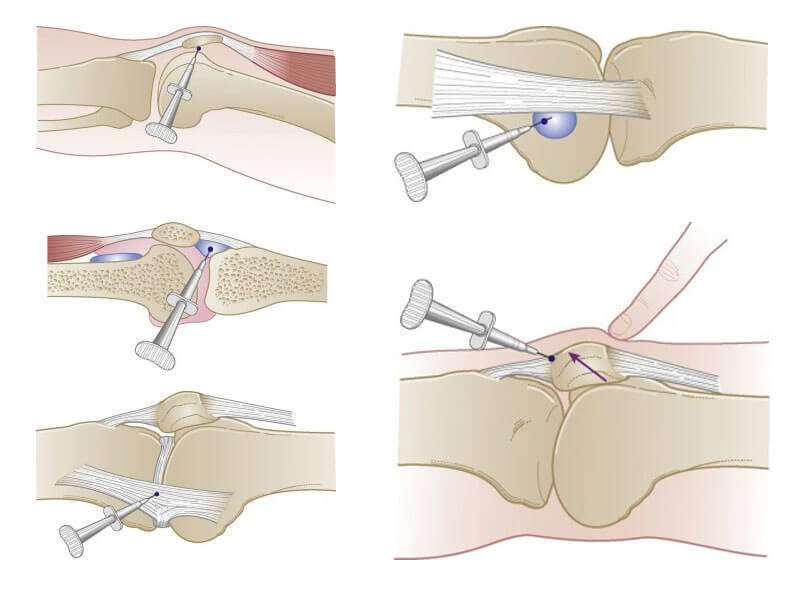
Knee
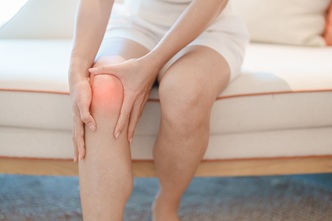
The knee is one of the most frequently treated areas. Gonarthrosis, degenerative meniscus lesions, or patellar tendinitis can cause persistent pain. Read more details about knee infiltrations and their specific indications.
Intra-articular corticosteroid injections can reduce inflammation in the short term, and hyaluronic acid can relieve pain in patients with mild or moderate arthrosis. The response varies from one patient to another.
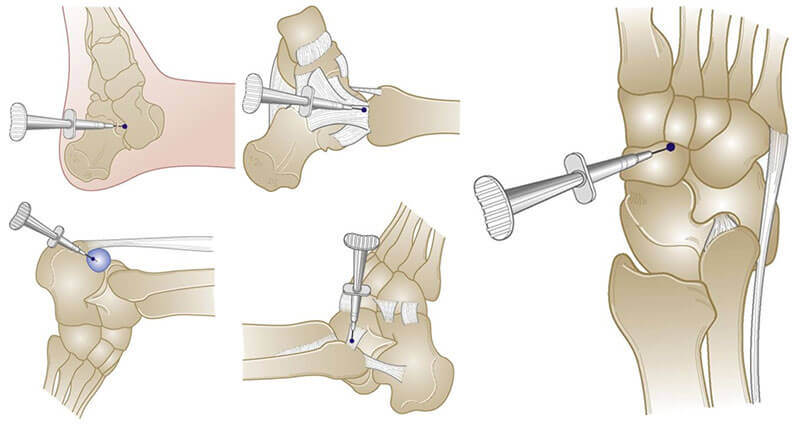
Ankle and foot
Plantar fasciitis, Achilles tendinitis, or ankle arthrosis can limit walking and sports activity. The infiltration, integrated into a plan that includes exercises and footwear adjustments, can reduce pain and facilitate recovery.
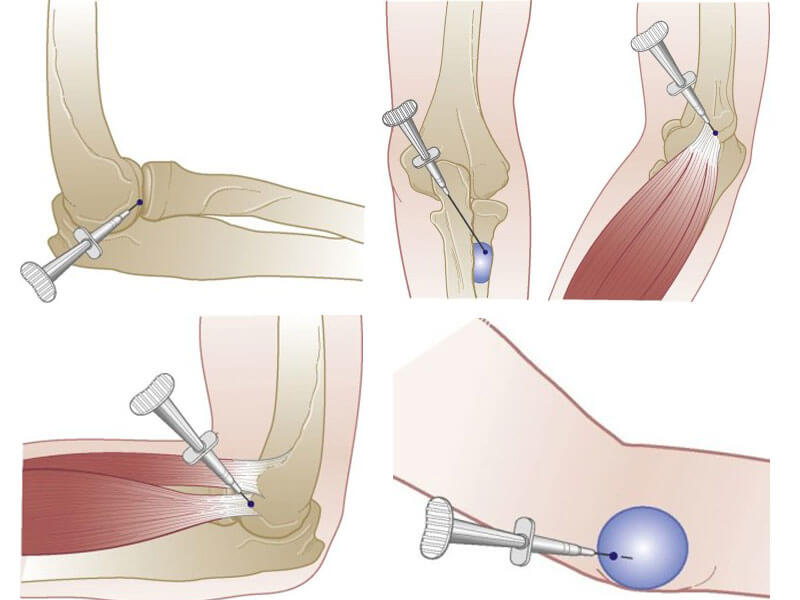
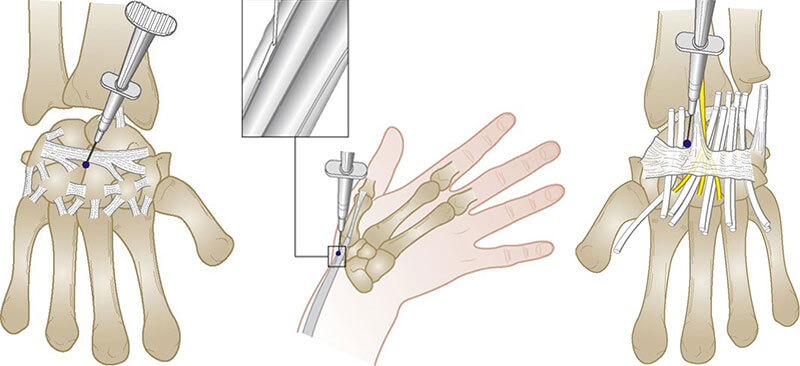
Elbow, wrist, and hand
Lateral epicondylitis (tennis elbow), carpal tunnel syndrome, or De Quervain's tenosynovitis benefit from targeted infiltrations, especially after conservative treatment (rest, braces, oral anti-inflammatories) has not provided satisfactory results.
What substances does the doctor use?
The choice of substance depends on the diagnosis, age, activity level, and your goals.
Corticosteroids
Corticosteroids are medications with a strong anti-inflammatory effect. They reduce swelling and pain during acute flare-ups. Common indications:
- bursitis;
- inflammatory tendinitis;
- painful flare-ups in arthrosis.
Doctors limit the frequency to 3-4 infiltrations per year in the same joint, to avoid damaging the cartilage or tendon. If you have diabetes, the doctor will monitor your blood sugar, since corticosteroids can temporarily raise it.
Hyaluronic acid
Hyaluronic acid is a substance naturally present in synovial fluid. It acts as a lubricant. Hyaluronic acid infiltrations are frequently used in arthrosis of the knee, hip, or shoulder. Patients with mild or moderate arthrosis may notice a reduction in pain over the course of a few months after administration. The effect appears progressively and varies individually.
PRP (platelet-rich plasma)
PRP uses the patient's own blood, centrifuged to concentrate platelets and growth factors. These can support the tissue repair processes.
Studies show promising results in chronic tendinopathies and early-stage arthrosis, although protocols differ and the response is not uniform. The doctor will explain whether this option is suitable for you.
What does the procedure involve?
.jpg "e1b68a9c0f3141204ce01d2155333d049f")
The process begins with a clinical evaluation. The doctor discusses your history, reviews your investigations, and establishes the indication. In some cases, the specialist recommends an interdisciplinary consultation within the rheumatology department, especially if a systemic inflammatory disease is suspected.
Main steps
- consultation and clinical examination;
- confirming the diagnosis through ultrasound or MRI;
- choosing the right substance;
- performing the infiltration under ultrasound guidance.
The procedure usually takes 10-15 minutes. You will feel a slight prick and local pressure. If the area is sensitive, the doctor may apply local anesthetic.
After the infiltration
Follow the recommendations you receive:
- avoid intense effort for 24-48 hours;
- apply ice locally if discomfort occurs;
- gradually resume physical activity;
- start or continue physical therapy.
In most cases, combining the infiltration with therapeutic exercises increases its effectiveness in the medium term.
Risks, side effects, and contraindications
Ultrasound-guided infiltrations have a good safety profile, especially when the doctor follows aseptic rules and the correct indication.
Possible reactions:
- transient pain or inflammation in the first 24-48 hours;
- temporary increase in blood sugar (after corticosteroids);
- local infection, rare.
Relative or absolute contraindications:
- active infections;
- allergy to the substance used;
- coagulation disorders or uncontrolled anticoagulant treatment;
- unbalanced diabetes.
Do not resort to repeated infiltrations without a medical evaluation. If the pain worsens, or if fever, intense redness, or significant swelling appear, seek medical consultation!
The benefits of a proper evaluation and early intervention
Persistent pain changes the way you move. You compensate, put more load on other joints, and risk facing additional injuries. A proper evaluation identifies the real source of the symptoms and determines whether infiltration is suitable or whether you need a different approach: physical therapy, systemic medication, braces, or, in some cases, surgery.
Early intervention can slow the progression of certain degenerative conditions and can shorten the recovery period. The medical team will propose a personalized plan, tailored to your activity level, sports or professional goals, and medical history.
Personalized approach and medical expertise
Effective treatment does not just mean an injection. The doctor correlates the clinical data with the imaging, explains the treatment options, and presents the benefits and limitations of each procedure. For parents looking for a pediatric orthopedic evaluation, the plan is adapted to the child's age and specific characteristics.
The multidisciplinary team works together to provide a coherent strategy: pain control, functional recovery, and prevention. You remain actively involved in the process!
Frequently asked questions
How long does the effect of an ultrasound-guided infiltration last?
The duration depends on the substance used and the severity of the condition. Corticosteroids can reduce pain for a few weeks, sometimes up to 2-3 months. Hyaluronic acid can have an effect over 6-12 months in mild or moderate arthrosis. PRP acts progressively, over several weeks. The doctor will explain what to expect in your case.
Can I do sports after an infiltration?
In the first 24-48 hours, avoid intense effort. Afterward, gradually resume activity, according to medical recommendations. For performance athletes, the return plan is established individually, together with the doctor and the physical therapist.
Is the procedure painful?
Most patients describe minimal discomfort, similar to a regular injection. Ultrasound guidance allows precise positioning of the needle and reduces the risk of repeated attempts. If you have increased sensitivity, let the doctor know; they can use local anesthetic.
If you are dealing with joint or tendon pain that limits your activity, don't delay the evaluation. Book an appointment now at Centrokinetic for a specialist consultation!
Centrokinetic is the place where you will find clear answers and effective solutions for musculoskeletal conditions. Our clinic, dedicated to musculoskeletal disorders, is organized into the following specialized departments:
- Orthopedics, a department composed of a highly experienced team of orthopedic surgeons specializing in sports traumatology.
- Pediatric Orthopedics, where sports injuries in children (ligament and meniscus injuries), spinal deformities (scoliosis, kyphosis, hyperlordosis), and foot deformities (hallux valgus, hallux rigidus, equinovarus foot, flatfoot, cavus foot) are treated.
- Neurology, featuring a state-of-the-art department where consultations, electroencephalograms (EEG), and electromyography (EMG) examinations are performed.
- Medical Rehabilitation for adults and children, a department specialized in the rehabilitation of professional athletes, spinal disorders, and children with neurological and traumatic conditions. Our extensive experience includes treating more than 5,000 professional athletes.
- Medical Imaging, with the clinic equipped with ultrasound and MRI systems dedicated to musculoskeletal conditions, complemented by an experienced radiologist, Dr. Cosmin Pantu, specialized in musculoskeletal imaging.
- Rheumatology, a comprehensive department dedicated to the diagnosis, treatment, and rehabilitation of patients with non-surgical musculoskeletal disorders.
- Vascular Surgery, a highly specialized department focused on the diagnosis and treatment of vascular diseases affecting arteries, veins, and lymphatic vessels.
- Psychology and Speech Therapy. Neurological and musculoskeletal conditions can have a psychological impact on patients, which is why we believe complete recovery requires addressing both the physical condition and its psychological consequences.
- Neurofeedback. This innovative method helps improve concentration, reduce anxiety, and achieve emotional balance through a simple and interactive process.
Stay up to date by following Centrokinetic on Facebook, Instagram, and YouTube.
Sources:
Donati, Danilo, et al. "The Effectiveness of Ultrasound-Guided Infiltrations Combined with Early Rehabilitation in the Management of Low Back Pain: A Retrospective Observational Study." Diagnostics, vol. 14, no. 18, 20 Sept. 2024, p. 2087, [www.mdpi.com/2075-4418/14/18/2087](https://www.mdpi.com/2075-4418/14/18/2087), https://doi.org/10.3390/diagnostics14182087. Accessed Apr. 7, 2026.
Gomez-Casanovas, Emili, et al. "Ultrasound-Guided Interventions in Rheumatology." European Journal of Rheumatology, vol. 11, no. 3, 9 Mar. 2022, pp. S323–S333, pmc.ncbi.nlm.nih.gov/articles/PMC11664835/, https://doi.org/10.5152/eurjrheum.2021.20233. Accessed Apr. 7, 2026.

MAKE AN APPOINTMENT
CONTACT US
MAKE AN APPOINTMENT
FOR AN EXAMINATION
See here how you can make an appointment and the location of our clinics.
MAKE AN APPOINTMENT
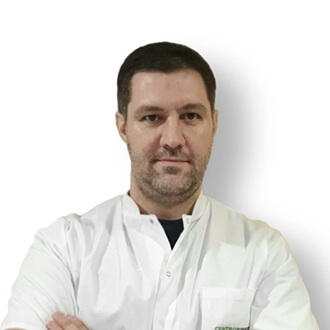
BUCHAREST TEAM
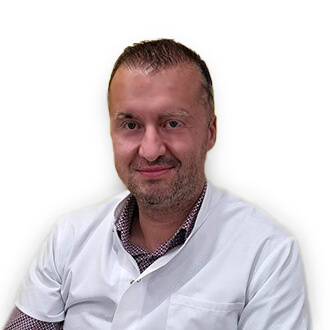
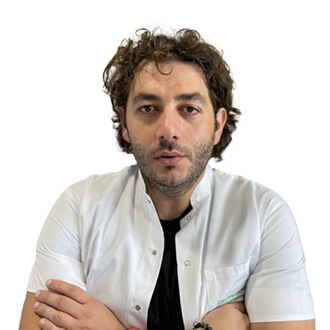
































CLUJ NAPOCA TEAM
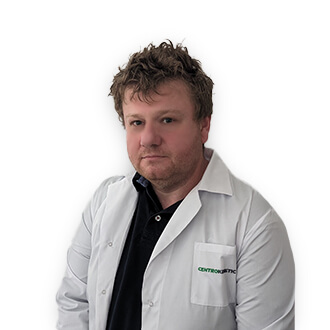
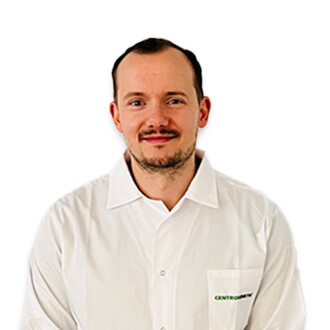
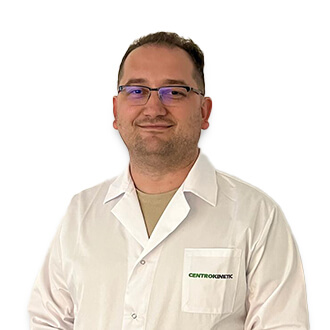
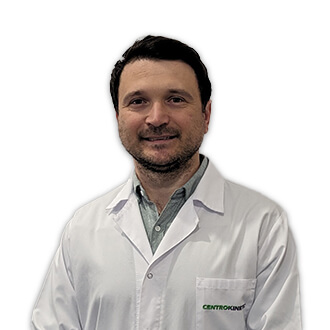















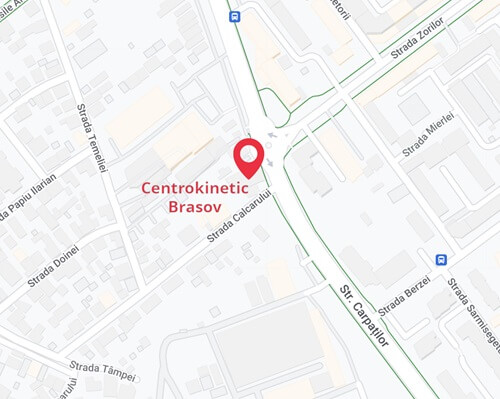
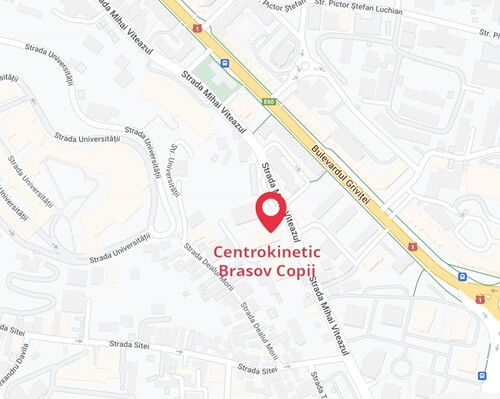
BRASOV TEAM






Asiguratori privati





Parteneriate



CENTROKINETIC FLOREASCA
Bucharest, 1st District,
Mircea Eliade Street, no. 18,
Eliade Tower, Entrance A, Floor 3
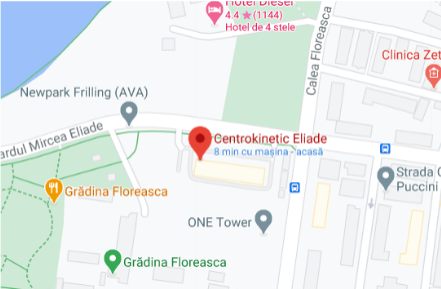
| Navigation | Explore 3D |
CENTROKINETIC Barbu Vacarescu
Bucharest, 2nd District,
Barbu Vacarescu Street, no. 102,
102 The Address, ground floor.
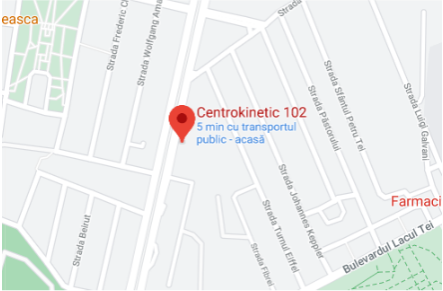
| Navigation | Explore 3D |
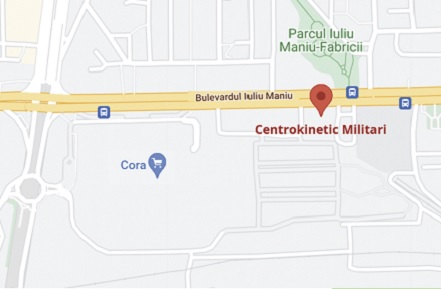
CENTROKINETIC MILITARI
Bucuresti, Sector 6,
Bld. Iuliu Maniu, nr. 15G,
Cladirea PBT, etaj 3.
| Navigation |
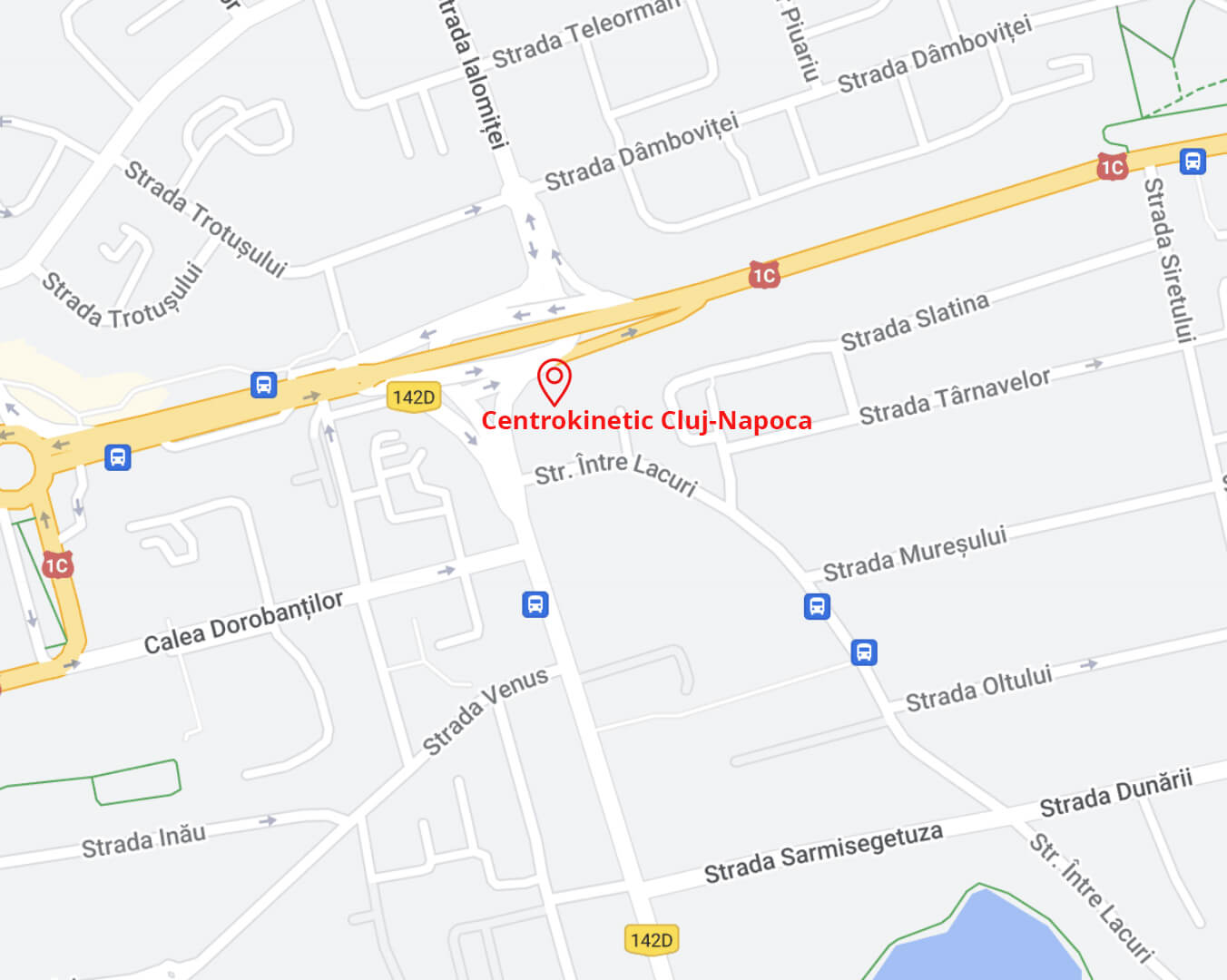
CENTROKINETIC CLUJ-NAPOCA
Cluj-Napoca,
Str. Intre Lacuri, nr.1
Intrarea este in spatele cladirii.
| Navigation |
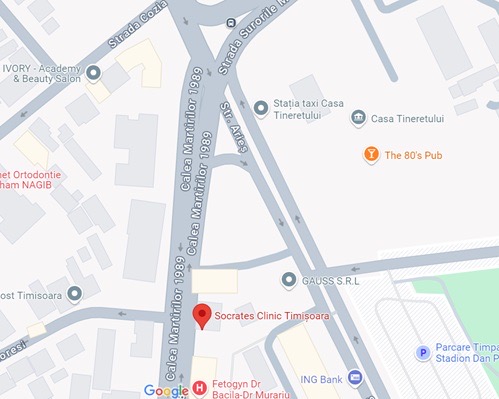
SOCRATES CLINIC TIMISOARA
Timisoara, Calea Martirilor 1989,
nr. 1.
Telefon: 0371 785 374.
| Navigation |
CONTACT
Phone: 0319693
E-mail: programari@centrokinetic.ro
Operating hours:
Monday – Friday: 07:00 – 21:00
Saturday: 09:00 – 14:00
Sunday: closed.
MAKE AN APPOINTMENT