FUNCTIONAL MAGNETIC ELECTROSTIMULATION


.jpg "patient benefiting from functional magnetic electrostimulation")
Back pain that persists for months on end or muscle weakness that appears after surgery can limit your daily activity. Whether you're an active adult, an amateur athlete, or in post-operative recovery, you need medical solutions that are clear, safe, and well-grounded in science.
Functional magnetic electrostimulation (FMS) is a modern method used in medical rehabilitation to reduce pain, stimulate deep musculature, and support the healing process. The therapy uses high-intensity pulsating magnetic fields to act deep within the tissue, without direct contact with the skin.
At Centrokinetic, this procedure is part of personalized rehabilitation programs, established after a complete medical evaluation. This way, you get an approach tailored to your diagnosis and long-term goals.
What is functional magnetic electrostimulation?
Functional magnetic electrostimulation uses a high-intensity pulsating magnetic field, which can reach up to 3 Tesla. This field induces electric currents in the deep tissues and triggers controlled muscle contractions.
Unlike classic electrostimulation, where electrodes are applied to the skin and act mainly at the surface, FMS penetrates up to 10-12 cm into the tissue. This way, the therapy can stimulate deep muscles, joint structures, and even bone tissue.
The treatment:
- does not require removing your clothes;
- does not involve attaching electrodes to the skin;
- does not cause pain;
- allows you to resume daily activities immediately.
The doctor may recommend a local applicator for the painful area (shoulder, knee, spine) or a chair-type applicator for the pelvic floor muscles.
How does the high-intensity magnetic field act?
Effects at the cellular level
The pulsating magnetic field produces rapid variations that generate electric currents inside the tissues. These currents stimulate cellular activity and increase the production of ATP, the molecule that supplies energy to cells.
Studies show that pulsed electromagnetic field therapies can stimulate the activity of osteoblasts and fibroblasts, cells involved in bone formation and collagen production. This mechanism supports fracture healing and soft tissue regeneration.
In practice, this means that a patient with an operated fracture or a ligament injury can benefit from faster consolidation, when the therapy is integrated into a complete medical rehabilitation plan.
Pain modulation
FMS influences the transmission of nerve impulses. By controlled stimulation of sensory fibers, the therapy can reduce the perception of pain, using the mechanism known as the "pain gate."
For patients with persistent low back pain or neck pain, this modulation can provide relief without increasing the use of anti-inflammatory drugs. For example, people who frequently deal with low back pain can integrate FMS into a comprehensive rehabilitation program, established after a clinical evaluation and appropriate imaging.
Deep muscle stimulation
The magnetic field produces rhythmic, intense, and controlled muscle contractions. These activate even muscle fibers that are hard to stimulate through regular exercise.
In the case of a patient immobilized after knee surgery, for example, FMS can prevent muscle atrophy and support the progressive resumption of active movements. For an athlete, the therapy can speed up the return to training after a muscle tear or a severe sprain.
The benefits of functional magnetic electrostimulation
Integrating FMS into a rehabilitation plan brings clear benefits, confirmed by the medical literature and clinical practice:
- reduction of acute and chronic pain;
- reduction of local edema;
- relaxation of muscle contractures;
- increased joint mobility;
- support for bone consolidation;
- improved control of the pelvic floor.
In most cases, patients notice improvement after the first sessions. For optimal results, doctors often recommend a complete protocol of 8-15 sessions, tailored to the condition and individual response.
FMS can be effectively combined with other procedures in the field of physiotherapy, as well as with specific electrotherapy techniques, to achieve a coherent and progressive therapeutic effect.
Common indications
Spinal conditions
Patients with chronic neck or low back pain frequently request this therapy. FMS can complement treatment for:
- herniated disc;
- cervical spondylosis;
- mechanical low back pain;
- paravertebral contracture.
If you are dealing with persistent neck pain or recurring episodes of low back blockage, a proper evaluation determines whether this procedure fits your situation.
Trauma and sports injuries
Amateur and performance athletes use FMS for:
- ankle sprains;
- ligament injuries;
- muscle tears;
- tendinitis.
The therapy supports tissue regeneration and reduces recovery time, without replacing physical therapy or controlled training.
Post-operative recovery
After orthopedic interventions, such as knee ligament reconstruction or fracture fixation, patients can integrate FMS to stimulate the musculature and support the healing process. Non-invasive physical therapies play an important role in recovery after orthopedic surgery, especially when applied early and in a personalized way. Adapting to the local context requires an orthopedic evaluation and continuous monitoring.
Pelvic floor dysfunctions
The chair-type applicator activates the pelvic floor musculature without voluntary effort. This approach helps patients with:
- stress urinary incontinence;
- post-partum pelvic weakness;
- chronic pelvic dysfunctions.
The effectiveness of non-invasive stimulation therapies in improving urinary incontinence symptoms has been proven, but the results depend on consistency and combination with specific exercises.
What does a session look like?
.jpg "e14c79fe76890e490707b745c119be9c40")
Everything starts with a specialist consultation. The orthopedic doctor or the rehabilitation specialist reviews your history, imaging investigations, and current functional level. A proper evaluation allows the indication and the right parameters to be established.
During the session:
- you sit comfortably on the treatment bed or the dedicated chair;
- the affected area is positioned near the applicator;
- the doctor or physiotherapist sets the intensity and frequency of the impulses.
The session lasts between 5 and 20 minutes. You feel rhythmic contractions and light vibrations, without pain. After the procedure, you can return to your usual activities. Sometimes a feeling of muscle fatigue appears, similar to the one after physical exercise. For optimal results, the team may also integrate other therapies, such as diamagnetic therapy, physical therapy exercises, and manual techniques.
Contraindications and precautions
FMS is not applied in the following situations:
- the presence of a pacemaker or other implantable cardiac devices;
- pregnancy;
- uncontrolled epilepsy;
- fever or acute infections;
- metal implants in the treated area (individual evaluation required).
Children in a growth period require careful evaluation. The doctor decides on the indication based on age and pathology.
Functional magnetic electrostimulation in integrated programs
At Centrokinetic, FMS is part of a multidisciplinary therapeutic strategy. The medical team collaborates to create a plan tailored to your needs, whether you are an athlete, a post-operative patient, or a parent looking for solutions for your child. A personalized approach means:
- clear recovery goals;
- periodic reassessments;
- adjustment of parameters based on progress;
- combining physical therapies with specific exercises.
A proper evaluation establishes the diagnosis and prevents unnecessary treatments. Act early and don't delay a consultation if pain persists or mobility decreases. Book an appointment now at Centrokinetic for a specialist consultation!
Frequently asked questions
Is functional magnetic electrostimulation painful?
No. The procedure produces controlled muscle contractions and a vibration sensation, but does not cause pain. The intensity is adjusted to your tolerance.
After how many sessions do results appear?
Many patients notice improvement after 3-5 sessions. For optimal results, doctors recommend completing the full protocol established during the evaluation.
Can I have the treatment if I have a metal prosthesis?
It depends on the location of the prosthesis. Metal implants in the treated area require individual evaluation. Pacemakers and other implantable cardiac devices contraindicate the therapy.
Disclaimer: This material is intended for informational purposes only and does not replace a medical consultation. Do not start treatment without a specialist's recommendation. Early intervention and regular monitoring increase the chances of an effective and safe recovery.
Centrokinetic is the place where you will find clear answers and effective solutions for musculoskeletal conditions. Our clinic, dedicated to musculoskeletal disorders, is organized into the following specialized departments:
- Orthopedics, a department composed of a highly experienced team of orthopedic surgeons specializing in sports traumatology.
- Pediatric Orthopedics, where sports injuries in children (ligament and meniscus injuries), spinal deformities (scoliosis, kyphosis, hyperlordosis), and foot deformities (hallux valgus, hallux rigidus, equinovarus foot, flatfoot, cavus foot) are treated.
- Neurology, featuring a state-of-the-art department where consultations, electroencephalograms (EEG), and electromyography (EMG) examinations are performed.
- Medical Rehabilitation for adults and children, a department specialized in the rehabilitation of professional athletes, spinal disorders, and children with neurological and traumatic conditions. Our extensive experience includes treating more than 5,000 professional athletes.
- Medical Imaging, with the clinic equipped with ultrasound and MRI systems dedicated to musculoskeletal conditions, complemented by an experienced radiologist, Dr. Cosmin Pantu, specialized in musculoskeletal imaging.
- Rheumatology, a comprehensive department dedicated to the diagnosis, treatment, and rehabilitation of patients with non-surgical musculoskeletal disorders.
- Vascular Surgery, a highly specialized department focused on the diagnosis and treatment of vascular diseases affecting arteries, veins, and lymphatic vessels.
- Psychology and Speech Therapy. Neurological and musculoskeletal conditions can have a psychological impact on patients, which is why we believe complete recovery requires addressing both the physical condition and its psychological consequences.
- Neurofeedback. This innovative method helps improve concentration, reduce anxiety, and achieve emotional balance through a simple and interactive process.
Stay up to date by following Centrokinetic on Facebook, Instagram, and YouTube.
Sources:
- "Evaluating Functional Magnetic Stimulation's Potential to Improve Expiratory Function in MS Patients." Cleveland Clinic, 17 Apr. 2015, https://consultqd.clevelandclinic.org/evaluating-functional-magnetic-stimulations-potential-to-improve-expiratory-function-in-ms-patients. Accessed Apr. 28, 2026.
- "Functional Magnetic Neuromuscular Stimulation vs. Routine Physiotherapy in the Critically Ill for Prevention of ICU Acquired Muscle Loss: A Randomised Controlled Trial" Nih.Gov, 2024, https://pmc.ncbi.nlm.nih.gov/articles/PMC11509331/. Accessed Apr. 28, 2026.
- Dudonienė, Vilma, et al. "Pelvic Floor Muscle Training versus Functional Magnetic Stimulation for Stress Urinary Incontinence in Women: A Randomized Controlled Trial." Journal of Clinical Medicine, vol. 12, no. 9, 2023, p. 3157, https://www.mdpi.com/2077-0383/12/9/3157, 10.3390/jcm12093157. Accessed Apr. 28, 2026.
MAKE AN APPOINTMENT
FOR AN EXAMINATION
See here how you can make an appointment and the location of our clinics.
MAKE AN APPOINTMENT
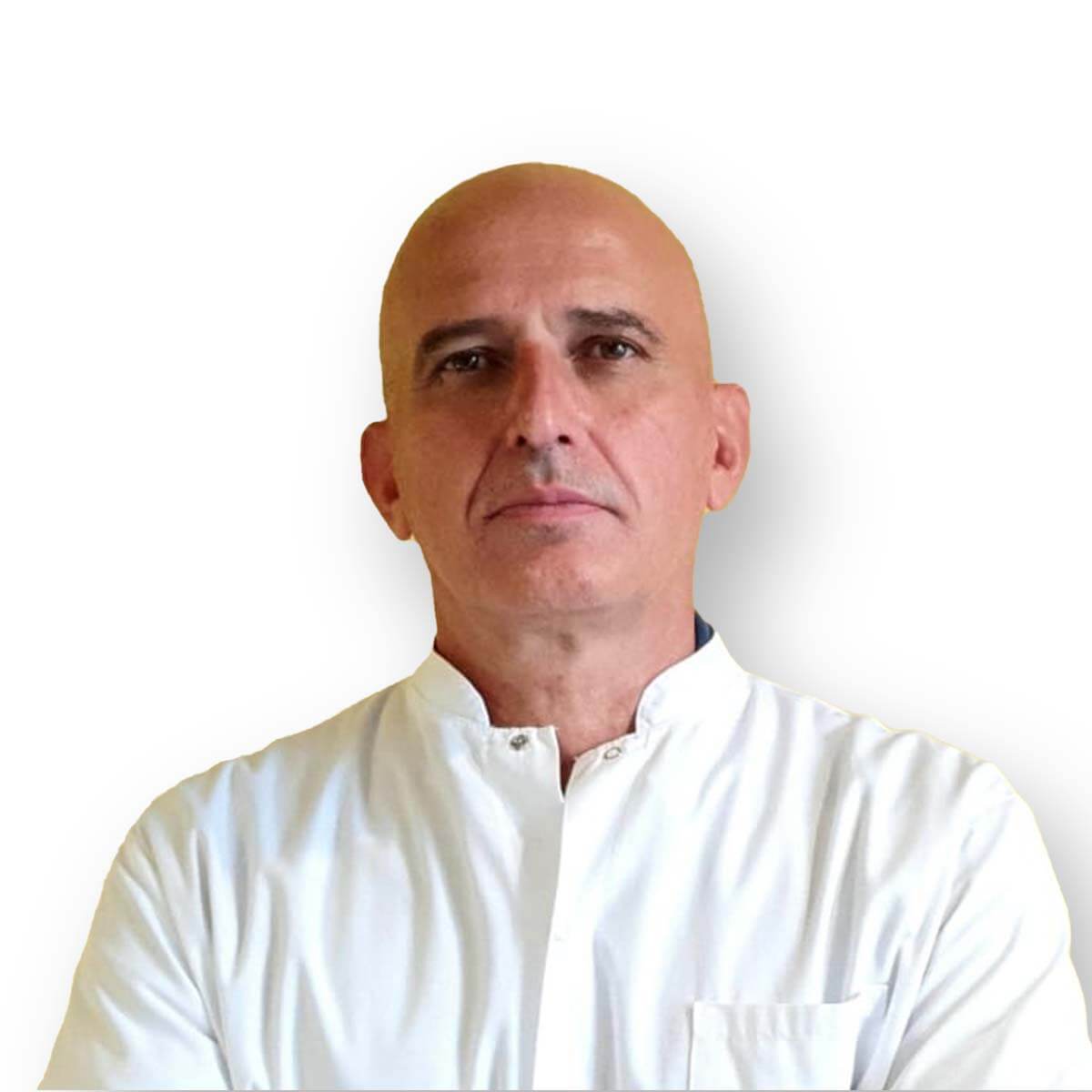
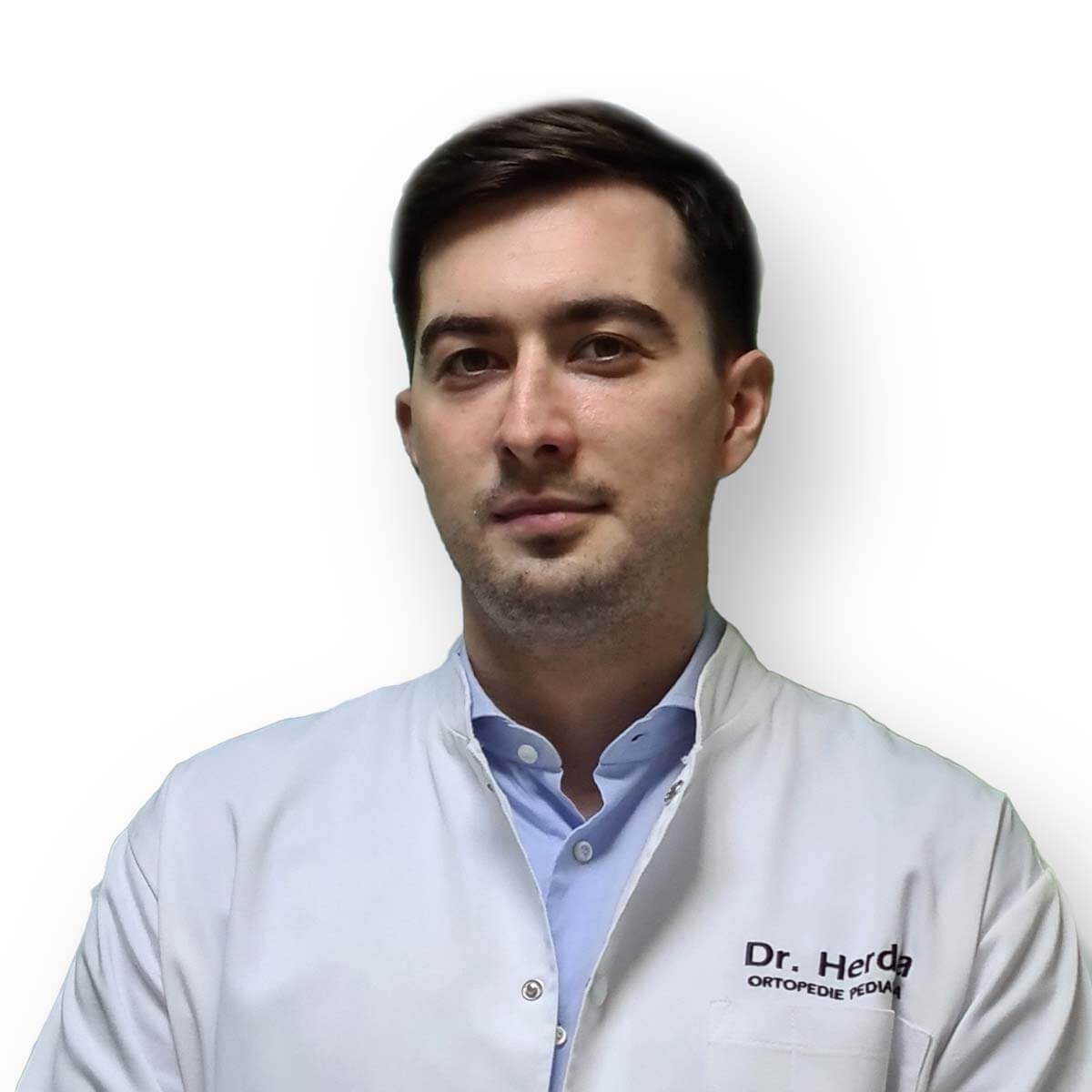
BUCHAREST TEAM





















CLUJ NAPOCA TEAM










BRASOV TEAM






Asiguratori privati





Parteneriate


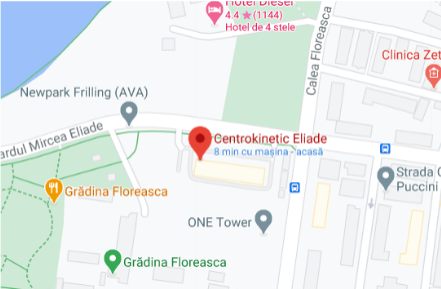
CENTROKINETIC FLOREASCA
Bucharest, 1st District,
Mircea Eliade Street, no. 18,
Eliade Tower, Entrance A, Floor 3
| Navigation | Explore 3D |
CENTROKINETIC Barbu Vacarescu
Bucharest, 2nd District,
Barbu Vacarescu Street, no. 102,
102 The Address, ground floor.
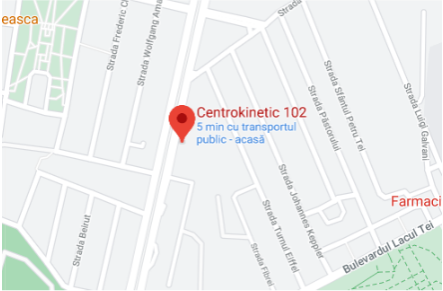
| Navigation | Explore 3D |
CENTROKINETIC MILITARI
Bucuresti, Sector 6,
Bld. Iuliu Maniu, nr. 15G,
Cladirea PBT, etaj 3.
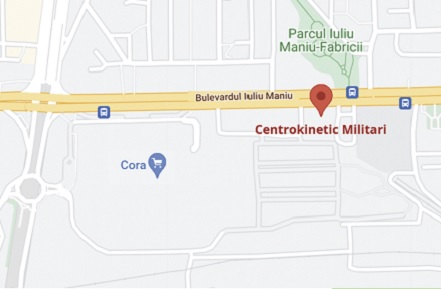
| Navigation |
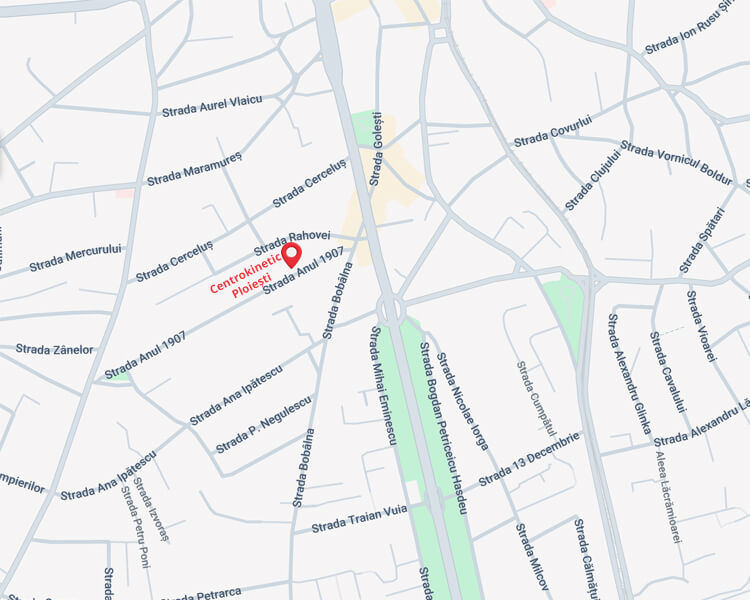
CENTROKINETIC CLUJ-NAPOCA
Cluj-Napoca,
Str. Intre Lacuri, nr.1
Intrarea este in spatele cladirii.
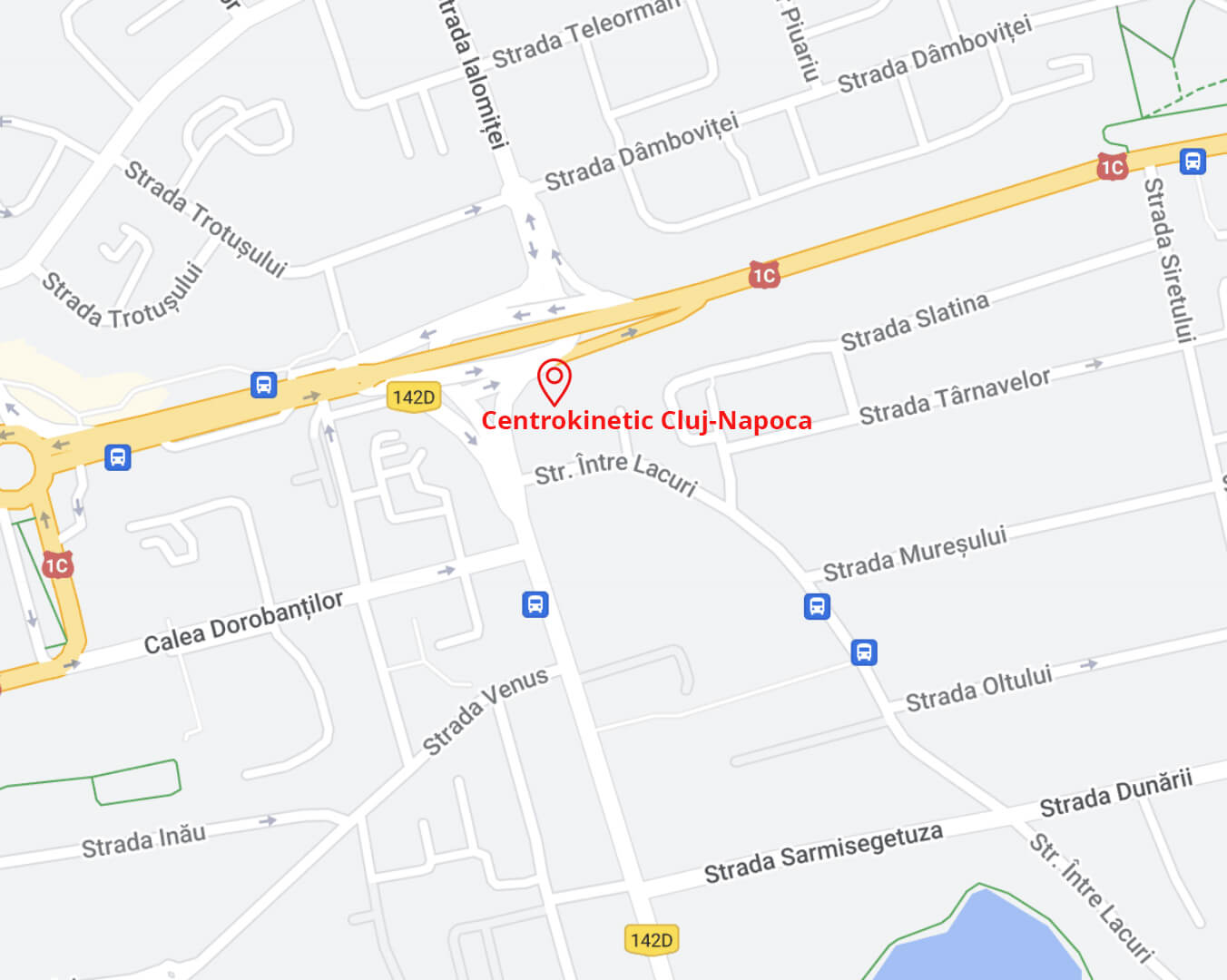
| Navigation |
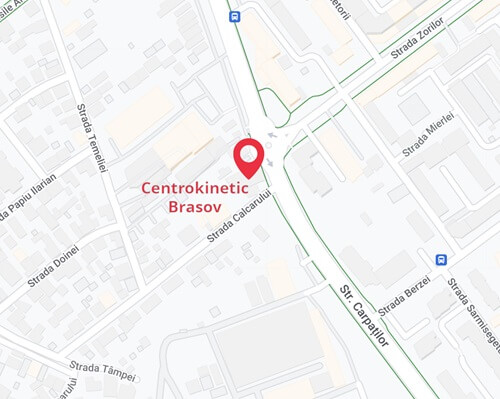
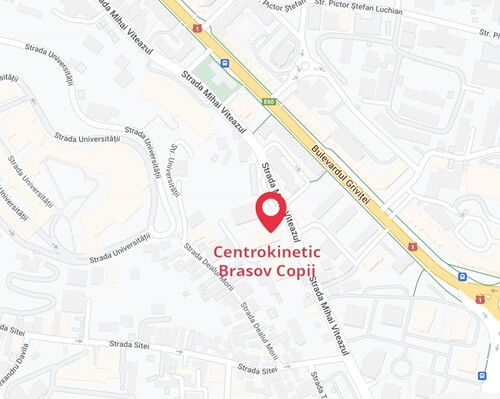
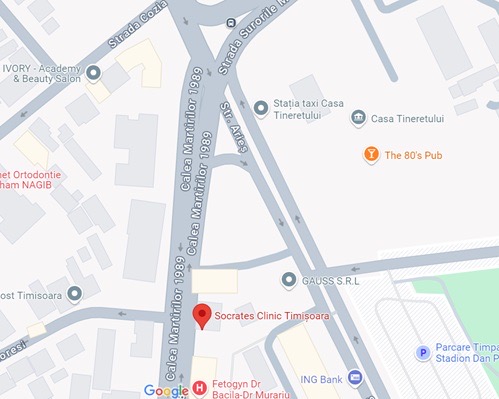
SOCRATES CLINIC TIMISOARA
Timisoara, Calea Martirilor 1989,
nr. 1.
Telefon: 0371 785 374.
| Navigation |
CONTACT
Phone: 0319693
E-mail: programari@centrokinetic.ro
Operating hours:
Monday – Friday: 07:00 – 21:00
Saturday: 09:00 – 14:00
Sunday: closed.
MAKE AN APPOINTMENT