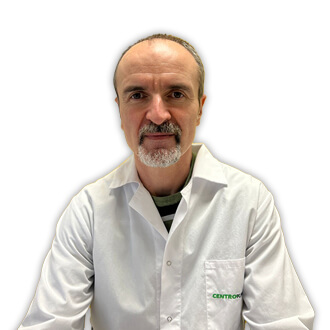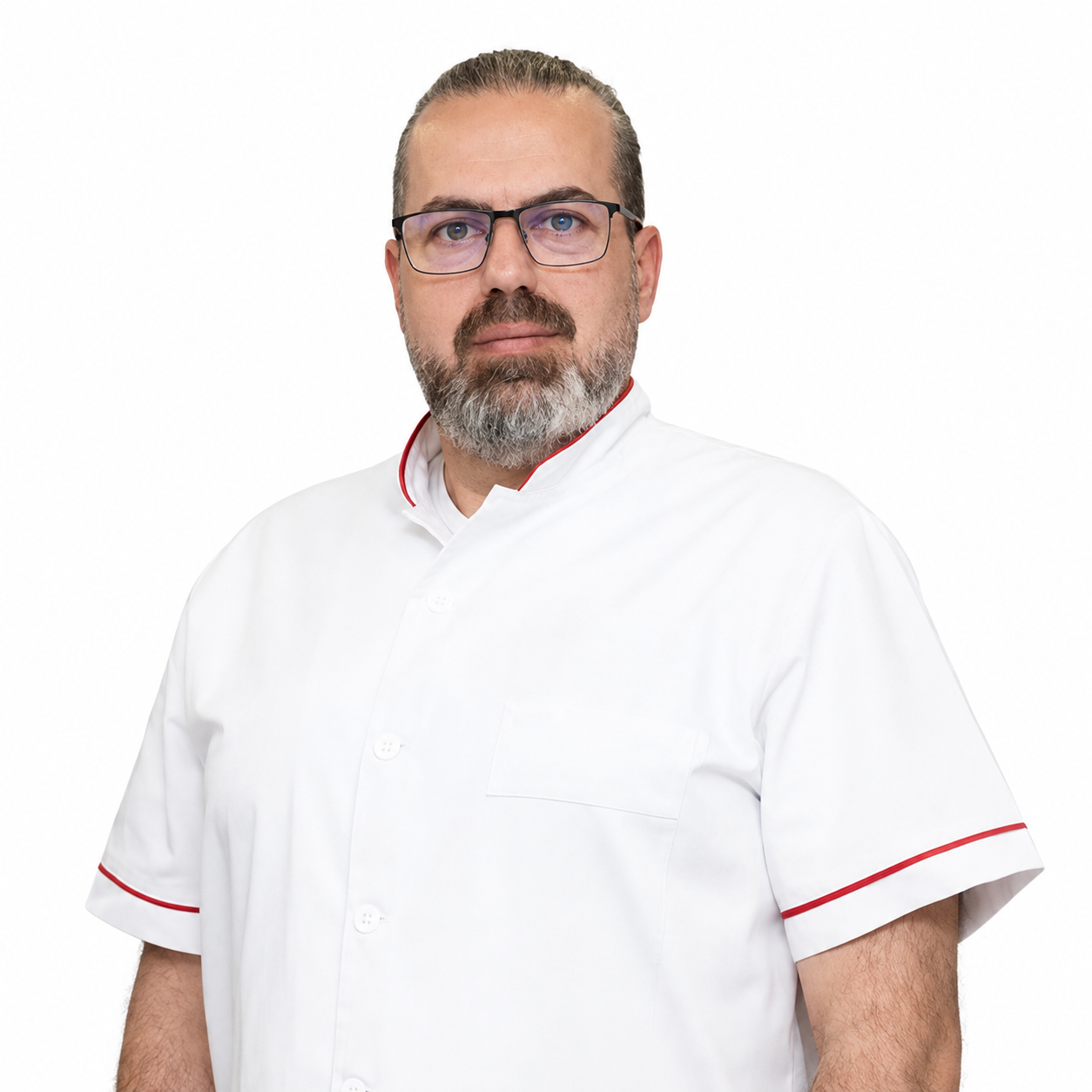


 MEDICI SI PRACTICIENI DE RENUME
 TEHNICA MEDICALA ULTRAMODERNA
 AMENAJARE SI AMPLASARE PREMIUM
 See details
READ MORE

Ankle recovery is necessary when an injury, a fracture, surgery, or a period of immobilization affects the joint's mobility, strength, and stability. A well-structured protocol organizes the exercises in stages and sets clear criteria for progressively increasing effort.
The program is not the same for every patient. A mild sprain may allow early mobilization, while recovery from a fractured ankle or recovery after ankle surgery must respect the limits set by the doctor. The goal is to return to walking, daily activities, and sport without rushing the healing of the affected structures.
.jpg "e1859b0df04875824b09136ee85bb4dcf3")
The recovery protocol is a medical and functional plan that sets out the goals to pursue at each stage. It can include controlling pain and swelling, recovering mobility, strength exercises, gait re-education, balance training, and preparation for sports activities.
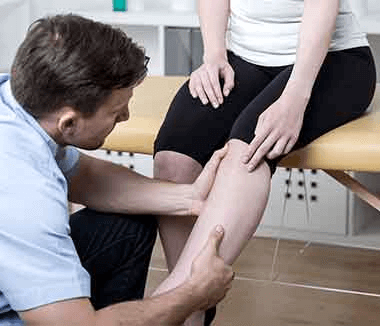
Before establishing the program, the specialist evaluates the diagnosis, the investigations, the level of pain, mobility, muscle strength, and weight-bearing capacity. For conditions that require ankle and foot rehabilitation, exercises are selected based on the affected tissue and the healing stage.
The stages below are for guidance only. The duration of each phase varies depending on the diagnosis and the treatment followed.
In the first few days, the goals are protecting the affected area, controlling symptoms, and maintaining the function of the segments that can be safely mobilized.
The plan can include:
Not all injuries allow immediate weight-bearing. After a fracture or surgery, the doctor determines when and how much you can load the limb.
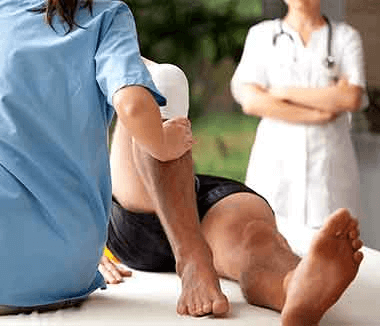
Once the doctor allows mobilization, the program aims for the progressive recovery of dorsiflexion, plantar flexion, inversion, and eversion. Within physical therapy programs, the specialist may use active mobilizations, assisted exercises, and controlled stretching.
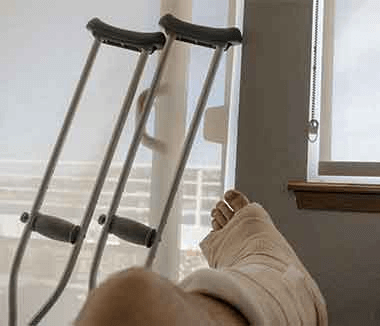
Ankle recovery after a cast requires attention, since the joint can be stiff and the calf muscles can be weakened. Exercises should not be forced in order to quickly achieve full range of motion.
Massage for ankle recovery can be used selectively after wounds have healed and when there are no contraindications, especially for soft tissue mobility and swelling management. Massage complements active exercises, but does not replace them.
As weight-bearing becomes safe, exercises for the calf and foot muscles are introduced.
Exercises for ankle recovery can include:
After fractures, the timing of increased weight-bearing must be correlated with bone healing. The Centrokinetic page dedicated to recovery after an ankle fracture presents the specific stages of such a protocol.
.jpg "e1309d0be48b107f05ad6c57c2d54db204")
Proprioception is the body's ability to sense the joint's position and react quickly to changes in support. This function can be affected after sprains and periods of immobilization.
The program can progress from:
Balance training is important for reducing the risk of repeated sprains and for regaining confidence in the joint.
Normal walking is one of the main goals. The specialist monitors step length, weight-bearing on the affected limb, and any compensations at the knee or hip.
After recovery from a fractured ankle, the patient may tend to avoid weight-bearing even after the doctor allows it. An orthopedics and traumatology evaluation allows structural healing to be correlated with functional progress.
| Stage | Goal | Examples |
|---|---|---|
| Initial phase | Symptom control | protection, positioning, permitted movements |
| Mobilization | Increasing range of motion | active mobilizations, stretching |
| Strength | Stabilizing the joint | resistance bands, heel raises |
| Proprioception | Restoring control | single-leg support, balance exercises |
| Function | Normalizing gait | walking, stairs, daily activities |
| Sport | Adapting to effort | running, jumping, changes of direction |
The absence of pain is not enough to resume sport. The patient must demonstrate mobility, strength, balance, and control close to the level required by the activity they practice. Testing can include running, jumping, landings, changes of direction, and exercises specific to the sport.
After surgery, the stages must be adapted to the procedure performed. For certain conditions, there are different ankle and foot surgery techniques, and each involves its own restrictions and healing timelines.
The duration of a recovery program depends on several factors:
Ankle recovery after surgery can take longer than recovery from a mild sprain, because the healing of the repaired tissues must be respected.
Smoking, uncontrolled diabetes, and certain circulatory conditions can influence healing. That is why the plan must be established after evaluating the entire medical context, not just the diagnosis at the ankle level.
One of the most common mistakes is stopping the exercises as soon as the pain decreases. The absence of pain does not automatically mean the full recovery of strength and proprioception.
Other mistakes include:
After a fracture or surgery, the progression of exercises must be correlated with the doctor's evaluations.
A structured protocol allows goals to be set and progress to be evaluated in a repeatable way.
Recovery may require collaboration between the orthopedic doctor, the rehabilitation doctor, the physical therapist, and the imaging specialist. This approach is useful especially after fractures, complex ligament injuries, or surgery.
Functional evaluation can include measuring mobility, strength, balance, and gait. This data establishes the starting point and allows objective comparison of progress.
The program is tailored to the patient's goals. An athlete who needs to return to quick changes of direction has different needs from someone who just wants to walk without pain. The exercises change as control and tolerance to effort increase.
The specialist may reassess:
If progress is not as expected, the protocol can be adjusted or a medical reassessment may be recommended.
If you're recovering from a sprain, a fracture, a cast, or surgery, the initial evaluation helps establish the right exercises and level of weight-bearing. Schedule a consultation at Centrokinetic for an ankle evaluation and a recovery plan tailored to your needs.
The duration varies from a few weeks for some mild injuries to several months after fractures, major ligament tears, or surgery.
Exercises for ankle recovery after a cast are started after the doctor's approval. The timing depends on the type of fracture, bone healing, and the period of immobilization.
It can be used at certain stages for soft tissue, scars, or swelling, if the wounds have healed and there are no contraindications. It does not replace active physical therapy.
Return happens after sufficient recovery of mobility, strength, balance, and movement control, not just after the pain disappears.
Yes, after they have been selected and explained by the specialist. Exercises that aren't suited to the healing stage can overload the joint.
Disclaimer: This material is intended for informational purposes only and does not replace a specialist medical consultation. The timing for starting recovery, the level of weight-bearing, the exercises, and the return to sports activities must be established individually by the doctor and the physical therapist, based on the diagnosis, the treatment followed, and the patient's progress.
See details
READ MORESee details
READ MORESee details
READ MORESee here how you can make an appointment and the location of our clinics.







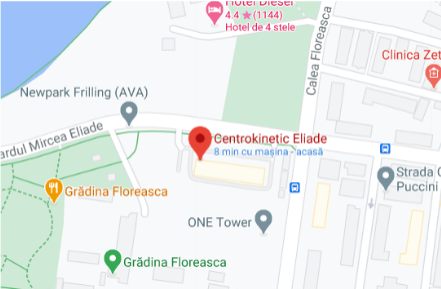
CENTROKINETIC FLOREASCA
Bucharest, 1st District,
Mircea Eliade Street, no. 18,
Eliade Tower, Entrance A, Floor 3
| Navigation | Explore 3D |
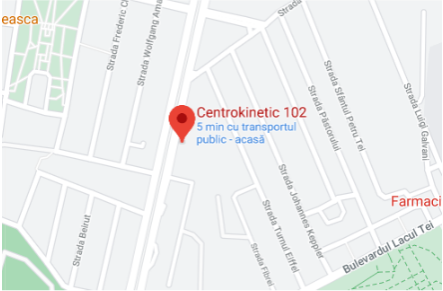
CENTROKINETIC Barbu Vacarescu
Bucharest, 2nd District,
Barbu Vacarescu Street, no. 102,
102 The Address, ground floor.
| Navigation | Explore 3D |
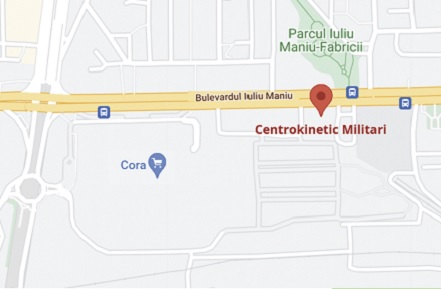
CENTROKINETIC MILITARI
Bucuresti, Sector 6,
Bld. Iuliu Maniu, nr. 15G,
Cladirea PBT, etaj 3.
| Navigation |
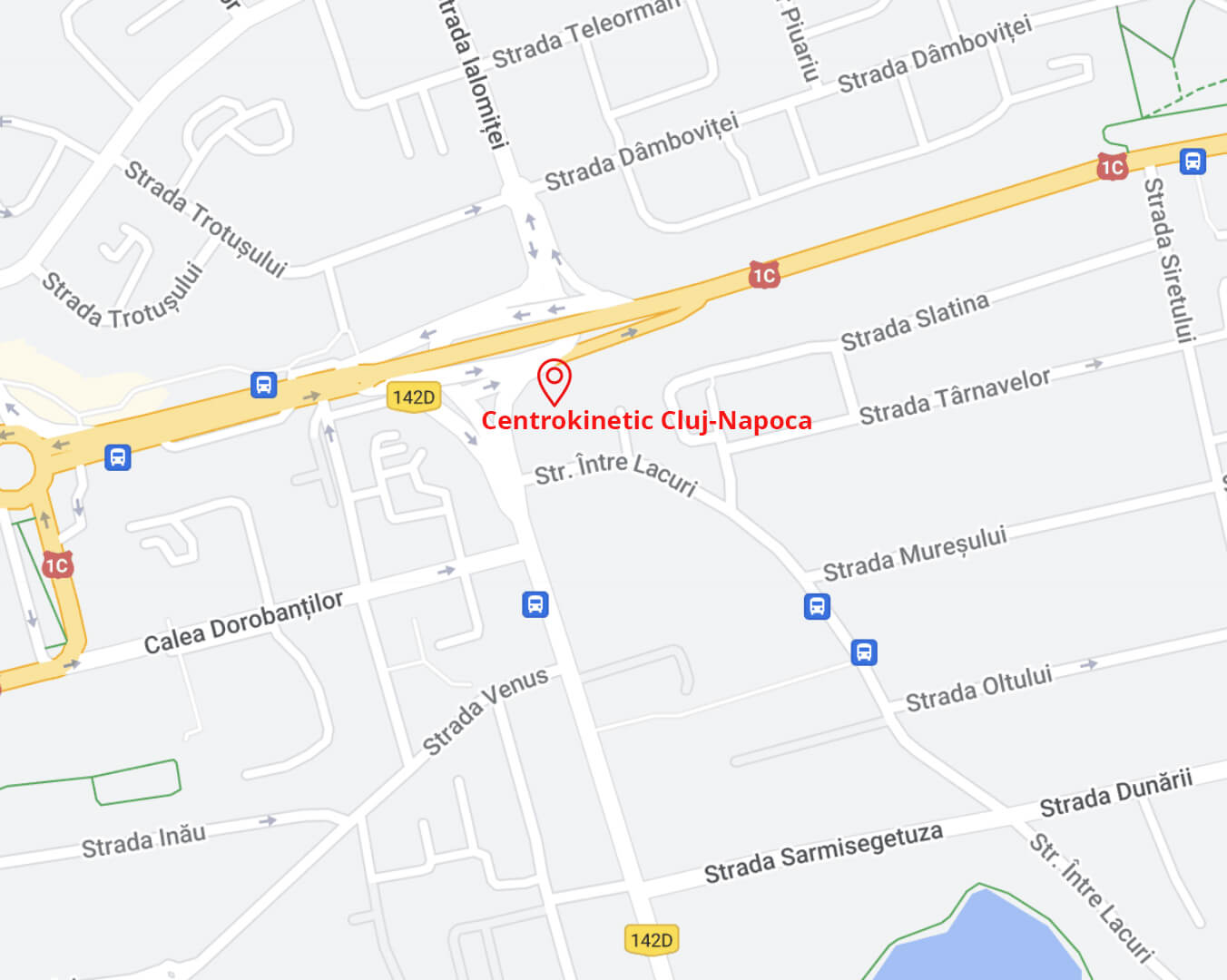
CENTROKINETIC CLUJ-NAPOCA
Cluj-Napoca,
Str. Intre Lacuri, nr.1
Intrarea este in spatele cladirii.
| Navigation |
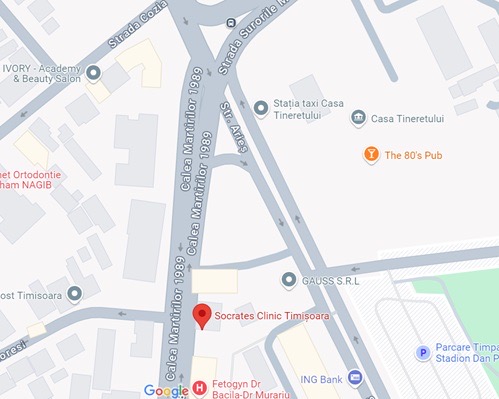
SOCRATES CLINIC TIMISOARA
Timisoara, Calea Martirilor 1989,
nr. 1.
Telefon: 0371 785 374.
| Navigation |
Phone: 0319693
E-mail: programari@centrokinetic.ro
Operating hours:
Monday – Friday: 07:00 – 21:00
Saturday: 09:00 – 14:00
Sunday: closed.
MAKE AN APPOINTMENT