HUMAC NORM DEVICE


The HUMAC NORM Isokinetic Device
.jpg)
What is the HUMAC NORM Isokinetic Device?
At Centrokinetic, we offer you the best solution for measuring and improving your physical performance with the HUMAC NORM device. Whether we call it an isokinetic device or a system for extremities, this state-of-the-art equipment will provide you with 22 motion patterns for isolated joints, 4 resistance modes (isokinetic, isotonic, isometric, and passive), and numerous reports to meet your measurement and exercise needs.
HUMAC NORM comes with attachments to perform 22 isolated motion patterns, covering the shoulder, elbow, wrist, hip, knee, ankle, and back. Optional accessories allow trunk extension/flexion, work simulation, and closed kinetic chain patterns. Regardless of the stage you are in the recovery process, the diverse applications of the HUMAC NORM device will integrate perfectly into your treatment plan.
Exercise Modes of the HUMAC NORM Device
- Continuous Passive Motion (CPM)
Continuous passive motion (CPM) involves moving a joint without any effort from the patient. This mode is ideal for patients in the early stages of recovery after surgery, helping to maintain joint mobility and prevent stiffness. For example, after knee surgery, the knee is gently moved by the device to stimulate healing.
- Multi-Angle Isometrics
Multi-angle isometrics involve maintaining a muscle contraction without moving the joint, but at different angles. This type of exercise helps to strengthen specific muscles in various positions. For example, maintaining a quadriceps contraction at different knee flexion angles.
- Proprioception Training
Proprioception training improves the body's ability to perceive joint position and maintain balance. It is essential for injury prevention and rehabilitation. For example, the patient stands on one leg on an unstable platform, and the device helps develop the sense of balance.
- Standard & Eccentric-focused Isokinetic Strengthening
Standard isokinetic training involves muscle contractions at a constant speed, while eccentric training focuses on lengthening the muscle while it contracts. These methods are excellent for increasing strength and muscle mass. For example, quadriceps strengthening exercises through controlled knee extension and flexion.
- Deceleration Training
Deceleration training helps prepare muscles to control rapid movements and prevent injuries. It is essential for athletes. For example, an exercise of sudden stopping from running, where the device helps absorb impact and control movement.
- Dynamic Isotonic Training
Dynamic isotonic training involves moving muscles against a constant resistance throughout the entire range of motion. This type of exercise improves both strength and muscle endurance. For example, lifting and lowering a weight through a full arm movement.
- Power Training
Power training focuses on developing rapid force and muscle contraction speed. It is crucial for athletic performance. For example, explosive jumps onto a box, where the device measures and adjusts resistance to maximize muscle power.
Testing Modes of the HUMAC NORM Device
- Proprioceptive Testing
Proprioceptive testing evaluates the body's ability to sense joint position and movement in space without looking at them. This is essential for balance and coordination. For example, the patient stands on one leg on an unstable surface, and the device measures the body's reactions and adaptations to maintain balance.
- Isometric Testing
Isometric testing measures the force generated by a muscle without moving the joint. This is useful for evaluating muscle strength in static conditions. For example, the patient applies maximum pressure against a fixed obstacle, and the device measures the force produced.
- Standard Isokinetic Testing
Standard isokinetic testing measures muscle strength at a constant speed throughout the movement. This test is ideal for evaluating muscle performance and balance between different muscle groups. For example, the device measures the force generated by the quadriceps and hamstrings during knee extension and flexion at a constant speed.
- Concentric/Eccentric Isokinetic Testing
Concentric/eccentric isokinetic testing evaluates the force produced during concentric (muscle shortening) and eccentric (muscle lengthening) contractions. This test is important for identifying muscle imbalances and injury risks. For example, the device measures the force generated by the quadriceps during knee extension (concentric) and controlled lengthening (eccentric).
- Interrupted Stroke Isokinetic Testing
Interrupted stroke isokinetic testing measures muscle performance during repeated movements with breaks in between. This test is useful for evaluating muscle endurance and recovery between contractions. For example, the patient performs knee extensions at a constant speed, with short breaks between each repetition, and the device measures force and muscle fatigue.
What Makes HUMAC NORM Better Than Other Similar Devices?
The isokinetic dynamometer of the HUMAC NORM device is superior due to its unique features:
- Quick Setup Time: Quickly adjust the mechanical stops of the range of motion (AMROM) on the dynamometer. No need to change attachments when testing the other side of the body.
- Maximum Comfort: Perfectly position patients flat on our highly adjustable chair, which is 44% larger than the competition. Comfortable patients will choose to return to you.
At Centrokinetic, we pride ourselves on offering the most advanced technologies for your recovery. HUMAC NORM is the ideal partner to achieve your rehabilitation and sports performance goals. Come to us and experience the benefits of this revolutionary
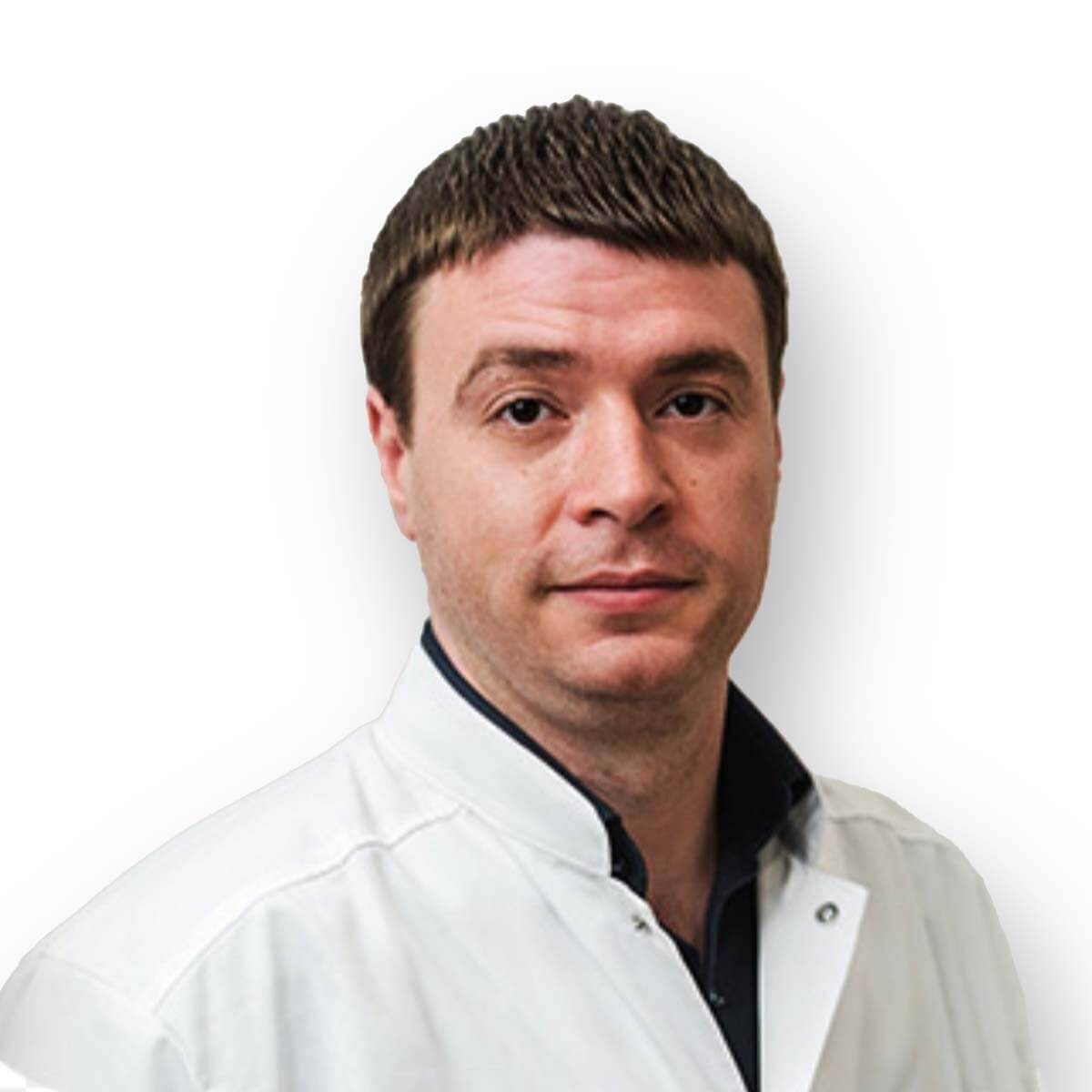
BUCHAREST TEAM




















































CLUJ NAPOCA TEAM






















BRASOV TEAM














MAKE AN APPOINTMENT
FOR AN EXAMINATION
See here how you can make an appointment and the location of our clinics.
MAKE AN APPOINTMENT
Asiguratori privati





Parteneriate


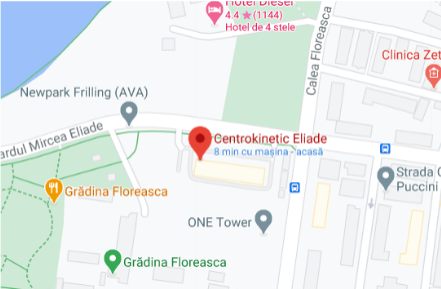
CENTROKINETIC FLOREASCA
Bucharest, 1st District,
Mircea Eliade Street, no. 18,
Eliade Tower, Entrance A, Floor 3
| Navigation | Explore 3D |
CENTROKINETIC Barbu Vacarescu
Bucharest, 2nd District,
Barbu Vacarescu Street, no. 102,
102 The Address, ground floor.
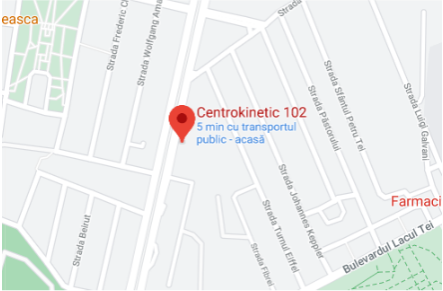
| Navigation | Explore 3D |
CENTROKINETIC MILITARI
Bucuresti, Sector 6,
Bld. Iuliu Maniu, nr. 15G,
Cladirea PBT, etaj 3.
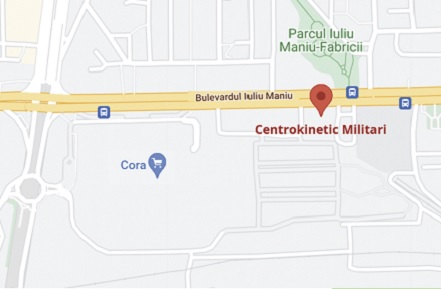
| Navigation |
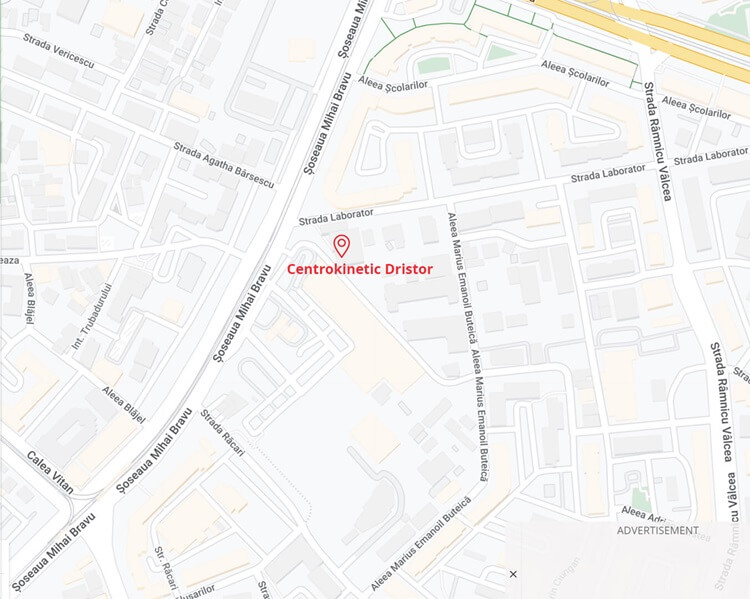
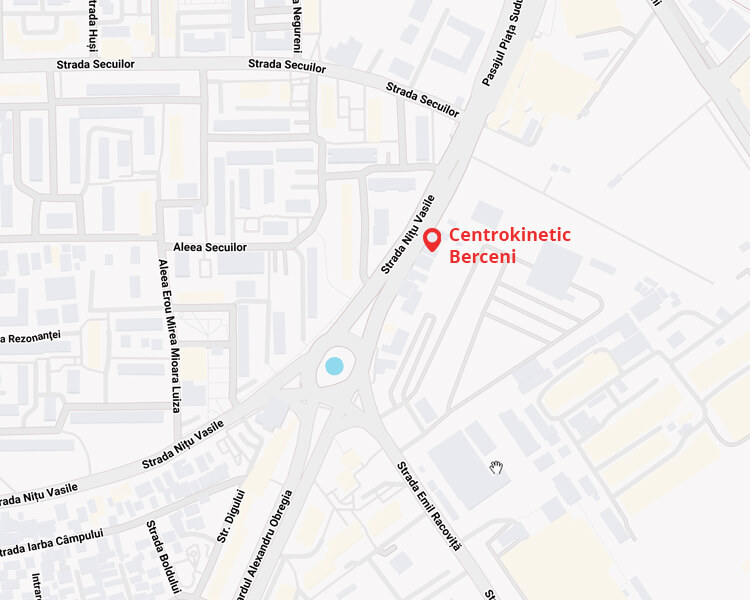
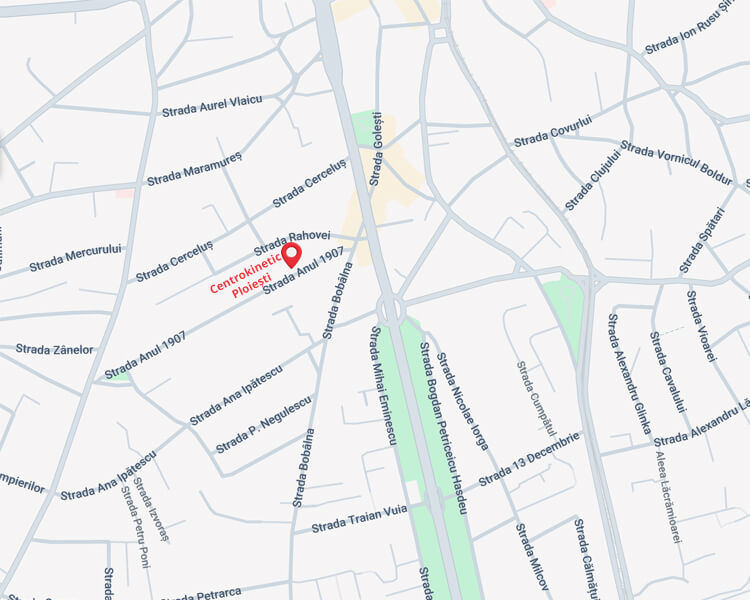
CENTROKINETIC CLUJ-NAPOCA
Cluj-Napoca,
Str. Intre Lacuri, nr.1
Intrarea este in spatele cladirii.
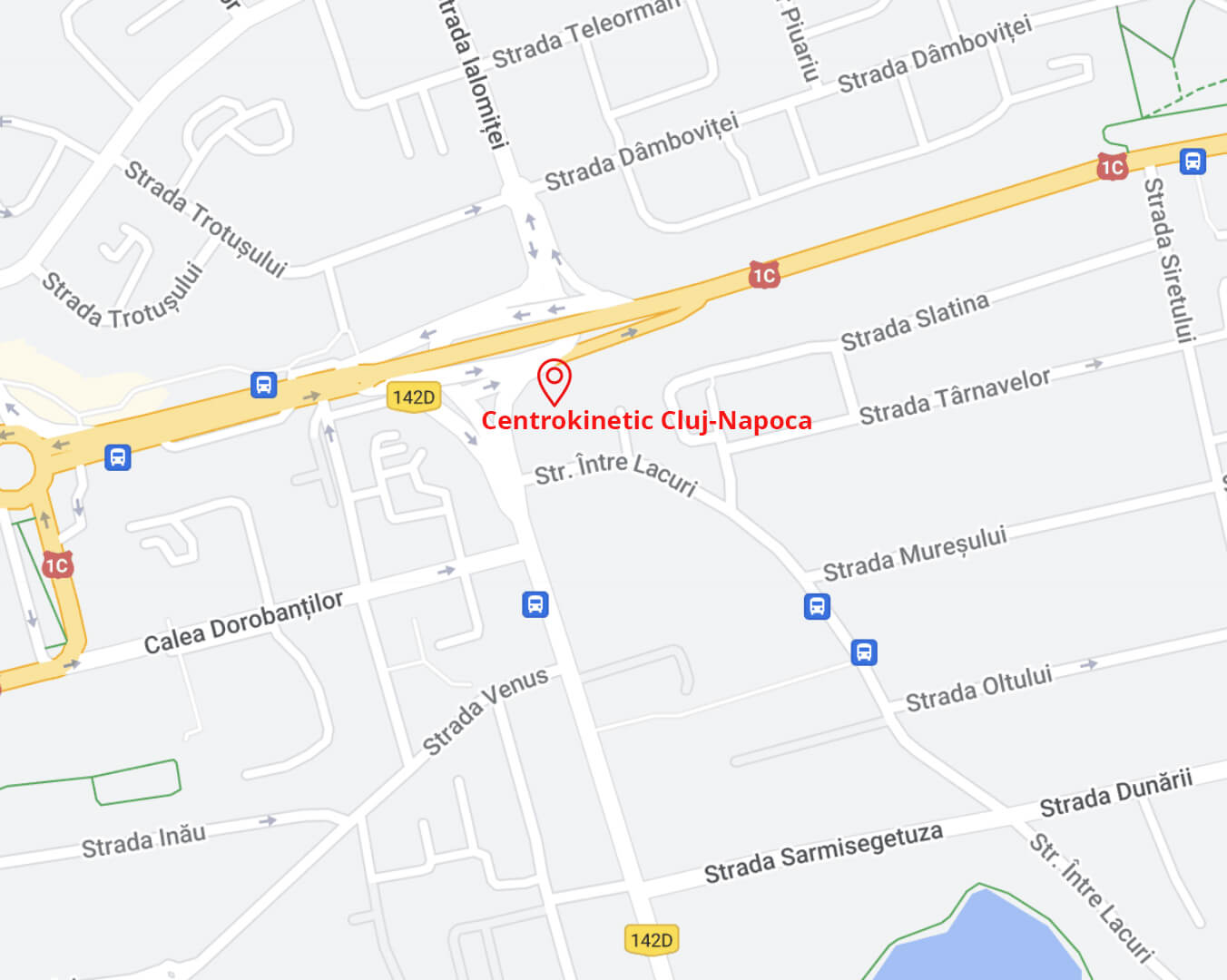
| Navigation |
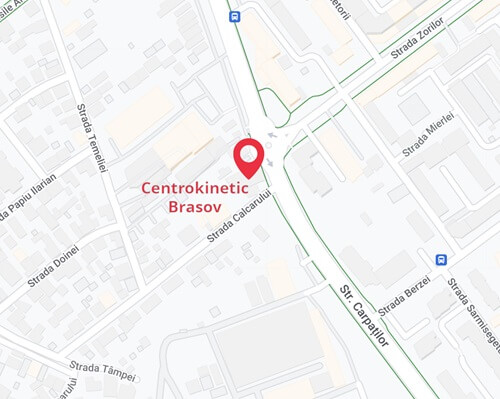
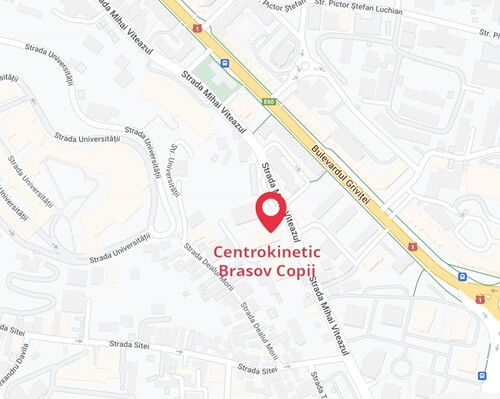
SOCRATES CLINIC TIMISOARA
Timisoara, Calea Martirilor 1989,
nr. 1.
Telefon: 0371 785 374.
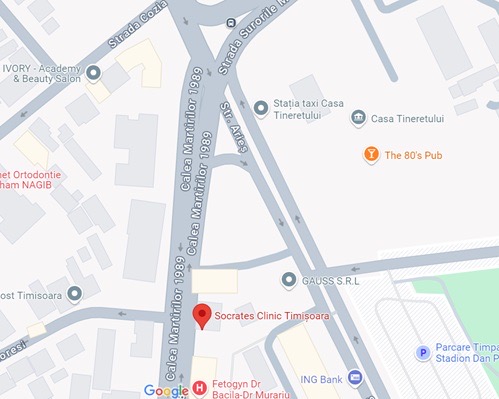
| Navigation |
CONTACT
Phone: 0319693
E-mail: programari@centrokinetic.ro
Operating hours:
Monday – Friday: 07:00 – 21:00
Saturday: 09:00 – 14:00
Sunday: closed.
MAKE AN APPOINTMENT