
See details
READ MORE

.jpg)
Urinary incontinence involves the involuntary loss of urine that can occur as a result of exertion - exercise, climbing steps, lifting weights, sexual activity, or even at rest. Sneezing, coughing and even laughter can also trigger accidental urine leakage. Urinary incontinence is not a disease in itself, but a symptom of bladder dysfunction. According to statistics, worldwide, there are over 200 million cases of incontinence of various types, women being five times more affected.
Urinary incontinence occurs due to decreased tone of the pelvic muscles that support the bladder and the sphincter muscle that controls the urinary flow. Although associated with aging, urinary incontinence can occur at any age. The data show that the most affected are women who gave birth naturally. Pregnancy and childbirth weaken the pelvic floor muscles and affect the nerves of the pelvic area. Thus, urine loss can be triggered immediately after birth or, most often, many years later, in the postmenopausal period.
Other risk factors are:
Another possible cause is overweight, but also chronic respiratory diseases (frequent cough from bronchitis, for example, promotes involuntary urination).
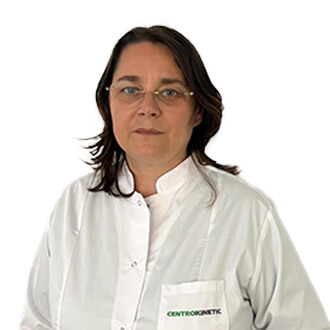
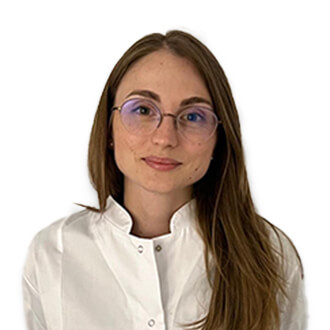
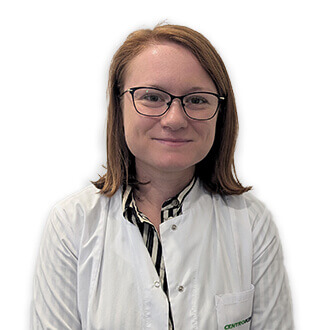
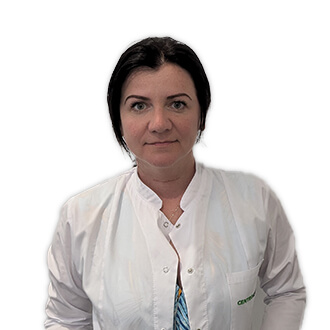
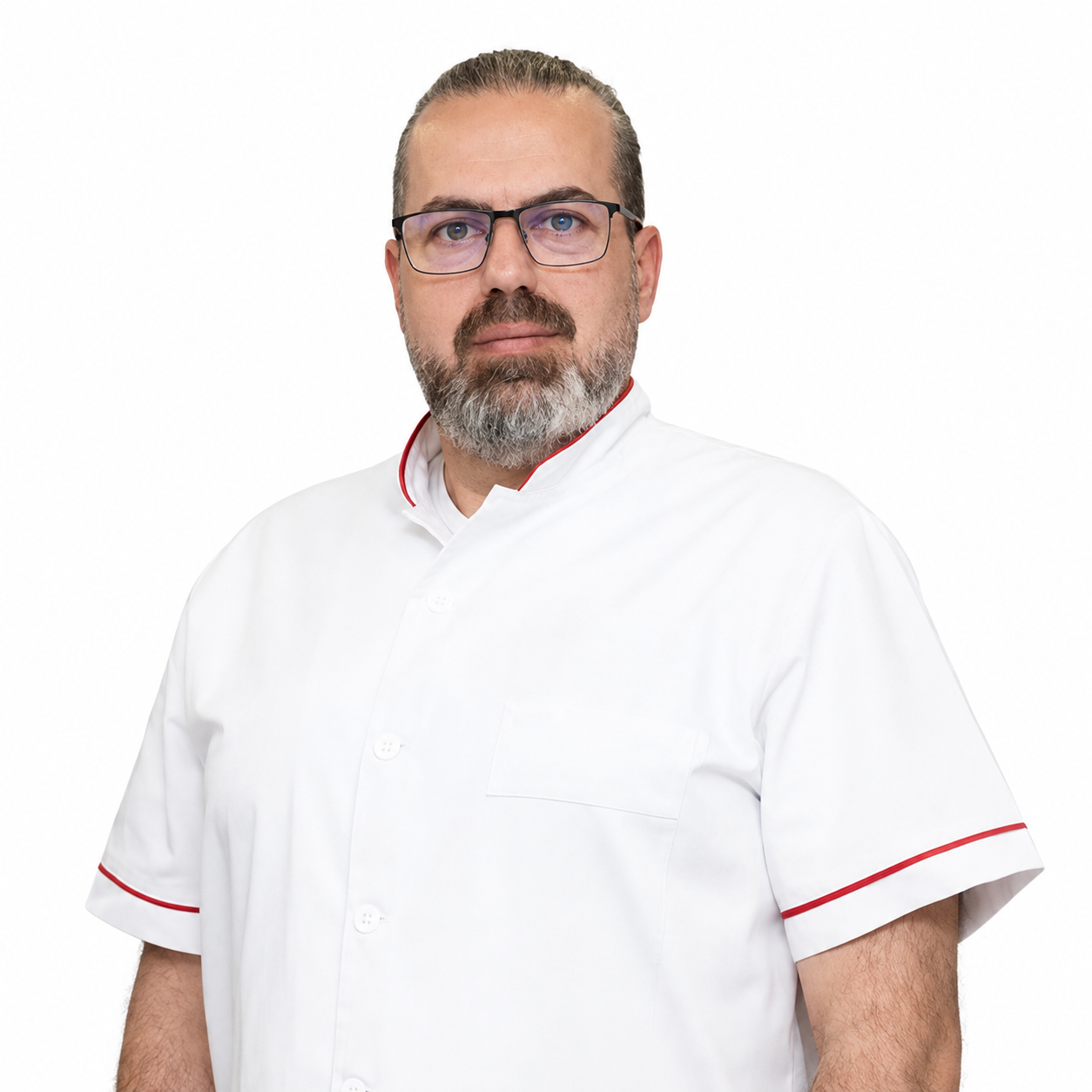
Centrokinetic has a department specialized in the treatment of urinary incontinence, each patient being consulted by a recovery doctor.
The treatment consists of toning the pelvic mesh muscles with the help of the most advanced recovery device in the world: the FMS REMED chair.
.jpg) | 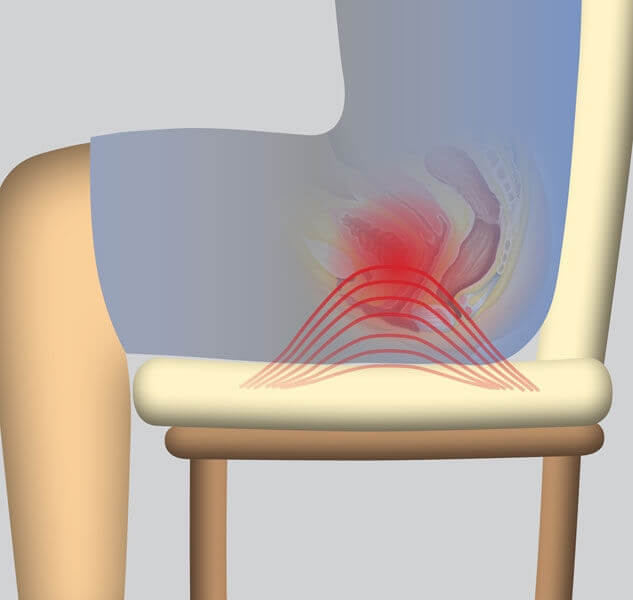 |
The therapy consists of 30-minute sessions, in which the patient is seated on a chair, which generates 30,000 pelvic muscle contractions. The average duration of treatment is 16-20 sessions, 20 minutes each, and the frequency is 2-3 sessions per week.
FMS therapy with the REMED (functional muscle stimulation) stool is a much faster alternative to training the pelvic muscles to improve the urethral sphincter function. There are also Kegel exercises that can be performed in the physical therapy room, recommended by the gynecologist Arnold Kegel since the 40s of women with urinary incontinence after birth, they can be performed by both women and men.
These involve abstaining from urination for 10 seconds, then relaxing for another 10 seconds, in rounds of 5-10 daily contractions. According to studies, performing these exercises frequently gives significant results in about 6-8 weeks. REMED muscle stimulation therapy is a much more effective, simple, and fast method to solve the problem of urinary incontinence.
Also, FMS therapy is efficient in:
.jpg) | .jpg) |
At Centrokinetic, the best doctors and therapists are at your disposal for any joint or musculoskeletal condition, from initial consultation and complete investigations in the clinic to treatment and medical recovery in spinal, traumatic, or post-surgical conditions.
Centrokinetic is the place where you will find clear answers and solutions for your motricity problems. The clinic is dedicated to osteoarticular diseases and is divided into the following specialized departments:
Find the latest news by following the Facebook and YouTube accounts of the Centrokinetic clinic.
See details
READ MORESee details
READ MORESee details
READ MORESee here how you can make an appointment and the location of our clinics.








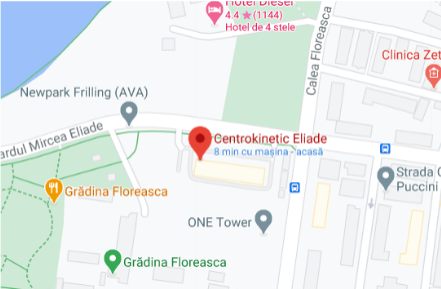
CENTROKINETIC FLOREASCA
Bucharest, 1st District,
Mircea Eliade Street, no. 18,
Eliade Tower, Entrance A, Floor 3
| Navigation | Explore 3D |
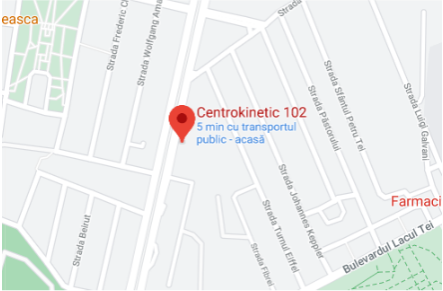
CENTROKINETIC Barbu Vacarescu
Bucharest, 2nd District,
Barbu Vacarescu Street, no. 102,
102 The Address, ground floor.
| Navigation | Explore 3D |
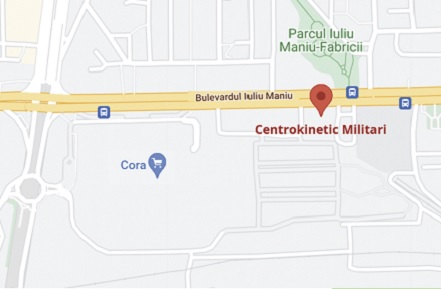
CENTROKINETIC MILITARI
Bucuresti, Sector 6,
Bld. Iuliu Maniu, nr. 15G,
Cladirea PBT, etaj 3.
| Navigation |
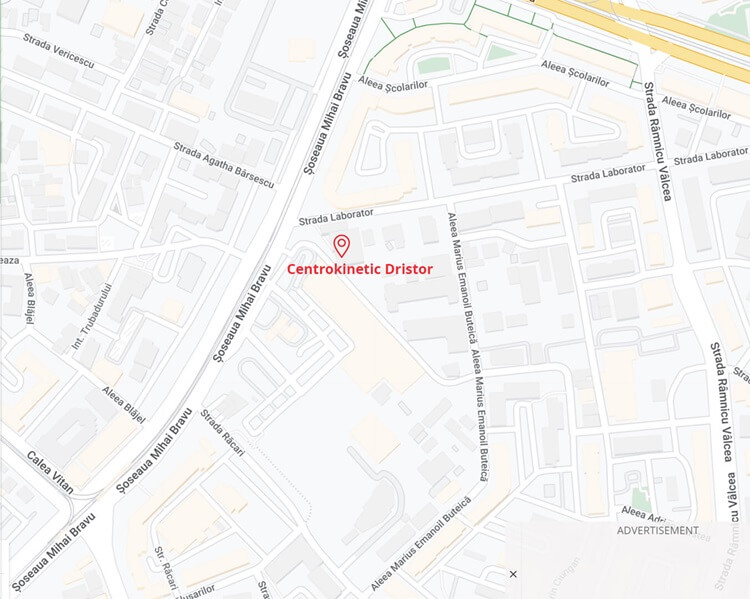
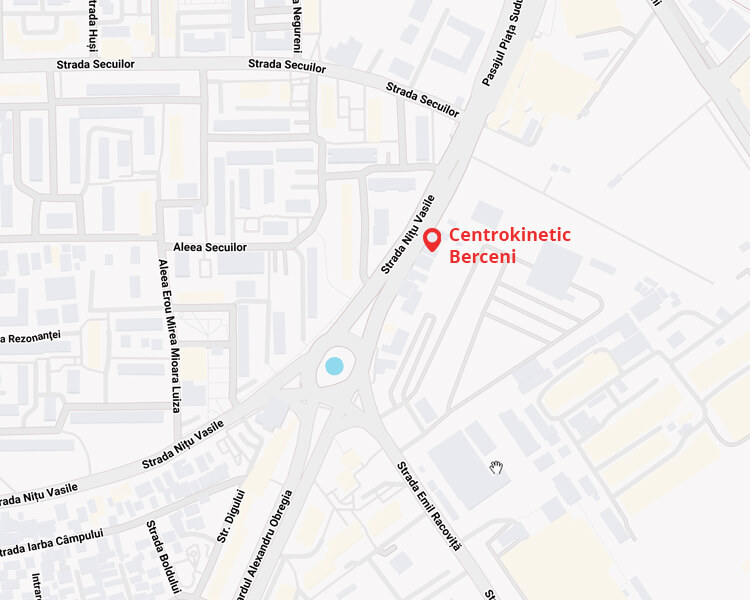
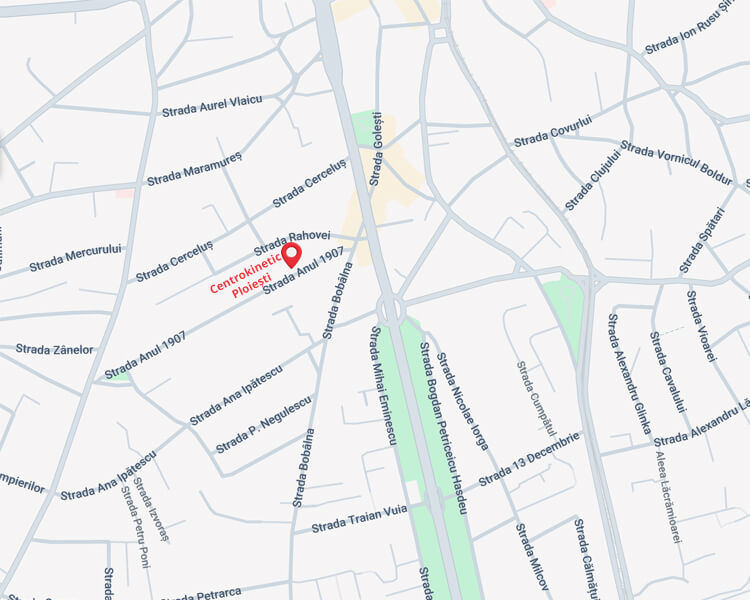
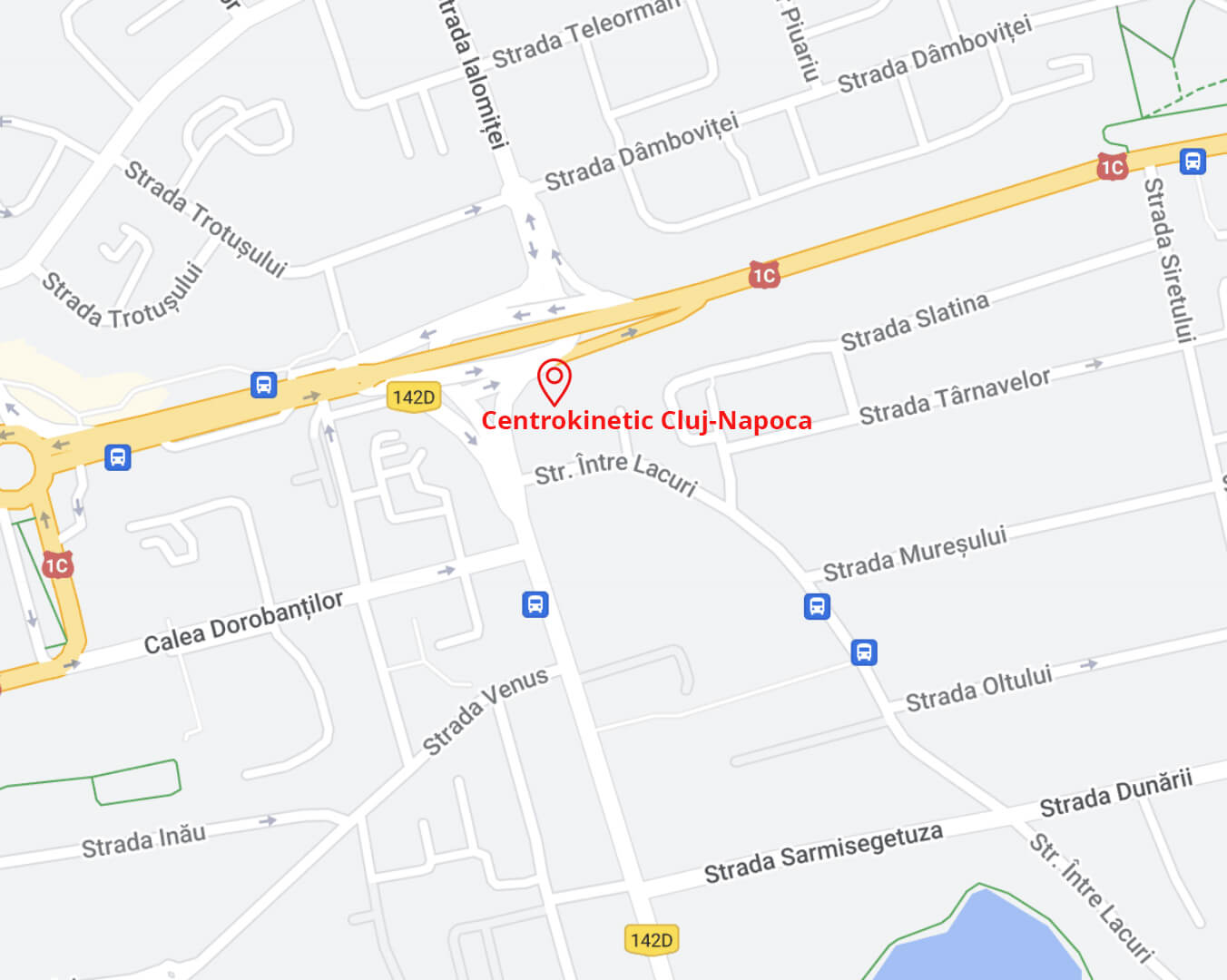
CENTROKINETIC CLUJ-NAPOCA
Cluj-Napoca,
Str. Intre Lacuri, nr.1
Intrarea este in spatele cladirii.
| Navigation |
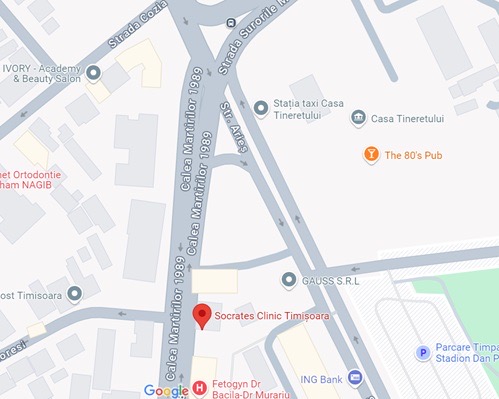
SOCRATES CLINIC TIMISOARA
Timisoara, Calea Martirilor 1989,
nr. 1.
Telefon: 0371 785 374.
| Navigation |
Phone: 0319693
E-mail: programari@centrokinetic.ro
Operating hours:
Monday – Friday: 07:00 – 21:00
Saturday: 09:00 – 14:00
Sunday: closed.
MAKE AN APPOINTMENT