NEUROSURGERY


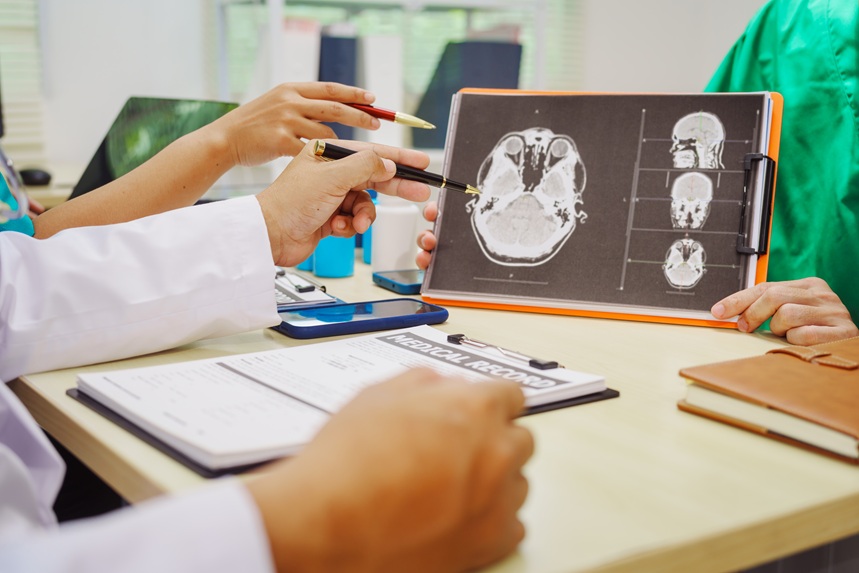
Do you need a neurosurgery consultation? At Centrokinetic, you are welcomed by a dedicated team of professionals, ready to assess and discuss the available treatment options for neurological conditions. We are committed to providing you with the information and support you need to make the best decision regarding your care.
Neurosurgery is one of the medical specialties with the fastest technological development in recent decades. Minimally invasive techniques, neuronavigation systems, intraoperative neurophysiological monitoring, and surgical robotics have profoundly transformed both the safety and the outcomes of interventions. Brain and spine surgery are no longer what they once were.
What is neurosurgery?
Neurosurgery is the medical specialty dedicated to the diagnosis and surgical treatment of disorders affecting the central nervous system, peripheral nervous system, and spine. It includes a wide range of procedures — from minimally invasive surgery for disc herniation to complex tumor resections guided by neuronavigation or neuromodulation implants for movement disorders.
The modern neurosurgeon always works within a multidisciplinary team: neurologist, rehabilitation physician, anesthesiologist, neurophysiologist, radiologist, oncologist — each with their own role in achieving the best possible outcome for the patient.
What conditions does neurosurgery treat?
Neurosurgery covers a wide range of conditions, organized into several subspecialties:
1. Spinal surgery
The spine is the most common area of neurosurgical intervention. Treated conditions include:
- Cervical and lumbar disc herniation — compression of the nerve roots or spinal cord by herniated disc material. Surgical treatment is indicated when conservative treatment fails or when progressive neurological deficit is present.
- Spinal canal stenosis — narrowing of the spinal canal that compresses the spinal cord or nerve roots, causing pain and walking difficulties. It is treated through surgical decompression or spinal fusion.
- Spondylolisthesis — slipping of one vertebra over another, which may compress nerve structures. Intervertebral fusion stabilizes the spine and releases the compression.
- Spinal cord trauma — vertebral fractures with or without spinal cord compression. Stabilization and decompression procedures aim to protect residual neurological function and prevent worsening.
- Spinal tumors — intradural tumors or extradural tumors. Surgical resection, with or without stabilization, is part of the oncological treatment plan.
2. Brain surgery
Cranial procedures cover tumor, vascular, hydrocephalic, and traumatic brain pathology:
- Brain tumors — from meningiomas and schwannomas to glioblastomas and brain metastases. Surgical resection under the operating microscope and neuronavigation aims for maximum removal while preserving brain function.
- Cerebral aneurysms — abnormal dilations of cerebral vessel walls with a risk of rupture and subarachnoid hemorrhage. Surgical or endovascular treatment prevents re-rupture.
- Arteriovenous malformations — abnormal connections between cerebral arteries and veins that may cause bleeding, seizures, or neurological deficit.
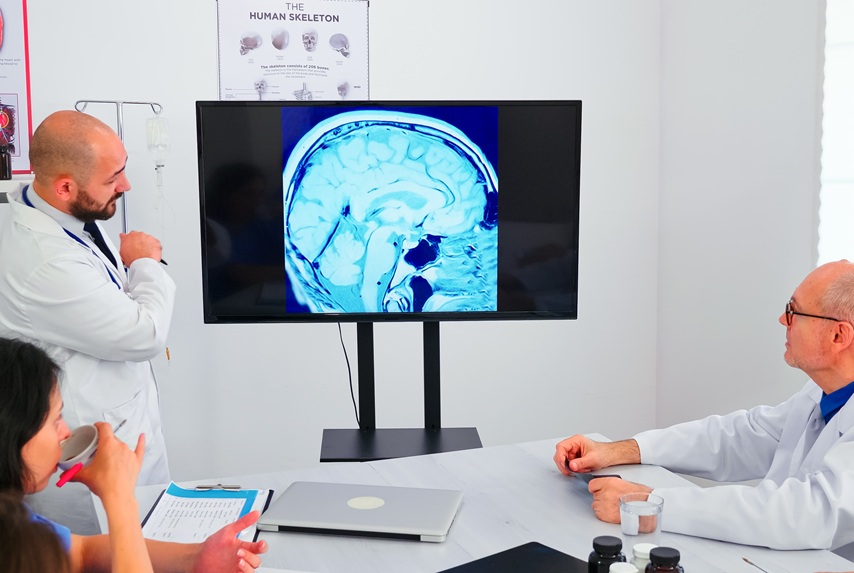
- Cerebral hematomas — collections of blood inside or outside the brain that compress brain tissue and require emergency surgical evacuation.
- Hydrocephalus — excessive accumulation of cerebrospinal fluid in the ventricles. It is treated through shunting or endoscopic ventriculostomy.
- Pituitary tumors — pituitary gland adenomas that may cause hormonal imbalances or compress optic structures; the endoscopic transsphenoidal approach allows minimally invasive removal.
3. Functional and stereotactic neurosurgery
Functional neurosurgery is the subspecialty that treats dysfunctions of nervous circuits rather than structural lesions. Through millimetric precision techniques — under stereotactic guidance, neurophysiological monitoring, and intraoperative imaging — the activity of specific brain or spinal targets is modified.
- Spasticity — involuntary muscle contracture following stroke, spinal cord injury, cerebral palsy, or multiple sclerosis. Neurosurgical techniques include partial peripheral neurotomy, selective posterior rhizotomy, micro-DREZotomy, and intrathecal baclofen pump implantation.
- Advanced Parkinson’s disease — deep brain stimulation of the subthalamic nucleus or internal globus pallidus is the surgical gold standard for Parkinson’s disease with severe motor fluctuations.
- Severe essential tremor — thalamic DBS or radiosurgical thalamotomy are effective in controlling disabling tremor.
- Dystonia — a movement disorder characterized by sustained involuntary contractions; DBS of the internal globus pallidus may produce major improvements.
- Drug-resistant epilepsy — in patients with seizures uncontrolled by medication, neurosurgical evaluation may identify a resectable epileptogenic area or indicate vagus nerve stimulation or DBS.
- Chronic neuropathic pain — spinal cord stimulation or ablative DREZ procedures may improve severe chronic pain that does not respond to medication.
4. Peripheral nerve surgery
Peripheral nerves may be compressed, traumatically injured, or affected by tumors. Carpal tunnel syndrome, cubital tunnel syndrome, tarsal tunnel syndrome, peripheral neurinomas, and traumatic brachial plexus injuries may benefit from neurosurgical evaluation and treatment.
What results can be expected?
Modern neurosurgery has documented outcomes in international scientific literature. Some relevant benchmarks for patients:
| 85-95% | 52% | 85-90% | >80% |
| disc herniation success rate | improvement in Parkinson’s motor symptoms after DBS | essential tremor control after thalamic DBS | 5-year survival in operated benign brain tumors |
Spinal surgery
- Microdiscectomy and endoscopic discectomy for lumbar disc herniation have success rates of 85-95% in improving radicular pain at 5-10 years of follow-up.
- The recurrence rate after microdiscectomy is 3-24% in the first 10 years, depending on technique and postoperative lifestyle.
- Surgery for spinal canal stenosis reduces pain and improves walking ability in over 80% of patients, especially when neurological function is preserved before surgery.
Brain tumor surgery
- Meningiomas, the most common benign brain tumors, have high complete resection rates and excellent long-term survival.
- The overall 5-year survival rate for primary brain tumors is approximately 36%, but varies greatly depending on tumor type.
- Early detection and surgery are essential: patients operated on before severe neurological deficits develop have significantly better functional outcomes.
Functional neurosurgery
- DBS for Parkinson’s disease improves the UPDRS-III motor score by 52%, reduces levodopa dosage by approximately 50%, and decreases dyskinesias by 66%.
- Thalamic DBS for essential tremor controls tremor in 85-90% of cases, with long-lasting effects that can be programmed non-invasively.
- Partial peripheral neurotomy for spasticity reduces muscle tone and improves self-care and hygiene over long-term follow-up.
Important:
All these results depend on correct patient selection, accurate diagnosis, and an experienced surgical team. At Centrokinetic, the neurosurgical treatment decision is always made within a multidisciplinary team, after a complex evaluation and after conservative options have been exhausted.
Our neurosurgery team
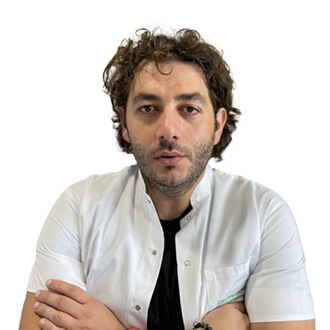
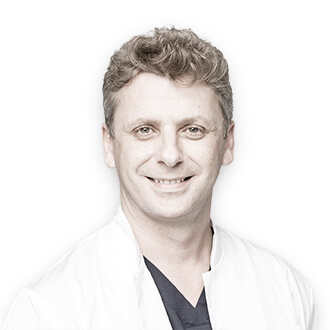
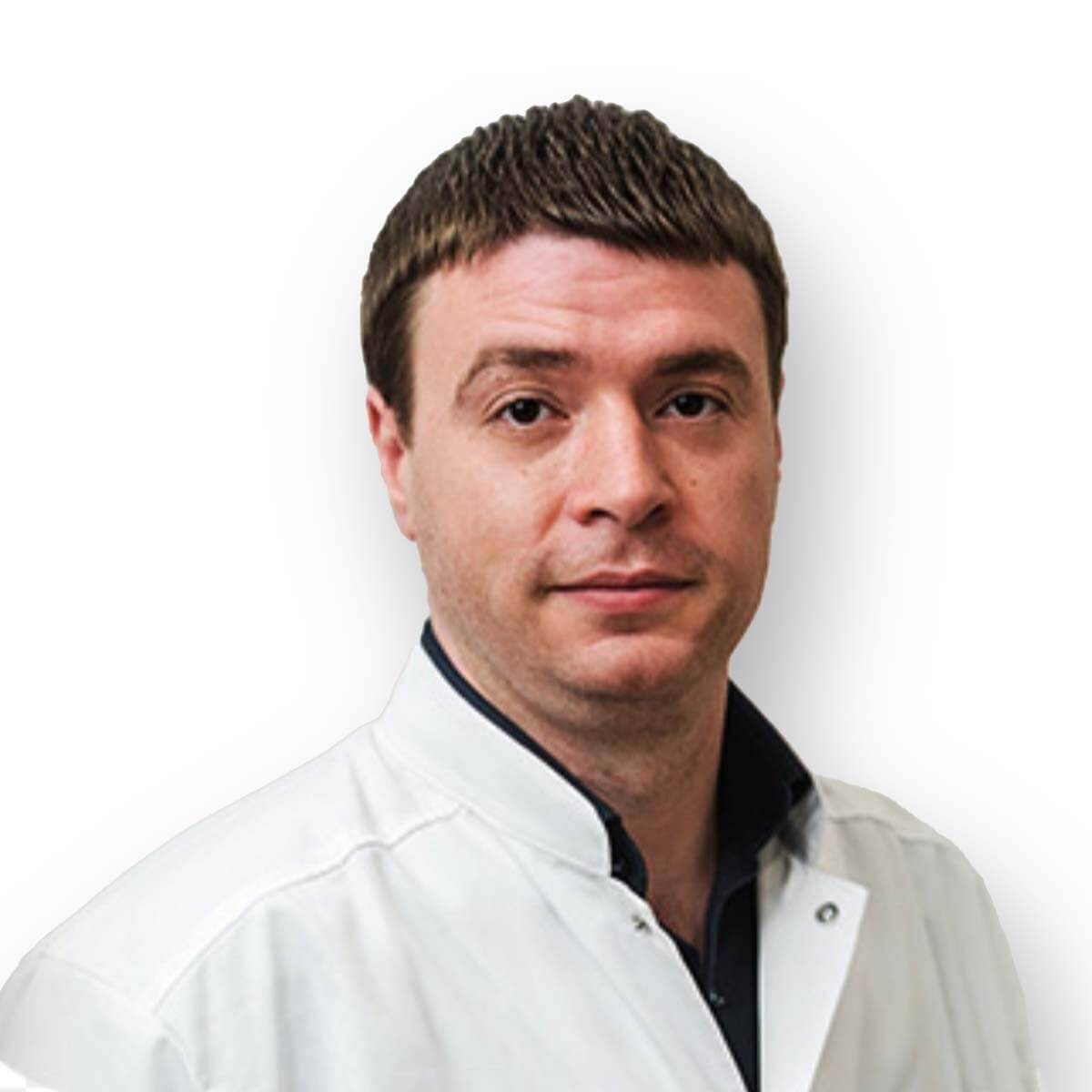
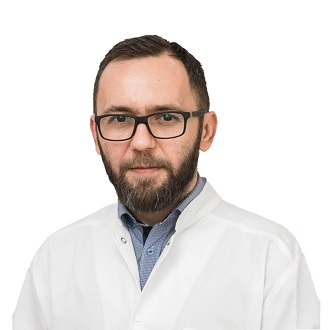
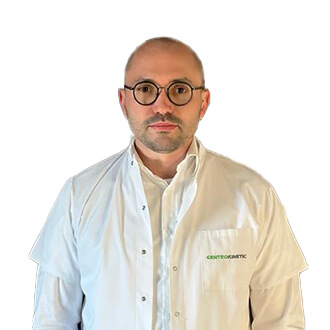
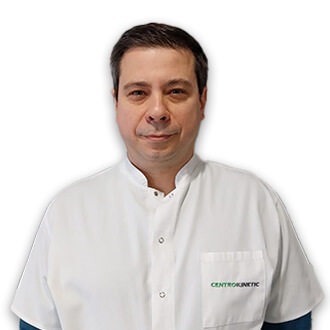
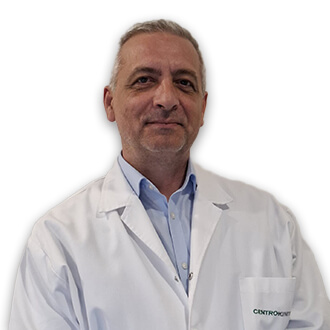
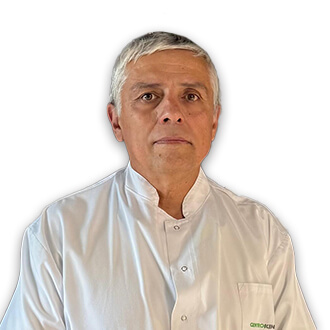
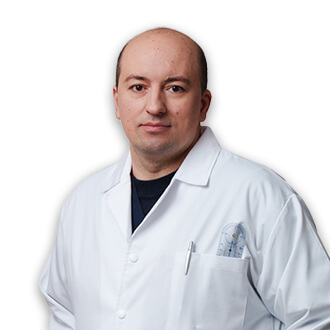
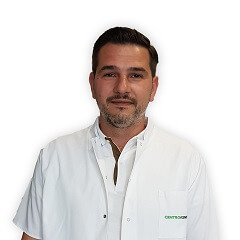
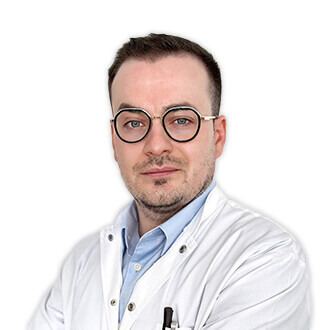
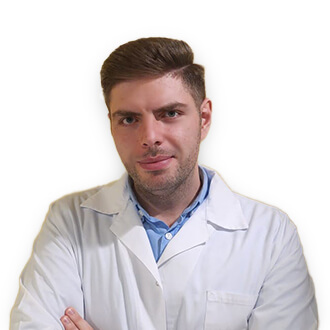
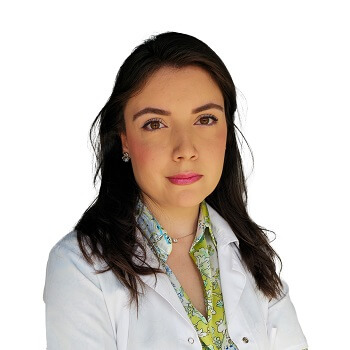
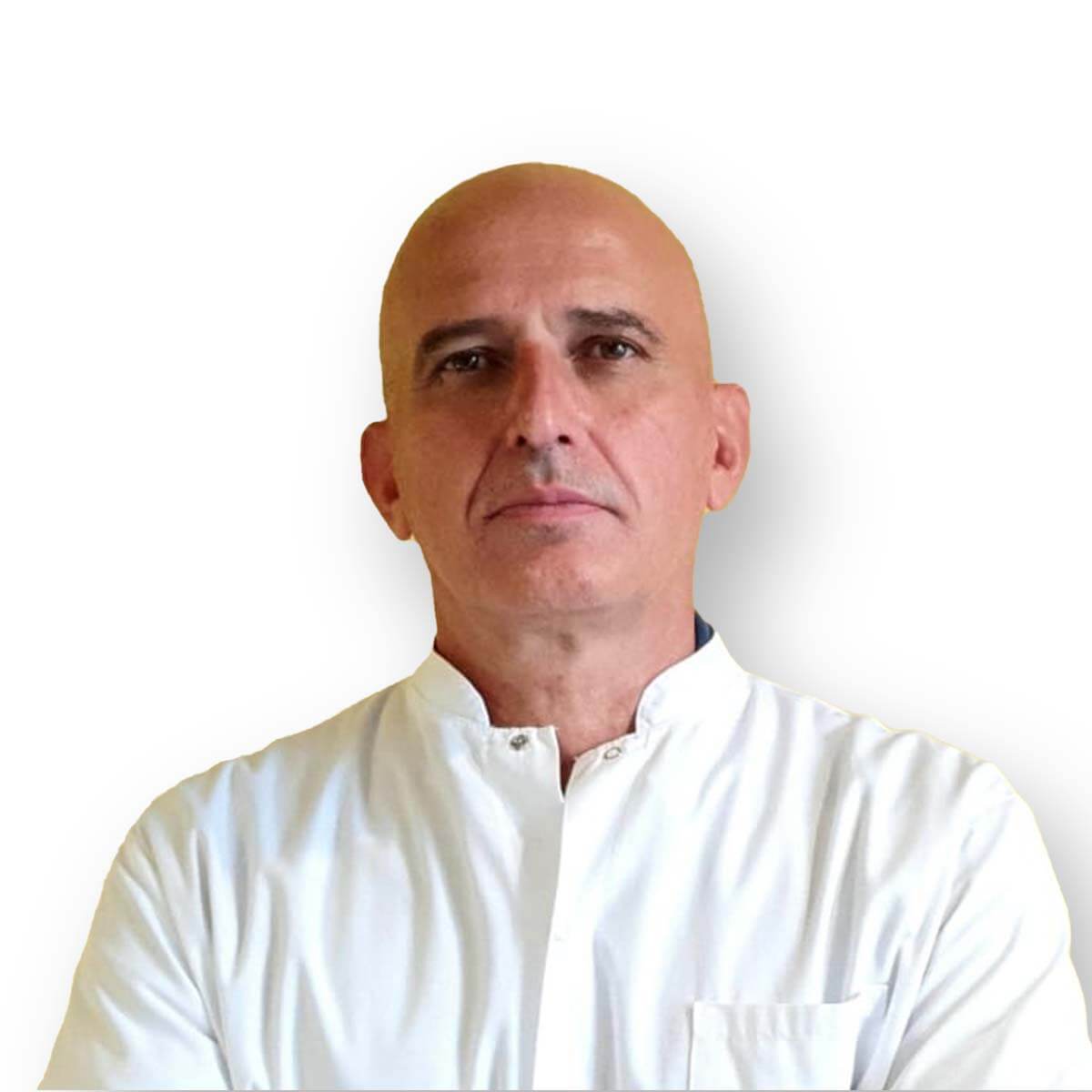
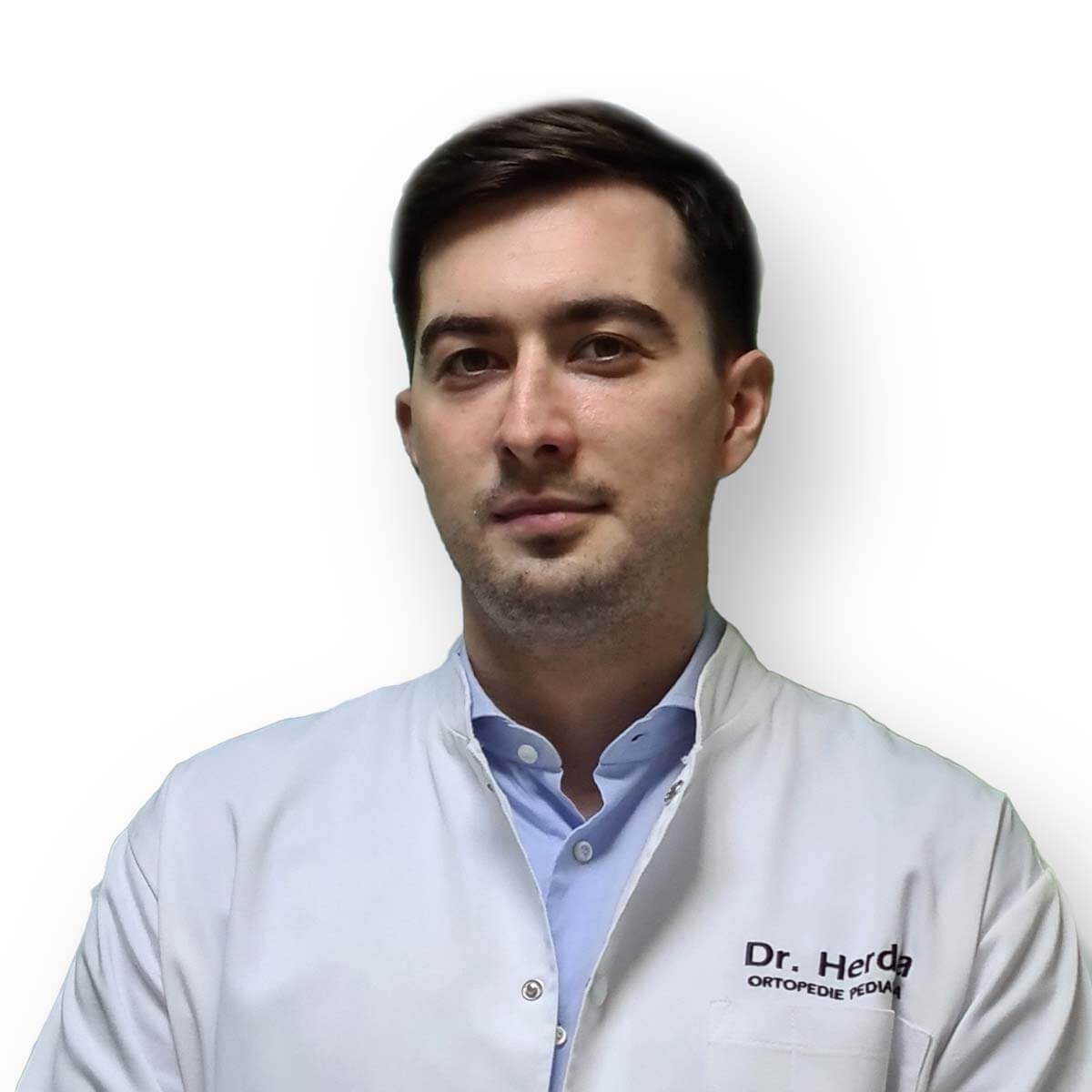
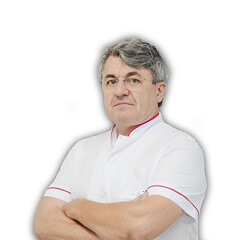
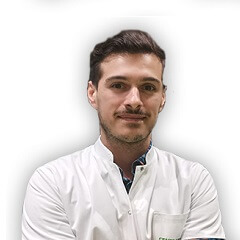
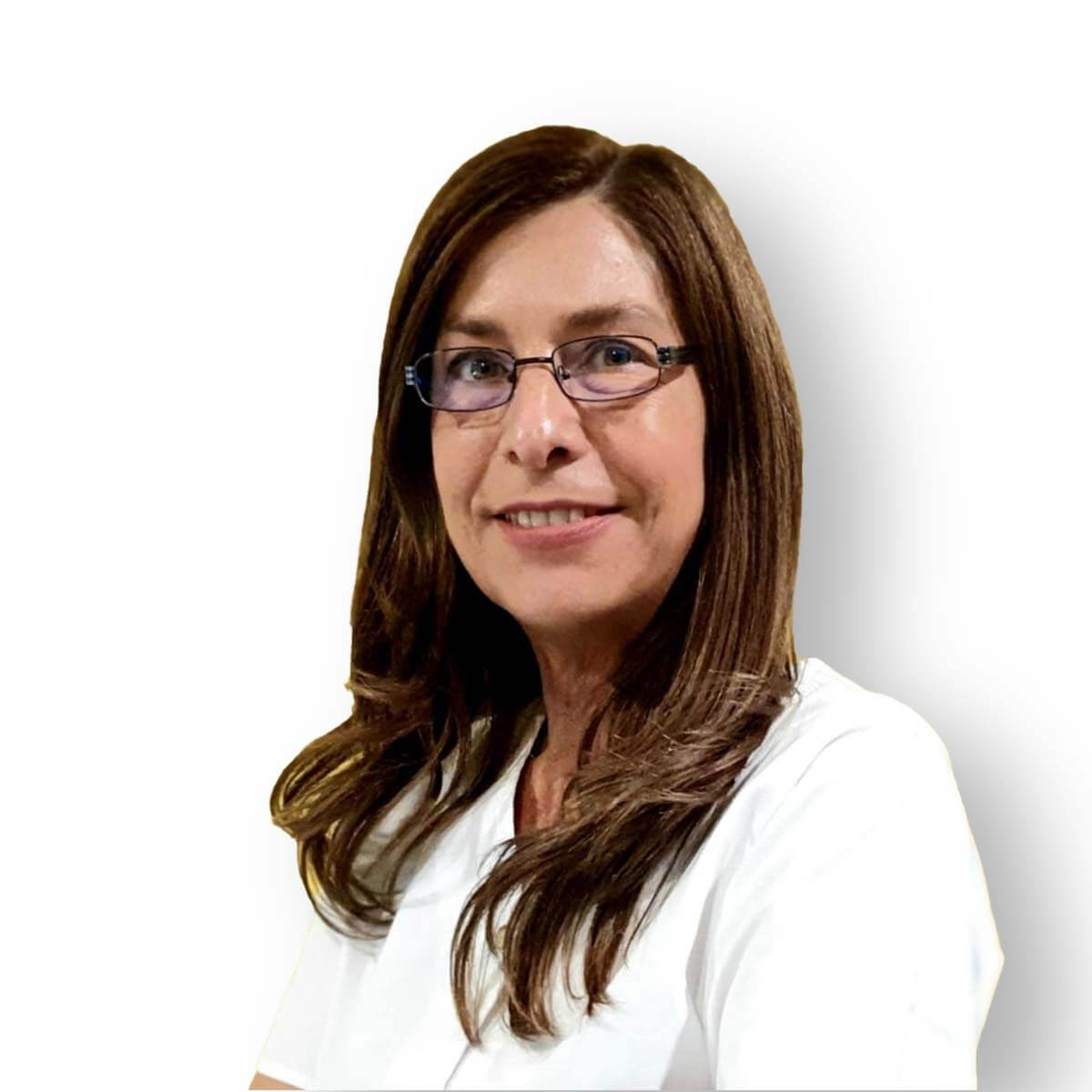
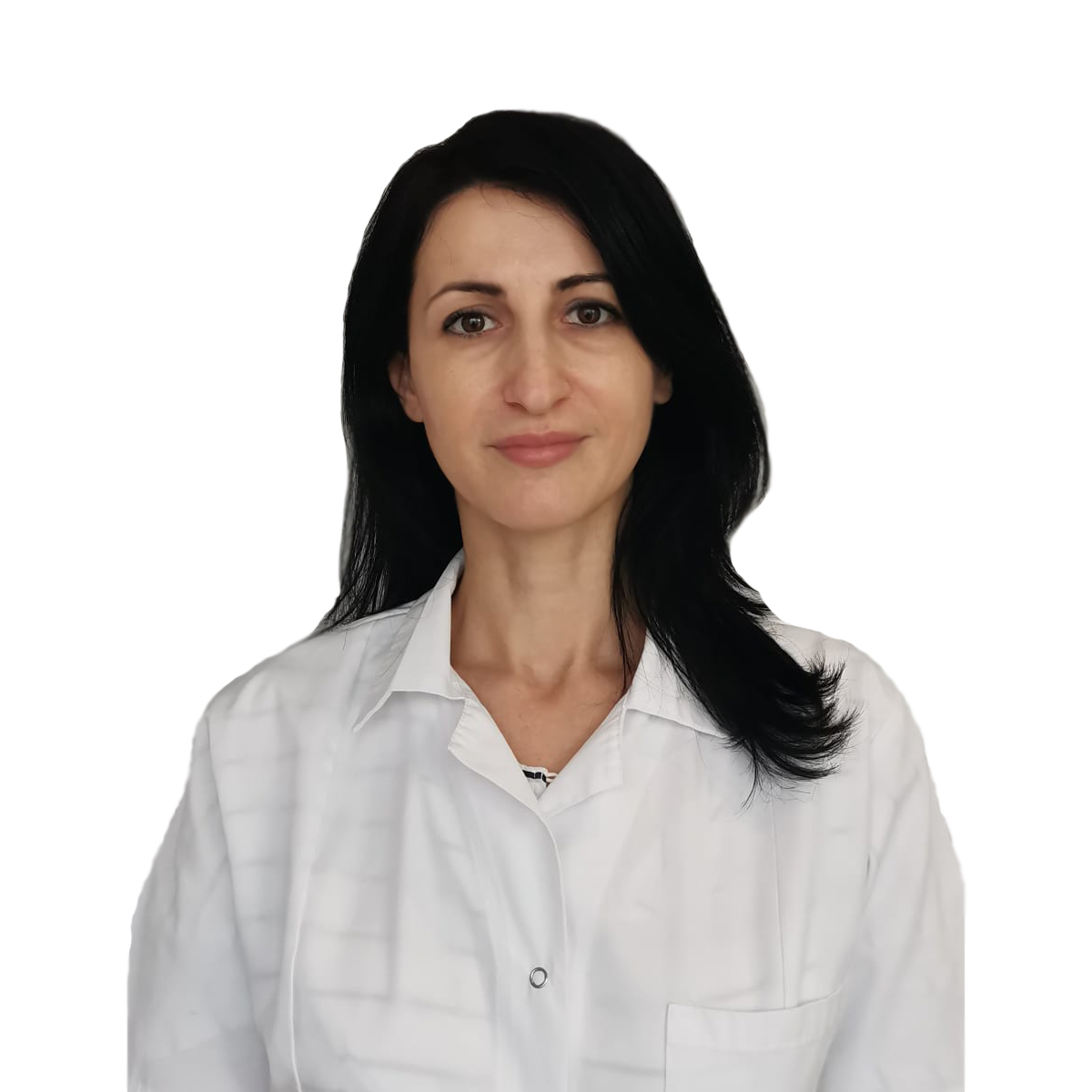
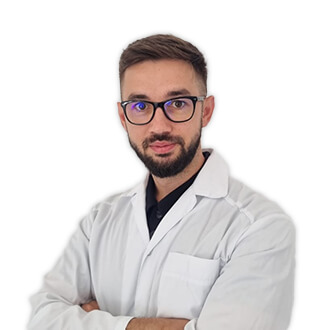
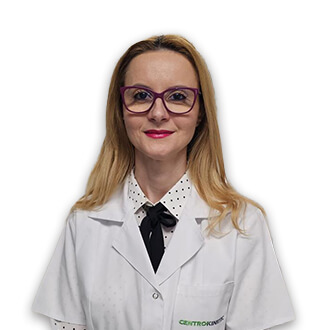
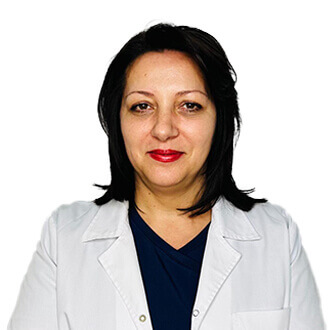
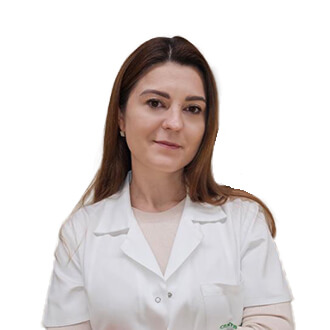
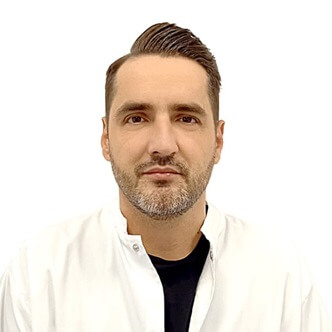
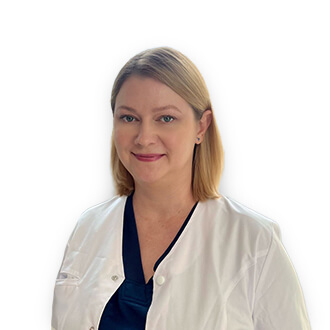
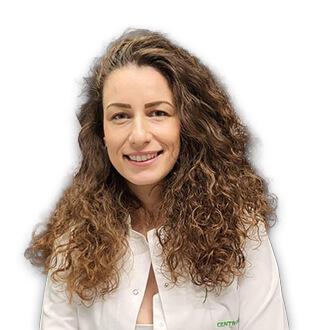
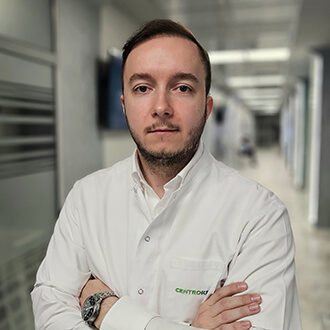
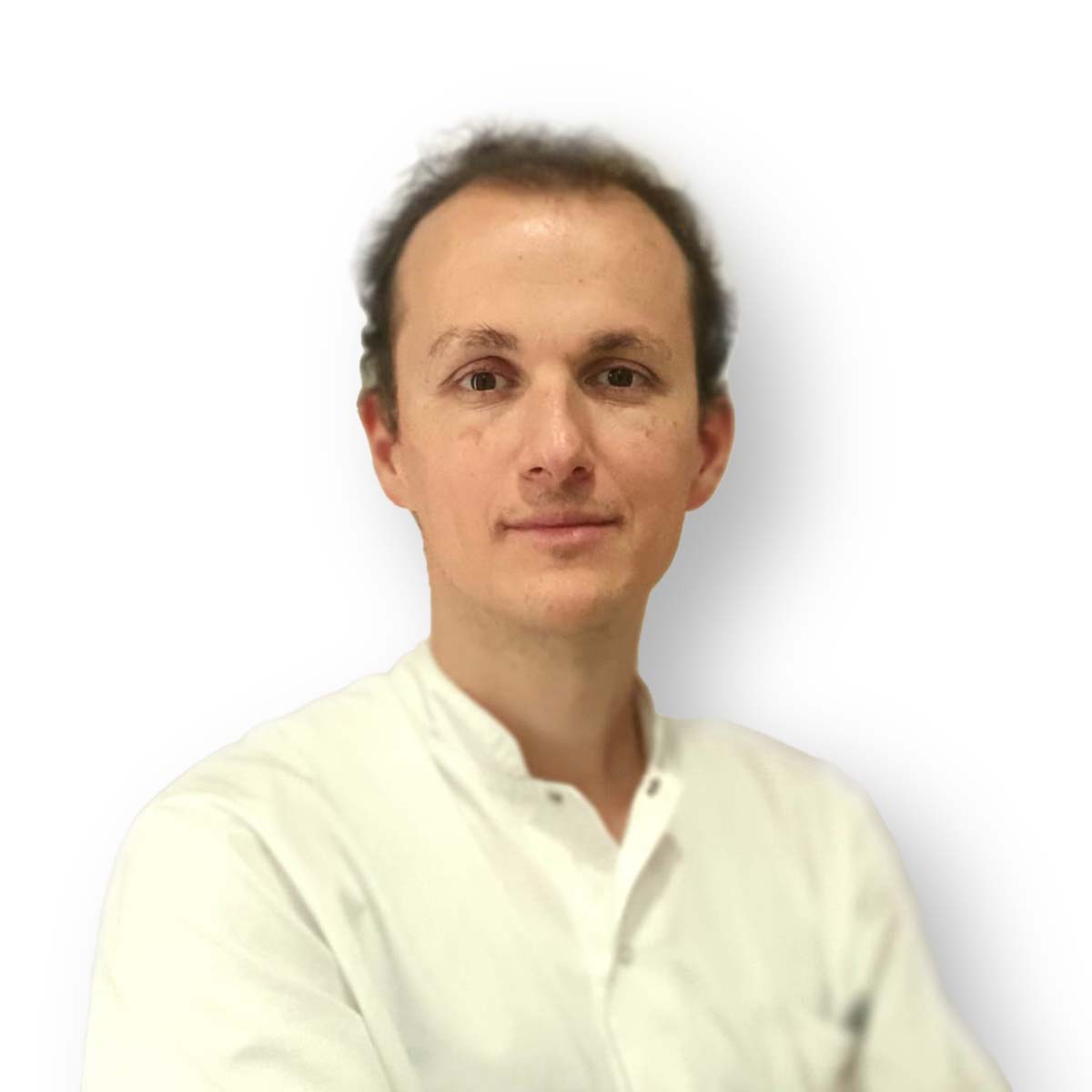
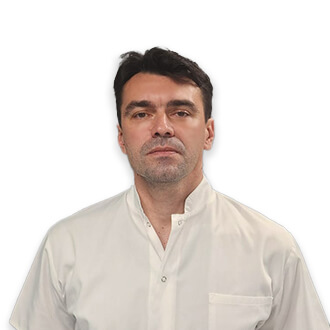
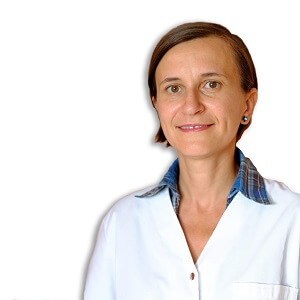
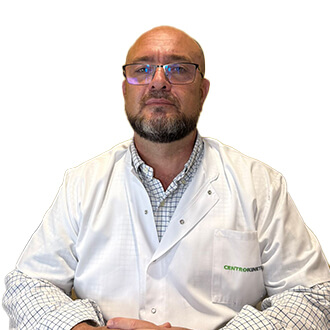
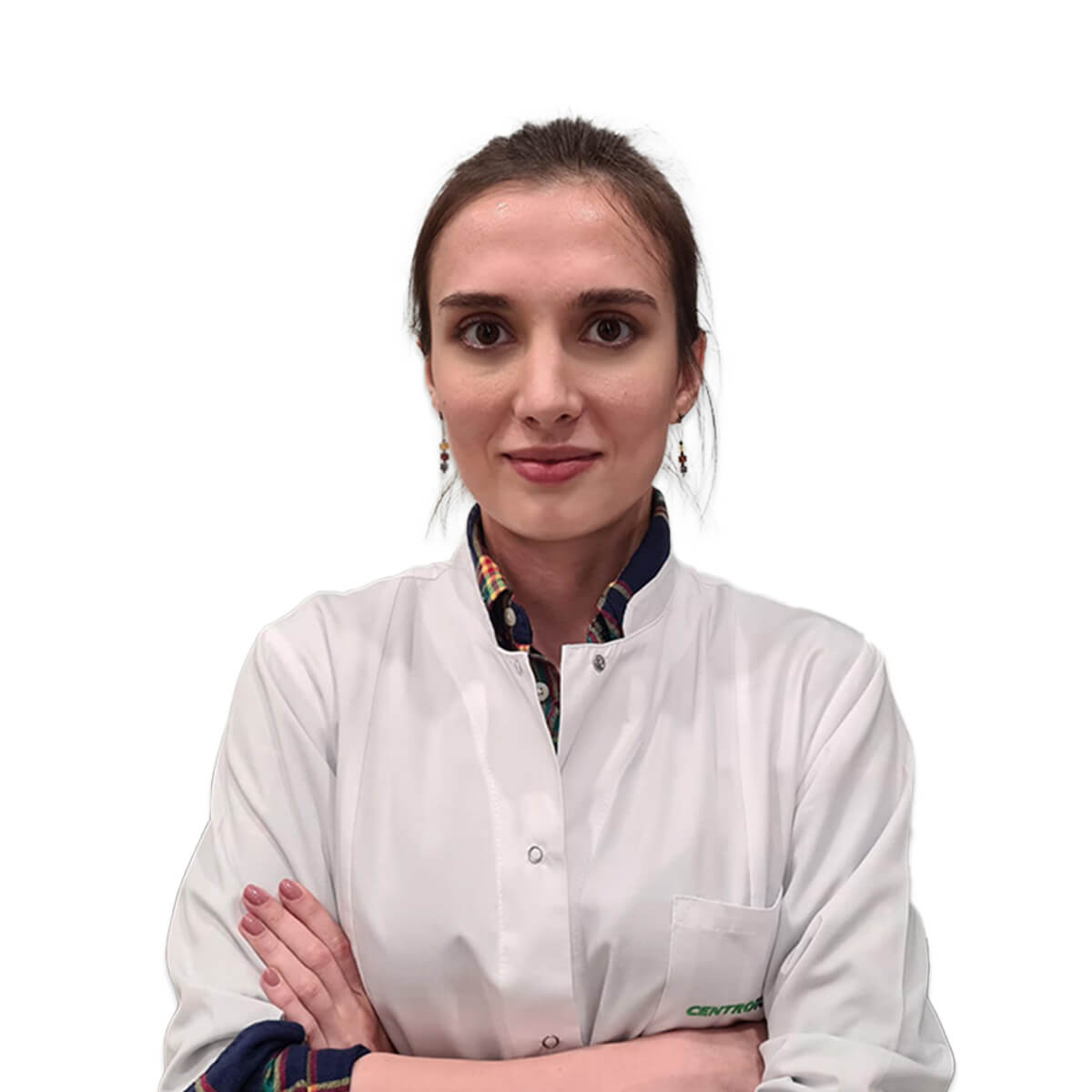
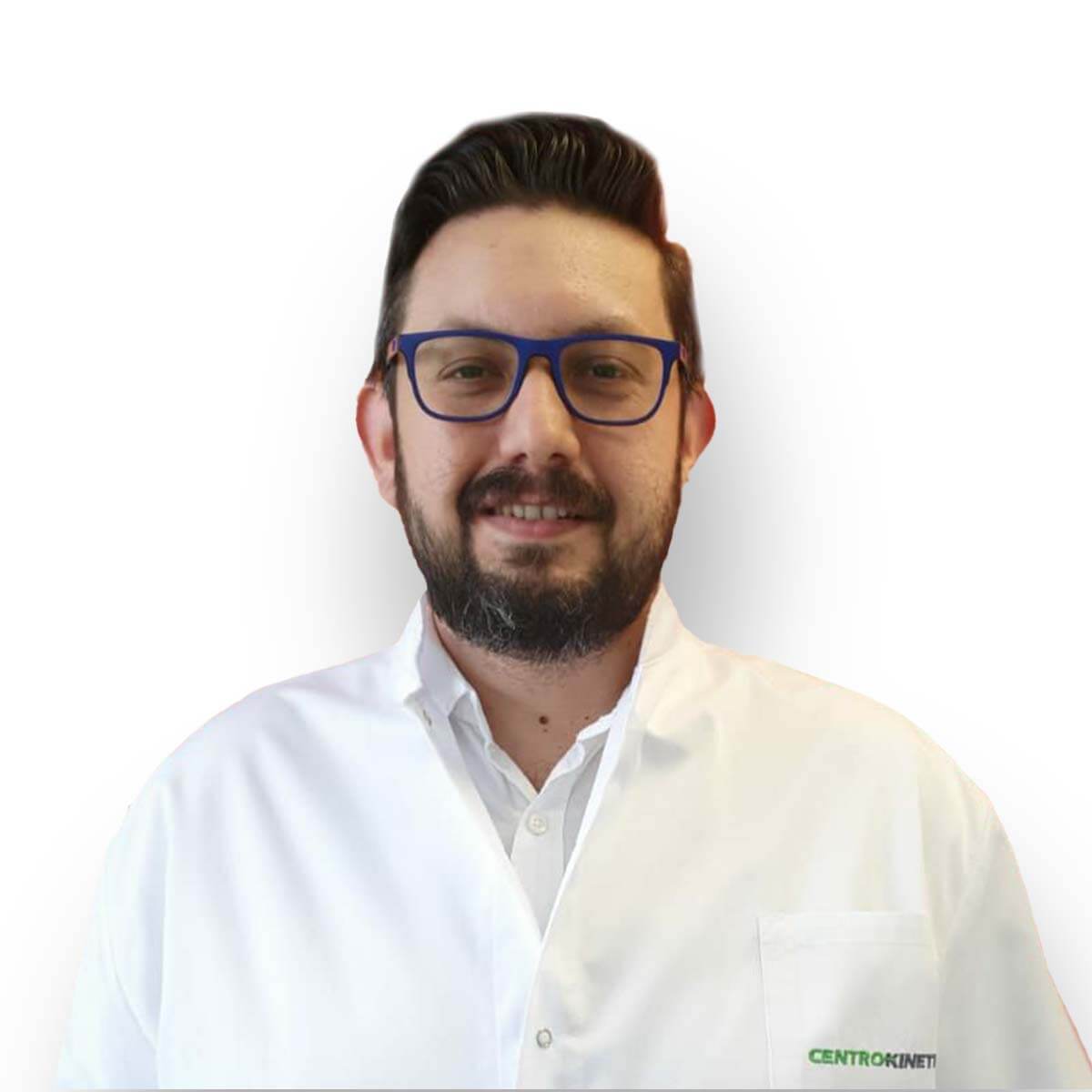
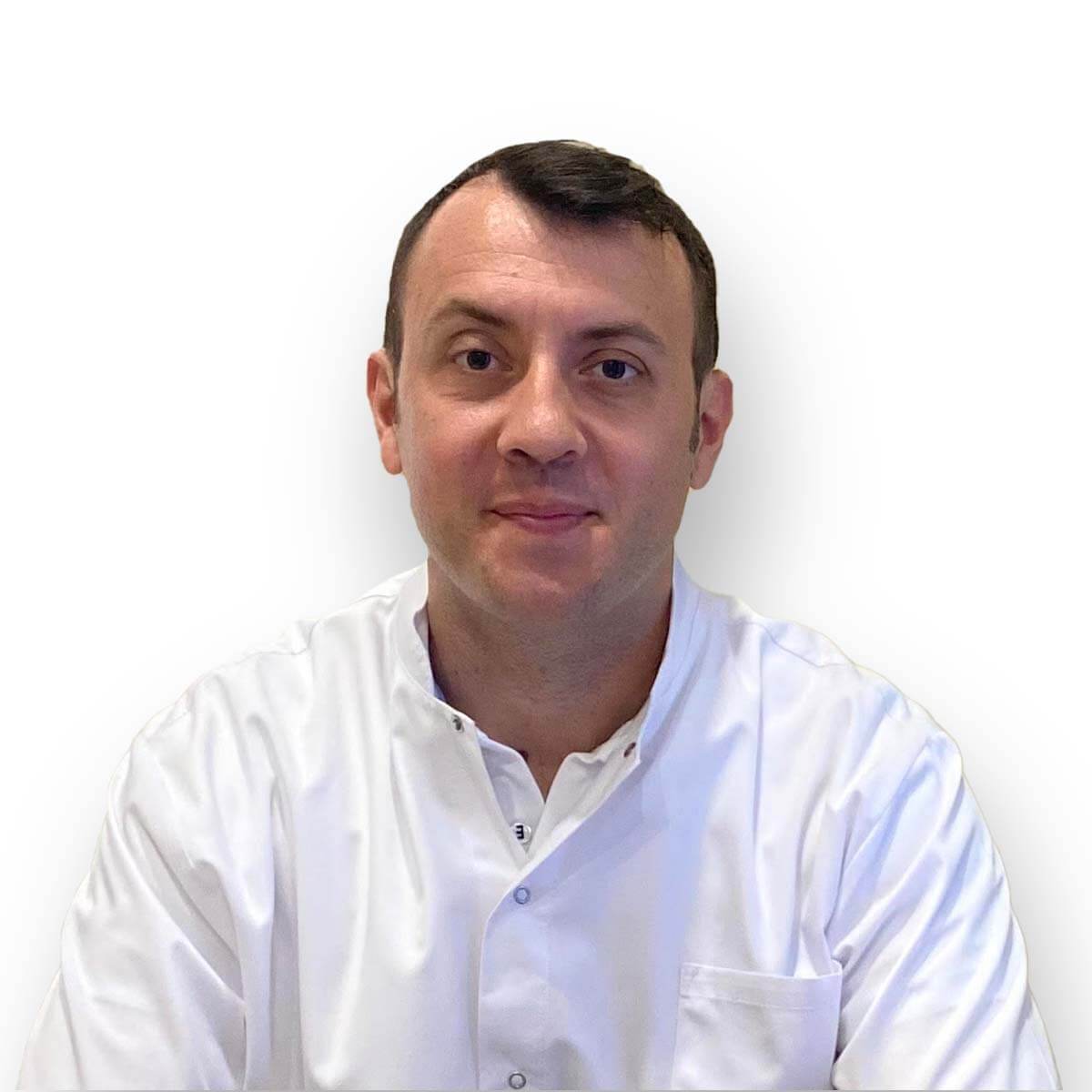
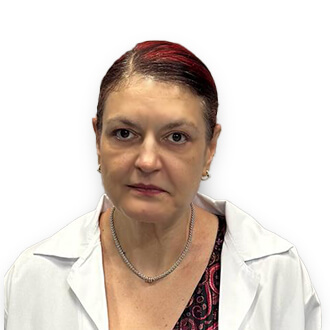
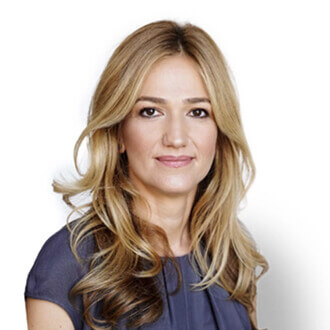
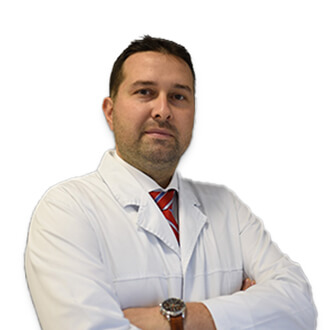
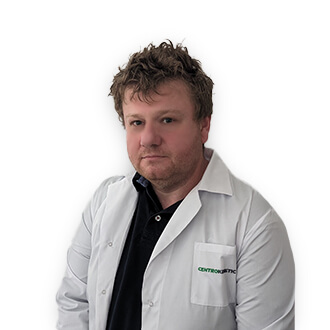
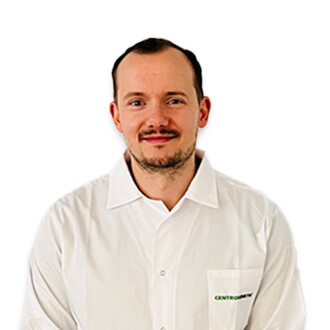
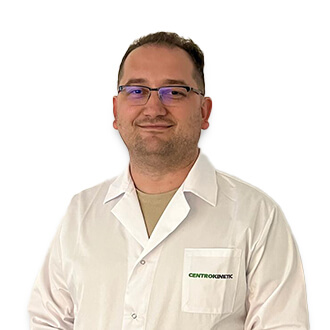
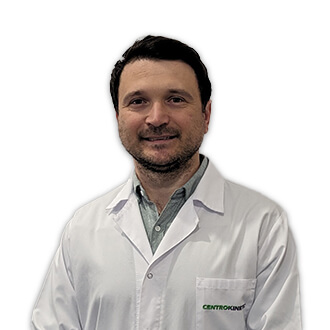
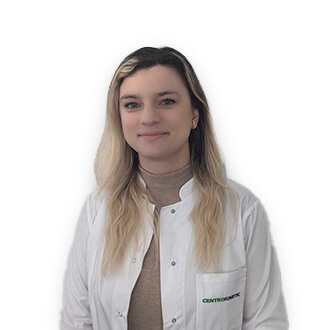
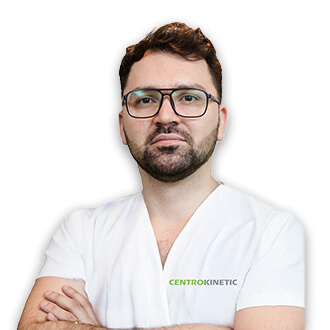
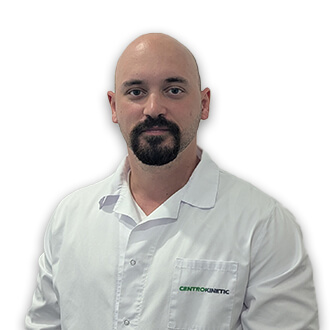
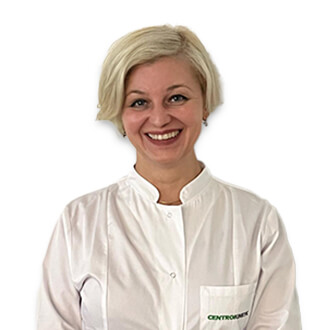
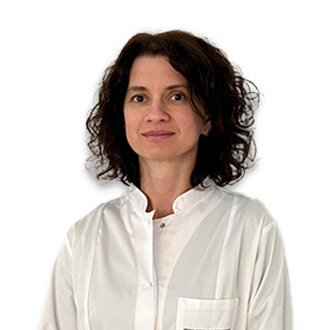
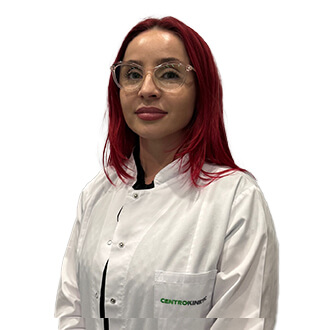
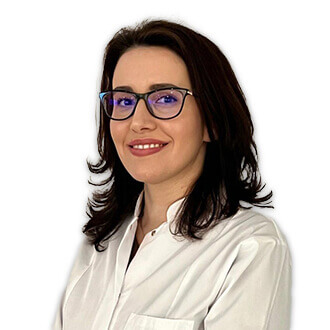
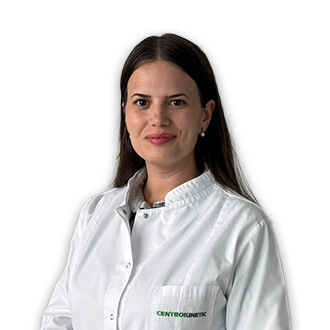
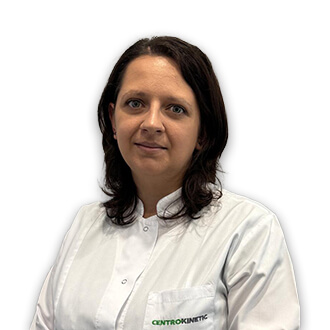
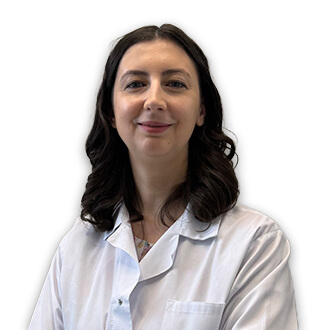
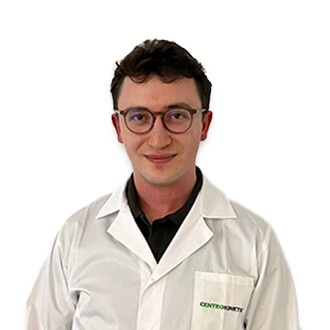
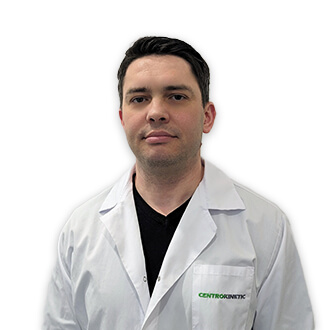
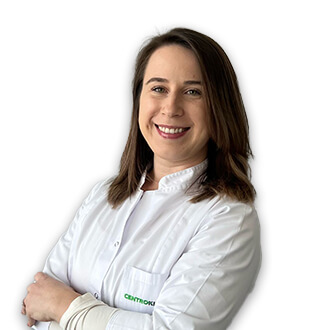
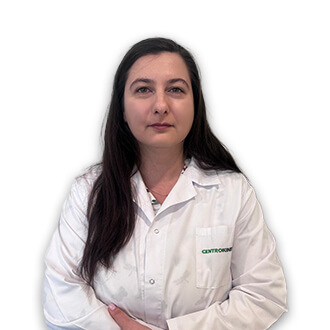
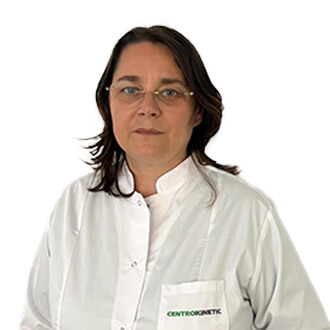
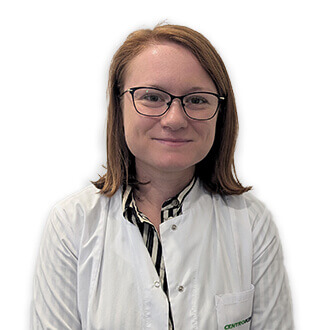
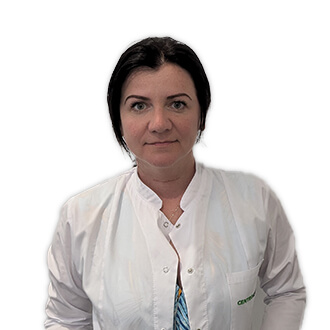
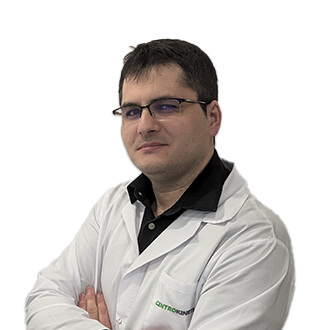
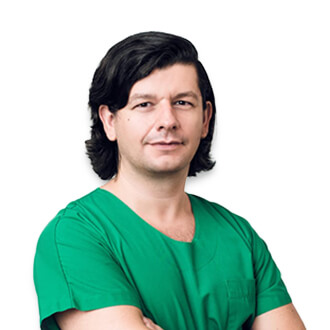
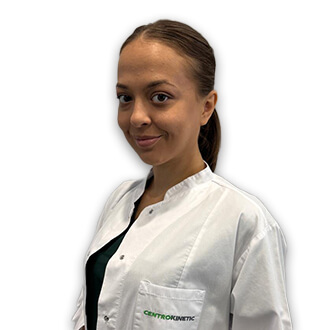
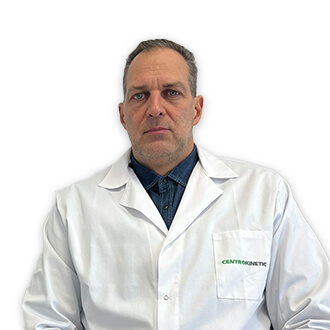
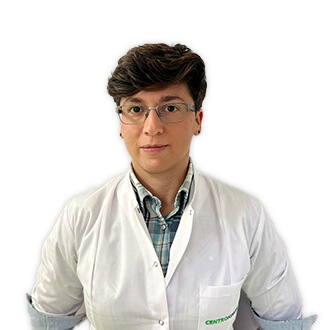
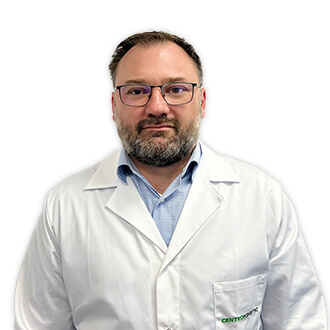
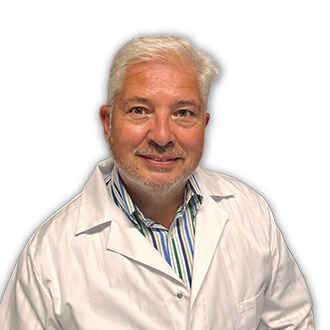
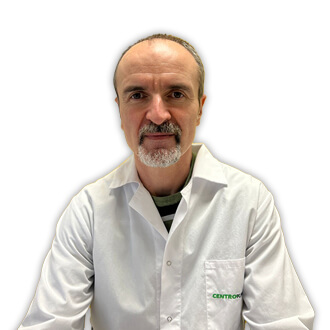
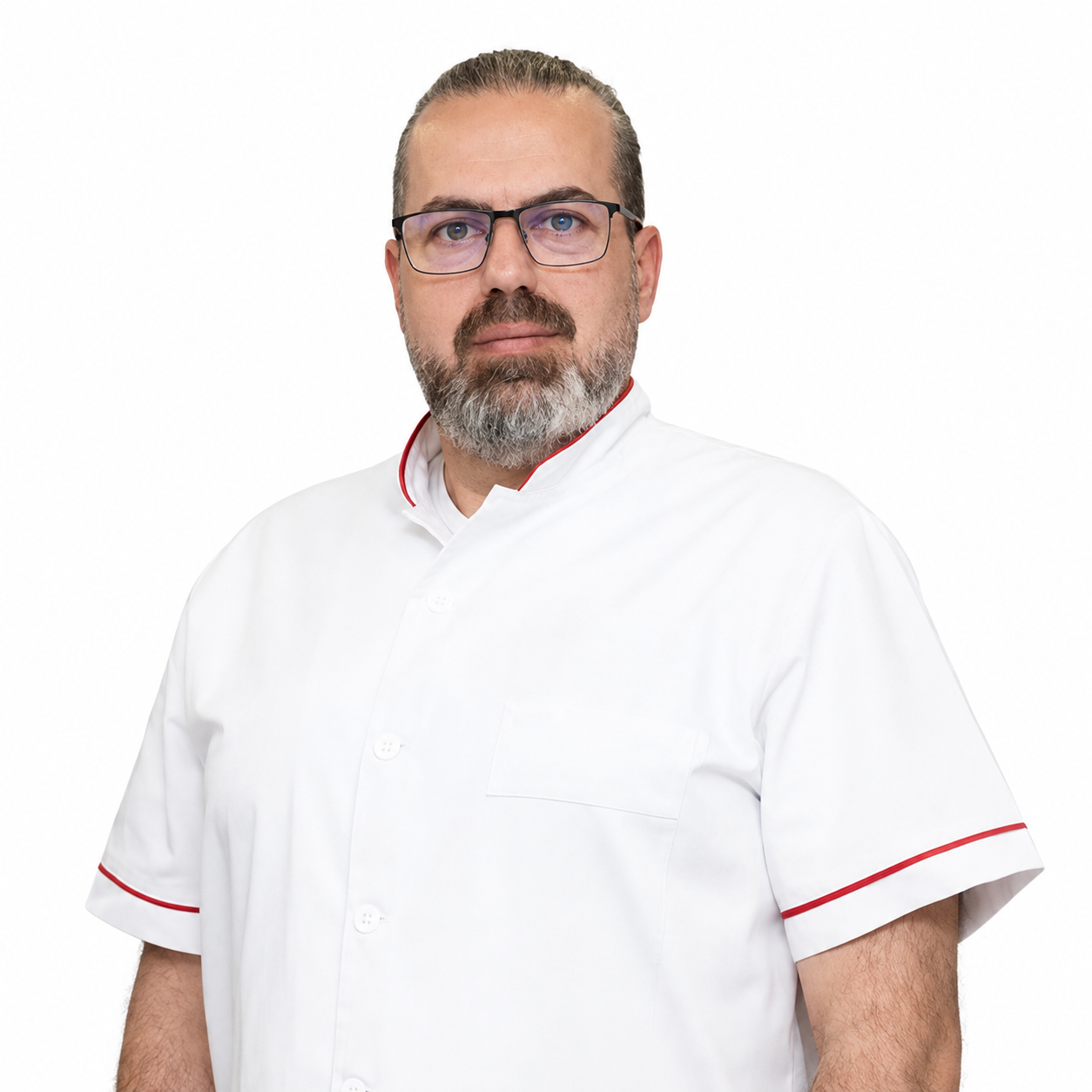
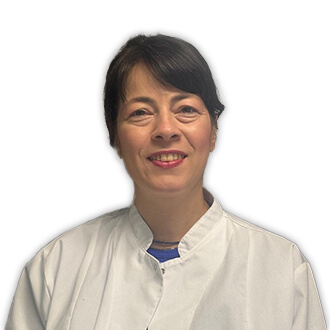
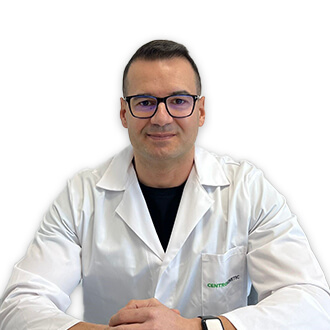
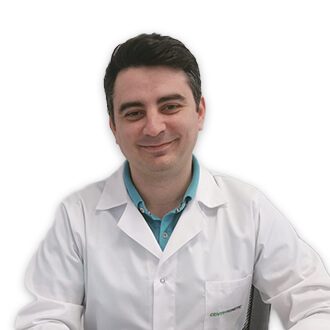
The Centrokinetic neurosurgery department brings together three highly qualified doctors, covering both general and minimally invasive spinal surgery, as well as the subspecialty of functional neurosurgery.

MAKE AN APPOINTMENT
CONTACT US
MAKE AN APPOINTMENT
FOR AN EXAMINATION
See here how you can make an appointment and the location of our clinics.
MAKE AN APPOINTMENT


BUCHAREST TEAM






















CLUJ NAPOCA TEAM









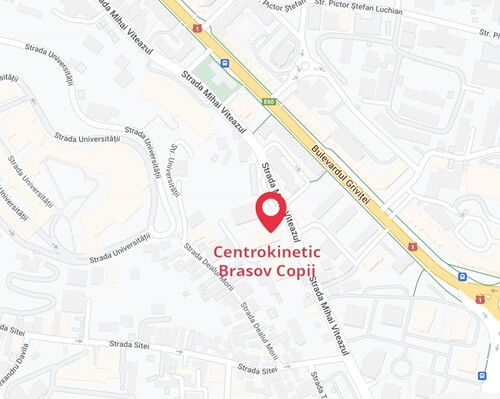
BRASOV TEAM






Asiguratori privati





Parteneriate


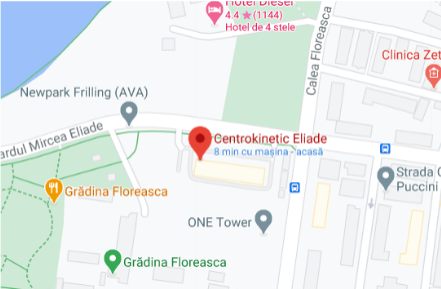
CENTROKINETIC FLOREASCA
Bucharest, 1st District,
Mircea Eliade Street, no. 18,
Eliade Tower, Entrance A, Floor 3
| Navigation | Explore 3D |
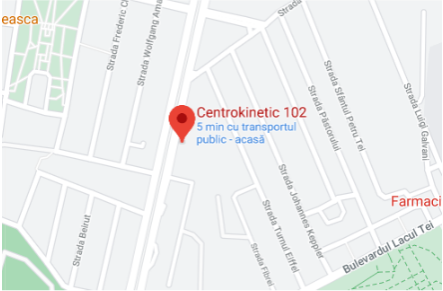
CENTROKINETIC Barbu Vacarescu
Bucharest, 2nd District,
Barbu Vacarescu Street, no. 102,
102 The Address, ground floor.
| Navigation | Explore 3D |
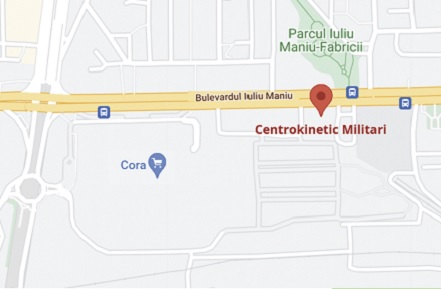
CENTROKINETIC MILITARI
Bucuresti, Sector 6,
Bld. Iuliu Maniu, nr. 15G,
Cladirea PBT, etaj 3.
| Navigation |
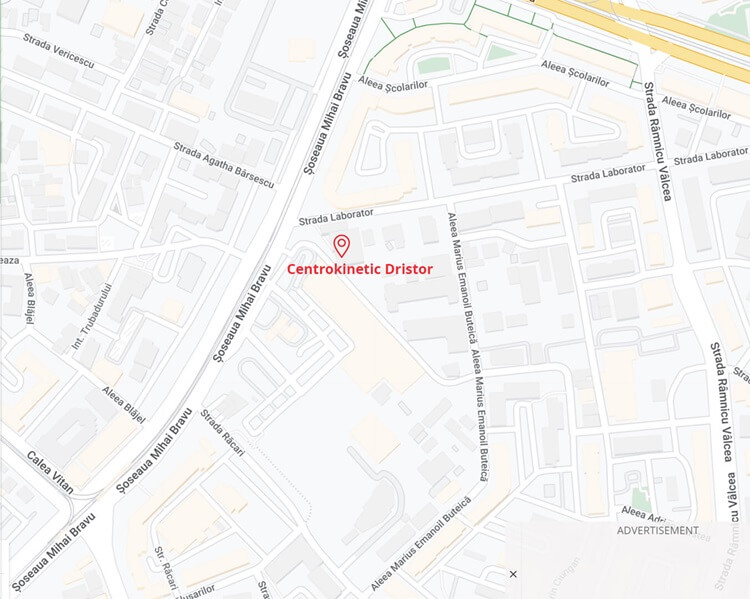
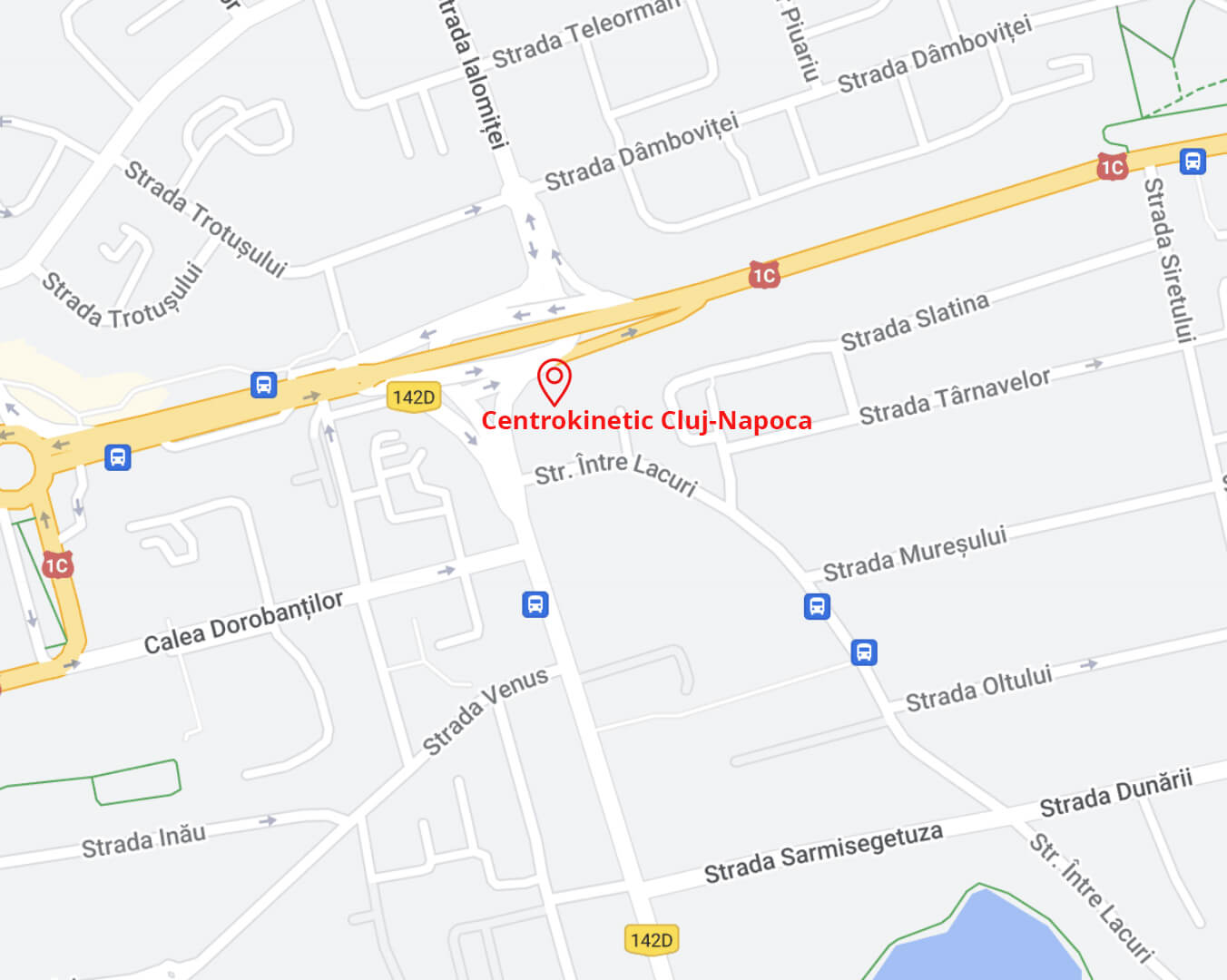
CENTROKINETIC CLUJ-NAPOCA
Cluj-Napoca,
Str. Intre Lacuri, nr.1
Intrarea este in spatele cladirii.
| Navigation |
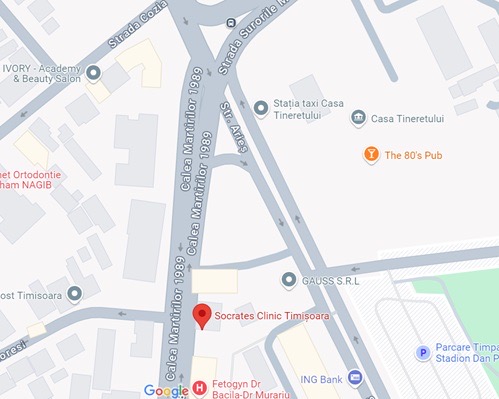
SOCRATES CLINIC TIMISOARA
Timisoara, Calea Martirilor 1989,
nr. 1.
Telefon: 0371 785 374.
| Navigation |
CONTACT
Phone: 0319693
E-mail: programari@centrokinetic.ro
Operating hours:
Monday – Friday: 07:00 – 21:00
Saturday: 09:00 – 14:00
Sunday: closed.
MAKE AN APPOINTMENT