
See details
READ MORE


Back pain affects more than 80% of adults at some point in their lives, according to current data. For an active adult, a recreational athlete or someone who spends long hours at a desk, this pain means real limitations: avoided movements, interrupted workouts and poor sleep quality.
The spine supports body weight, allows mobility and protects neurological structures. When problems such as herniated discs, muscle contractures, scoliosis or degenerative processes occur, you need a proper evaluation and a clear treatment plan. Physiotherapy and physical therapy work together to reduce pain, improve mobility and prevent recurrence. Early intervention shortens recovery time and lowers the risk of complications.
Many people ignore the first signs of discomfort. Lower back pain lasting a few days may seem harmless, but if it lasts longer than two weeks or returns frequently, it is recommended to schedule a specialist evaluation.
Consult a specialist if you notice:
Untreated chronic back pain can lead to long-term functional limitations. In most cases, conservative treatment applied early improves recovery and reduces the need for invasive procedures.
If you are an athlete and notice decreased performance or pain during training, do not continue pushing through it. A proper evaluation identifies possible muscle imbalances or overuse injuries and allows you to safely return to your usual activities.
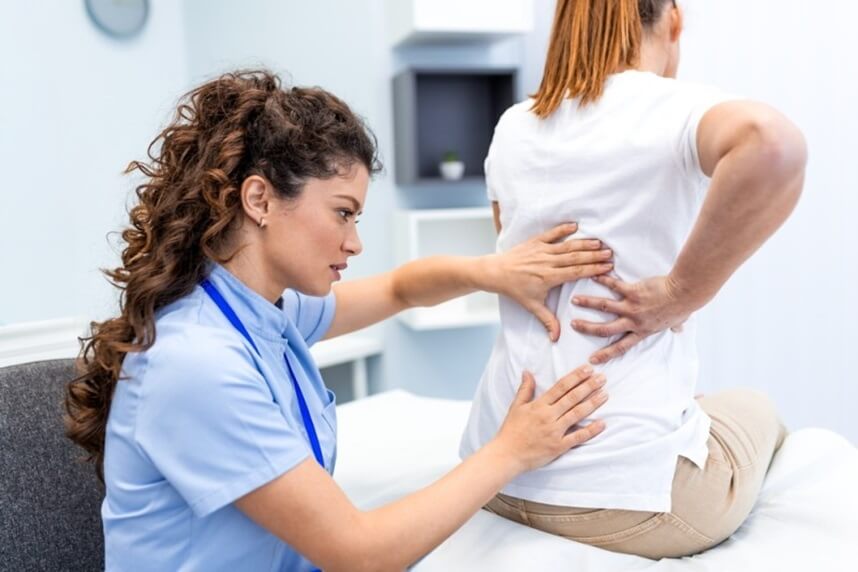
Every recovery program begins with a detailed consultation. The physician reviews your medical history, the type of pain, daily activities and any existing imaging investigations. The evaluation includes:
This stage provides clear benefits: it establishes an accurate diagnosis, helps avoid unnecessary treatments and offers a personalized plan. The difference between a herniated disc, disc protrusion or a simple muscle contracture completely changes the therapeutic strategy.
For post-operative patients, the evaluation allows exercises to be adapted to the tissue healing stage. For children with spinal deformities, early intervention increases the chances of effective correction.
Physical therapy uses therapeutic exercises adapted to your diagnosis and fitness level. The goal is to stabilize the spine, correct posture and reduce pressure on nervous structures.
Physical therapy is indicated for conditions such as:
For patients undergoing treatment for a herniated disc, the program includes lumbar stabilization exercises, deep muscle control and spine protection techniques for daily activities. Supervised exercise programs reduce pain and improve functionality in patients with chronic low back pain. Progressive exercise adaptation and continuous monitoring increase the chances of long-term results.
Physiotherapy complements exercise through procedures that reduce inflammation and relax contracted muscles. It is frequently used during acute phases or periods associated with intense pain.
Through TECAR physiotherapy, the therapist applies radiofrequency energy that produces deep, controlled heating. This stimulates local circulation and tissue repair processes.
The procedure is used for muscle contractures, lower back pain, neck pain or post-traumatic conditions. Many patients experience pain relief after the first sessions, but the treatment plan must continue to maintain the results.
For herniated discs and disc protrusions, the physician may recommend spinal decompression therapy. The device applies controlled traction forces that reduce pressure on the intervertebral disc and nerve roots.
This method helps reduce pain radiating into the leg or arm and supports disc hydration. It is recommended after medical evaluation and is not suitable for all cases.
Depending on the diagnosis, the treatment plan may include:
These procedures prepare the body for active exercises and improve movement tolerance.
Conservative treatment combines decompression, anti-inflammatory physiotherapy and stabilization exercises. In many situations, patients avoid surgery if they follow the program correctly and respect medical recommendations.
It is important to speak with your doctor if bladder control problems or severe weakness occur, as these symptoms require urgent evaluation.
For patients with lower back pain, the program aims to reduce sciatic nerve compression and correct muscular imbalances. Mobilization and strengthening exercises for the lumbar area decrease recurrence frequency. Maintaining controlled physical activity accelerates recovery compared to prolonged bed rest.
In cases of scoliosis, specialized physical therapy corrects muscle imbalances and improves posture. Parents who notice shoulder or pelvic asymmetries should request an orthopedic evaluation. Early intervention increases treatment effectiveness and may limit curve progression.
For patients over 45–50 years old, degenerative changes are common. The therapeutic program includes mobility exercises, improving exercise tolerance and spine protection techniques for daily activities.
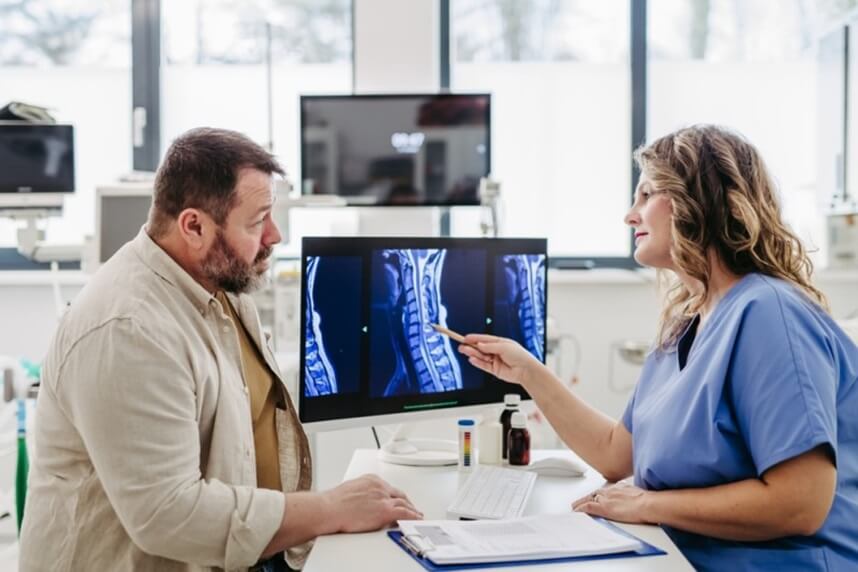
After completing the program, maintain results through regular exercises and periodic check-ups.
In general, specialists recommend:
Effective recovery requires close collaboration between the orthopedic physician, neurologist and physical therapist. The Centrokinetic team sets clear objectives, monitors progress and adjusts the treatment plan according to your response.
Our personalized approach takes into account age, activity level, previous interventions and your personal goals. A performance athlete has different needs compared to a sedentary patient or a growing child.
Do not ignore your body’s warning signs. Schedule a specialist consultation at Centrokinetic today!
The duration varies depending on the diagnosis and severity. An acute episode of lower back pain may require several weeks of therapy, while herniated discs or scoliosis may require months of monitoring and exercises. Periodic reassessments allow treatment adjustments.
Yes, but the program begins with procedures aimed at pain control, followed gradually by active exercises. The therapist adapts the intensity to your tolerance and avoids movements that worsen symptoms.
Yes. Programs are adapted to age and condition. Children with spinal deformities benefit from early intervention, while elderly patients with spondylosis receive safe exercises adapted to their functional capacity.
See details
READ MORESee details
READ MORESee details
READ MORESee here how you can make an appointment and the location of our clinics.






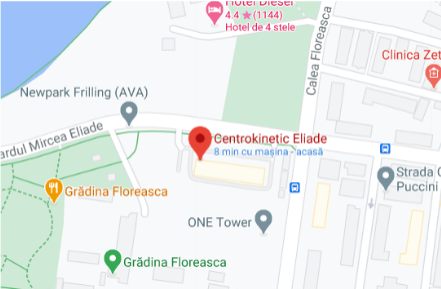
CENTROKINETIC FLOREASCA
Bucharest, 1st District,
Mircea Eliade Street, no. 18,
Eliade Tower, Entrance A, Floor 3
| Navigation | Explore 3D |
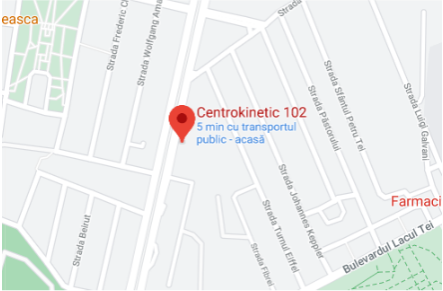
CENTROKINETIC Barbu Vacarescu
Bucharest, 2nd District,
Barbu Vacarescu Street, no. 102,
102 The Address, ground floor.
| Navigation | Explore 3D |
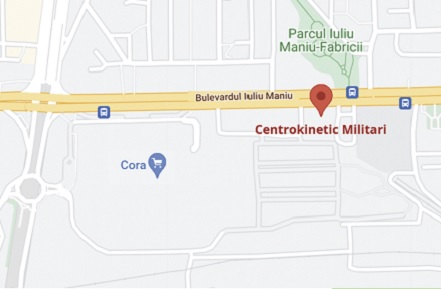
CENTROKINETIC MILITARI
Bucuresti, Sector 6,
Bld. Iuliu Maniu, nr. 15G,
Cladirea PBT, etaj 3.
| Navigation |
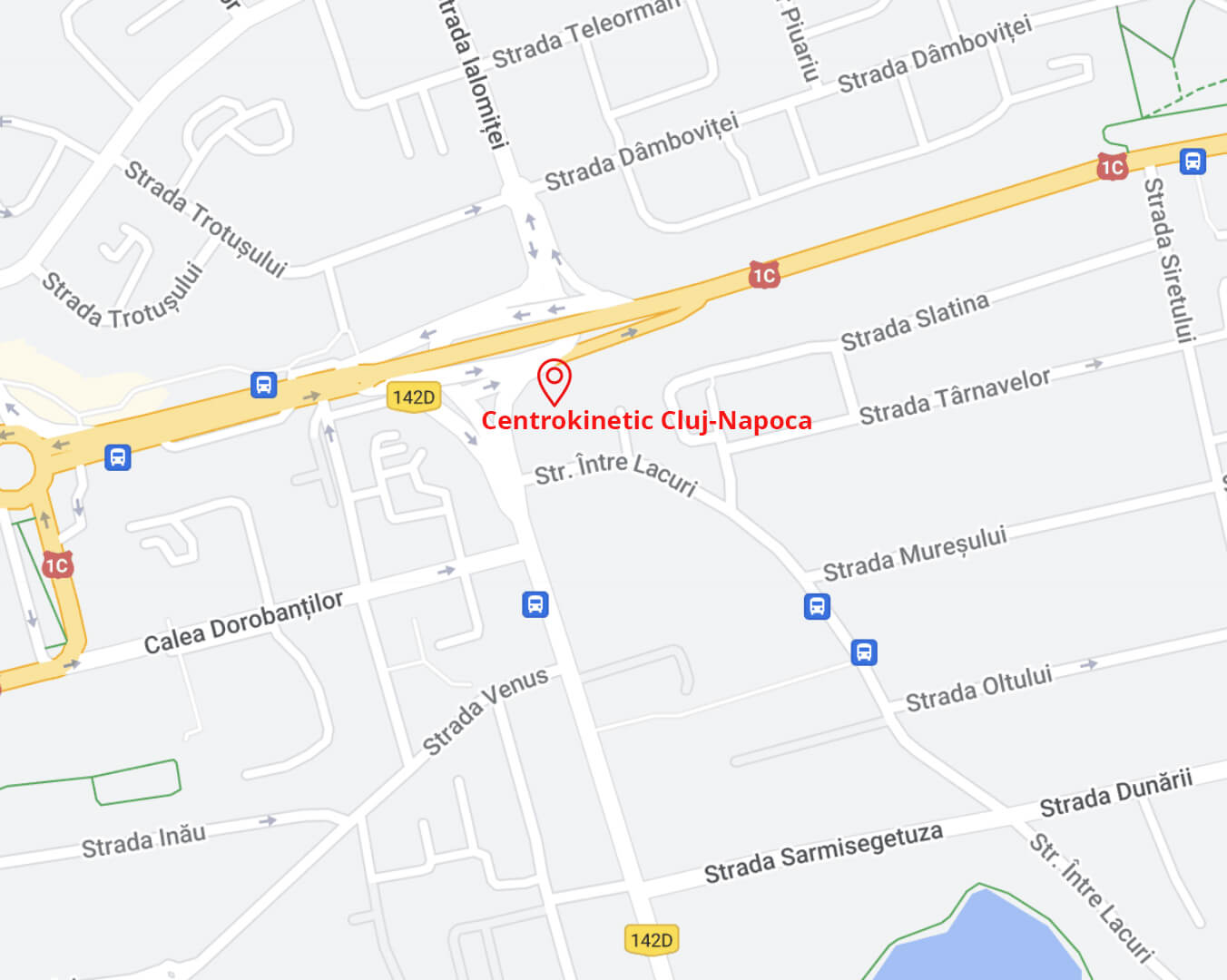
CENTROKINETIC CLUJ-NAPOCA
Cluj-Napoca,
Str. Intre Lacuri, nr.1
Intrarea este in spatele cladirii.
| Navigation |
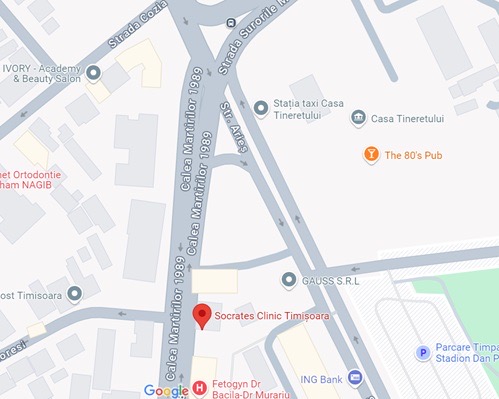
SOCRATES CLINIC TIMISOARA
Timisoara, Calea Martirilor 1989,
nr. 1.
Telefon: 0371 785 374.
| Navigation |
Phone: 0319693
E-mail: programari@centrokinetic.ro
Operating hours:
Monday – Friday: 07:00 – 21:00
Saturday: 09:00 – 14:00
Sunday: closed.
MAKE AN APPOINTMENT