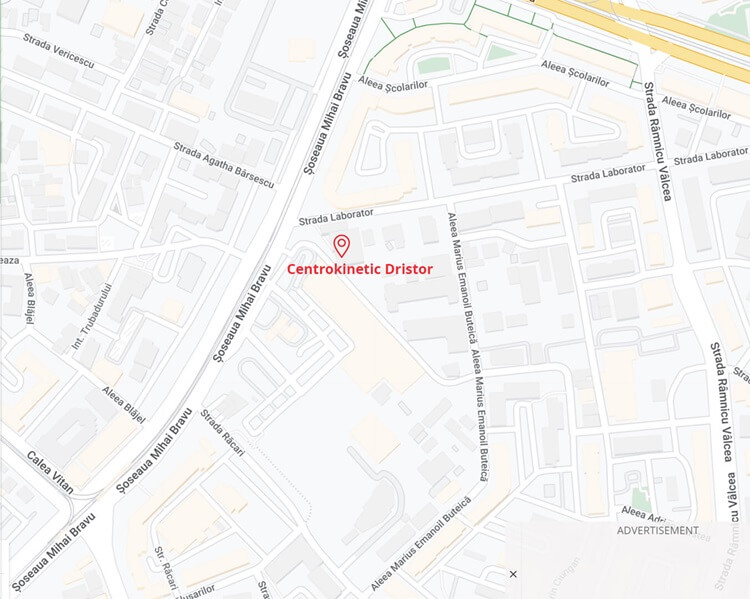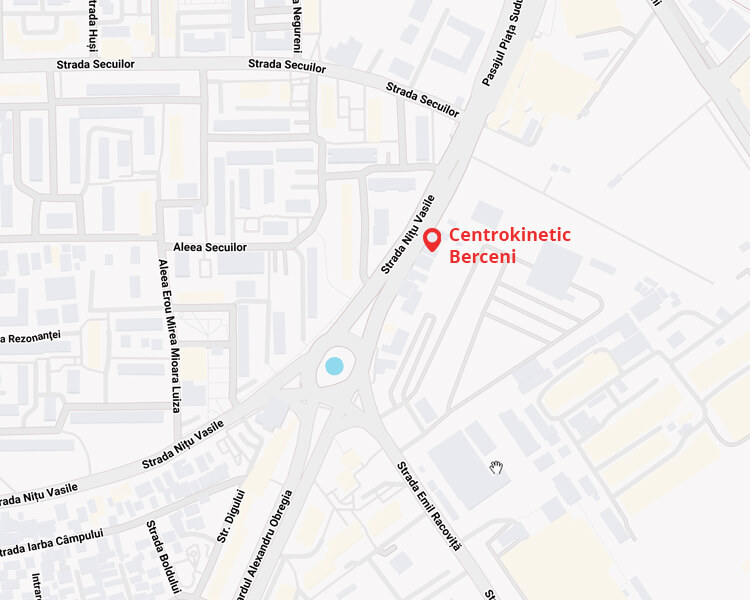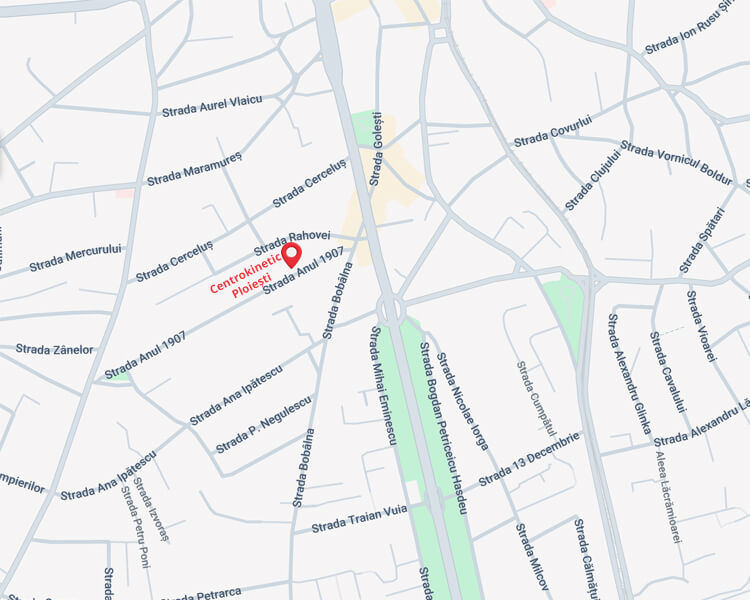





















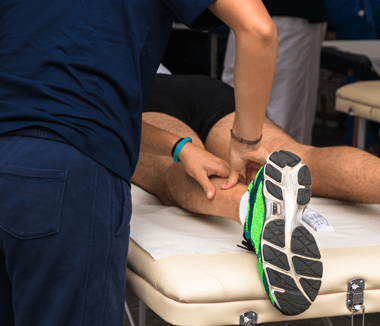
See details
READ MORE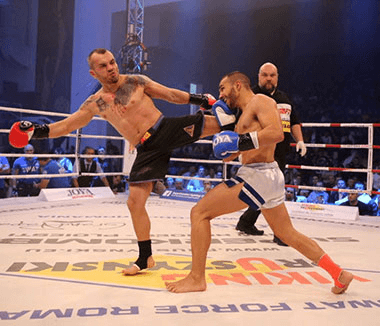

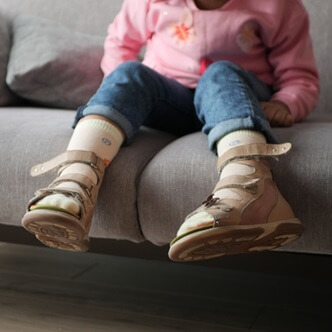
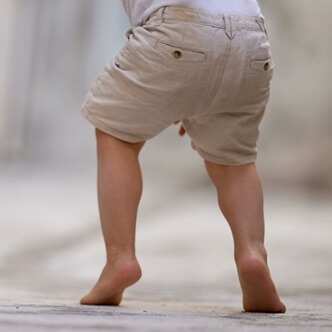
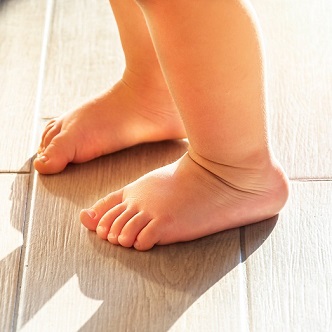
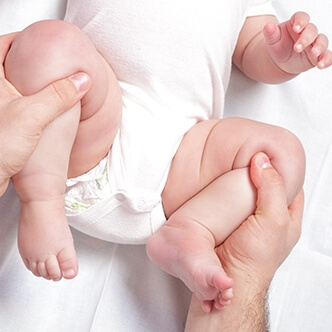
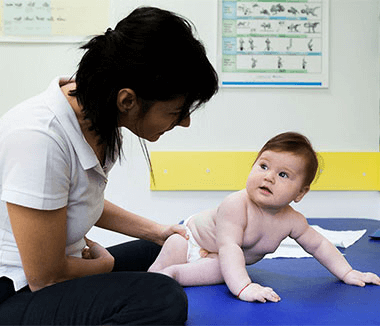
Genu varum, commonly called bow legs, is often a normal stage of a child's development. Find out when persistent curvature needs medical attention and how treatment is decided. Learn more in this article.
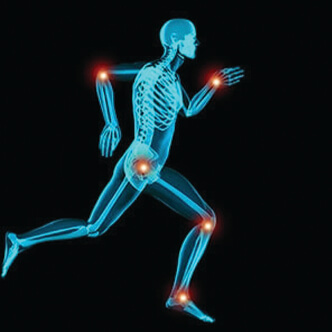
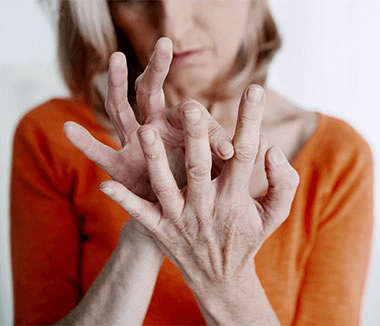
READ MORERheumatism is an umbrella term for joint and muscle pain with very different causes. Find out how to recognize the symptoms, when to seek a medical evaluation and how medical rehabilitation supports mobility. Learn more in this article.
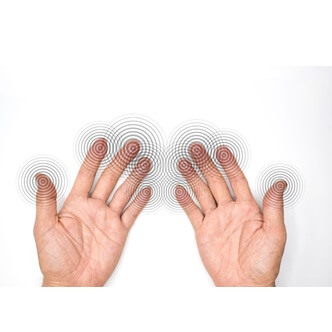
READ MORETingling in the legs can be temporary or can signal nerve, vascular or spinal problems. Find out the warning signs, how the cause is determined and when medical rehabilitation helps. Learn more in this article.
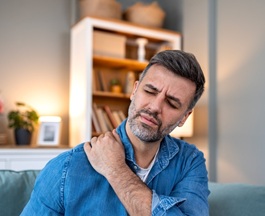
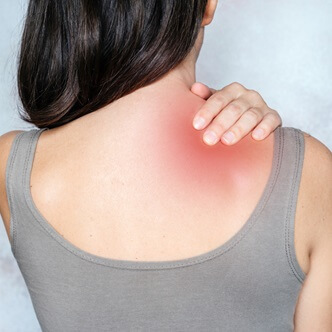
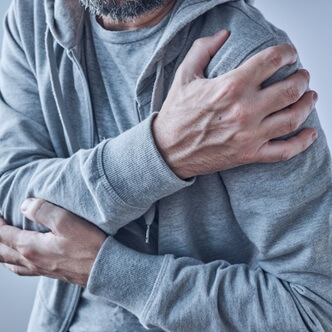
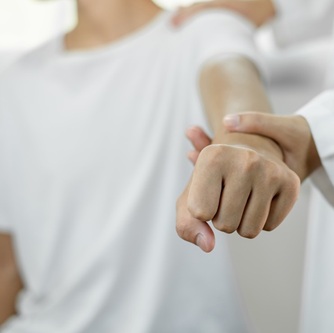
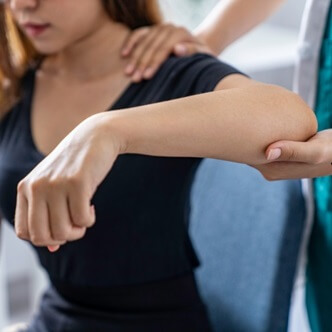
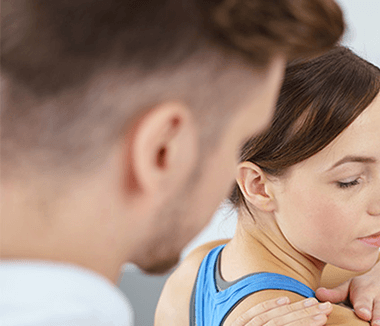
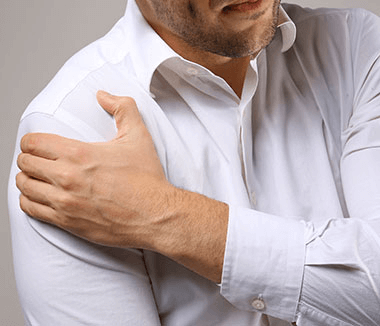
READ MOREShoulder impingement syndrome occurs when the rotator cuff tendons become irritated as you raise your arm. Find out its causes and symptoms and how physiotherapy supports recovery. Learn more in this article.
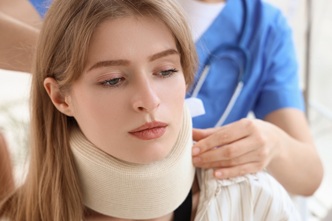
READ MOREA cervical collar temporarily supports the head and limits neck movement after injuries or surgery. Find out when it is recommended, how long it should be worn and how physiotherapy supports recovery. Learn more in this article.
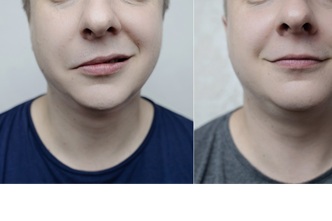
READ MOREPeripheral facial palsy weakens the muscles on one side of the face and can resemble a stroke. Find out how it differs from the central form, how it is treated and how neurological rehabilitation helps. Learn more in this article.
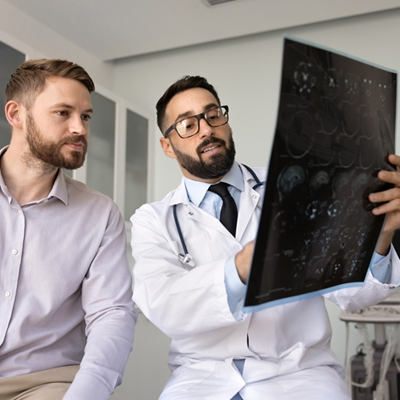
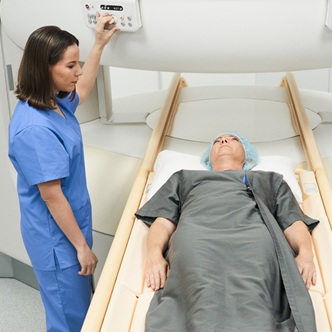
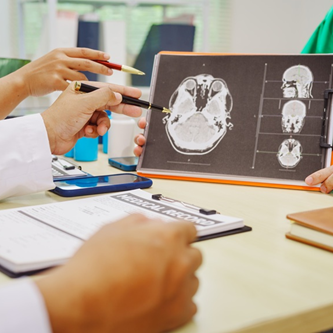
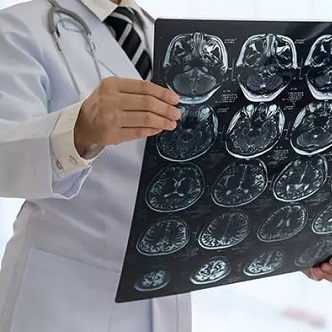
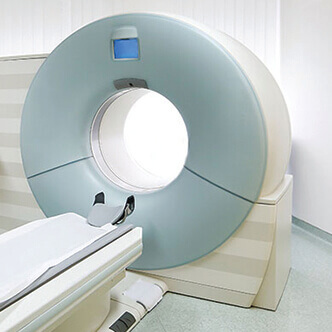
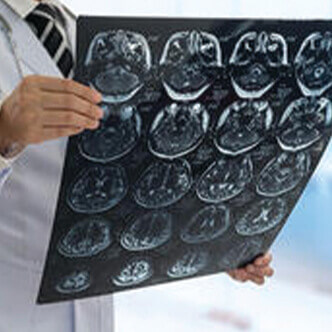
READ MOREAn MRI can show changes even when you have no pain or other symptoms. Find out what these results mean and when it is time to see a doctor. Learn more in this article.
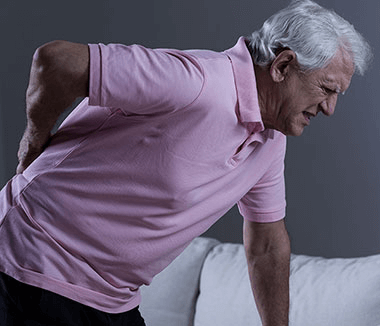
READ MOREA sciatica flare-up can last between 4 and 8 weeks, but the outcome depends on the cause and how quickly you act. Find out how long a flare-up lasts, how to recognize signs of improvement or worsening, and when it's time to see a doctor. Learn more in this article.
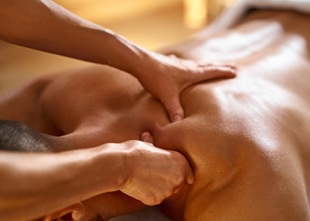
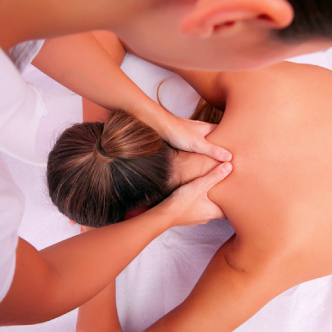
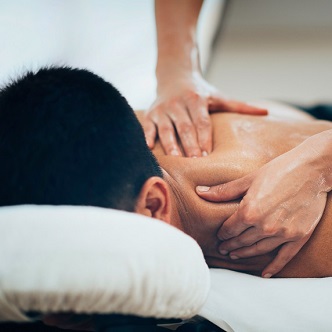
READ MOREDo you have questions about therapeutic massage? Find clear answers about pain, contraindications, duration, and prices, straight from the Centrokinetic specialists. Learn more in this article.
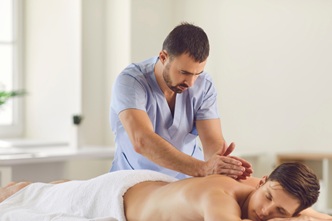
READ MORETherapeutic massage can quickly ease back pain, but it does not always solve the real cause of the problem. Find out when it is enough and when it should be combined with physical therapy. Learn more in this article.
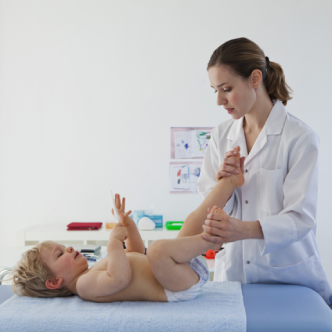
READ MOREPediatric recovery services in Bucharest, Cluj, and Brasov. Correct assessment, personalized plan, and specialized team. Schedule now at Centrokinetic!
READ MOREFind out the duration and cost of the initial rehabilitation medicine consultation at Centrokinetic. Discover clear information about assessment and treatment.
READ MOREFind out the steps of a manual therapy session at Centrokinetic: initial consultation, functional assessment, applied techniques, and post-treatment recommendations.
READ MOREFind out how manual therapy helps with low back pain, disc herniation, frozen shoulder and other conditions. Read useful information from the Centrokinetic specialists!
READ MOREFind out how multidisciplinary pediatric rehabilitation works at Centrokinetic and why correct evaluation and early intervention matter!
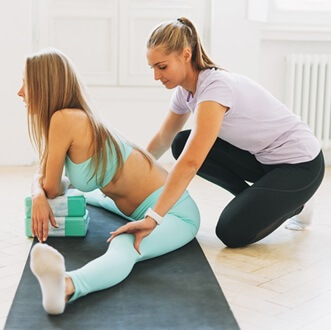
READ MOREDo you feel tension in your back or neck? Learn how to correct your posture through therapeutic stretching. Discover specific exercises for your shoulders and lower back.
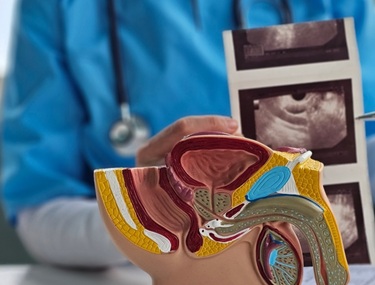
READ MOREDo you have sudden testicular pain, swelling, or a palpable lump? Find out when a testicular ultrasound is recommended and what information the investigation can provide!
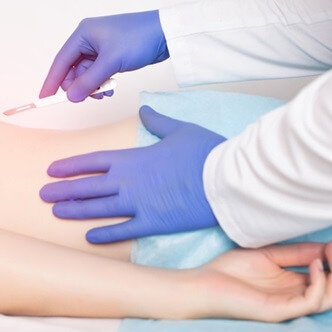
READ MOREHave you found a lump under your skin? Learn how soft tissue ultrasound differentiates a lipoma, a cyst, and a hernia, and when a specialist consultation is needed.
READ MOREWondering how long you'll spend in the MRI machine and when you'll get your diagnosis? Find out the scan duration and how many days it takes to receive your medical report at Centrokinetic!
READ MOREFind out the main differences between an open and a closed MRI, what advantages each option offers, and how to choose the right investigation for you. Learn more in this article.
READ MOREPrivate or public orthopedics? Discover the differences in waiting times, costs, access to investigations, and recovery. Learn more in this article.
READ MOREArthritis and osteoarthritis are different joint conditions, with distinct mechanisms, symptoms, and treatments. Learn more in this article.
READ MORETrigger points are small, tense spots within a muscle that can cause both local pain and pain felt at a distance, contributing to chronic muscle pain. Learn more in this article.
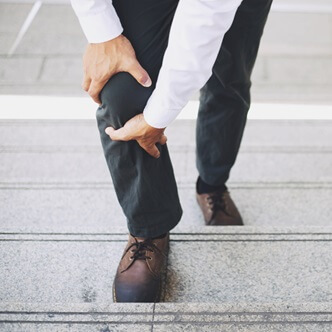
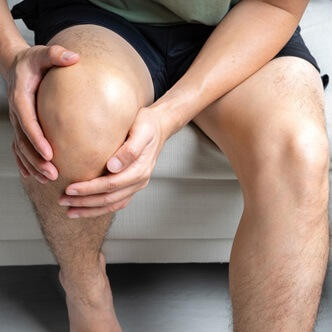
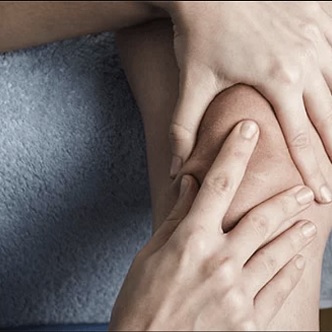
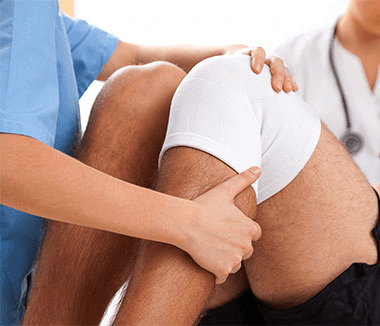
READ MOREDoes your knee hurt when climbing stairs and you are not sure if you need an orthopedist, an MRI, or physiotherapy? Learn more in this article.
READ MOREStarted kinetotherapy and feeling pain or discomfort? Find out when it is a normal body reaction and when you should ask for a reassessment. Learn more in this article.
READ MOREGot a referral for physical therapy and want to know exactly what to expect? Find answers to the 15 most frequent questions about physical therapy sessions at a private clinic. Learn more in this article.
READ MOREDiscover the differences between varicose veins and chronic venous insufficiency, their specific symptoms, and when a Doppler evaluation is needed. Learn more in this article.
READ MORENerve compression occurs when a nerve is pressed by bone, disc, muscle, or ligament and can cause pain, tingling, or numbness. Learn more in this article.
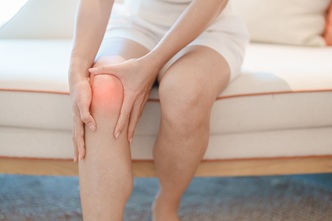
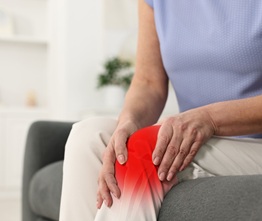
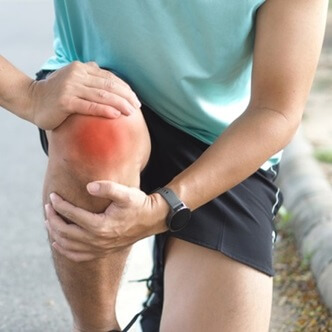
READ MOREKnee pain that keeps coming back may signal a meniscus tear, ligament instability, or early cartilage wear. Learn more in this article.
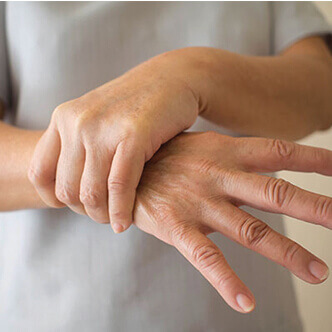
READ MOREHand numbness can be harmless or a sign of a more serious neurological problem. Learn more in this article.
READ MOREDo you feel shoulder pain when lifting your arm or at night, on the affected side? Find out what impingement syndrome is, what investigations orthopedists recommend, and what treatment solutions are available. Learn more in this article.
READ MOREOsteoarthritis can change the way you walk, play sports, or organize your daily activities, but a diagnosis doesn't automatically mean you need a joint replacement. Learn more in this article.
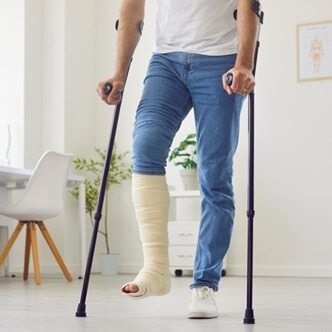
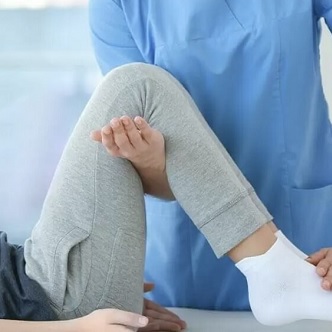
READ MOREAfter a fracture, when you start recovery can make the difference between a fast return to normal life and long-term complications. Learn more in this article.
READ MOREA few days of rest may be enough, but sometimes your symptoms show you need medical recovery. Learn more in this article.
READ MOREMRI or X-ray? Find out which investigation gives you the right answers, based on your symptoms and the doctor's suspicion. Learn more in this article.
READ MORELearn what an orthopedic doctor does, which conditions they treat, what tests they may recommend, and when you should schedule an orthopedic consultation.
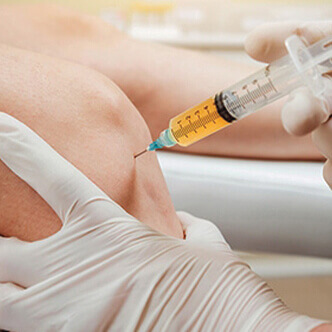
READ MORELearn how doctors choose between physiotherapy, exercise therapy and injections for joint pain and when each treatment option may be recommended.
READ MOREFind out how many physical therapy sessions are needed for tendonitis and when the first results appear. A guide to proper recovery and preventing recurrence.
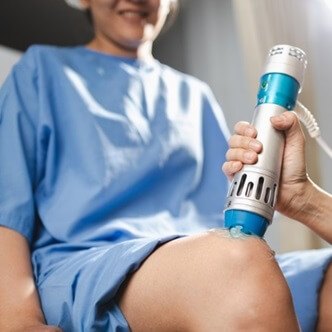
READ MOREFind out which conditions Shockwave therapy is used for and when it is indicated. Here is how you can benefit from a proper assessment and personalized treatment.
READ MOREFind out how much medical rehabilitation costs in 2026, in Romania, what influences the price and how to choose the right program for you! Centrokinetic Guide!
READ MOREFind out what personalized medical rehabilitation means, what are the stages, benefits and the role of correct evaluation. Read the complete Centrokinetic guide!
READ MOREFind out the correct protocol for effective recovery from a muscle tear. Stages, modern therapies and clear medical recommendations!
READ MOREFind out the exact steps for a quick appointment at medical recovery services with a CNAS ticket. Required documents, evaluation and useful recommendations.
READ MOREDo you want a quick recovery after surgery? Avoid the 7 common mistakes that can delay your medical recovery. Advice from Centrokinetic specialists!
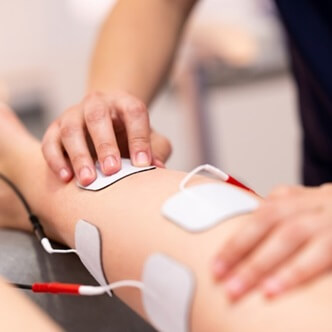
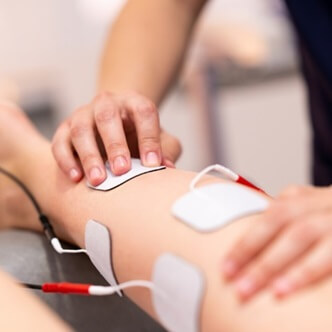
READ MOREFind out what role electrostimulation and active physiotherapy play in medical recovery. Read this clear Centrokinetic guide, based on current medical sources!
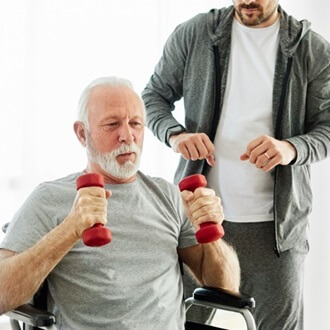
READ MOREComplete guide to spasticity: causes, symptoms, evaluation, and modern neurological and neurosurgical treatments.
READ MOREAdvanced spasticity treatment: evaluation, functional neurosurgery, and neurological rehabilitation at Centrokinetic.
READ MOREFind out why cryotherapy is included in postoperative orthopedic treatments, how it reduces pain and swelling, and when it is recommended during recovery.
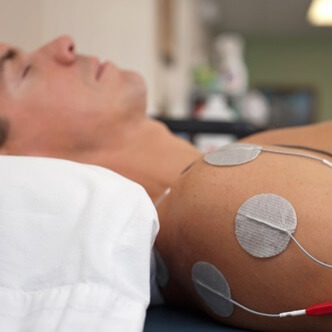
READ MOREFind out when electrostimulation is recommended for muscle recovery, what benefits it offers, and what risks it involves. A complete guide from Centrokinetic specialists!
READ MOREFind out the steps of a Shockwave therapy session at Centrokinetic Cluj: evaluation, sensations, results, and post-treatment recommendations. Read the article!
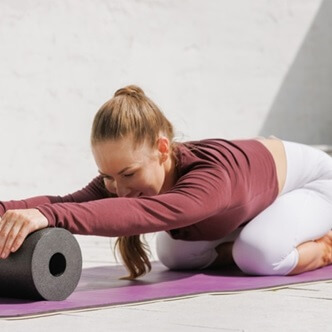
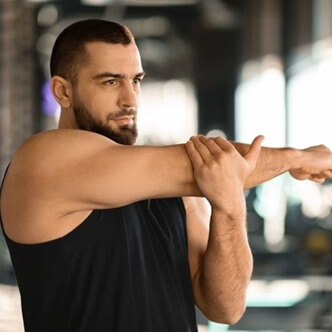
READ MOREStretching after training supports mobility, reduces muscle tension and prevents recurring pain. Useful recommendations Centrokinetic!
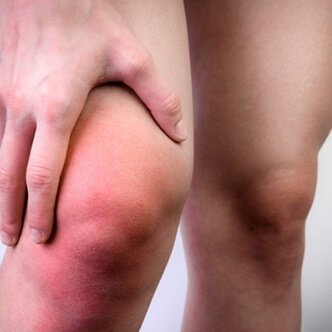
READ MOREFind out what causes knee pain and swelling and how they are treated at Centrokinetic through orthopedic evaluation and personalized rehabilitation.
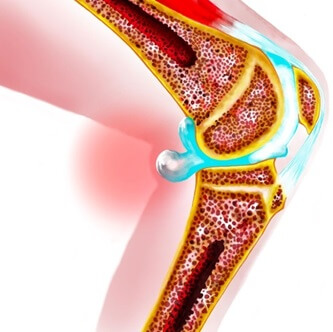
READ MOREFind out why fluid collects in the knee, how to recognize the symptoms and what investigations are necessary. Discover treatment and recovery options!
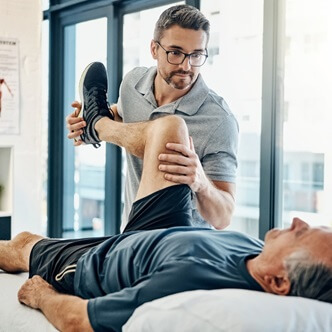
READ MOREFind out what happens step by step in a physiotherapy program at Centrokinetic: assessment, exercises, monitoring and safe return to movement!
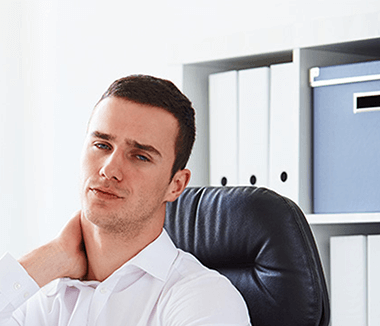
READ MOREDiscover how physiotherapy can help you prevent back pain caused by sitting at the office. Here's why timely medical evaluation is important!
READ MOREFind out how long medical recovery takes after an injury, what stages the body goes through, and what factors influence healing. Clear explanations from Centrokinetic!
READ MORELearn the differences between manual therapy and assisted physiotherapy, when each is recommended, and how Centrokinetic specialists combine them for recovery!
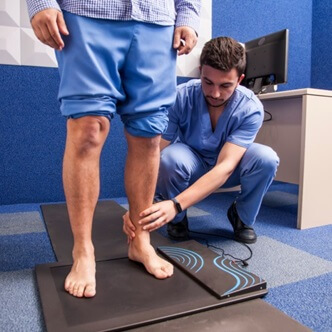
READ MOREFind out how we use digital postural analysis at Centrokinetic to build personalized treatment plans and monitor objective progress!
READ MOREFind out why collaboration between an orthopedic doctor and a physical therapist is essential for recovery: correct diagnosis and personalized plan for safe movements!
READ MOREFind out how Centrokinetic supports amateur and professional athletes to return to performance: assessment, physiotherapy, physiotherapy and return to effort!
READ MOREFind out why warming up is essential in physiotherapy and medical recovery, what role it plays and when it is indicated in the programs available at Centrokinetic!
READ MOREFind out when postoperative recovery is necessary, how long the process takes, and what role physical therapy and physiotherapy play. Read the Centrokinetic guide!
READ MOREFind out how often physiotherapy sessions are recommended, how the frequency is determined and when to adjust the plan. Here are explanations from Centrokinetic therapists!
READ MORELearn the differences between medical rehabilitation and physiotherapy, when each is indicated and how to choose the right treatment with the help of Centrokinetic!
READ MOREFind out when persistent pain requires a consultation, what warning signs to watch for, and how to prepare for an evaluation at Centrokinetic!
READ MOREFind out how long it takes for physiotherapy results to appear, what factors influence recovery, and how you can speed up the process with the help of Centrokinetic specialists!
READ MOREFind out how a herniated disc diagnosis is made and which specialists participate in the evaluation. Modern investigations and optimal recovery at Centrokinetic!
READ MOREFind out what interferential current (ICF) is, when it is recommended, how it is applied, and what benefits it offers for pain, inflammation, and functional recovery!
READ MOREFind out what spinal physiotherapy involves, what techniques specialists use, and how it can help you reduce pain and improve your mobility.
READ MOREFind out what procedures are used in physiotherapy, when they are recommended, and how Centrokinetic can help you reduce pain and speed up recovery!
READ MOREFind out what physiotherapy is, how it works and when it is recommended. Discover the personalized medical rehabilitation programs from Centrokinetic!
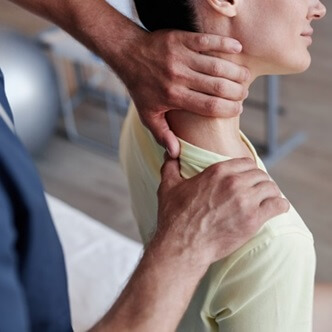
READ MORELearn what problems poor neck posture causes—neck pain, stiffness—and how to recognize them. See the warning signs and treatment options!
READ MORELearn everything about first aid for contusions, the measures that help you avoid complications and when specialist medical consultation is necessary!
READ MOREFind out the difference between a fracture and a crack: the main symptoms, diagnosis, treatment and recovery. Read the Centrokinetic guide!
READ MOREFind out which doctor to go to for scoliosis, how the diagnosis is made, and what modern treatment and recovery options Centrokinetic specialists offer!
READ MOREFind out what the most common orthopedic conditions are and how Centrokinetic doctors help you through personalized treatments and modern recovery!
READ MORELearn what L5-S1 means, what symptoms conditions at this level cause, and which treatment options are recommended by Centrokinetic specialists
READ MOREFind out what neuromotor recovery means, when it is recommended and what modern methods Centrokinetic specialists use to restore mobility!
READ MOREFind out which doctor treats the spine, when consultation is recommended, and what modern treatment and prevention options are available at Centrokinetic clinics!
READ MOREFind out which Centrokinetic specialist deals with treating back pain. Quick diagnosis and personalized recovery programs!
READ MOREFind out how to recover after a shoulder dislocation and what exercises Centrokinetic specialists recommend for a safe return and prevention of relapses!
READ MOREFind out how recovery after hip replacement proceeds and what exercises Centrokinetic specialists recommend for optimal recovery!
READ MOREFind out what methods Centrokinetic uses to recover athletes after injuries. Personalized physiotherapy and kinesitherapy evaluation and programs!
READ MORELearn how to treat sciatic nerve inflammation and how long it takes to recover. Complete evaluation and modern treatments for sciatica at Centrokinetic.
READ MOREFind out what types of injections can be recommended for back pain, how each works and when they are indicated. Evaluation and treatment at Centrokinetic!
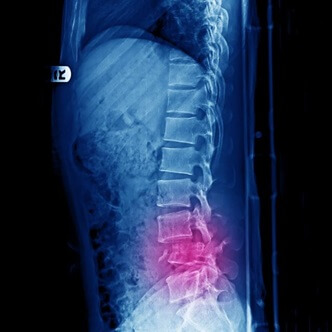
READ MORELearn what symptoms occur when you have spinal problems and when you should see a doctor. MRI evaluations, treatments, and recovery at Centrokinetic!
READ MOREFREE hip dysplasia screening for babies (2 weeks–3 months) on March 22, 2026, at Centrokinetic Cluj. Limited spots available.
READ MOREThe role of physical exercise and physical therapy procedures in pelvic-perineal re-education in uro-genital pathologies is essential, as these methods represent the first line of treatment for conditions such as urinary incontinence, pelvic organ prolapse, chronic pelvic pain, or sexual dysfunctions. Learn more in this article!
READ MOREFind out how physiotherapy helps you recover after a sports injury and how you can safely resume your activity with the help of Centrokinetic!
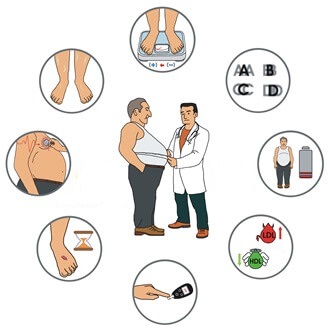
READ MOREDiabetes mellitus is a chronic metabolic disorder characterized by high blood sugar levels, caused by either insufficient insulin production or the body's ineffective use of insulin. Insulin is the hormone that helps glucose enter cells, where it is used as an energy source. Learn more in this article!
READ MOREFind out how long recovery takes after a radius fracture, what factors influence healing, and how physical therapy can help you return to full mobility!
READ MOREFind out what ultrasound therapy is, how it works, when it is recommended and what benefits it brings in medical recovery, with Centrokinetic specialists!
READ MOREThe postnatal recovery process differs depending on the type of birth, but in both cases, a thoughtful approach is essential to support healing and a return to well-being.
READ MORELearn all about neurological recovery after spinal cord injuries: what are the objectives, what does it involve and what are the factors that influence the prognosis!
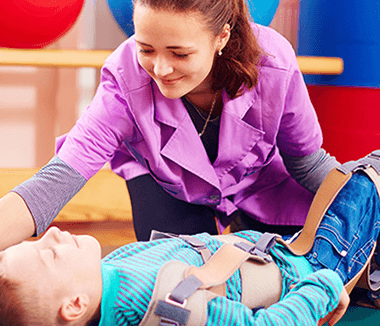
READ MOREMotor recovery in children with cerebral palsy is a complex process. Find out what type of techniques can be used in the recovery process and useful tips!
READ MORELearn how physical exercises and physiotherapy procedures can help alleviate menopause symptoms, enhancing mobility, muscle tone, and overall health.
READ MOREWalking on tiptoes is a behavior frequently found in children. Find out what the possible causes are, what symptoms you should watch out for and what treatments there are!
READ MORESedentaryism and prolonged stay at the office can lead to various health problems. Find out what are some of the conditions that can appear!
READ MOREHave you noticed a swelling behind the knee? You may have a Baker cyst! Find out everything you need to know about its causes, symptoms and treatment!
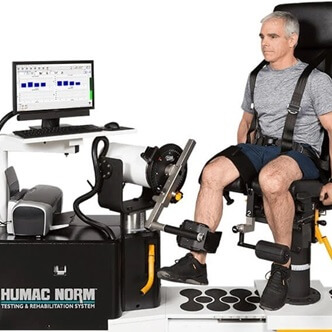
READ MOREFind out how muscle strength imbalances can increase the risk of injury in soccer players and how evaluation with the Cybex Humac Norm dynamometer, available at Centrokinetic, helps prevent injuries. Read about the benefits of a balanced strength for sports performance!
READ MOREBirth can leave marks on your body. Find out the role of physical therapy in postpartum recovery and how it can help you recover after birth!
READ MOREFind out everything you need to know about rickets in children: what are its causes, what are its symptoms and what are the available treatment options!
READ MOREParaplegia is the paralysis of the lower part of the body. Learn more about its causes and symptoms, as well as available treatment options!
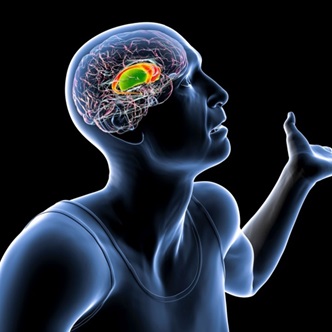
READ MOREFind out everything about Huntington's disease, a rare but incurable disorder: what are its causes and symptoms, what are the risk factors and how can it be treated!
READ MOREFind out everything you need to know about polyneuropathy: what it is, what are its causes and symptoms, how it is diagnosed and how it is treated!
READ MOREFind out how you can prevent relapses after a muscle sprain or strain! Discover useful tips and recommended exercises in such situations!
READ MOREHave you undergone or are you going to undergo a herniated disc operation? Find out what you need to do to avoid complications and facilitate the recovery process!
READ MOREFind out everything about meningioma, a fairly common brain tumor: what are its causes, what symptoms it causes and what treatment options are available!
READ MOREConsidered the most common disabling neurological condition in young adults, multiple sclerosis is a chronic, complex, and unpredictable disease, whose exact causes are not fully known and which cannot be cured.
READ MOREPhysical activity or any form of movement is a necessary condition for preventing illnesses and maintaining the health of the body.
READ MOREFind out everything about Behcet's disease: what causes it, what risk factors have been identified, what symptoms it manifests, and what treatment options are available!
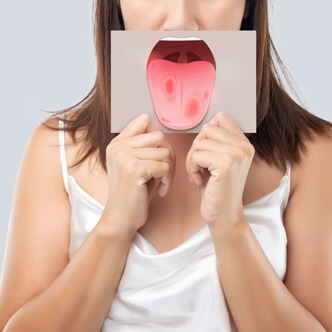
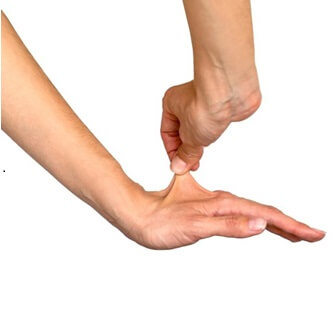
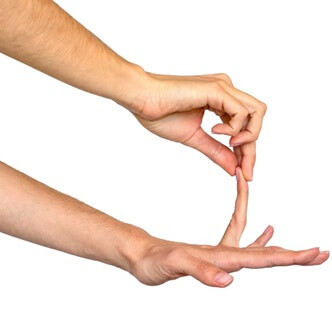
READ MOREEhlers-Danlos syndrome is a group of disorders that affect connective tissue. Find out how it manifests and what treatment options are available!
READ MOREGuillain-Barre Syndrome is a rare and serious neurological condition. Find out what causes it, the symptoms it causes, and what treatment options are available!
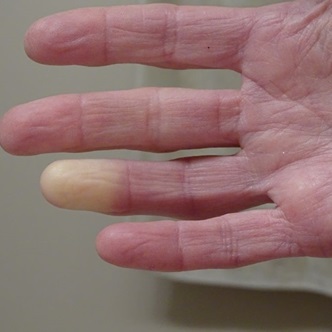
READ MORERaynaud's syndrome can significantly affect the quality of life. Find out everything you need to know about its causes, symptoms, diagnosis, and treatment!
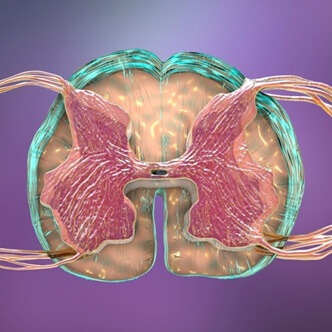
READ MOREFind out everything you need to know about syringomyelia, a rare and complex condition: what are its causes and symptoms, how can it be diagnosed and how is it treated.
READ MORECauda Equina Syndrome is a medical emergency. Centrokinetic tells you what it is and why this syndrome occurs, how it manifests itself and how it is treated.
READ MORECorrect posture is not just about standing straight to look good; it's an essential component of our physical and mental health. Good posture ensures proper alignment of bones and joints, allows muscles to function efficiently, reduces joint wear and tear, and prevents muscle fatigue.
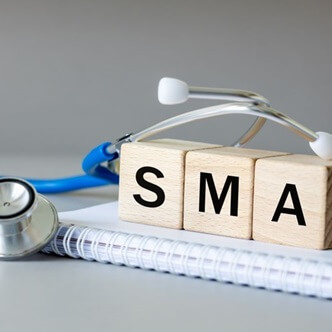
READ MORESpinal Muscular Atrophy (SMA), or spinal amyotrophy, is a neuromuscular disease characterized by the progressive degeneration and death of motor neurons in the spinal cord and brainstem. Normally, motor neurons - located in the brain and spinal cord - send signals to the body's muscles, instructing them to contract and move.
READ MOREMarfan syndrome is a genetic disorder that affects one in 3,000 to 5,000 people. It can occur in both men and women, regardless of race, and its manifestations can vary from person to person. Continue reading to learn more about this disease, its causes and symptoms, and how it can be treated!
READ MORERett syndrome is a rare genetic condition that mainly affects girls and can have serious consequences on their neurological development. Due to its symptoms, Rett syndrome is often misdiagnosed as autism, cerebral palsy, or developmental delay. Despite the similarities, it is a distinct condition, with its own course of evolution and a set of symptoms.
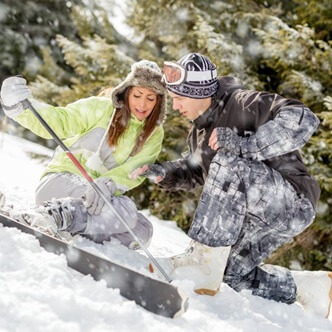
READ MORESkiing and snowboarding injuries occur more often than desired. Some are minor and easy to treat, others involve severe injuries that require surgical interventions and months of medical recovery.[1] It's important to take the necessary measures to prevent such injuries, and below you will discover more useful information on this topic, information that will help you enjoy your favorite winter sport in a safe and responsible manner.
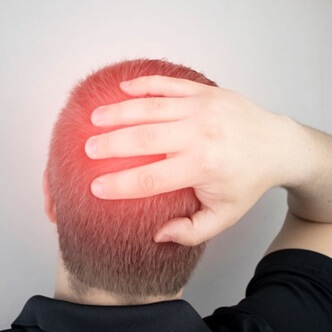
READ MOREArnold's neuralgia is a relatively rare condition, but it can cause severe pain in the head and neck. It can be difficult to diagnose, but once identified, there are several treatment options available to alleviate the symptoms.
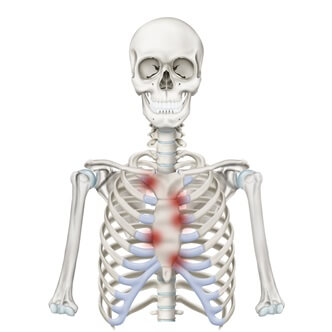
READ MORECostochondritis and Tietze syndrome are similar conditions, which is why they are sometimes confused. In costochondritis, pain occurs on the left side of the chest and can spread to the rest of the chest. In Tietze syndrome, pain and tenderness are accompanied by swelling felt in the area of the affected costochondral joints.
READ MORESports are an excellent way to maintain your health and good mood. Physical activity fights against depression, anxiety, daily stress, and helps with the optimal functioning of the body.
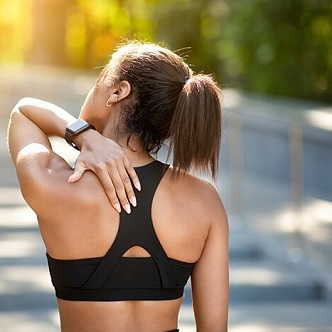
READ MOREDiscover what causes muscle pain, the main associated symptoms, and effective tips for relieving and preventing them. Get informed now for a healthier and more active life!
READ MOREMuscular dystrophy is characterized by its progressive nature, which means it continuously worsens over time. Initially, it targets a specific set of muscles, such as those of the face, legs, arms, spine, or even the heart. Eventually, it will begin to affect muscles across a broader spectrum.
READ MOREDiscover everything about hydrarthrosis or fluid on the knee: from causes and symptoms to modern treatment methods. Protect your joint health!
READ MOREDiscover what a muscle strain is, the main causes, and effective prevention and treatment methods. Learn how to protect your muscles and recover quickly!
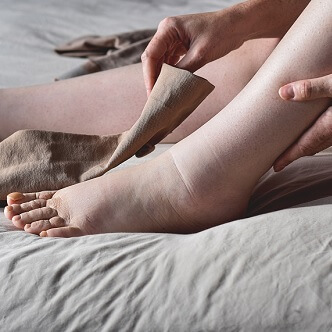
READ MORELymphedema is a chronic condition characterized by the abnormal swelling of surface tissues in the limbs. It is caused by disorders of the lymphatic vessels, which prevent the lymphatic system from efficiently draining fluids from the tissues.
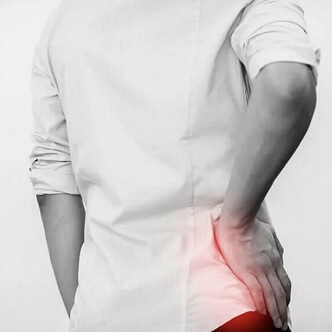
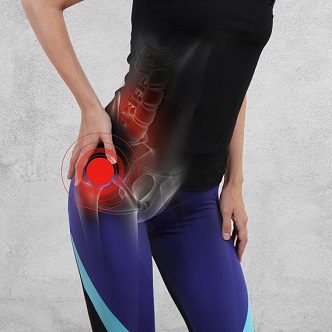
READ MOREThe human hip joint is a fairly complex ball-and-socket joint, essential for daily activities such as standing and walking. Therefore, when hip pain occurs, it can cause severe discomfort. Learn more in this article.
READ MOREsomnia is a sleep disorder that affects up to 35% of adults. It can be characterized either by difficulty falling asleep, staying asleep, and even by short periods of sleep. Find out more information in this article.
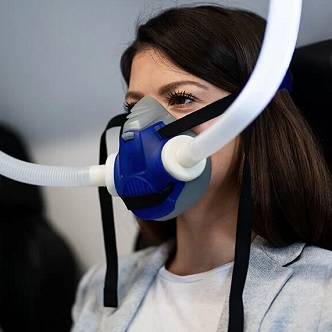
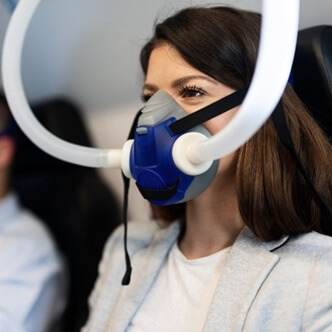
READ MOREHyperbaric therapy treats wounds and other medical conditions by delivering 100% oxygen in a special chamber. Normally, room air contains 21% oxygen, while hyperbaric therapy provides air containing 100% oxygen.
READ MOREMany people keep their head in an incorrect position for hours on end every day, which means keeping the cervical spine in an immobile position. As a result of this incorrect posture, they feel heaviness, tension, cramps, and discomfort, especially in the cervical area. Find out more information in this article.
READ MOREThe metatarsus is a group of bones in the middle section of the foot. Each foot has five metatarsal bones, with each bone being connected to the phalanges of the toes. Find out more in this article.
READ MOREOsteonecrosis or avascular necrosis represents the death of bone tissue due to the interruption of blood flow to it. A broken bone or a dislocated joint can stop blood flow to a section of the bone. Find out more information in this article.
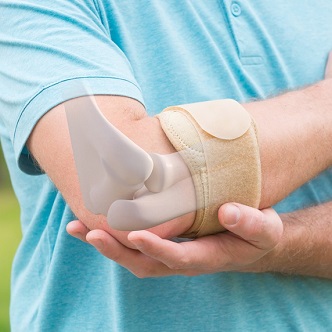
READ MOREThe elbow is the popular name for the joint that connects the shoulder to the forearm. Pain in this joint occurs when the elbow is bent or at rest, or when lifting weights. Learn more in this article.
READ MOREHemiplegia means the paralysis of one half of the body, secondary to damage to the motor nerve pathways. Hemiplegia can affect either the right or the left side of the body and can be permanent or temporary. Find out more in this article.
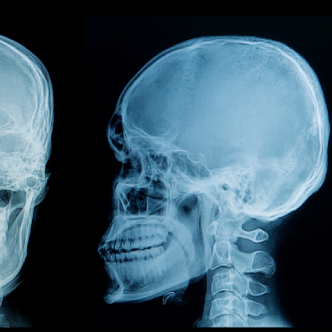
READ MOREBrachycephaly is a condition characterized by the flattening of the back of the skull, caused by the position in which a baby spends most of their time: on their back. Learn more in this article.
READ MOREOsteophytosis is a common condition after the age of 60 and involves the formation of smooth bone growths, also called bone spurs (osteophytes). Find out more information in this article.
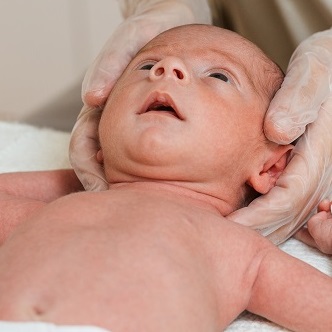
READ MOREPlagiocephaly is the medical term for an asymmetrical, flattened shape of a baby's head. In this article, you can find out what the causes of plagiocephaly are, how it can be prevented, and what the existing treatment options are.
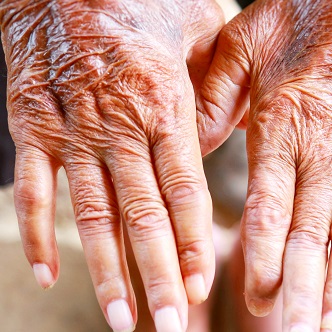
READ MOREScleroderma can be one of the forms of manifestation of systemic sclerosis, an autoimmune disease that affects the subcutaneous connective tissue, muscles, and internal organs. Find out more in this article.
READ MOREDisc protrusion is a relatively common form of spinal deterioration that causes neck and back pain. The changes that occur with the normal aging process are responsible for the deterioration of intervertebral discs, but an injury could accelerate the degenerative process.
READ MOREArthritis is often talked about as a disease in its own right, which is not completely true. Rather, arthritis is a symptom that can appear in over 100 diseases, each having different causes and treatments. In this article, we will discuss the most common forms of arthritis, their causes, how they manifest, and the existing treatment options.
READ MOREThe pelvic floor muscles support the bladder, bowel, and uterus. They prevent bladder and bowel incontinence, as well as prolapse, and are also important in sexual function. Find out more in this article.
READ MOREKegel exercises are not exercises that will help you look better, but they do something very important for your health - they strengthen the muscles that support the urinary bladder. Strong pelvic floor muscles can go a long way toward preventing incontinence. Find out more in this article.
READ MOREAcupressure is a form of alternative therapy closely related to acupuncture and reflexology. Since ancient times, it has been used to relieve the symptoms of various conditions and, in general, to improve the quality of life. Find out more in this article.
READ MORETendons are bands of connective tissue that connect muscles to bones and play an important role in movement. Sometimes, calcium deposits accumulate within them, leading to a condition called calcific tendinitis. Learn more in this article.
READ MOREMassage rehabilitation involves reducing the barriers that slow down healing. Recovery through massage can help treat acute pain and the effects of injuries and surgical procedures. Find out more information in this article.
READ MOREBy definition, spondylolisthesis is a spinal condition that affects approximately 5% of the population. Learn more in this article.
READ MORETreatment with intra-articular or periarticular infiltrations represents, perhaps, the fastest remedy for pain and lack of mobility.
READ MORESpasticity is an abnormal increase in muscle contraction, often caused by damage to the central motor pathways that control voluntary movement.
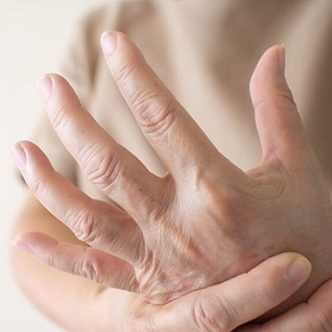
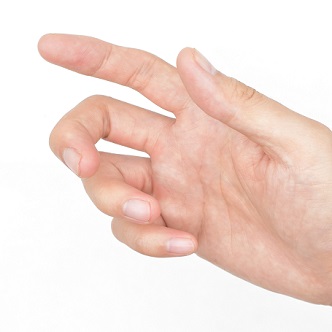
READ MOREDupuytren's contracture is also called Dupuytren's disease, Morbus Dupuytren, Viking disease, and Celtic hand. Dupuytren's contracture usually develops over the years and affects a layer of tissue that lies beneath the skin of the palm. Find out more in this article.
READ MORETendons are cords of tough, fibrous connective tissue that attach muscles to bones. Tendinitis is an inflammation of the tendon. Learn more in this article.
READ MOREIt is no longer news that medicine has evolved significantly in recent years, making available today various fast and effective treatment methods. Among these are intra-articular hyaluronic acid injections.
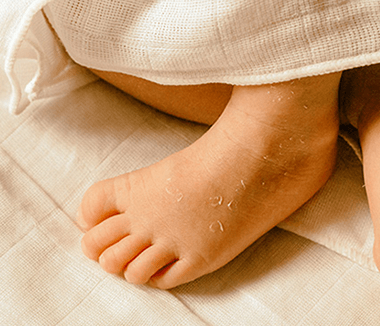
READ MOREClubfoot (talipes equinovarus) is not a congenital malformation, but rather describes a series of developmental abnormalities usually present at birth. The baby's foot is twisted, as the tissues that connect muscles to bone (tendons) are shorter than usual. Read more in this article.
READ MORECoxa Vara describes a hip deformity in which the angle between the femoral neck and the diaphysis—the long, vertical, and straight part of the bone—decreases below its normal value depending on age, being less than 120 degrees. Learn more in this article.
READ MOREArthrogryposis represents the persistent immobilization of a joint, which manifests through spasmodic contraction of the limb musculature. This medical condition, which occurs in both flexion and extension, can mean regaining mobility if treated in time. Read more in this article.
READ MOREOsgood-Schlatter disease, also called the growing tibial condyle, is a condition caused by consecutive microtraumas of the anterior tibial condyle, which develops during its ossification. This happens especially in adolescents who exercise regularly.
READ MORESynovial cysts are non-cancerous lumps that develop most commonly along the tendons or joints of the wrists. They are also called ganglion cysts.
READ MOREHyaluronic acid (hyaluronate) is a natural component of the synovial fluid in the knee (and of the vitreous humor of the eye), with this fluid serving to lubricate the joint. In this way, movement is facilitated, and the bones do not rub against each other.
READ MOREHyaluronic acid works as a lubricant and shock absorber in the joints, helping them function properly. Hyaluronic acid injections are used to treat knee pain caused by knee osteoarthritis in individuals who have already been treated with pain relievers or who have undergone other treatments that did not yield results.
READ MORESports massage is a form of therapeutic massage, sports massage involves the manipulation of soft tissues for the benefit of a person engaged in regular physical activities. Read more in this article.
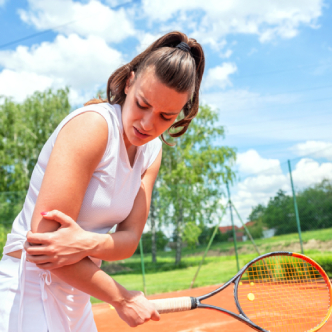
READ MORELateral epicondylitis is also referred to in the specialist literature as "tennis elbow" and is actually an inflammation accompanied by pain that manifests when a person overuses the muscles and tendons at the level of the elbow. Read more in this article.
READ MOREMeningitis is a bacterial, viral, or fungal infection that can cause inflammation of the protective membranes surrounding the brain and spinal cord (the meninges). The disorder can occur in three different forms: adult, infantile, and neonatal.
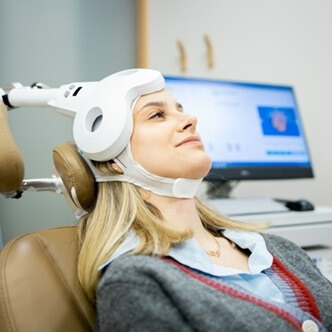
READ MOREFind out what transcranial magnetic stimulation (rTMS) is, when it is recommended, what its benefits are and how the treatment is carried out. Clear information at Centrokinetic.
READ MOREFind out what hyperbaric oxygen therapy (HBOT) is, when it is medically indicated, what uses are controversial, and what the current scientific data says!
READ MOREFibromyalgia is a condition characterized by widespread musculoskeletal pain, accompanied by fatigue, sleepiness, mood alterations, and memory problems. Find out more information in this article.
READ MOREUrinary incontinence (UI) has a prevalence of 30-40% in women who have given birth and at menopause. Centrokinetic presents a study tracking the results of a new non-surgical treatment that can offer an affordable and discreet solution to this common problem.
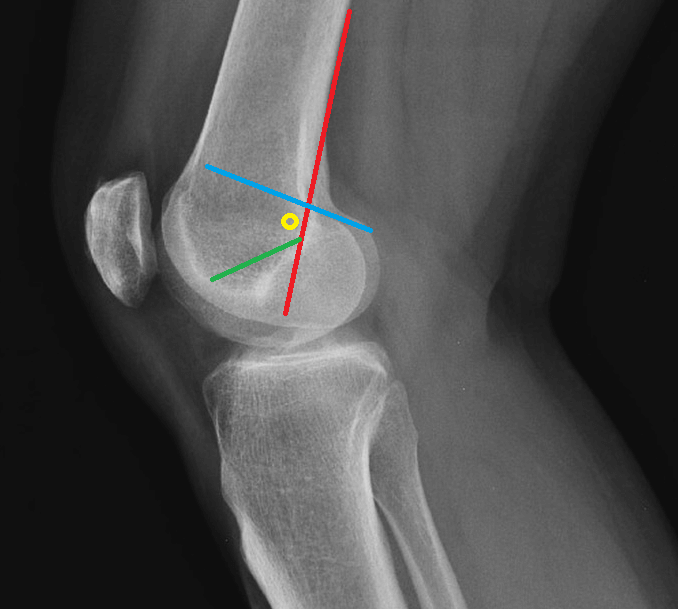
READ MORECentrokinetic is the place where you will find clear answers and solutions for your motor skill problems. Find out more about the anatomo-imaging correlations on the anatomy of the patellar stabilizer system.
READ MORESystemic sclerosis is an autoimmune inflammatory disease that leads to potentially widespread fibrosis and vascular abnormalities that can affect the skin, lungs, gastrointestinal tract, heart, and kidneys. The skin becomes thick and hard (sclerotic). Learn more in this article.
READ MORESinus tarsi syndrome is characterized by pain and inflammation in this area. Find out more information in this article.
READ MORESystemic lupus erythematosus (SLE) is an autoimmune disease. In this condition, the immune system mistakenly attacks healthy tissue. It can affect the skin, joints, kidneys, brain, and other organs. Learn more information in this article.
READ MOREBased on the provided document, the only mention of Lyme disease specifies that it is a type of brain infection that can cause severe headaches or migraines. The document does not contain information about the percentage of people who remember being bitten by a tick or the historical details of its identification in Old Lyme, Connecticut, in 1975
READ MOREBone marrow edema (BME) is a descriptive term for a common finding on magnetic resonance imaging (MRI). Diamagnetic therapy is a non-invasive procedure involving the use of high-intensity, low-frequency pulsed magnetic fields.
READ MORETraumatic sternoclavicular joint dislocations are rare, with closed reduction being the treatment of choice. Failure of conservative treatment or skin prominence may require surgical intervention to ensure the best possible outcome.
READ MOREChronic back pain is the second most common condition suffered by adults, surpassed only by the common cold. It is recognized not only as a health issue but also as a social problem, as it is the most frequent cause of absenteeism among office workers. Find out more information in this article.
READ MOREBiceps femoris muscle injury is associated with decreased flexion strength and knee rotational stability. Learn more in this article.
READ MOREEach phase of recovery has goals and exercise suggestions for several areas to target: range of motion (mobility), flexibility, strength, endurance, proprioception, gait retraining, and cardiovascular fitness. Find out more information in this article.
READ MOREFlat foot is also known as the lowering or collapsing of the plantar arches. It is a common deformity that affects up to 30% of the population, causing symptoms in 1 out of 10 cases. Find out more information in this article.
READ MORELearn how laser therapy helps with cervical disc herniation, reducing pain and inflammation and supporting recovery without surgery.
READ MOREAccording to studies conducted in this regard, approximately 90% of the global population experiences back pain at least once in their lifetime. According to these studies, the average age of onset for back pain is steadily decreasing. Find out more information in this article.
READ MORECervical radiculopathy (CR) is a term used to describe radiating arm pain with motor, reflex, and/or sensory changes (such as paresthesia or numbness), triggered by neck posture(s) and/or movement(s). Find out more information in this article.
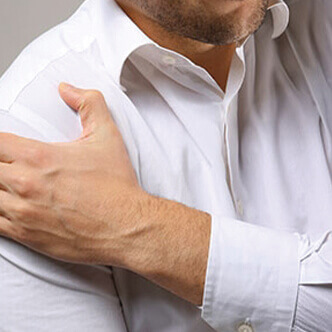
READ MOREAccording to surveys, shoulder pain affects 18-26% of the population. Symptoms can be persistent and "disabling" in terms of a person's ability to perform daily activities both at home and at work. Learn more information in this article.
READ MOREChronic pain represents that pain which persists beyond the normal healing time. This usually means continuous painful periods that exceed three months. Find out more information in this article.
READ MOREScolioza face ca, coloana vertebrala sa se curbeze lateral, provocand durere si modificari in mersul unei persoane. Exercitiile si intinderea sunt componente vitale ale tratamentului.Afla mai multe informatii in acest articol.
READ MOREThe hip joint is a spheroidal (ball-and-socket) joint. In a normal hip, the upper part of the femur, the femoral head, fits firmly into the acetabular cavity, which is part of the coxal (hip) bone. Find out more information in this article.
READ MORETherapeutic massage can significantly contribute to pain relief in many conditions of the lumbar spine (lower back area). Find out more information in this article.
READ MORELymphedema is an accumulation of lymph in the body resulting from a morpho-functional impairment of the lymphatic vessels. Find out more information in this article.
READ MOREThe proposed objective is to review and update evidence for different forms of manual therapy combined with specific physical exercises for patients at various stages of these symptoms. Learn more in this article.
READ MORELumbar pain is generally caused by reduced muscle strength, lack of exercise, and maintaining improper posture for prolonged periods in any activity. Learn more about the symptoms and treatment options in this article.
READ MOREPoor posture is widespread nowadays, not only among adults, but also among children, who, due to technological advancements and the use of various devices, are gradually starting to develop poor posture.
READ MOREThe knee is one of the most frequently affected joints in athletes, and one of the questions asked when facing a meniscus suture is "When can I resume sports activity?". Inadequate physical recovery will cause a delay in resuming activity or even a potential risk of injury. Find out in this article what the recovery protocol is and when you can return to sports activity.
READ MOREIn general, scoliosis is not painful, but there are several signs that can indicate this condition of the spine, such as an abnormal spinal curvature. Learn in this article what the signs of scoliosis are, treatment methods, as well as home remedies.
READ MORENeck pain, shoulder pain, and neck-related arm pain are a common problem in Western societies, being linked to pressure on the cervical spine. In this article, you will learn how the intradiscal pressure of the lower cervical spine changes during a manual cervical traction procedure, with study-based results.societatile occidentale, fiind legate de presiunea asupra coloanei cervicale. In acest articol vei afla cum se modifica presiunea intradiscala a coloanei cervicale inferioare in timpul unei proceduri de elongatie cervicala manuala, rezultate bazate pe studii.
READ MORELearn in this article how knee osteoarthritis can be treated non-surgically through guided home exercises. Studies have shown that physical exercise reduces pain and improves function in patients with knee osteoarthritis.
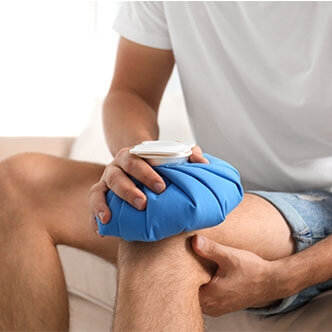
READ MOREDid you think ice is beneficial for accelerating the healing process? The effect of ice applications is the opposite. Find out more in this article about the myth of the benefits brought by ice and how you can accelerate the recovery process.
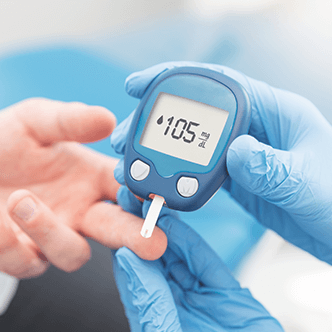
READ MOREDiabetes is a disease that occurs when the body does not produce or use the hormone insulin properly. Find out in this article what the main types of diabetes are and what the prevention or treatment methods are.
READ MOREKnee bursitis causes pain on the inner side of the knee, just below the joint. You may experience pain when bending or straightening your leg. Learn more about the symptoms of this condition and the treatment methods. Knee bursitis causes pain and can limit your mobility.
READ MOREProstatitis affects men of all ages, but tends to be more common in men aged 50 or younger. The condition has a number of causes. It can appear gradually or suddenly. Sometimes, the cause is not identified. It might improve quickly, either with or without treatment.
READ MOREUrinary incontinence is the loss of bladder control. Pregnancy, childbirth, and menopause can make urinary incontinence more likely. However, urinary incontinence is not a normal part of aging and can be treated.
READ MORECystitis is a common urinary tract infection, it occurs especially in women and is usually a minor problem. However, some people may need regular or long-term treatment, as there is a chance that cystitis can lead to a more serious kidney infection.
READ MOREA stiff neck can develop over time. It can also appear after an injury to the area or due to a reaction to medication. A person who has torticollis feels pain when trying to straighten their head or bend their neck to the unaffected side.
READ MOREMigraines are severe, recurrent headaches that can persist for a long time. A migraine can last from a few hours to a few days, and the pain can be so severe that it interferes with daily activities. Learn more about migraine symptoms, their treatment, as well as prevention methods.
READ MOREMyasthenia gravis is an autoimmune disorder. The muscles around the eyes tend to be affected first, causing the eyelids to droop. This condition can occur at any age. Find out more about the causes of occurrence, symptoms, and methods of recovery.
READ MOREAfla mai multe despre tipurile de craniostenoze, cum le putem recunoaste, ce anomalii atrag la nivel fizic si care sunt tulburarile cognitiv-comportamentale pe care le cauzeaza.
READ MORESBreath-holding spells (BHS) are a condition in which a child cries and then stops breathing for a few seconds. Episodes can range from several times a day to a few times a year. Learn more about the manifestations and the risks of developing other conditions following breath-holding episodes.
READ MOREHypotonia can range from mild to severe. A hypotonic child may adopt strange or unusual postures, exhibit reduced active movement, display abdominal-type breathing, and experience developmental delays across key milestones.
READ MOREObstetric brachial plexus paralysis is a pathology produced during childbirth. The prognosis is determined by the degree of plexus involvement and can range from excellent to severe.
READ MOREBELL peripheral paralysis involves the territory of the facial nerve. Frequently, children cannot completely close the eye on the affected side, and the corner of the mouth is pulled toward the healthy side, which can make drinking liquids difficult.
READ MORECerebral palsy is a disease that involves permanent disorders of motor function, often leading to intellectual disability, the impossibility of independent walking, or even the lack of verbal language.
READ MOREUsually, benign partial epilepsy begins between 2 and 14 years of age. Seizures occur most frequently during sleep or upon waking up and involve language disorders, as well as minor visual and spatial disturbances.
READ MOREWe suspect the onset of JME when the child notices that they drop objects from their hands or even have unexplained falls. The onset of this condition is between 8-26 years old, and the cause of its appearance is genetic.
READ MOREEpilepsia absenta juvenila este un sindrom epileptic caracterizat prin crize generalizate predominant de tip absenta, insa, odata cu inaintarea in varsta, acestea devin mai scurte si mai usoare. Juvenile absence epilepsy is an epileptic syndrome characterized by generalized seizures, predominantly of the absence type, but as age advances, they become shorter and milder.
READ MOREIt is an epileptic syndrome of genetic cause, characterized predominantly by the occurrence of absence seizures. CAE appears in children with normal psychomotor development, but they can associate attention deficit or learning disorders.
READ MOREEnuresis can be caused by a small bladder, persistent urinary tract infections, uretero-vesical malformations with impaired renal function, constipation, intestinal parasites, stress, anxiety, or delayed mental development that can limit the child's ability to learn to use the toilet.
READ MOREParoxysmal kinesigenic dyskinesia is a transient segmental alteration of muscle tone. PKD manifestations begin in childhood and occur more frequently in the legs than in the hands. Their predisposing factors include anxiety and mental tension.
READ MOREDMD is present from birth, although symptoms may be observed much later. Children may have trouble running, may fall easily, may tend to walk on their tiptoes, or may even have a speech delay.
READ MOREBMD is a disease characterized by progressive muscle weakness. The first symptom at onset can be pain in the calves. Additionally, children may have enlarged calf muscles.
READ MOREFebrile seizures represent the most common cause of seizures in childhood. In plain terms, these are seizures precipitated by fever that are not caused by infections or other pathologies of the central nervous system. The age of onset for febrile seizures is between one month and 7 years.
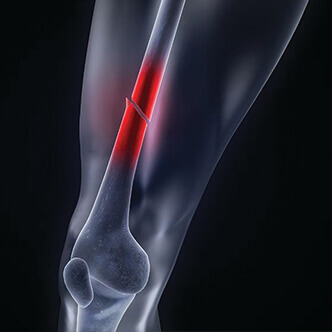
READ MOREA femur fracture can pose numerous problems. Find out more about the symptoms, treatment, and optimal methods of recovery.
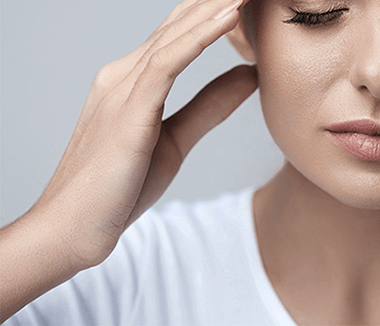
READ MOREHeadaches are one of the most common medical complaints; most people experience them at some point in their lives. Although we tend to ignore them and associate them with trivial pains, a headache can be a sign of stress or emotional distress, or it can result from a medical disorder, such as a migraine or high blood pressure, anxiety, or depression.
READ MOREMost greenstick fractures occur in children under 10 years of age. A greenstick fracture occurs when a bone bends and cracks, instead of breaking completely into separate pieces. The fracture looks similar to what happens when you try to break a small, green branch from a tree.
READ MOREMeniscus injuries usually affect adolescents who are involved in intense physical and sports activities. Meniscus tears are often associated with anterior cruciate ligament injuries. The risk of their occurrence increases with the practice of competitive sports, intense physical activities, or with advancing age.
READ MORELearn all about anterior cruciate ligament injury (ACL): symptoms, diagnosis, treatment, recovery and prevention. Consult the Centrokinetic experts!
READ MORELower limb length discrepancies are a common concern for parents and also a frequently encountered element during the clinical examination performed by the orthopedic doctor. Often asymptomatic, it must be kept in mind that the treatment of this deformity can vary from observation and periodic check-ups to extensive surgical interventions, depending on the severity of the discrepancy and the functionality of the affected limb.
READ MOREIn timpul puseului de crestere din adolescenta, slabirea cartilajului de crestere femoral superior si stresul datorat unui indice de masa corporala crescut pot cauza alunecarea epifizei femurale superioare si deplasarea acesteia din pozitia normala, in raport cu colul femoral. De obicei, colul femural aluneca anterior si superior fata de epifiza care ramane in pozitie normala fata de acetabul. Afectiunea poate fi bilaterala, dezvoltandu-se simultan sau succesiv. During the adolescent growth spurt, the weakening of the upper femoral growth plate and stress due to an increased body mass index can cause the upper femoral epiphysis to slip and displace from its normal position relative to the femoral neck. Usually, the femoral neck slips anteriorly and superiorly relative to the epiphysis, which remains in its normal position within the acetabulum. The condition can be bilateral, developing simultaneously or sequentially.
READ MOREMild sprains can be successfully treated at home. In contrast, severe sprains sometimes require surgical interventions to repair the torn ligaments.
READ MOREA hip fracture is a break in the upper part of the femur (thigh bone). The size of the break depends on the forces involved. The type of surgery used to treat a hip fracture is primarily based on the affected bones and soft tissues, or the location of the fracture.
READ MOREThe human spine is naturally curved, but too much of a curvature can cause problems. Hyperlordosis occurs when the inward curve of the spine in the lower back is exaggerated.
READ MOREBrachial cervical neuralgia is a syndrome associated with inflammation of the brachial plexus. The term "cervicobrachial" refers to the neck and arm, while the term "brachial neuralgia" generally refers to pain associated with a brachial plexus injury.
READ MORESpastic tetraparesis is a form of cerebral palsy that is caused by a specific injury or illness and results in the partial or total loss of the use of the torso and limbs.
READ MOREThe joint labrum, the second type of shoulder cartilage, can be torn as a consequence of a forceful shoulder dislocation. When the damage involves only the labrum, it is called a Bankart lesion.
READ MOREChildren with flat feet have a flattening of the foot arch when they walk or stand. Flat feet are normal in infants and young children (up to 44% of children aged three to six years). At this age, in the absence of associated symptoms, treatment is highly debatable.
READ MORETalus valgus is one of the most common foot deformities observed in newborns. Babies with this condition are born with an excessively bent foot and ankle, where, in extreme cases, the toes touch the tibia.
READ MOREPsoriatic arthritis is a form of arthritis that affects some people who suffer from psoriasis - a condition that features red patches of skin, with a silvery or whitish tint.
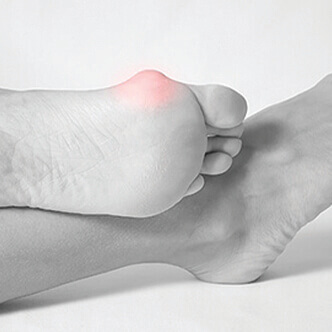
READ MOREMounts are a progressive disorder. They begin with a leaning of the big toe, gradually changing the angle of the bones over the years and slowly producing a prominent characteristic that becomes increasingly unsightly. Symptoms usually appear at later stages, although some people never experience symptoms.
READ MOREAn infiltration is a technique used to inject fluid into the body, specifically into a tissue or a joint. Knee infiltrations use products containing corticosteroids and are performed directly into the joint.
READ MOREPlantar fasciitis is one of the most common causes of heel pain. It involves inflammation of a thick band of tissue that runs along the bottom of the foot and connects the heel bone to the toes (the plantar fascia).
READ MOREWhat is scapulohumeral periarthritis, what are the causes, how does it manifest, how is it treated, and how can it be prevented
READ MORERead a complete article about stroke. See what the causes and risk factors for stroke are. Find out how it is treated, but especially how a stroke can be prevented.
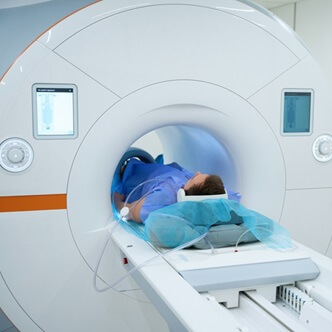
READ MOREFind out what does an MRI mean, how safe it is, how long does it take and what health problems can detect
READ MOREOne of the most common neurological disorders, Parkinson's disease affects approximately 1% of people over 60 years old and causes progressive disabilities that can be slowed down, but not stopped.
READ MOREAlzheimer's disease is the most common form of dementia, affecting up to 70% of all people with dementia.
READ MOREChronic fatigue often begins suddenly, with flu-like symptoms. But unlike the flu, it can last a lifetime.
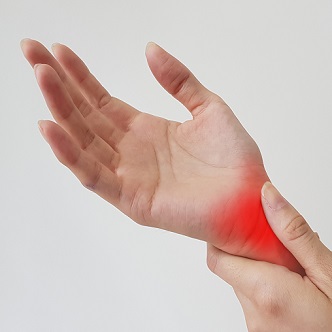
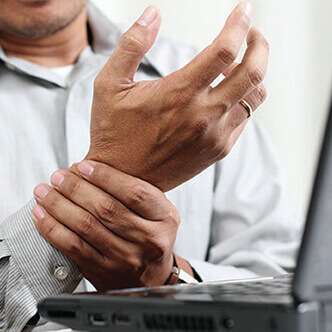
READ MOREWhat carpal tunnel syndrome is, why it occurs, and how it is treated. Read a complete article about this condition.
READ MOREIf you suffer from pain in any of your joints, then a musculoskeletal ultrasound helps you get an accurate diagnosis and evaluate effective treatments. See all the information about this procedure.
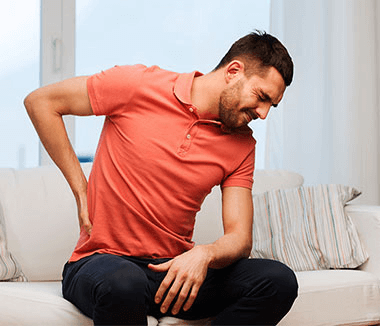
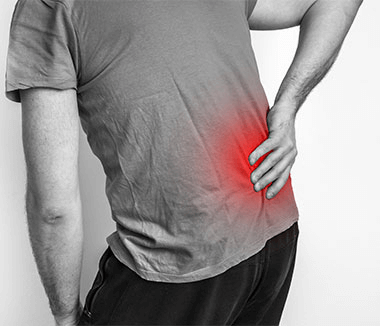
READ MORELow back pain can be acute due to an injury, but can become chronic. Proper management of pain at an early stage can help limit symptoms in both duration and severity.
READ MOREAlthough ligaments have high resistance, they can rupture when subjected to high forces. See the most common causes of ligament ruptures, the symptoms, and the treatment and recovery methods for each individual case.
READ MOREVIDEO: Dr. Andrei Ioan Bogdan explains what anterior cruciate ligament (ACL) reconstruction surgery entails
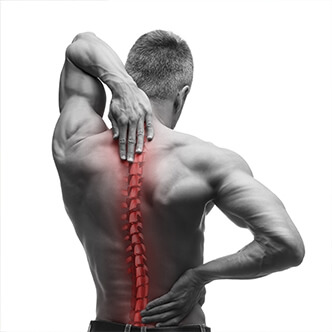
READ MOREDiscover how to prevent back pain through correct posture, simple exercises and habit changes. Personalized solutions at Centrokinetic.
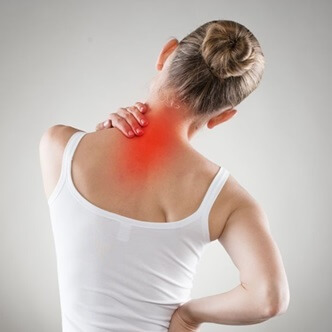
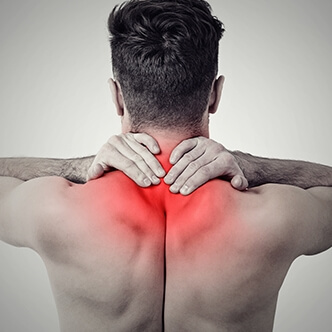
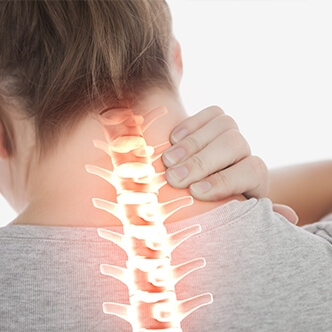
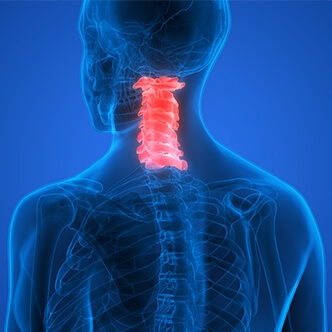
READ MOREEverything you need to know about the causes of cervical pain and treatment methods.
READ MOREEverything you need to know about this form of arthritis that frequently occurs in the spine
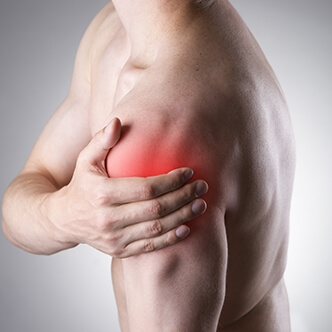
READ MOREEverything you need to know about the causes of shoulder pain and treatment methods.
READ MOREA meniscus tear is one of the most common cartilage injuries in the knee. Find out what the causes are, how it can be treated, what recovery involves, and how a meniscus tear can be prevented.
READ MOREDiscopatia este cea mai frecventa boala a sistemului nervos si a doua cauza a dizabilitatii temporare, dupa raceli. Afla mai mult despre aceasta afectiune tot mai frecventa.
READ MOREAlthough the inward angling of the knees is normal in early childhood and resolves spontaneously by age 7, genu valgum, or knock knees, can appear in early adolescence and does not resolve on its own. Discover how this pathology manifests and, most importantly, how it can be prevented or remedied.
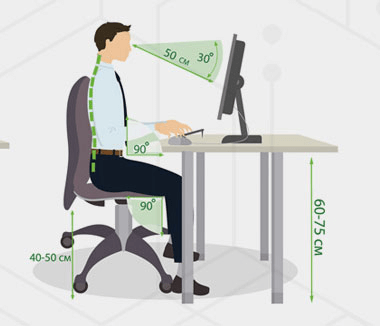
READ MOREYour posture at the desk is the main cause of spinal conditions among corporate employees. If you also work 8 hours a day at the computer, it's time to come in for an evaluation. We use the most modern postural analysis device, and then, if necessary, we create a personalized corrective physical therapy plan and teach you the correct posture at your desk.
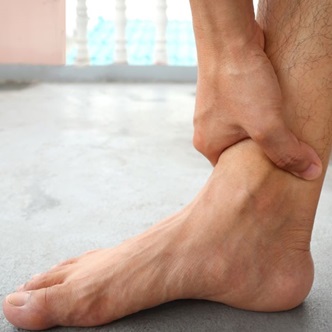
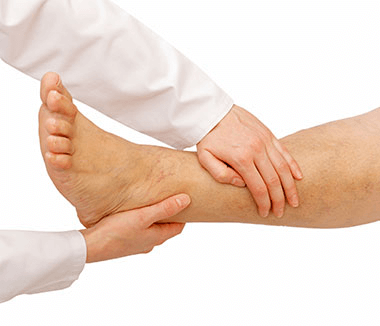
READ MORESwelling of the feet is a relatively common symptom in most people. In itself, it is not a disease but rather a symptom of an underlying disease. Swelling of the ankles and feet usually does not cause concern, especially if you have been sitting or walking a lot.
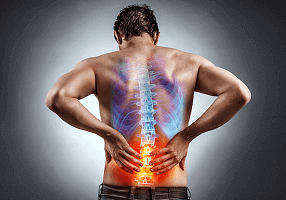
READ MOREManifested by sharp pain in the legs, buttocks, hips or back, lumbosciatica is not a disease, but a symptom of another problem. Learn from the article what it's about and how measures can be taken.
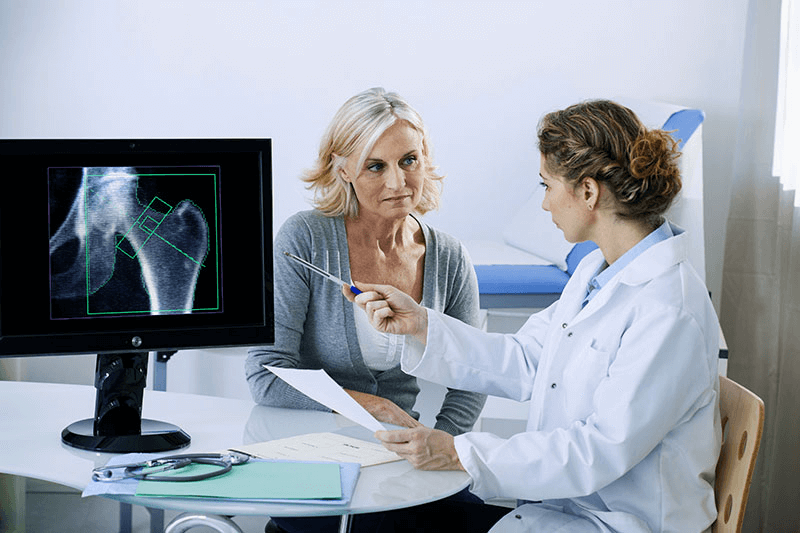
READ MOREOsteoporosis is a condition characterized by a decrease in bone density, reducing its strength and resulting in fragile bones. Find out what are the causes and the available treatment.
READ MORECentrokinetic is launching an awareness campaign for walking deficiencies in children. During the campaign, parents can purchase a computerized gait analysis package and a physical therapy session for 150 RON.
READ MOREEverything you need to know about rheumatoid arthritis, or rheumatism. How it manifests, what the risks are, and how it can be prevented. Discover the best methods for rheumatism relief from Centrokinetic specialists.
READ MOREFind out what are the causes, the main factors, the best prevention methods and the treatments of coxarthrosis from the specialists of Centrokinetic.
READ MOREFind out what the causes, main risk factors, and best treatment methods for spina bifida are, followed by the prevention recommendations and advice from specialists. <img src="i.php?p=poze/spina-bifida-1.jpg" alt="spina bifida" width="800" height="800" style="aspect-ratio: 1;" rel="preload" as="image"> </div> <ul> <li> <a href="#Informatii_generale_despre_spina_bifida">Informatii generale despre spina bifida</a> <ul> <li> <a href="#Ce_este_spina_bifida">Ce este spina bifida</a> </li> <li> <a href="#Cauzele_si_factorii_de_risc_ai_spinei_bifida">Cauzele si factorii de risc ai spinei bifida</a> </li> <li> <a href="#Incidenta_spinei_bifide">Incidenta spinei bifida</a> </li> <li> <a href="#Tipuri_de_spina_bifida">Tipuri de spina bifida</a> </li> <li> <a href="#Simptomele_spinei_bifida">Simptomele spinei bifida</a> </li> <li> <a href="#Diagnosticarea_spinei_bifida">Diagnosticarea spinei bifida</a> </li> <li> <a href="#Afectiuni_asociate_cu_spina_bifida">Afectiuni asociate cu spina bifida</a> </li> </ul> </li> <li> <a href="#Cum_se_trateaza_spina_bifida">Cum se trateaza spina bifida</a> <ul> <li> <a href="#Tratamentul_chirurgical_pentru_spina_bifida">Tratamentul chirurgical pentru spina bifida</a> </li> <li> <a href="#Tratament_complementar_pentru_spina_bifida">Tratament complementar pentru spina bifida</a> </li> <li> <a href="#Integrarea_sociala_a_copiilor_cu_spina_bifida">Integrarea sociala a copiilor cu spina bifida</a> </li> </ul> </li> <li> <a href="#Cum_se_previne_spina_bifida">Cum se previne spina bifida</a> <ul> <li> <a href="#Dieta_in_timpul_sarcinii">Dieta in timpul sarcinii</a> </li> <li> <a href="#Medicatia_in_timpul_sarcinii">Medicatia in timpul sarcinii</a> </li> <li> <a href="#Restrictii_in_timpul_sarcinii">Restrictii in timpul sarcinii</a> </li> </ul> </li> </ul> <h2 style="font-family:Lato, Calibri, Arial, sans-serif;color:rgb(0,0,0);"> <span style="font-size:14px;">Acest articol a fost scris de catre dnul <b><a href="https://centrokinetic.ro/en-about-us/centrokinetic-team/cezar-tomescu" target="_blank">dr. Cezar Tomescu</a></b>, medic specialist ortopedie pediatrica, ce isi desfasoara activitatea medicala in cadrul clinicii noastre si la Spitalul de Pediatrie Medlife.</span> </h2> <h2> <a name="Informatii_generale_despre_spina_bifida" id="Informatii_generale_despre_spina_bifida">Informatii generale despre spina bifida</a> </h2>Clasificata ca un defect al tubului neural, spina bifida a fost recunoscuta ca afectiune a coloanei cu 4000 de ani in urma. Tot de atunci, termenul de mielodisplazie a fost folosit ca sinonim pentru spina bifida. Aceasta reprezinta un defect variabil in care arcul vertebral al coloanei nu este complet sudat, si astfel duce la dezvoltarea incompleta a tubului neural din zona lombara sau sacrala.<br> <br> Termenul bifida vine din latinul bifidus care inseamna "divizat in doua parti".<br> <br> Spina bifida incepe in uter, cand tesuturile care se indoaie pentru a forma tubul neural nu se inchid sau nu raman inchise complet. Aceasta reactie provoaca o deschidere a vertebrelor care inconjoara si protejeaza maduva spinarii, la doar cateva saptamani (21 pana la 28 de zile) dupa conceptie - de obicei inainte ca femeia sa stie ca este insarcinata. <div style="padding-top:20px;padding-bottom:20px;padding-left:20px;padding-right:20px;background:#73bd46;text-align:center;margin-top:20px;margin-bottom:20px;"> <a href="https://centrokinetic.ro/en-about-us/en-contact" style="color:#fff;font-weight:bold;text-decoration:none;font-size:16px;">POTI FACE AICI O PROGRAMARE pentru consultatie, pentru RMN sau pentru recuperare medicala.</a> </div> <h3> <a name="Ce_este_spina_bifida" id="Ce_este_spina_bifida">Ce este spina bifida</a> </h3>Spina bifida este un defect de nastere care afecteaza coloana vertebrala si progreseaza de la o deschizatura in partea din spate a oaselor vertebrale (vertebrele spinarii). In cazuri mai severe, aceasta implica maduva spinarii. Spina bifida este cea mai comuna afectiune dintr-un grup de defecte de nastere ce sunt cunoscute si sub numele de defecte de tub neural, care afecteaza sistemul nervos central (creierul si maduva spinarii).<br> <br> Conditia este de obicei detectata inainte ca un copil sa se nasca si este tratata imediat. Alte defecte ale tubului neural includ amencefalie, o afectiune in care portiunea tubului neural care va deveni cerebra nu se inchide, si encefalocelul, care rezulta atunci cand alte parti ale creierului raman nefuzionate. <h3> <a name="Cauzele_si_factorii_de_risc_ai_spinei_bifida" id="Cauzele_si_factorii_de_risc_ai_spinei_bifida">Cauzele si factorii de risc ai spinei bifida</a> </h3>Atat factorii genetici, cat si factorii de mediu, cum ar fi nutritia si expunerea la substante nocive, contribuie la spina bifida. Faptul ca ai un copil cu spina bifida creste de pana la 8 ori sansa ca un alt copil sa aiba spina bifida. In aproximativ 95% din cazurile de spina bifida, totusi, nu exista antecedente familiale de defecte ale tubului neural.<br> <br> Cercetarile au sugerat ca multe cazuri de spina bifida pot fi prevenite prin administrarea adecvata de acid folic inainte si in timpul sarcinii timpurii. Cu toate acestea, persoanele cu spina bifida par sa aiba un metabolism anormal al acidului folic. Acest lucru sugereaza ca problema de baza in spina bifida poate fi un defect innascut in metabolismul acidului folic, mai degraba decat o simpla deficienta in acest nutrient.<br> <br> O febra mare in timpul sarcinii poate creste sansele femeii de a avea un copil cu spina bifida. Femeile cu epilepsie care au luat medicamentul specific pentru a controla convulsiile, pot avea un risc crescut de a avea un copil cu spina bifida. <p>
READ MOREFind out what the causes, main risk factors, and best diagnostic methods of kyphosis are, followed by the available types of treatment, recommendations, and prevention tips from specialists.
READ MOREDo not neglect femoral rotation in children. Inform yourself and take timely action regarding the best diagnostic and treatment measures.
READ MOREFind out the causes, the main factors and the best diagnostic methods of spondylosis, followed by the available treatment and the specialists' recommendations.
READ MOREFind out what are the causes, the main factors and the best diagnostic methods of osteoarthritis, followed by the types of available treatment methods and the specialists' recommendations.
READ MOREThis are the cause, the main risk factors and the best diagnostic methods of gonarthrosis, followed by types of available treatments and recommendations from specialists.
READ MOREFind out everything you need to know about scoliosis: symptoms, causes, treatment methods, and prevention, so you can successfully prevent the onset of the condition. Scoliosis is very common among children, so this material is also beneficial for parents who wish to eliminate any suspicion regarding their children's health.
READ MORESciatica can be intense and limiting, but symptoms usually improve within a few weeks with the right treatment. Learn more in this article.
READ MORESciatica can be intense and limiting, but symptoms usually improve within a few weeks with the right treatment. Learn more in this article.
READ MORESciatica can be intense and limiting, but symptoms usually improve within a few weeks with the right treatment. Learn more in this article.
READ MORESciatica can be intense and limiting, but symptoms usually improve within a few weeks with the right treatment. Learn more in this article.
READ MORESciatica can be intense and limiting, but symptoms usually improve within a few weeks with the right treatment. Learn more in this article.
READ MORESciatica can be intense and limiting, but symptoms usually improve within a few weeks with the right treatment. Learn more in this article.
READ MOREMuscle weakness can point to an orthopedic problem or a neurological condition, and telling them apart matters for the right treatment. Learn more in this article.
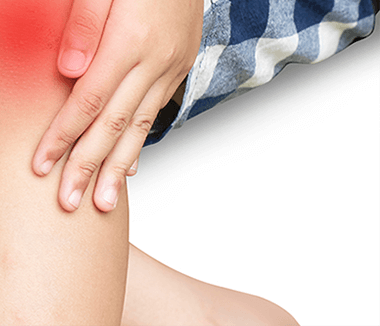
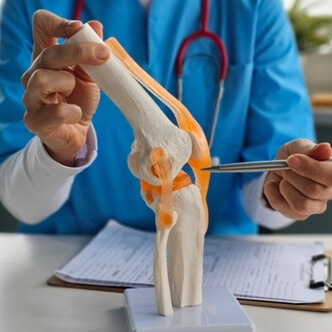
READ MOREKnee pain is one of the most common problems. It can be caused by countless disorders and conditions, so a correct diagnosis is crucial for the patient to benefit from an appropriate treatment that does not allow for recurrent pain.
READ MOREFor your gestures to have the power to move, you must regain your freedom of movement.
READ MORESee how the recovery after the orthopedic surgery will progress.
READ MOREhe herniated disc heals better when we don't undergo surgery but follows a series of physiotherapy procedures recommended by the specialist. Thus, we eliminate the risk of undergoing another surgery, just a few months after the first.
READ MOREThe vast majority of professional athletes are ready to return to training and sports competitions as soon as they are considered medically fit. But they must also be prepared from a psychological standpoint.
READ MORESee details
READ MORESee details
READ MORESee details
READ MORE






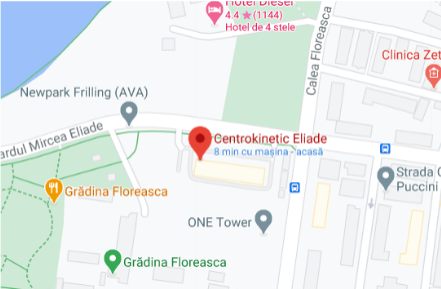
CENTROKINETIC FLOREASCA
Bucharest, 1st District,
Mircea Eliade Street, no. 18,
Eliade Tower, Entrance A, Floor 3
| Navigation | Explore 3D |
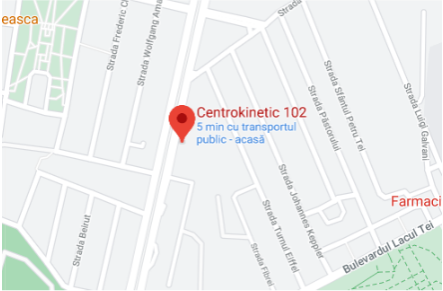
CENTROKINETIC Barbu Vacarescu
Bucharest, 2nd District,
Barbu Vacarescu Street, no. 102,
102 The Address, ground floor.
| Navigation | Explore 3D |
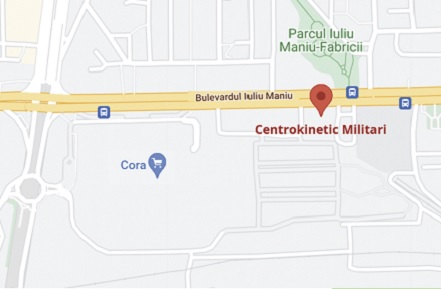
CENTROKINETIC MILITARI
Bucuresti, Sector 6,
Bld. Iuliu Maniu, nr. 15G,
Cladirea PBT, etaj 3.
| Navigation |
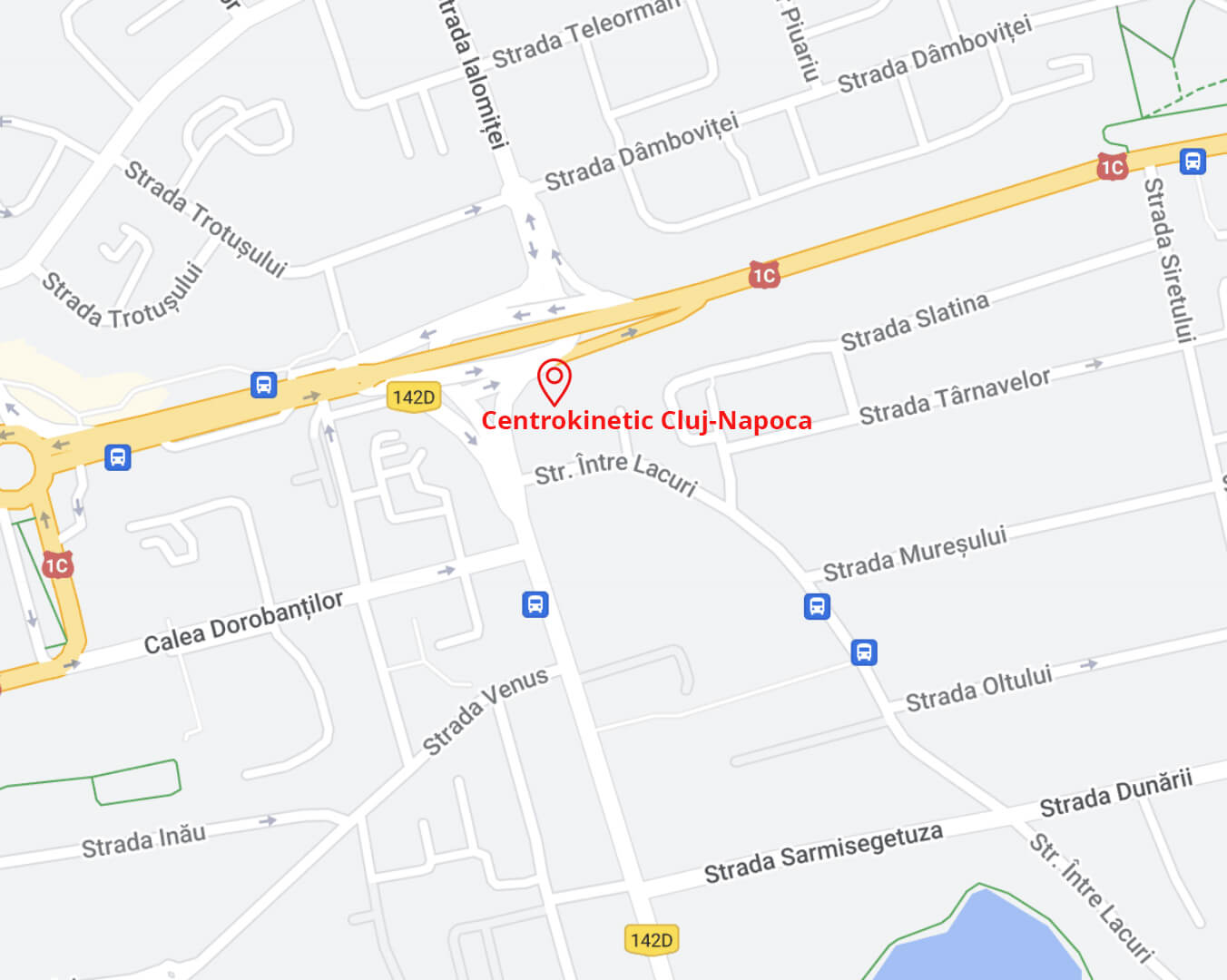
CENTROKINETIC CLUJ-NAPOCA
Cluj-Napoca,
Str. Intre Lacuri, nr.1
Intrarea este in spatele cladirii.
| Navigation |
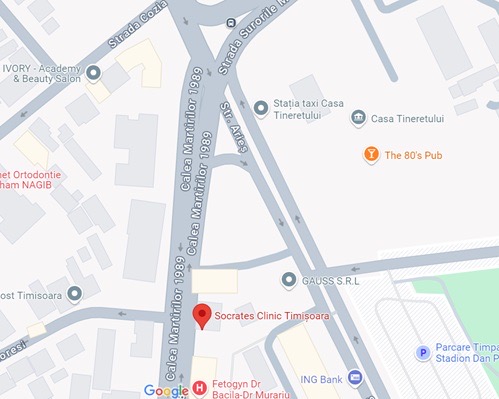
SOCRATES CLINIC TIMISOARA
Timisoara, Calea Martirilor 1989,
nr. 1.
Telefon: 0371 785 374.
| Navigation |
Phone: 0319693
E-mail: programari@centrokinetic.ro
Operating hours:
Monday – Friday: 07:00 – 21:00
Saturday: 09:00 – 14:00
Sunday: closed.
MAKE AN APPOINTMENT