
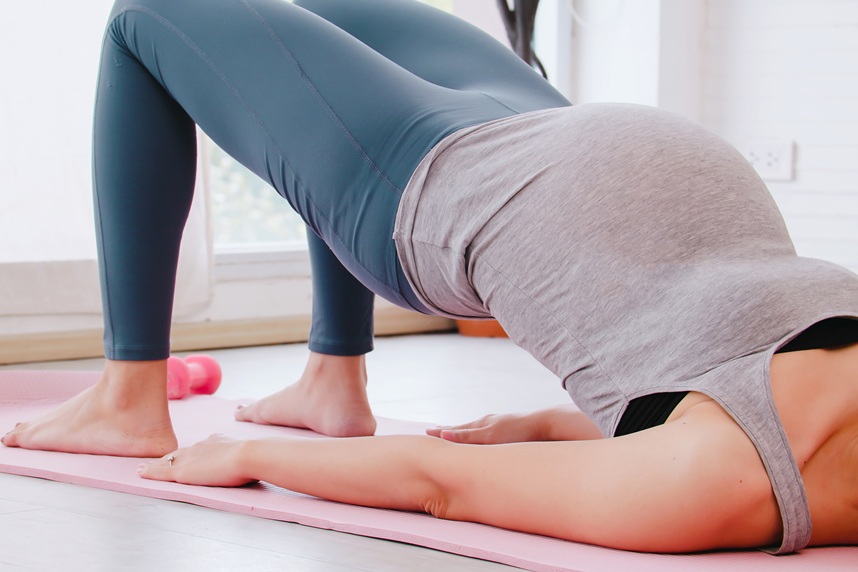
Many women live for years with symptoms such as urine leakage, a feeling of pelvic pressure, pelvic pain, pain during sexual intercourse, persistent constipation, or difficulty recovering after pregnancy and childbirth. Very often, these problems are considered “normal,” “to be endured,” or “part of age or the postpartum period.” In reality, they are common, but they should not be accepted as normal, and for many of them there are effective conservative treatments. The American institute describes pelvic floor dysfunctions as problems that occur when the muscles and supporting tissues of the pelvis are weakened, injured, or function incorrectly, affecting bladder and bowel control as well as the support of pelvic organs.
Pelvic rehabilitation is a specialized branch of physical and rehabilitation medicine aimed at restoring normal pelvic floor function, reducing pain, improving urinary and bowel control, and significantly enhancing quality of life. For stress and mixed urinary incontinence, international guidelines recommend a supervised pelvic floor exercise program for at least 3 months as first-line treatment.YOU CAN BOOK HERE an appointment for a consultation or evaluation to begin your treatment and recovery program.YOU CAN BOOK HERE an appointment for a consultation or evaluation to begin your treatment and recovery program.
What Is the Pelvic Floor?
The pelvic floor is made up of muscles, fascia, and ligaments located in the lower part of the pelvis. This structure plays an essential role in:
- supporting the bladder, uterus, and rectum
- controlling urination and defecation
- sexual function
- stability of the lumbopelvic-abdominal area
- adapting to effort, pregnancy, childbirth, and recovery after surgery
When the pelvic muscles are too weak, too tense, or lose coordination, various symptoms may appear: urine leakage, urinary urgency, prolapse, constipation, pelvic pain, dyspareunia, or difficulty with postpartum recovery.
What Conditions Do We Treat?
Within the pelvic rehabilitation program, we address urological, gynecological, obstetrical, and anorectal pathologies.
1. Urological Conditions and Dysfunctions
We treat:
- stress urinary incontinence
- urge urinary incontinence
- mixed urinary incontinence
- overactive bladder
- neurogenic bladder and other neurologically caused urological dysfunctions
- bladder emptying dysfunctions
- recovery after urological surgeries, including post-prostatectomy
Urinary incontinence is one of the most widespread pelvic disorders. Data synthesized in epidemiological studies show that the prevalence of urinary incontinence in women varies widely depending on age, definition, and methodology, but it is common, and recent analyses in developing countries have reported an overall prevalence of approximately 25.7%.
2. Gynecological Conditions and Dysfunctions
We treat:
- mild to moderate pelvic organ prolapse
- pelvic floor muscle weakness
- pelvic floor hypertonicity or muscle spasm
- chronic pelvic pain
- dyspareunia
- vaginismus
- vulvodynia and vestibulodynia
- pelvic myofascial syndrome
- endometriosis, especially the functional and painful component
- recovery after gynecological surgeries: hysterectomy, prolapse repair, incontinence surgery
Prolapse and pelvic pain can significantly affect quality of life, physical activity, sleep, sexual life, and daily comfort. For symptomatic prolapse, current guidelines mention pelvic floor exercises as a first-line conservative option, especially in mild and moderate cases.
3. Obstetrical Conditions and Dysfunctions
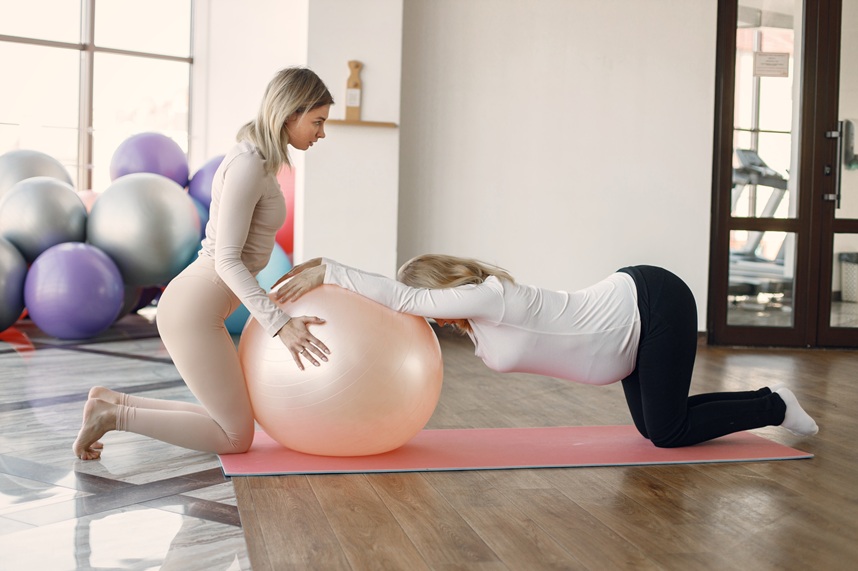
We treat:
- pelvic floor re-education during pregnancy, both preventive and therapeutic
- urinary incontinence occurring during pregnancy
- postpartum recovery after vaginal birth or cesarean section
- perineal injuries, including episiotomy and perineal tears
- abdominal diastasis
- postpartum pelvic and lumbopelvic pain
- prolapse occurring after childbirth
Pregnancy and the postpartum period are among the most important stages for pelvic health. International guidelines show that introducing pelvic floor exercises in the immediate postnatal period can prevent urinary incontinence and prolapse, and emphasize that in the postpartum period problems such as pain, fatigue, and urinary incontinence are common and should be actively evaluated.
4. Anorectal Conditions and Dysfunctions
We treat:
- fecal incontinence
- gas incontinence
- functional constipation
- functional anorectal pain
- defecation disorders, including pelvic dyssynergia
In defecation disorders, biofeedback plays a central role. International guidelines recommend specific evaluation and the use of biofeedback therapy in the management of evacuation disorders and constipation associated with pelvic floor dysfunction.
When Is It Useful to Come for an Evaluation?
A pelvic rehabilitation consultation is recommended if you experience one or more of the following symptoms:
- you leak urine when coughing, sneezing, running, or lifting weights
- you feel a strong urgency to urinate and go to the bathroom very often
- you feel pressure, heaviness, or a “dropping” sensation in the pelvic area
- you have pelvic, vulvar, or perineal pain
- you experience pain during sexual intercourse
- you have chronic constipation or the feeling of incomplete evacuation
- you are recovering slowly after childbirth
- you have painful scars after cesarean section, episiotomy, or pelvic surgery
- you have undergone urological or gynecological surgery and want proper recovery
The earlier the evaluation is performed, the better the chances of controlling symptoms through conservative treatment. For many patients, early rehabilitation can reduce the need for more invasive treatments.
How Does Treatment Proceed?
Rehabilitation for pelvic conditions does not mean a single type of procedure, but a personalized program built according to symptoms, diagnosis, causes, and goals.
1. Initial Evaluation
The first step is a detailed assessment, which may include:
- complete medical history
- discussion about urinary, gynecological, anorectal, and sexual symptoms
- assessment of posture and breathing
- evaluation of the abdominal wall and intra-abdominal pressure control
- pelvic floor assessment
- analysis of postoperative or postpartum scars
- setting therapeutic goals
Depending on the case, the evaluation may also include recommending validated questionnaires to monitor symptom progression.
YOU CAN BOOK HERE an appointment for a consultation or evaluation to begin your treatment and recovery program.2. Treatment Plan
Based on the evaluation, a personalized plan is established. In general, treatment is carried out in individual sessions, and the program may include a combination of manual techniques, exercises, biofeedback, and adjunct therapies.
For incontinence, guidelines frequently recommend supervised programs lasting at least 3 months; for bladder training, international guidelines mention a minimum of 6 weeks for urgency and mixed incontinence symptoms.
3. Reassessment
Progress is monitored periodically, and treatment is adjusted according to response, tolerance, and patient goals.
What Therapies Do We Use?
Pelvic Manual Therapy
Pelvic manual therapy is essential especially in cases involving pain, hypertonicity, muscle spasm, adhesions, or painful scars. It may include muscle relaxation techniques, myofascial release, trigger point treatment, scar mobilization, and specific techniques to reduce pelvic tension.
It is particularly useful in:
- chronic pelvic pain
- vaginismus
- dyspareunia
- vulvodynia
- pelvic myofascial syndrome
- postpartum or post-surgical recovery
A recent meta-analysis concluded that multimodal physiotherapy is effective in chronic pelvic pain in women, with high certainty evidence for pain improvement.
YOU CAN BOOK HERE an appointment for a consultation or evaluation to begin your treatment and recovery program.Physiotherapy
Pelvic floor physiotherapy represents the foundation of conservative treatment. It is not only about “Kegel exercises,” but about proper neuromuscular re-education, coordination between the diaphragm, abdomen, and pelvic floor, control of intra-abdominal pressure, and integration of pelvic muscles into movement and daily activities.
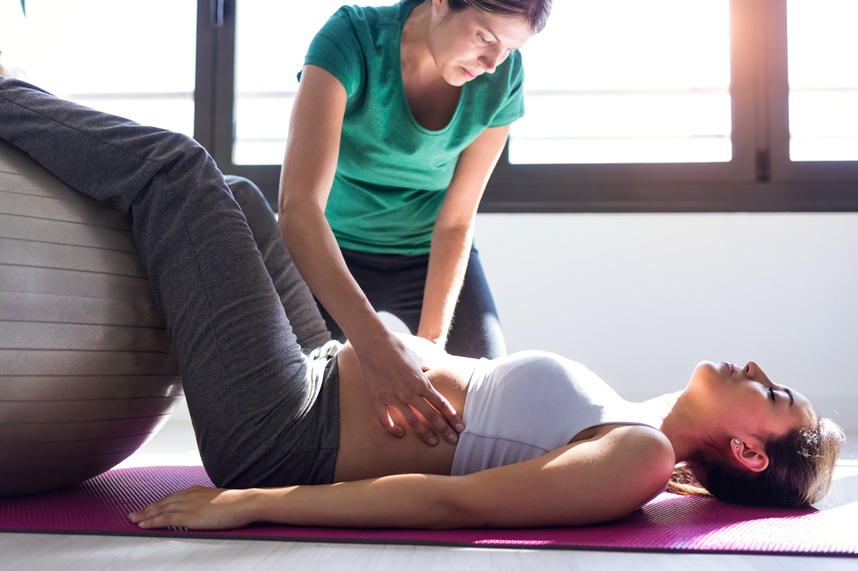
It is used in:
- urinary incontinence
- prolapse
- postpartum recovery
- abdominal diastasis
- post-prostatectomy recovery
- lumbopelvic instability
Cochrane reviews show that pelvic floor exercises are the most commonly used physical treatment for urinary incontinence in women and are more effective than no treatment. International guidelines explicitly recommend them as first-line therapy in stress and mixed incontinence.
Therapeutic Massage
Therapeutic massage is used as an adjunct method to reduce myofascial tension, relax external pelvic, lumbar, gluteal, abdominal, or adductor muscles, and relieve associated pain.
Muscle Electrical Stimulation
Muscle electrical stimulation may be useful when the patient cannot effectively activate the pelvic muscles or when muscle recruitment is reduced. It can support learning proper contraction and accelerate muscle control in selected cases.
Electrotherapy
Electrotherapy is mainly used for pain control, muscle relaxation, and reducing discomfort.
Winback Intimity Therapy
Winback Intimity therapy is used in the clinic as an adjunct method in pelvic rehabilitation programs.
Biofeedback
Biofeedback is one of the most valuable technologies in pelvic floor re-education. With the help of specific sensors, the patient can see on a screen how the pelvic muscles function.
YOU CAN BOOK HERE an appointment for a consultation or evaluation to begin your treatment and recovery program.What Are the Chances of Success?
International data are encouraging. Pelvic floor exercises have strong evidence for urinary incontinence and are recommended as first-line treatment. Biofeedback has success rates of over 60% in many studies for defecation disorders. In chronic pelvic pain, multimodal physiotherapy can provide significant benefits.
What You Gain from Pelvic Rehabilitation
- reduction or cessation of urine leakage
- better control of urgency sensation
- reduced pelvic pain
- improved sexual function
- restored muscle control after pregnancy
- improved constipation
- better recovery after surgery
- reduced sensation of pressure
- greater confidence in physical activity
Why Is Personalized Treatment Important?
In pelvic health, two patients may have the same symptom but completely different causes. Therefore, effective treatment starts with proper evaluation and combines the right interventions for each individual case.
Who Is This Program For?
- active women
- pregnant women
- postpartum patients
- women in perimenopause or menopause
- patients with pelvic pain or prolapse
- patients with functional constipation
- patients after pelvic surgery
- men with urinary problems after prostatectomy
The Most Important Message
Urine leakage, pelvic pain, prolapse, or functional constipation should not be normalized or postponed. They are treatable conditions, and specialized medical rehabilitation can be the essential first step.
Available Rehabilitation Programs
- urinary incontinence
- overactive bladder
- pelvic prolapse
- chronic pelvic pain
- vaginismus and dyspareunia
- pregnancy rehabilitation
- postpartum rehabilitation
- abdominal diastasis
- recovery after gynecological surgery
- recovery after urological surgery
- functional constipation and defecation disorders
Book an Evaluation
If you have pelvic, urinary, anorectal symptoms or persistent pelvic pain, the first step is a proper evaluation. Pelvic rehabilitation begins with understanding the cause and continues with a clear, personalized, and progressive plan.
YOU CAN BOOK HERE an appointment for a consultation or evaluation to begin your treatment and recovery program. YOU CAN BOOK HERE an appointment for a consultation or evaluation to begin your treatment and recovery program.