Rehabilitation after birth


Recovery After Natural Birth and C-Section. Postpartum Rehabilitation Methods for Mothers, Including Posture Correction and Pelvic Muscle Strengthening Exercises.
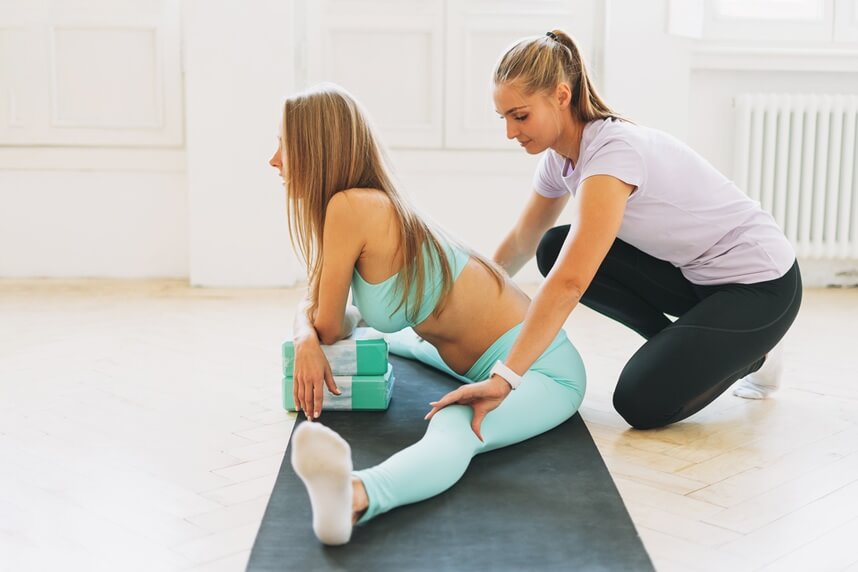
A. Why Are Exercises Necessary After Natural Birth and C-Section?
Pregnancy lasts approximately 280 days or 40 weeks. The mother's body undergoes a series of transformations, changing gradually with an adaptation period.
Along with the joy of having a newborn, the mother must cope with major physical changes and hormonal shifts as her body returns to its initial state. After childbirth and during the postpartum period, the mother experiences physical changes again, but within a much shorter timeframe.
This can lead to various medical issues such as urinary incontinence, pelvic floor pain, abdominal muscle diastasis, lower back pain, neck and shoulder pain, as well as arm pain and numbness. If not properly addressed, these issues can have long-term health effects. Therefore, physical exercise is highly beneficial for new mothers.
Postnatal exercises help us, as women, to:
- Restore muscle tone and complex body movements (joint mobility, muscle strength and power, endurance, coordination and movement control, stability, and balance), which are essential when lifting, washing, changing, and feeding the baby.
- Ensure postural training (correcting and improving trunk and spinal posture, preventing discopathy, neck and shoulder pain, or lower back pain).
- Strengthen the pelvic floor muscles (preventing urinary incontinence, genital prolapse, restoring perineal status, and aiding in healing after an episiotomy).
- Tone the abdominal muscles (preventing discomfort caused by potential diastasis of the rectus abdominis muscles, regulating intestinal transit).
- Introduce relaxation and breathing techniques (thoracic and abdominal breathing).
- Improve overall well-being (anti-stress, antidepressant effects, combating anxiety) during a sensitive period.
Therefore, not only does the baby need attention, patience, and care, but so does the mother. Any advice and assistance from a specialist doctor and then a physiotherapist are highly beneficial.
B. The Postpartum Period is a Time of Change and Adaptation. When Should We Consider Starting This Exercise Program? What Kind of Exercises Should We Begin With?
Allocating proper time to postnatal physiotherapy exercises helps prevent pregnancy and childbirth-related issues (neck, shoulder, and arm pain, lower back pain and sciatica, hernia, vaginal prolapse, urinary incontinence, digestive transit disorders, extreme fatigue). The body needs a lot of rest, and the musculoskeletal system—including muscles, tendons, joints, and ligaments—is not in the same condition as before pregnancy.
Theoretically, it is recommended to continue the physical activity practiced before pregnancy, throughout pregnancy, and after childbirth. This would be ideal and highly beneficial. Here’s what we suggest.
- Some specialists recommend early resumption of physical activity. After a short break of just a few days (3-5 days) following an uncomplicated vaginal birth, you can (re)start physical activity. If you had a C-section, it is best to wait 5-7 days. Begin with light isometric exercises involving low-intensity, short-duration muscle contractions of the pelvic floor and abdominal wall. Stop the exercises if any discomfort occurs.
- Early postpartum stage (2-4 weeks): Very light, low-intensity exercises are recommended, gradually activating the lower abdomen and pelvic floor without excessively straining these tissues.
Low-impact aerobic activities and stretching are often recommended immediately postpartum. These may include swimming, water gymnastics, walking, treadmill walking at the gym, gentle stretching or yoga, simple toning of the lower abdomen, and Kegel exercises. During this phase, exercises should be done with caution, allowing the tissues to heal.
It is important not to exceed the activity level that may cause pain or discomfort. Stop the exercise if you experience urinary leakage, pelvic pressure, or back pain.
At the gym or during physiotherapy, other low-impact options include stationary cycling (especially the recumbent bike), elliptical machine, stair-climbing machine, or stepper.
- Muscle-strengthening exercises should begin around 6 weeks postpartum. However, exercise intensity should only increase gradually after 12 weeks (3 months).
High-intensity activities, such as CrossFit, running, weightlifting, or HIIT (high-intensity interval training), are not recommended within the first 12 weeks, as muscles and ligament tissues need time to heal.
C. Benefits of Postnatal or Postpartum Physical Therapy
Regular exercise after childbirth has numerous health benefits, such as:
- Weight loss or reduction. Don’t forget to monitor your calorie intake when breastfeeding!
- The postpartum exercise program can improve aerobic and cardiovascular fitness, enhance abdominal muscle tone, and increase overall muscle strength.
- Pelvic floor strengthening: prevents accidental urine leaks, constipation, vaginal pain, and the constant urge to urinate.
- Well-being and psycho-emotional balance, improved cognitive performance. Social interaction through returning to a fitness or physical therapy setting can boost mood and reduce stress and anxiety.
Don't forget! Prenatal physical therapy, before childbirth, is also useful as it helps achieve postnatal goals.
D. Easy-to-Perform Exercises After Childbirth or Postpartum
- Kegel Exercises (targeting the pelvic floor). These can be performed while standing, sitting, or lying on your back. Before starting the exercise program, it is useful to identify the right muscles. Contract the pelvic floor muscles, hold the contraction for a few seconds, and release. Breathe normally while performing the exercise. Repeat 2-3 times a day. Gradually, the pelvic floor contraction can be maintained for a longer duration, and the number of repetitions can be increased.
- Diaphragmatic or Abdominal Breathing. This involves engaging the diaphragm and abdominal muscles to fill the lungs to their maximum capacity. While inhaling, use the abdominal muscles to pull the diaphragm downward. Diaphragmatic breathing effectively fills the lungs with air, facilitates gas exchange, oxygenates tissues, improves circulation, and helps relax the entire body.
- Walking. Walking is recommended as the first postnatal exercise that you can start as soon as you feel comfortable standing. Walking restores lower limb muscle strength, energizes the body, improves cardiovascular fitness, helps with weight loss, and promotes relaxation and well-being.
- Quadruped Exercises to Strengthen the Lower or Lumbar Back. From a position supporting yourself on the floor with all four limbs, extend your back (stretching) by bringing the shoulder blades together along the midline of the back. Keeping the hips and shoulders parallel to the floor, lift your right arm and left leg and hold the position for a few seconds. Switch to the opposite arm and leg. Repeat. You can then extend the opposite arm and leg horizontally.
- Angry Cat – Saddled Horse Position. A well-known yoga pose, often recommended for back pain and postnatal physical therapy. Start in a tabletop position with four points of support, meaning hands on the ground shoulder-width apart and knees hip-width apart. Inhale as you arch your back downward and lift your head, like a horse carrying a load. Exhale and round your back into the highest possible arch by contracting your abdominal muscles, bringing your back into the "angry cat" position. Repeat several times.
- Bridge or Glute Bridge Exercise. This exercise can be performed with or without a stability ball. It is more challenging with the ball. Lie on your back on the floor, bend your knees, and place both feet (soles) on the floor. Lift your hips in the air while pressing your heels into the floor or stability ball and contracting the glute muscles. Try to maintain a straight line from your knees to your head while supporting your body on your shoulders and upper back.
- Crunches or Sit-ups performed while lying on your back with bent knees and feet on the floor. These are useful after the first four months postpartum.
E. Some useful information about the benefits of physical exercises
- Exercises for pelvic floor dysfunction
Pelvic floor muscle problems can cause incontinence and stability issues. At any age, not just postpartum. The pelvic floor muscles support pelvic organs, stabilize the spine and pelvis, and maintain continence at the urethral and anal sphincters.
Pregnancy and childbirth put stress on these muscles, which already decrease in thickness during pregnancy and are subjected to extreme stretching during natural birth. They can tear or be incised during labor/delivery, causing a decrease in their strength and tone.
Physical therapy after pregnancy can strengthen these muscles, helping with incontinence issues and back pain. It ensures pelvic stabilization and balance in an upright position.
- Physical therapy (exercises) for back pain after childbirth
Pregnancy causes significant changes in body weight and center of gravity. This can lead to poor posture, weakening abdominal muscle strength. Additional stress is placed on the back and pelvis, which may result in back pain. Exercises can significantly reduce back pain. Physical therapy before, during, and after pregnancy can provide proper posture guidance, strengthen back muscles, improve spinal flexibility, and treat back pain. Ergonomic advice for childcare is also useful. This helps prevent future discomfort.
- Exercises for postpartum neck and shoulder pain
Many mothers, even young ones, suffer from neck and shoulder pain after pregnancy or experience numbness along their arms. The cervical spine curvature increases to compensate for the shift in the center of gravity, leading to the symptoms described above. Additionally, breast enlargement during pregnancy can cause rounded shoulders and upper back. Breastfeeding in an improper posture can contribute to postural asymmetry.
The contraction of the shoulder girdle muscles linking the upper chest to the shoulders (pectoral muscles) and the weakness of upper back muscles (scapular stabilizers) can also cause rounding of the back and forward head projection, increasing the tendency to lean forward.
This results in cervical, shoulder, and neck pain, arm numbness, increased stress on the cervical spine, and spinal disc degeneration. Long-term health can be significantly affected, as spinal changes can impact the rest of the body.
Physical therapy can help strengthen the right muscles, reduce joint stress and postural imbalances, ensuring long-term spinal health.
- Exercises for bladder issues after pregnancy
Approximately 10% of women suffer from either urinary incontinence or urinary retention after pregnancy and childbirth. Urinary incontinence is the involuntary urination or leakage during activities such as laughing, sneezing, or exercising. Difficulty urinating may be due to urinary retention, which can last a few days postpartum.
It is recommended to drink plenty of fluids, urinate only when the bladder feels full, and make a habit of practicing pelvic floor exercises (Kegels), as they can help resolve these problems. Along with pelvic floor exercises, pelvic floor electrical stimulation can also be used. This further aids in resolving bladder issues.
- Postnatal physical exercises after a C-section
Both C-section and natural birth require postpartum care and treatment. A C-section is a major surgery and requires its own post-operative rehabilitation program. Daily activities should be performed with care, as the body recovers from a significant surgical intervention. Physical therapy helps reduce post-surgical pain, organ prolapse, and scar tissue development at the incision site. It can also address other general postnatal issues such as incontinence, poor posture, and pain.
- Physical therapy (exercises) to improve abdominal muscle tone
Pregnancy and childbirth significantly affect abdominal muscles and the linea alba, which stretches. This reduces their strength and ability to contract effectively. The linea alba muscles may separate during pregnancy and do not naturally reunite after childbirth. This condition is known as diastasis recti. It causes pelvic tension, maintains abdominal hypotonia, and leads to back pain.
Post-pregnancy physical therapy can improve abdominal muscle strength, preventing back and abdominal organ disorders (prolapse, hernia) due to a lack of support. It also helps in regaining shape and achieving a flat abdomen.
F. Practical tips for mothers
Do not lift heavy objects in the first two months after childbirth.
Avoid bending forward; flex your hips and bend your knees if you need to lift something.
Ensure proper posture while breastfeeding.
Drink plenty of water and eat high-fiber foods.
Address medical and postural issues as soon as possible to prevent future health problems.
Physical therapy should begin in the third trimester of pregnancy, focusing on spinal and abdominal toning, pelvic floor exercises, improving lower limb flexibility, and pain management. You will continue postpartum.
Healing after an episiotomy or perineal tear during childbirth can benefit from physiotherapy and physical therapy.
At Centrokinetic, our doctors and therapists design personalized physical therapy programs that can be performed by expectant mothers before and during pregnancy and establish a rehabilitation plan after childbirth.
Alongside physical therapy, you can benefit from pelvic floor electrical stimulation, abdominal muscle stimulation programs, relaxation massage, therapeutic massage, and therapy.
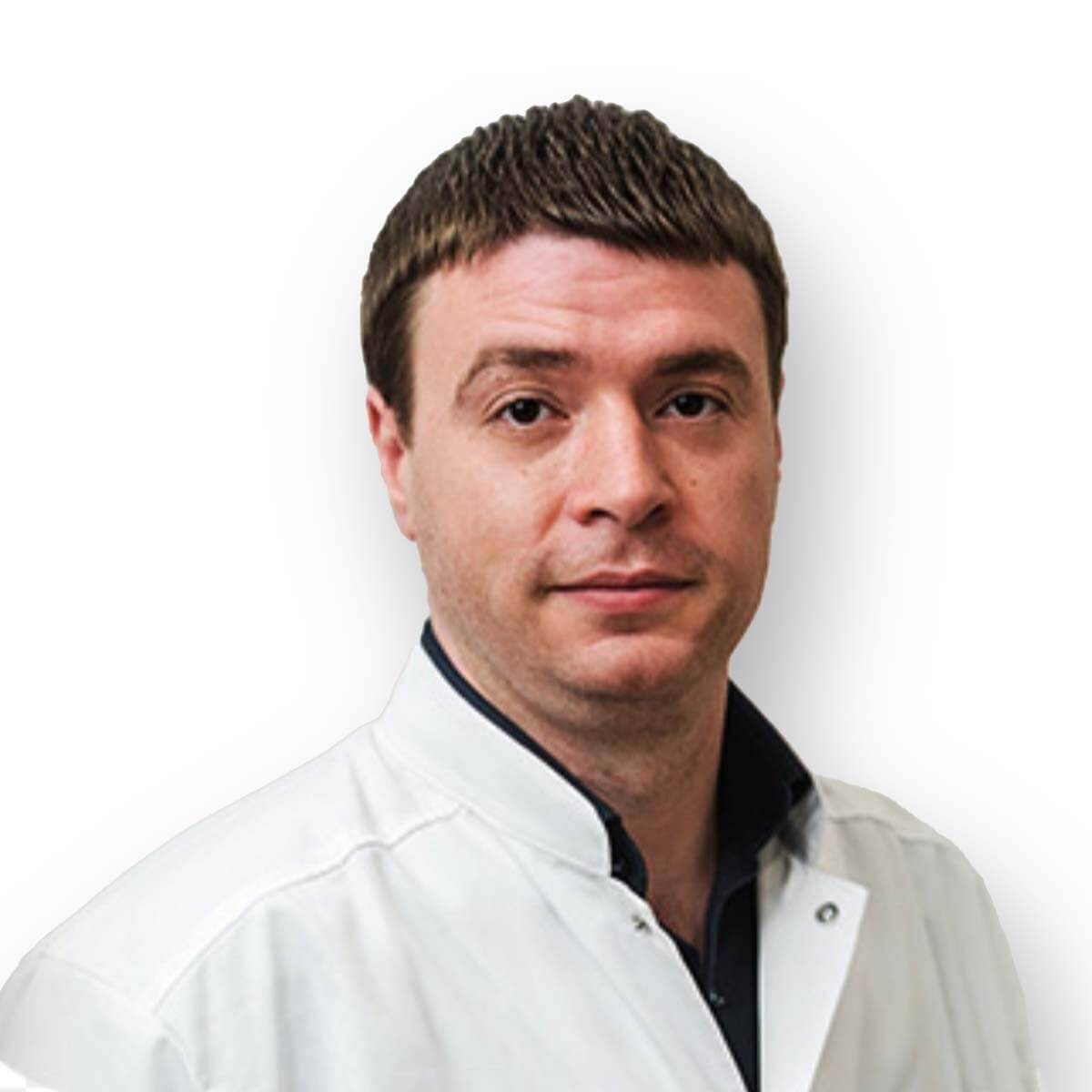
BUCHAREST TEAM



































CLUJ NAPOCA TEAM

















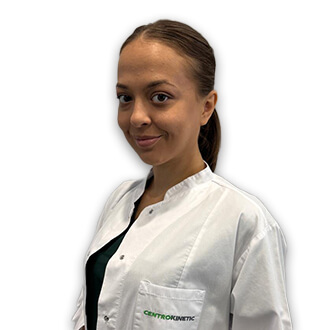
BRASOV TEAM
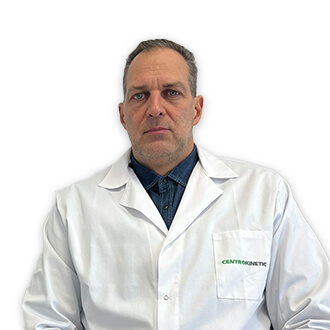
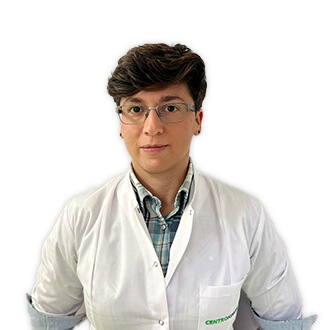
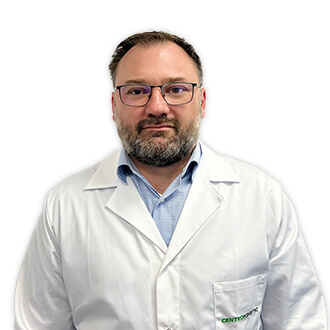






MAKE AN APPOINTMENT
FOR AN EXAMINATION
See here how you can make an appointment and the location of our clinics.
MAKE AN APPOINTMENT
Asiguratori privati




Parteneriate


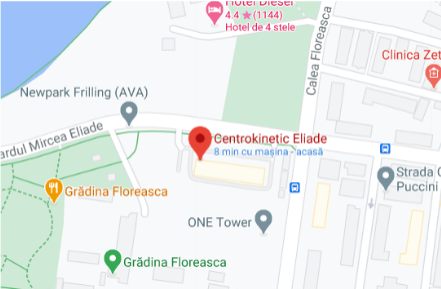
CENTROKINETIC FLOREASCA
Bucharest, 1st District,
Mircea Eliade Street, no. 18,
Eliade Tower, Entrance A, Floor 3
| Navigation | Explore 3D |
CENTROKINETIC Barbu Vacarescu
Bucharest, 2nd District,
Barbu Vacarescu Street, no. 102,
102 The Address, ground floor.
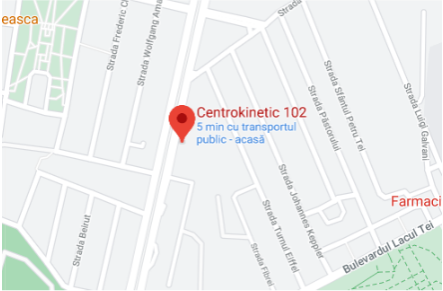
| Navigation | Explore 3D |
CENTROKINETIC MILITARI
Bucuresti, Sector 6,
Bld. Iuliu Maniu, nr. 15G,
Cladirea PBT, etaj 3.
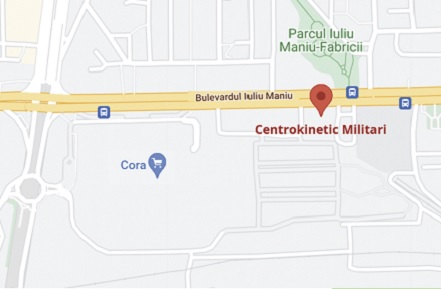
| Navigation |
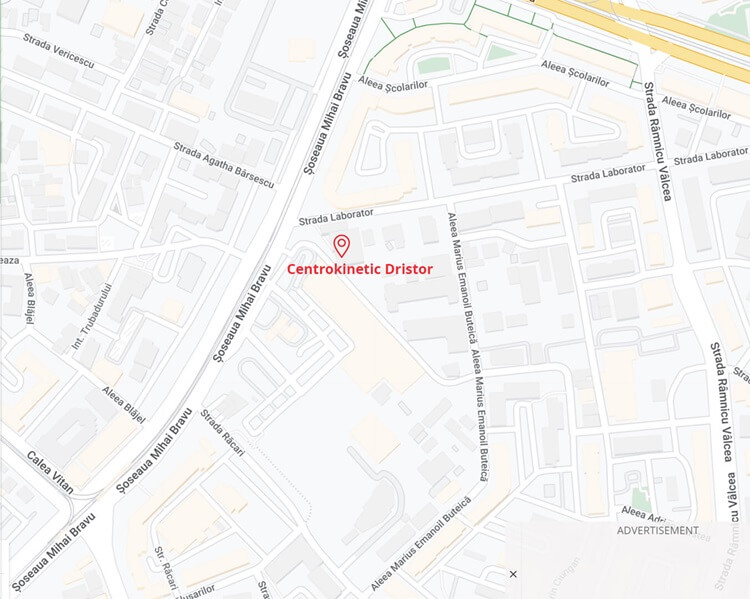
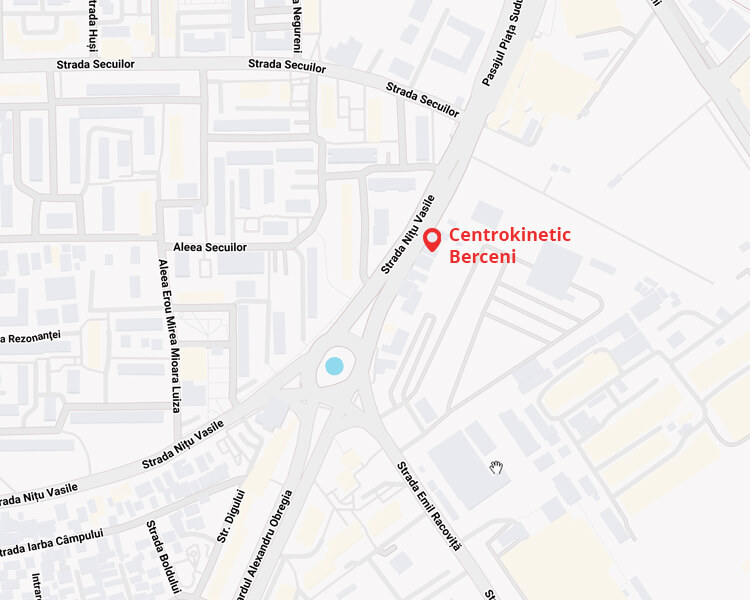
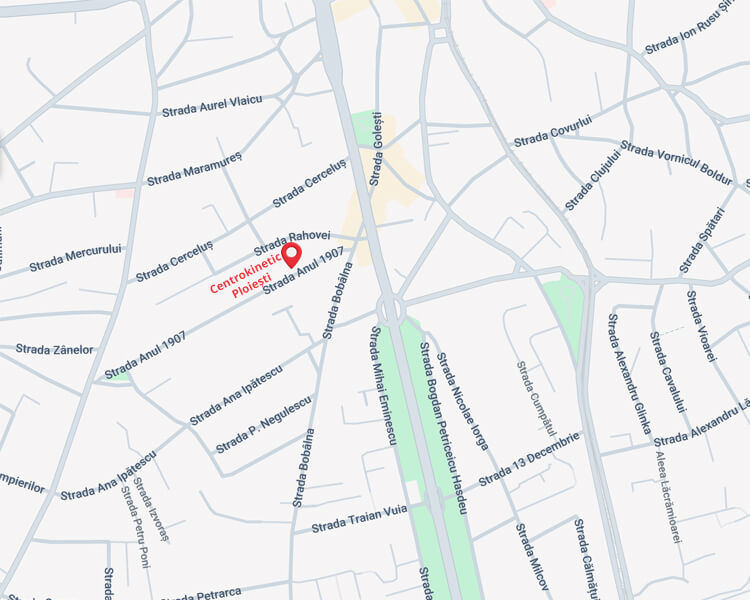
CENTROKINETIC CLUJ-NAPOCA
Cluj-Napoca,
Str. Intre Lacuri, nr.1
Intrarea este in spatele cladirii.
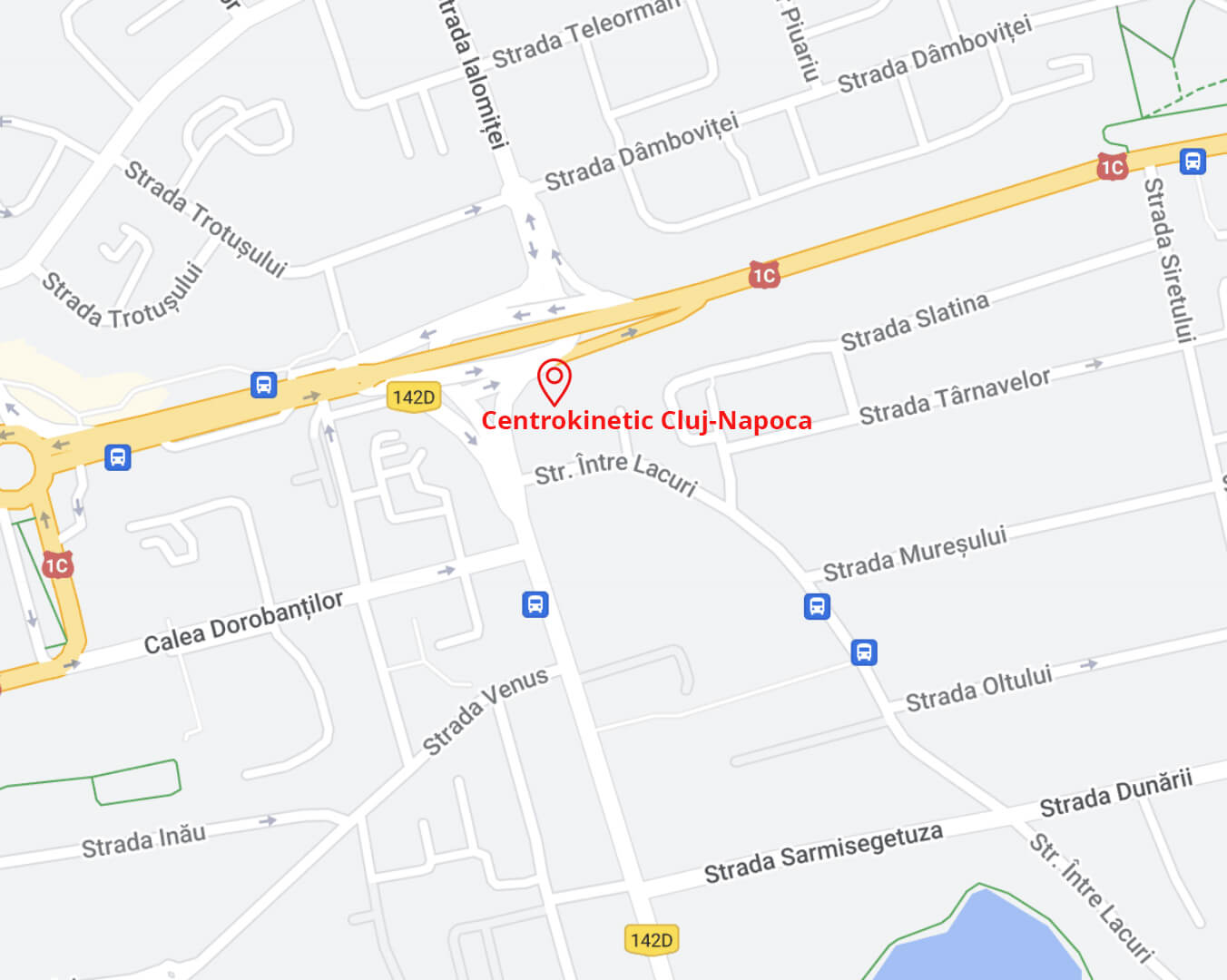
| Navigation |
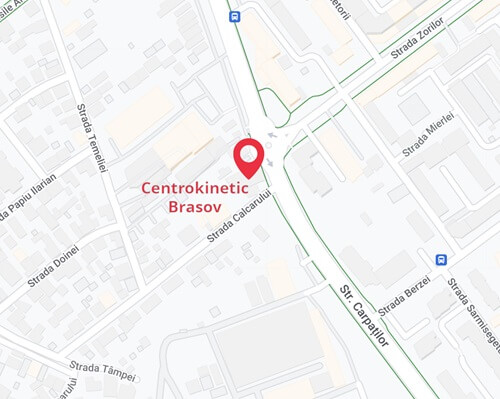
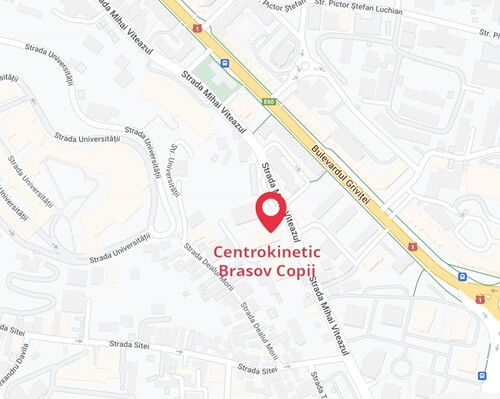
SOCRATES CLINIC TIMISOARA
Timisoara, Calea Martirilor 1989,
nr. 1.
Telefon: 0371 785 374.
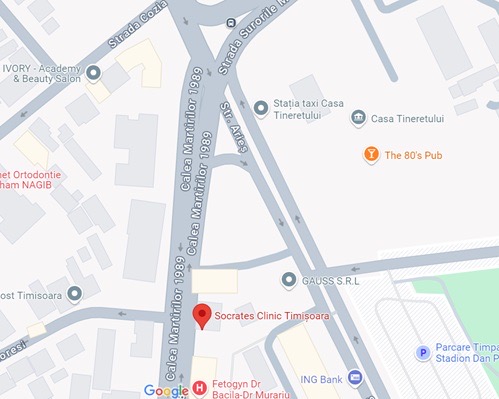
| Navigation |
CONTACT
Phone: 0319693
E-mail: programari@centrokinetic.ro
Operating hours:
Monday – Friday: 07:00 – 21:00
Saturday: 09:00 – 14:00
Sunday: closed.
MAKE AN APPOINTMENT