






See details
READ MORE

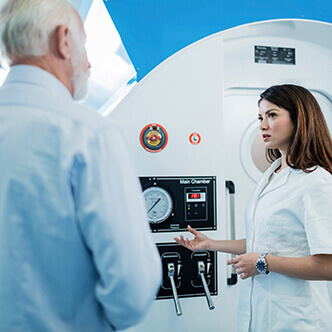
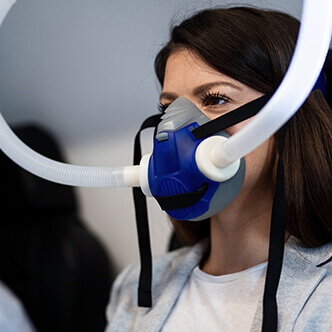
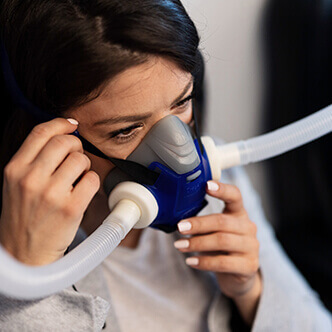
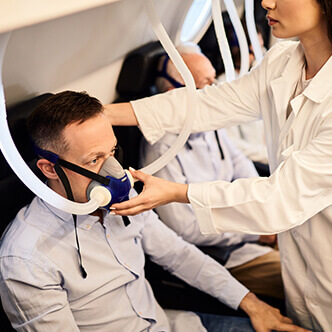
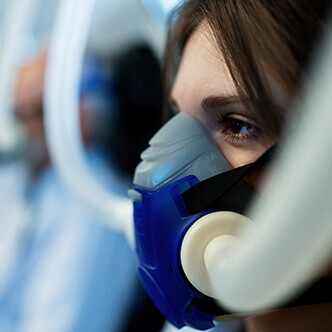
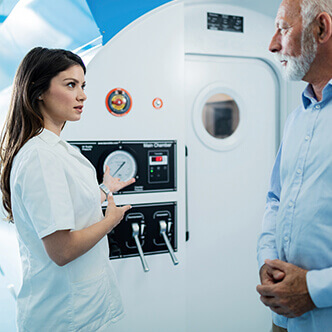
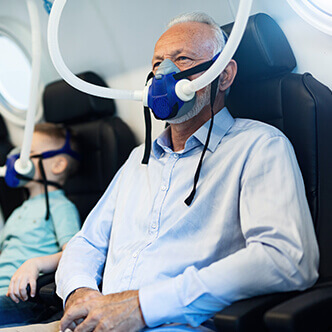
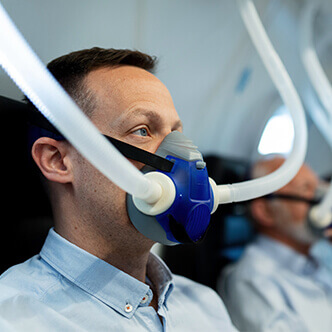
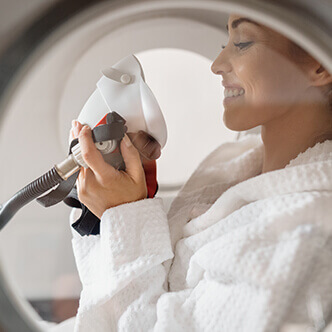
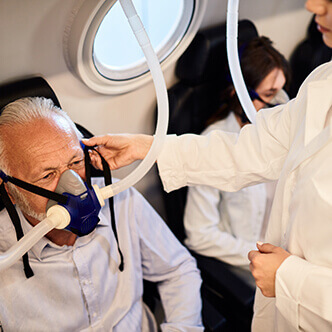
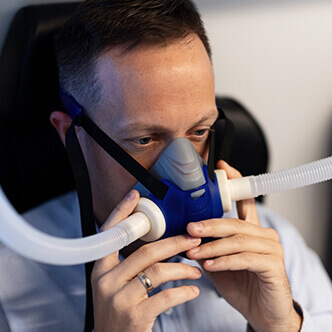
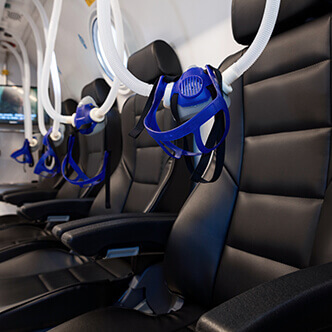
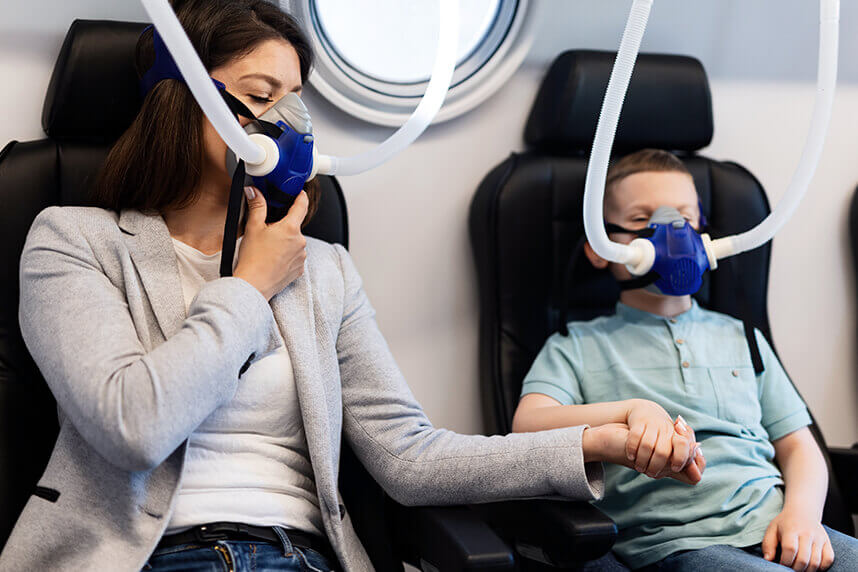
Chronic infections, slow-healing wounds, or complications after orthopedic surgery can slow down your recovery and limit your mobility. Whether you're active, play sports, or are in post-operative recovery, you need clear medical solutions backed by studies. Hyperbaric oxygen therapy (HBOT) is one of these options. Doctors use it as an adjuvant therapy in difficult infections, especially where tissues are poorly oxygenated. Find out how it works, in which situations it is recommended, and what a proper evaluation before treatment involves, below. HBOT involves administering 100% oxygen inside a hyperbaric chamber, at a pressure higher than normal atmospheric pressure (usually 2-3 ATA). "Therapeutic oxygen" means pure oxygen, administered in a controlled way, for medical purposes. "Pressure" refers to the force with which the gas acts on the body. Under these conditions, oxygen dissolves in the blood plasma in a higher quantity and reaches the affected tissues more easily. A session lasts, in most cases, 90 minutes. The full protocol can include 10, 20, or over 30 sessions, depending on the diagnosis and clinical response. The doctor establishes the protocol after a detailed evaluation, which includes medical history, tests, and imaging investigations. If you want to understand exactly how the procedure is carried out, you can check the information about hyperbaric therapy within the dedicated medical rehabilitation services. Many chronic infections occur in areas with reduced circulation and tissue hypoxia (low oxygen levels). Anaerobic bacteria thrive easily in this environment. HBOT increases the oxygen level in the tissue and changes the local environment, which limits the multiplication of certain germs. According to current data, increasing the partial pressure of oxygen inhibits the growth of anaerobic bacteria and supports the body's natural defense mechanisms. Under hyperbaric conditions, the body produces reactive oxygen species (ROS), such as hydrogen peroxide. These molecules can affect the structure of bacteria, including their membrane and genetic material. Experimental studies show that this oxidative stress contributes to lowering the bacterial load, especially in persistent infections. The effect depends on the dose and duration of the therapy, which is why the protocol must be personalized. Neutrophils, the cells involved in destroying bacteria, work more efficiently in a well-oxygenated environment. HBOT improves their ability to phagocytize and destroy germs. Hyperbaric oxygen therapy can reduce swelling and modulate the inflammatory response, which helps tissues heal under better conditions. In severe infections, HBOT does not replace antibiotics, but it can support their action. Some antibiotics work more effectively in an aerobic environment. By increasing local oxygenation, hyperbaric therapy can facilitate the penetration of medications into poorly vascularized areas. For the best results, the infectious disease doctor and the medical rehabilitation specialist work together and adapt the treatment plan. People with diabetes can develop foot lesions, with a risk of infection and slow healing. Tissue hypoxia delays regeneration. In selected cases, HBOT can increase the healing rate of deep ulcers. The use of hyperbaric therapy is considered an adjuvant option in advanced diabetic ulcers, after a strict evaluation. If you have diabetes and wounds that aren't healing, find out about the available options and talk to a specialist. Osteomyelitis is a bone infection, often difficult to treat due to reduced blood supply. HBOT can increase oxygen concentration at the bone level and can support antibiotic and surgical treatment. For active patients or athletes who want to regain their mobility, early intervention and a combined approach increase the chances of functional recovery. After orthopedic or plastic surgery, some wounds can heal slowly or become infected. In reconstruction procedures with grafts and flaps, proper tissue oxygenation influences their integration. In such situations, hyperbaric therapy can be part of the complex treatment plan, established individually by the medical team. HBOT is not only for infections. In certain cases of femoral head necrosis or in stroke recovery programs, doctors can include it in the treatment plan, alongside physiotherapy, physical therapy, and medication. The goal is to support tissue regeneration and optimize function. HBOT is considered a safe procedure when performed in a specialized center, with verified equipment and trained staff. However, there are risks and limitations. Possible adverse reactions: The main absolute contraindication is untreated pneumothorax. There are also relative contraindications, such as acute ENT infections, uncontrolled lung conditions, or certain oncological treatments. The doctor identifies these situations during the consultation. A proper evaluation makes the difference. Do not start the therapy without a medical recommendation. Each case requires an individual analysis, especially if you are in post-operative recovery or have chronic conditions! Chronic infections and poorly oxygenated injuries respond better to treatment when you intervene early. Delaying can lead to complications and a longer recovery period. At Centrokinetic, the multidisciplinary team reviews your medical history, investigations, and functional goals. You receive a personalized plan, tailored to your activity level and associated condition. Monitoring throughout the sessions allows the protocol to be adjusted for effectiveness and safety. Talk openly with the doctor about expectations, risks, and alternatives. The final decision belongs to the specialist, based on medical criteria. Book an appointment now for a specialist consultation! No. In infections, hyperbaric therapy complements antibiotic treatment and, if needed, surgery. The doctor establishes the right combination for your situation. The number varies depending on the condition and the individual response. In chronic infections, the protocol can include 20-40 sessions. Periodic evaluation allows the plan to be adjusted. The procedure is not painful. You may feel pressure in your ears, similar to what you feel during a flight. The medical staff explains the equalization techniques and monitors you continuously. Disclaimer: This material is strictly for informational purposes and does not replace a specialist medical consultation. The information presented should not be used to diagnose or treat a condition without a doctor's recommendation. For any health issue, schedule a consultation and follow the instructions of qualified medical staff! Centrokinetic is the place where you will find clear answers and effective solutions for musculoskeletal conditions. Our clinic, dedicated to musculoskeletal disorders, is organized into the following specialized departments: Stay up to date by following Centrokinetic on Facebook, Instagram, and YouTube. Sources: .jpg "e1244d0a0868b5f65762a294cf666d5b0a")
What is hyperbaric oxygen therapy and how does it work?
.jpg "e127024e32efd6aed2e4cb75cef26f490d")
The antimicrobial mechanism of HBOT
Increasing oxygen concentration in tissues
.jpg)
Formation of reactive oxygen species
Supporting the immune system
Synergy with antibiotics
.jpg)
Clinical applications in infections and recovery
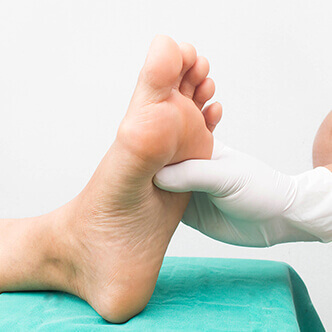
Diabetic foot and infected ulcers
Chronic osteomyelitis
Post-operative infections and reconstructions
Other indications in recovery
Safety, risks, and contraindications
Why do early intervention and a personalized approach matter?
Frequently asked questions
Can HBOT replace antibiotics?
How many sessions are needed?
Is the therapy painful?
Diving accidents are accidents that can occur during diving, being specific to this activity, and are always an emergency. Learn the benefits of hyperbaric therapy and why it is useful in diving accidents.
READ MOREHyperbaric oxygen therapy has multiple medical and anti-aging uses. Like any medical treatment, hyperbaric oxygen therapy has certain contraindications. Find out here what are the contraindications for hyperbaric oxygen therapy.
READ MOREScientists in Israel say they can reverse the aging process. The key to this success seems to be hyperbaric oxygen therapy – breathing pure oxygen while sitting in a pressurized chamber for a certain amount of time. In this case, it's 90 minutes/session, with a frequency of 5 sessions per week, for 3 months.
READ MORECystoid or cystic intestinal pneumatosis (intestinal emphysema) is a symptom that can occur in many gastrointestinal diseases. Hyperbaric oxygen therapy can be a successful treatment of cystoid intestinal pneumatosis and granulomatosis with polyangiitis.
READ MOREGynecological cancers treated with a combination of external beam radiation and brachytherapy, especially cervical and vaginal cancers, can result in the apex of the vagina receiving a high dose of radiation. Hyperbaric oxygen therapy has positive effects on the radiated tissues, especially the head, neck, anus, and rectum.
READ MOREHyperbaric oxygen therapy involves the use of so-called levels of oxygen under pressure to increase the level of oxygen in the blood. The use of hyperbaric oxygen therapy involves oxygen treatment for soft tissue radionecrosis. Read this article and find out more.
READ MOREProlonged CO exposure is responsible for more than half of fatal poisonings and is also one of the leading causes of poisoning in Western countries. We aimed to compare the effectiveness of therapy with hyperbaric oxygen (HBO) versus normobaric oxygen (NBO) in the setting of carbon monoxide poisoning (COP).
READ MOREHyperbaric oxygen therapy may be effective for Wagner's grade 3 and 4 diabetic foot ulcers and need to study the real problems with patients seeking treatment and demonstrates the need to study the real problems with patients seeking treatment. The results show that it is important to follow the treatment in order for the HBOT to be efficient.
READ MOREHyperbaric oxygen is used in sports medicine to reduce hypoxia and edema and is also effective in treating stroke injuries and acute traumatic peripheral ischemia. When used clinically, hyperbaric oxygen should be considered as an adjuvant therapy used as early as possible after the diagnosis of the lesions.
READ MOREMuscle stretches are the most common muscle injuries suffered during performance sports. Rapid recovery from muscle injury is crucial for elite athletes who regularly are exposed to training and increased competition. Hyperbaric oxygen therapy is a safe and effective method, being a non-invasive treatment
READ MOREHyperbaric therapies are methods used to treat disease or injury using pressures higher than the local atmospheric pressure inside a hyperbaric chamber. The long-term effects are neovascularization (angiogenesis in hypoxic soft tissues), osteoneogenesis, and stimulation of collagen production by fibroblasts. This is beneficial for wound healing and recovery after irradiation.
READ MOREProctitis is the inflammation of the rectal mucosa causing pain, discharge, and other unusual symptoms. Pain can occur during bowel movements, it can be acute or chronic. Symptoms may vary, but the most common is tenesmus (the feeling of needing to go to the toilet), a sensation that persists even after using the toilet. This treatment should be offered to patients who fail to recover with conventional treatments for radiation-induced proctitis.
READ MOREOsteomyelitis is an infection of the bone or marrow caused by bacteria or mycobacteria. Hyperbaric oxygen treatments can be considered an American Heart Association (AHA) Class II recommendation for the treatment of chronic, refractory osteomyelitis
READ MOREHyperbaric oxygenation allows a controlled increase in oxygen pressure in the blood. This technique can be used in cases of tinnitus and sudden deafness, when certain changes in the inner ear and brain generate a lack of oxygen and, therefore, a limited intake of energy.
READ MOREHyperbaric oxygen therapy has been found to ameliorate the damaging effects of reperfusion by early modulation of inflammation, maintenance of metabolic function in downstream tissues, and reintroduction of oxidation scavengers.
READ MOREHBOT has a beneficial effect on burn wound healing by reducing edema and ensuring there is adequate oxygen in microcirculation. It may speed up epithelialization and suppress unnecessary inflammation that could negatively affect normal wound healing. With further research, HBOT may become an adjuvant therapy to surgery.
READ MOREHyperbaric therapy is a form of medical treatment that involves exposing the body to pure oxygen at a higher pressure than normal. There are about 45 diseases approved worldwide to be treated with hyperbaric oxygen.
READ MOREMalignant otitis externa is a rapidly spreading bacterial infection that is aggressive and may be fatal if left untreated. Hyperbaric oxygen therapy (HBOT) is a medical treatment in which the entire body is placed in an airtight chamber at increased atmospheric pressure and has been proven to be effective for several different medical conditions.
READ MOREIf left untreated, MI will lead to the progressive loss of viable cardiomyocytes, impaired heart function, and congestive heart failure. Oxygen cycling therapy serves as a very attractive option for the treatment of myocardial infarction, because it offers some of the greatest benefits while reducing treatment time and inconvenience to the subject.
READ MOREThe present study has demonstrated that adjunct HBOT enhances the reduction of ulcer area and depth at 4 weeks in T2DM patients with ischaemic DFUs. HBOT is known to ensure hyperoxygenation of ischaemic tissue and restoration from hypoxia. Discover the hyperbaric medicine center open in our clinic. Centrokinetic has the top-performing hyperbaric chamber in Bucharest.
READ MOREOsteonecrosis of the knee (ONK) is a form of aseptic necrosis resulting from ischemia to subchondral bone tissue. Typically, treatment is invasive. Hyperbaric oxygen therapy (HBOT) may provide a noninvasive alternative by improving oxygenation and reperfusion of ischemic areas. This study evaluates the efficacy of HBOT in a series of ONK patients.
READ MOREFemoral head necrosis (FHN), also called avascular necrosis, or femoral head osteonecrosis is a common multifactorial condition that affects patients of any age and can lead to substantial clinical morbidity. Hyperbaric oxygen therapy (HBO) is one of the proposed treatments. Indeed, tissue oxygen promotes angiogenesis that reduces edema. Read about the effectiveness of this treatment.
READ MORECentral retinal artery occlusion (CRAO) is a devastating and common eye condition. It presents a sudden, unilateral, and painless loss of vision. Even when treated promptly, an acute obstruction of the central retinal artery usually leads to severe and permanent loss of vision.
READ MOREThere are numerous studies reported for the effectiveness of HBO in the treatment of osteoradionecrosis of various bone tissues. In addition to its usefulness in treating osteoradionecrosis, this therapy can prevent it. It also combats the negative effect of irradiation, stimulates osseointegration, and improves the survival rate of the implant.
READ MOREThe auditory function in the inner ear is maintained by the cochlea, which is known to have a high oxygen demand. Hyperbaric oxygen can increase the tension of oxygen in the perilymph and restore hearing in a significant number of patients with sudden hearing loss. Patients can be treated in a single-seater hyperbaric chamber or in a multiplace chamber.
READ MORELimb trauma, which leads to direct tissue damage, plus local hypoxic disorders caused by the resulting edema, causes acute peripheral ischemia. Surgical treatment and hyperbaric oxygen are not concurrent treatment modalities but are best used to complement each other in order to provide the best outcome for the patient.
READ MORESmall gas embolisms, as in this case, present serious risks, especially the complication of cerebral air embolism. To prevent neurological complications, it is necessary to urgently remove the air bubble. HBOT reduces the volume of the bubble, helps eliminate nitrogen, and improves the oxygenation of potentially hypoxic tissue. See the results of hyperbaric therapy in venous embolism.
READ MOREOsteoradionecrosis (ORN) is a common consequence of radiation provided to cancer patients. Currently, hyperbaric oxygen therapy (HBOT) has a major role in improving wound healing in patients with ORN.
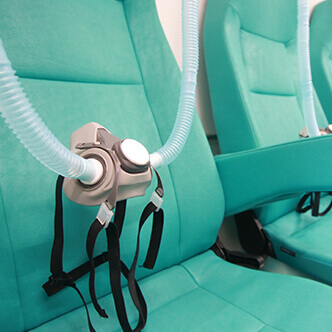
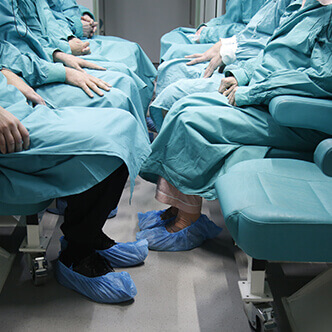
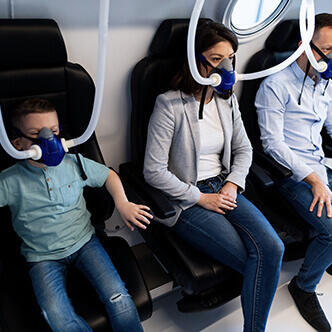
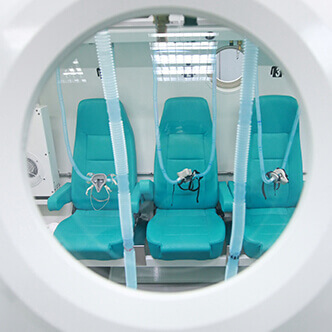
READ MOREDiscover the hyperbaric medicine center open in our clinic. Centrokinetic has the top-performing hyperbaric chamber in Bucharest, with multiple medical and anti-aging uses. The Baroks chamber has 5 seats, and operates at a constant pressure of 2.5 atmospheres, being fully automated and having protocols for each condition, and can be used individually for each patient.
READ MORESee details
READ MORESee details
READ MORESee details
READ MORESee here how you can make an appointment and the location of our clinics.







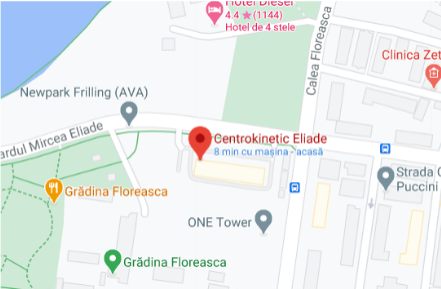
CENTROKINETIC FLOREASCA
Bucharest, 1st District,
Mircea Eliade Street, no. 18,
Eliade Tower, Entrance A, Floor 3
| Navigation | Explore 3D |
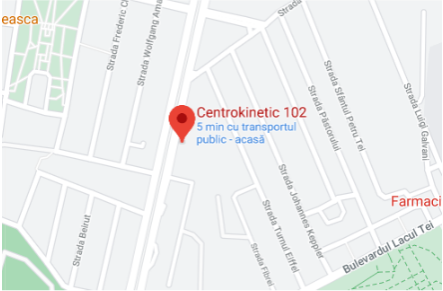
CENTROKINETIC Barbu Vacarescu
Bucharest, 2nd District,
Barbu Vacarescu Street, no. 102,
102 The Address, ground floor.
| Navigation | Explore 3D |
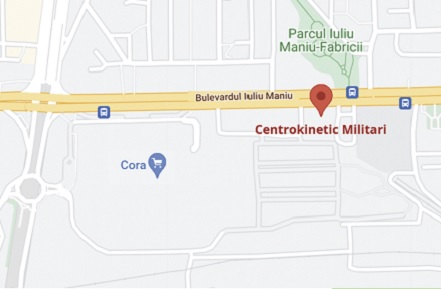
CENTROKINETIC MILITARI
Bucuresti, Sector 6,
Bld. Iuliu Maniu, nr. 15G,
Cladirea PBT, etaj 3.
| Navigation |
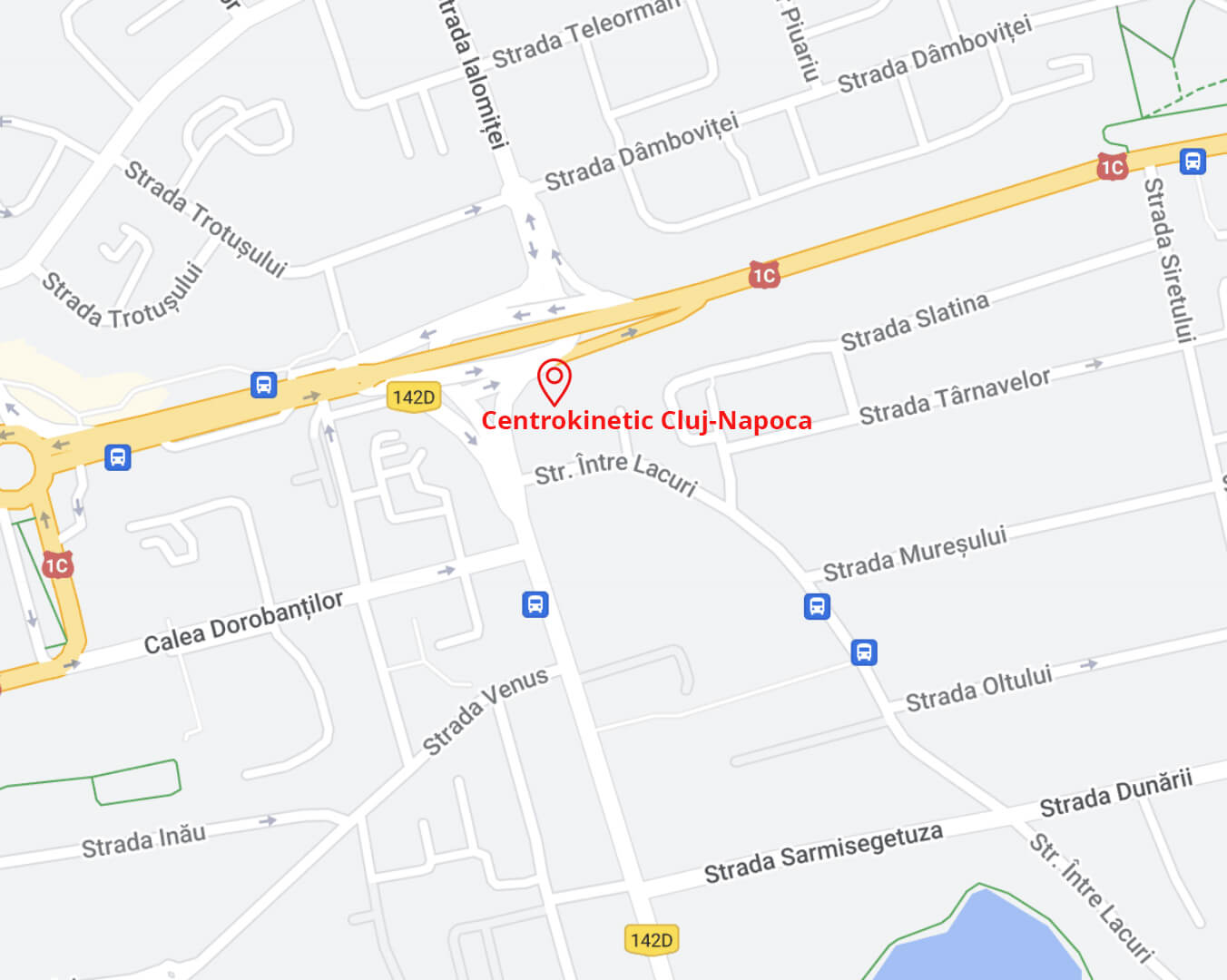
CENTROKINETIC CLUJ-NAPOCA
Cluj-Napoca,
Str. Intre Lacuri, nr.1
Intrarea este in spatele cladirii.
| Navigation |
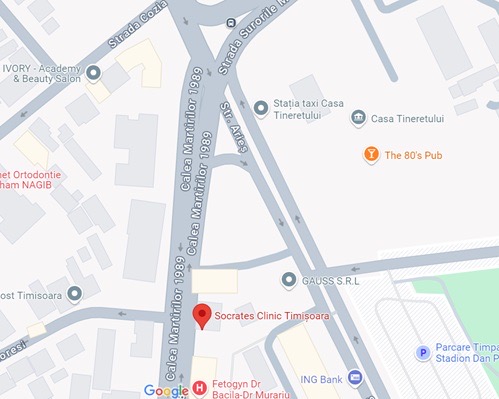
SOCRATES CLINIC TIMISOARA
Timisoara, Calea Martirilor 1989,
nr. 1.
Telefon: 0371 785 374.
| Navigation |
Phone: 0319693
E-mail: programari@centrokinetic.ro
Operating hours:
Monday – Friday: 07:00 – 21:00
Saturday: 09:00 – 14:00
Sunday: closed.
MAKE AN APPOINTMENT